
Are you struggling to keep your breeding tanks at the perfect temperature? Even a small change in water temperature can affect the health and success of your fish or aquatic life.
Monitoring temperature isn’t just a routine task—it’s the key to creating a safe and thriving environment for your breeding tanks. You’ll discover simple yet powerful tips to help you maintain the ideal temperature, avoid costly mistakes, and boost your breeding results.
Keep reading to learn how you can take control and ensure your tanks stay just right.

Credit: www.amazon.com
Importance Of Temperature Control
Temperature control is key for breeding tanks. It helps keep the water at the right level for fish to breed well.
Keeping the temperature steady prevents stress and supports healthy growth of fish eggs and fry.
Impact On Breeding Success
Fish need specific temperatures to breed successfully. Too hot or too cold water can stop breeding.
Correct temperature helps eggs develop properly and increases the chances of hatching.
- Warm water speeds up egg development
- Cold water slows or stops breeding
- Stable temperature avoids egg damage
Effects On Fish Health
Fish health depends on good temperature control. Sudden changes can cause stress or illness.
Proper temperature keeps fish active and helps their immune system fight diseases.
- Stress lowers fish immunity
- Stable temperature supports normal behavior
- Healthy fish breed better and live longer
Choosing The Right Thermometer
Monitoring temperature is key for breeding tanks. Choosing a good thermometer helps keep animals safe and healthy.
The right thermometer shows accurate readings and lasts a long time. This guide covers types, accuracy, and durability.
Types Of Thermometers
Many thermometers work for breeding tanks. Each type has benefits and limits to consider.
- Digital thermometers show quick, easy-to-read numbers.
- Glass thermometers use liquid that moves with temperature changes.
- Infrared thermometers measure temperature without touching water.
- Stick-on strip thermometers attach outside the tank.
Choose a type that fits your tank size and ease of reading.
Accuracy And Durability
Accurate thermometers give true temperature readings. This helps keep breeding conditions stable.
Durable thermometers resist water damage and last through tank cleaning. This saves money over time.
- Look for thermometers with a small error margin (±0.5°C or less).
- Choose waterproof or water-resistant models.
- Check for shatterproof or strong casing.
- Replace thermometers if they show inconsistent readings.
Ideal Temperature Ranges
Keeping the right temperature in breeding tanks is very important. Fish and other aquatic animals grow best in specific temperature ranges.
Too hot or too cold water can harm eggs and young fish. Monitoring temperature helps keep animals healthy.
Species-specific Needs
Different species need different temperatures to breed well. Some fish like warm water, while others need cooler water.
Knowing the ideal range for each species helps create the best environment for breeding success.
- Tropical fish usually need 75-80°F (24-27°C)
- Cold-water fish breed best around 50-65°F (10-18°C)
- Some species need a narrow temperature range
- Others can tolerate wider changes
Seasonal Adjustments
Water temperature can change with the seasons. Breeding tanks need adjustments to match these changes.
Adjusting temperature helps mimic natural conditions. This encourages breeding at the right time.
- Increase temperature in spring for tropical species
- Lower temperature in winter for cold-water species
- Use heaters or chillers to control tank temperature
- Monitor daily to keep stable conditions

Credit: www.amazon.com
Temperature Regulation Techniques
Keeping the right temperature in breeding tanks is very important. Fish and other aquatic animals need stable conditions to grow well.
There are simple ways to control tank temperature. Using heaters, chillers, insulation, and placing tanks carefully can help maintain the best environment.
Using Heaters And Chillers
Heaters add warmth when the water is too cold. Chillers cool the water if it gets too warm. Both tools keep the temperature steady.
- Choose the right size heater or chiller for your tank.
- Use a thermostat to control the temperature automatically.
- Place heaters or chillers where water flows well for even temperature.
- Check devices regularly to avoid failures.
Insulation And Tank Placement
Insulation helps keep the tank temperature stable by reducing heat loss or gain. Proper tank placement also protects from temperature swings.
| Technique | Benefit |
| Use foam boards or blankets | Reduces heat loss in cold weather |
| Place tanks away from windows | Prevents temperature changes from sunlight |
| Avoid drafts near tanks | Stops sudden cold air from lowering water temperature |
| Elevate tanks off cold floors | Keeps temperature from dropping too low |
Monitoring And Recording Temperature
Maintaining the right temperature in breeding tanks is vital. It ensures the health and growth of aquatic life.
Regular monitoring helps prevent stress and diseases in fish. Recording temperature changes is essential for breeding success.
Frequency Of Checks
Temperature checks should be frequent for accuracy. This prevents sudden changes that might harm aquatic life.
- Check temperature twice daily, morning and evening.
- Record each reading in a logbook for reference.
- Adjust heaters or coolers as needed based on readings.
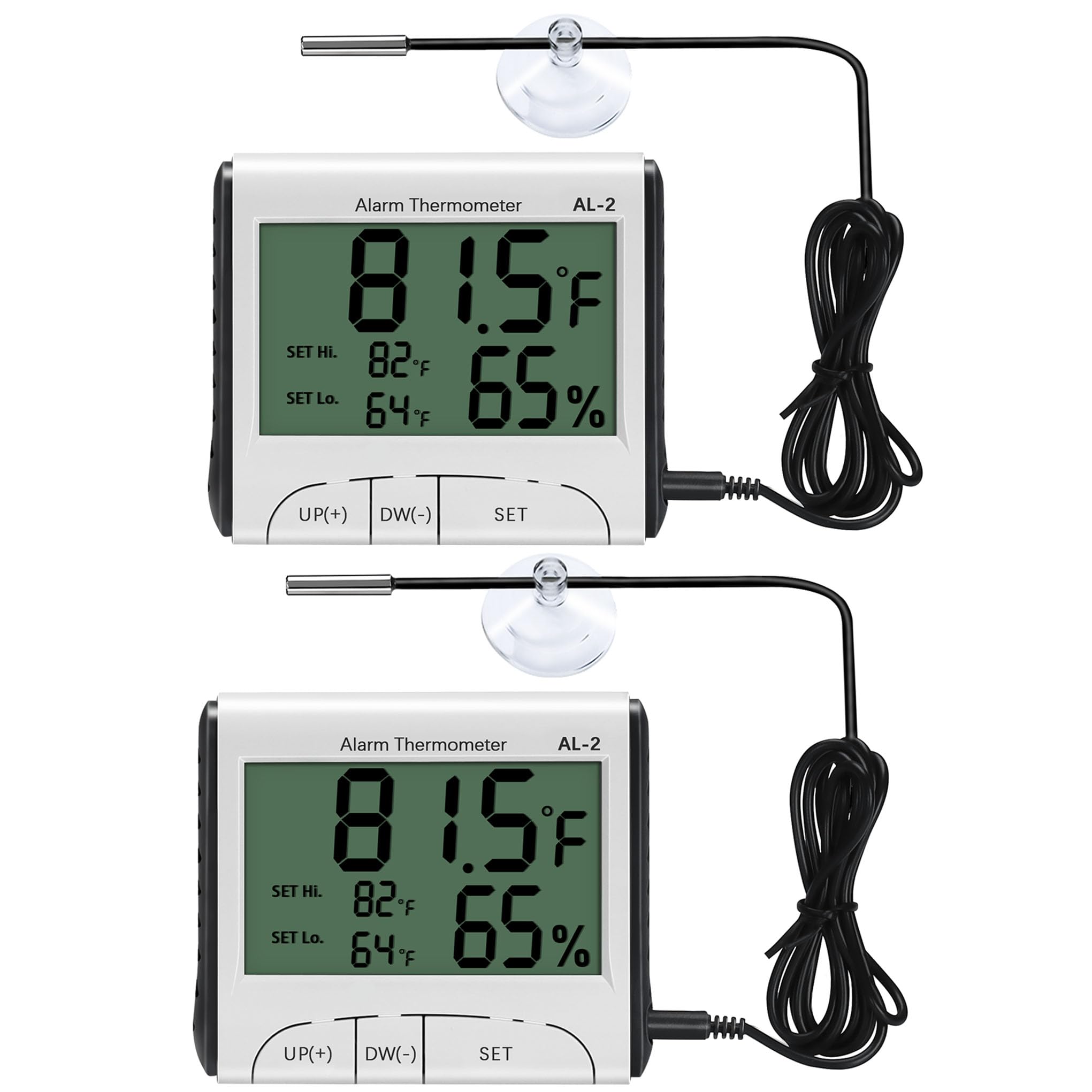
Using Digital Tools And Apps
Digital tools make temperature monitoring easier. Apps can send alerts for abnormal temperature changes.
Consider using a digital thermometer with Bluetooth connectivity. This allows for real-time monitoring via your smartphone.
| Tool | Function |
| Digital Thermometer | Accurate temperature readings |
| Mobile App | Alerts and data logging |
| Heater/Cooler Controller | Automatic temperature adjustment |
Credit: www.amazon.com
Troubleshooting Temperature Issues
Keeping the right temperature in breeding tanks is very important. Fish and other aquatic animals need steady warmth to grow well.
If the temperature changes too much, it can cause problems. This guide helps you find and fix those temperature issues.
Identifying Fluctuations
Temperature can change due to many reasons. You must watch for sudden drops or rises that may hurt your animals.
- Check the heater and thermostat for faults.
- Look for drafts or direct sunlight on the tank.
- Monitor daily temperature with a reliable thermometer.
- Note if water circulation is poor, causing cold or hot spots.
Preventing Stress And Disease
Fish get stressed when temperatures shift too much. Stress can lead to illness and death.
| Temperature Issue | Possible Effect | Prevention |
|---|---|---|
| Too Low | Slowed growth, weak immune system | Use heater, insulate tank |
| Too High | Oxygen shortage, heat stress | Use fans, shade tank |
| Sudden Changes | Shock, disease outbreaks | Check equipment, avoid drafts |
Frequently Asked Questions
Why Is Temperature Important In Breeding Tanks?
Temperature affects fish metabolism, breeding cycles, and egg development. Maintaining ideal temperature ensures healthy offspring and reduces stress.
How Often Should I Monitor Breeding Tank Temperature?
Check temperature daily, especially during breeding season. Frequent monitoring helps detect fluctuations and maintains stable conditions for breeding success.
What Is The Ideal Temperature Range For Breeding Tanks?
Most species thrive between 75°F and 82°F. However, optimal temperature varies by species, so research specific needs before setting your tank.
Can Temperature Fluctuations Harm Breeding Fish?
Yes, sudden changes cause stress, lower fertility, and increase disease risk. Stable temperature is crucial for successful breeding and fish health.
Conclusion
Keeping the right temperature in breeding tanks helps fish stay healthy. It supports eggs and young fish to grow strong. Checking temperature often avoids problems before they start. Small changes can cause big effects on fish health. Use a reliable thermometer and adjust heat as needed.
Careful monitoring makes breeding easier and more successful. It saves time and worry for fish keepers. Simple steps lead to better results in breeding tanks. Keep your fish happy with steady, proper temperature control.