
Are you struggling to keep track of your fish’s behavior and health? Imagine having a simple, effective way to monitor their activity anytime you want.
LED lighting for fish activity monitoring could be the game-changer you need. This technology not only helps you observe your fish clearly but also supports their natural habits without causing stress. You’ll discover how LED lighting can transform the way you care for your aquatic friends and make your monitoring efforts easier and more accurate.
Keep reading to find out how to bring this smart solution into your aquarium or fish farm.
Credit: www.cool-mania.com
Benefits Of Led Lighting
LED lighting plays a key role in monitoring fish activity. It helps create better visibility in water tanks and natural habitats. Using LED lights can improve observation while saving energy.
This lighting type is popular for its many advantages. It supports detailed study of fish behavior and health in various environments.
Energy Efficiency
LED lights use less power than traditional bulbs. This reduces electricity costs and helps protect the environment. Lower energy use means less heat is produced, which is safer for aquatic life.
Enhanced Visibility
LED lighting provides clear and bright light. It shows fish movements and colors more accurately. This helps researchers and hobbyists watch fish activity closely.
- Bright light improves observation
- Colors appear more natural
- Reduces glare and shadows
- Supports video and photo recording
Durability And Longevity
LED lights last longer than other types. They resist water and shocks better. This means fewer replacements and less maintenance over time.
| Feature | Benefit for Fish Monitoring |
| Long lifespan | Less frequent bulb changes |
| Water resistance | Works well in damp or wet places |
| Shock resistance | Durable in rough conditions |
Types Of Led Lighting For Aquatic Environments
LED lighting helps monitor fish activity in tanks and ponds. Different types of LEDs work best for various aquatic needs.
Choosing the right LED lighting can improve fish behavior observation. It also supports a healthy environment for aquatic life.
Full Spectrum Leds
Full spectrum LEDs produce light similar to natural sunlight. They include all colors from red to violet in their range.
This lighting type helps fish show natural colors. It also supports plant growth in aquariums and ponds.
Blue And Actinic Leds
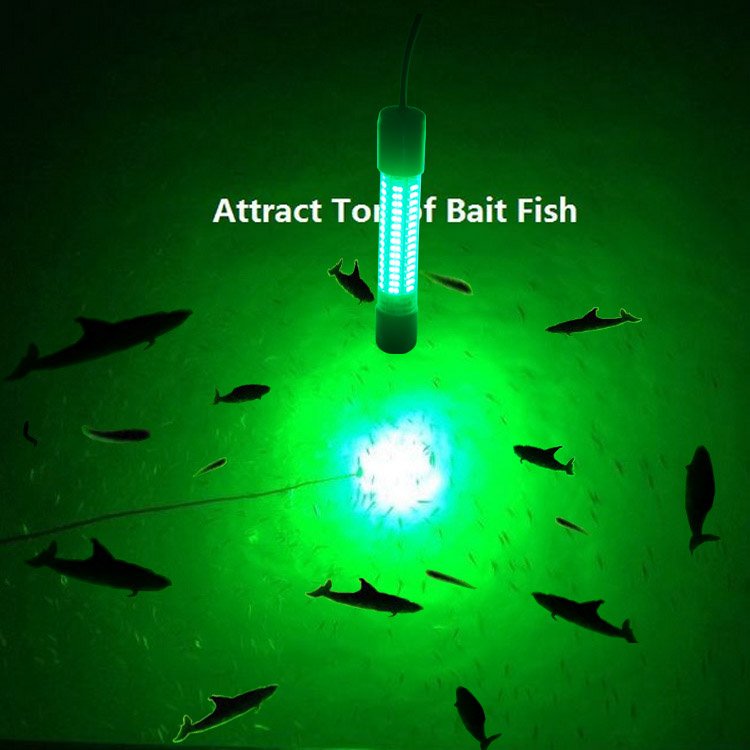
Blue and actinic LEDs emit light in the blue spectrum. They are useful for night viewing and deep water environments.
This lighting enhances fish fluorescence and highlights their activity. It also helps corals and other sea life glow.
- Improve visibility in low light
- Highlight fish colors at night
- Support coral fluorescence
Customizable Color Leds
Customizable color LEDs let users change light colors. This helps simulate different times of day or moods.
These LEDs help observe fish reactions under various light conditions. They also allow for creative aquarium lighting setups.
How Led Lighting Improves Fish Activity Monitoring
LED lighting helps scientists watch fish behavior closely. It gives clear light without disturbing fish.
This lighting type saves energy and lasts longer. It also helps collect better data for study.
Accurate Behavior Tracking
LED lights provide bright and steady light. Fish movements become easier to see and record.
Clear lighting reduces shadows and glare. This helps cameras capture true fish actions.
- Consistent light helps spot small movements
- Better visibility improves behavior analysis
- Steady light avoids false readings from flicker
Reduced Stress On Fish
LED lights produce less heat than other lights. Fish stay calm and act naturally under LED light.
Lower stress means fish show true behavior. This improves the quality of monitoring results.
- Cool light prevents fish overheating
- Soft light reduces sudden brightness changes
- Less disturbance means healthier fish
Improved Data Collection
LED lighting allows long hours of monitoring. It cuts energy use and keeps light stable for data devices.
Stable light helps sensors and cameras work better. Researchers get more accurate and detailed data.
- Energy-efficient light lowers operation costs
- Continuous lighting supports long-term studies
- Better light quality enhances sensor accuracy

Credit: www.amazon.co.uk
Integrating Led Lighting With Monitoring Systems
LED lighting helps track fish activity in tanks and ponds. It works well with monitoring systems to improve observation.
Combining LED lights with sensors and data tools gives a clear view of fish behavior. This integration supports better fish care.
Sensor Compatibility
LED lighting must match the sensors used in the monitoring system. Proper matching ensures accurate fish activity readings.
Common sensors include motion detectors, cameras, and light sensors. Each sensor type works with specific LED light settings.
- Motion sensors detect fish movement with LED lights on or off
- Cameras need LED lights that do not disturb fish
- Light sensors measure ambient and LED light intensity
Automated Lighting Controls
Automated controls adjust LED lights based on fish activity and environment. This helps keep fish comfortable.
Controls can turn lights on or off, change brightness, or switch colors. These actions respond to sensor data in real time.
- Schedule lighting to match natural fish habits
- Adjust brightness to reduce fish stress
- Switch colors to improve visibility without harm
Real-time Data Analysis
Real-time data from sensors helps monitor fish behavior closely. LED lighting affects how well this data is collected.
Data analysis shows patterns like feeding times and rest periods. It helps detect changes that may need action.
- Track fish movement and activity levels
- Identify unusual behavior quickly
- Use data to improve tank or pond conditions
Case Studies And Applications
LED lighting helps monitor fish activity. It is used in different places for observing fish behavior.
These lights are useful in farms, research centers, and public aquariums. Let’s explore these applications.
Aquaculture Farms
Aquaculture farms use LED lighting to watch fish movements. It helps farmers understand feeding patterns.
Proper lighting can improve fish health. It also ensures better growth in fish farms.
- LEDs simulate natural light
- Control fish feeding cycles
- Reduce stress in fish
Research Facilities
Research centers use LED lights for fish studies. It helps in observing fish during experiments.
LEDs give clear visibility. Scientists use them to track fish movements and study behavior.
| Benefit | Explanation |
| Enhanced Observation | Better tracking of fish |
| Data Accuracy | Improved research results |
Aquariums And Public Exhibits
Aquariums use LED lighting to enhance displays. It creates a natural environment for visitors.
LEDs make fish colors vibrant. This attracts more visitors and provides a better learning experience.
- Improves visual appeal
- Highlights fish features
- Educational for visitors
Challenges And Considerations
LED lighting helps track fish activity in water environments. Using LED lights for this purpose has some challenges. It is important to think about many factors before starting.
This guide talks about the main challenges. It focuses on costs, upkeep, and effects on the environment.
Initial Setup Costs
Setting up LED lighting systems can cost more than other lights. The quality of LEDs and sensors adds to the price.
Costs include buying lights, installing them, and setting up monitoring tools. Planning the right amount and type of LEDs is needed.
- High-quality LED lights
- Special sensors for fish activity
- Installation equipment and labor
- Software for data collection
Maintenance Requirements
LED systems need regular checks to keep working well. Dust, dirt, and water can damage parts over time.
Maintenance includes cleaning, replacing broken lights, and updating software. Skilled workers may be needed for repairs.
- Regular cleaning of LED covers
- Checking electrical connections
- Replacing faulty LEDs
- Software updates for monitoring
Environmental Impact
LED lighting affects fish and water ecosystems. Bright lights can change fish behavior and stress them.
Choosing the right light color and intensity helps reduce harm. It is important to monitor how fish react to the lights.
- Use low-intensity lighting
- Pick colors that disturb fish less
- Avoid constant bright lights at night
- Monitor fish behavior regularly
Future Trends In Led Lighting And Fish Monitoring
LED lighting is changing how we monitor fish activity. It offers energy-efficient solutions for better observation.
New technologies are helping fish farmers and researchers. They provide better data for fish health and behavior.
Smart Lighting Systems
Smart lighting systems adjust to the needs of fish habitats. They mimic natural light cycles for healthier fish environments.
- Automatic dimming adjusts light based on time of day
- Color temperature control simulates natural sunlight
- Remote monitoring through mobile apps
Integration With Ai
AI integration helps in analyzing fish behavior patterns. It provides insights into fish health and feeding habits.
Advancements In Led Technology
Recent advancements in LED technology offer better light quality and durability. They are more cost-effective and environment-friendly.
| Feature | Benefit |
| Longer lifespan | Reduces replacement costs |
| Energy efficiency | Lowers electricity bills |
| Adjustable wavelengths | Enhances fish health |
Credit: www.cool-mania.com
Frequently Asked Questions
How Does Led Lighting Improve Fish Activity Monitoring?
LED lighting offers consistent, adjustable illumination that enhances visibility in aquatic environments. It helps detect subtle fish movements and behaviors accurately. LEDs also consume less energy and produce minimal heat, making them ideal for long-term monitoring setups.
What Are The Benefits Of Led Lighting For Fish Behavior Study?
LED lighting provides bright, clear light that reveals detailed fish activity. It enables researchers to observe natural behaviors without disturbing fish. Its energy efficiency and durability reduce operational costs and maintenance in monitoring systems.
Can Led Lighting Affect Fish Health During Monitoring?
Properly calibrated LED lighting mimics natural light conditions, minimizing stress on fish. It avoids excessive heat and harmful UV rays, ensuring a safe environment. Correct LED use supports reliable monitoring without negatively impacting fish well-being.
Which Led Colors Are Best For Fish Activity Observation?
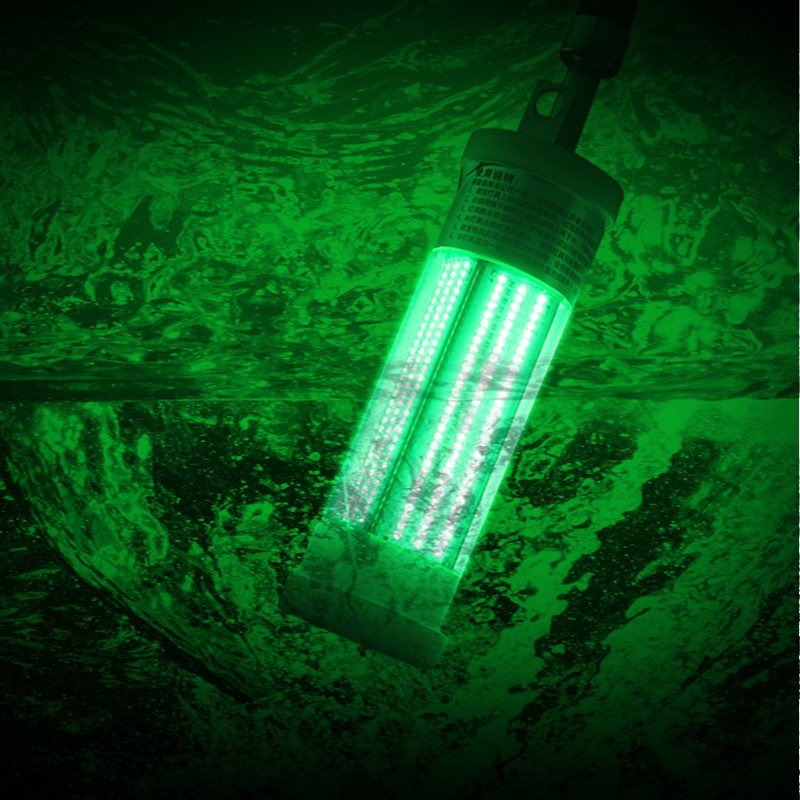
Blue and green LEDs penetrate water effectively and highlight fish movements. These colors cause less stress compared to white light. Selecting appropriate LED wavelengths enhances contrast and clarity for better monitoring results.
Conclusion
LED lighting helps track fish activity clearly and easily. It uses less energy and lasts longer. Fish behavior becomes visible even in dark water. This lighting supports better research and care for fish. It makes monitoring simpler for both experts and hobbyists.
Choosing the right LED lights improves observation results. Fish stay safer, and data is more accurate. LED lighting is a smart choice for fish activity monitoring.