
If you keep Corydoras in your aquarium, you know how important water quality is for their health and happiness. But do you really know the ideal water conditions that make Corydoras thrive?
Getting the water range right can mean the difference between a lively, active fish and one that struggles to survive. You’ll discover the exact water parameters that Corydoras prefer. By understanding these key details, you’ll be able to create the perfect environment for your fish to flourish.
Keep reading to learn how to give your Corydoras the best home possible.

Credit: www.youtube.com
Ideal Temperature Range
Corydoras catfish are sensitive to water temperature. Keeping their tank within the right range helps them stay healthy and active.
Temperature affects their metabolism, breathing, and immune system. It is important to monitor and maintain a stable environment.
Optimal Celsius And Fahrenheit
Corydoras prefer water temperatures between 22°C and 26°C. This range equals 72°F to 79°F. Staying within these limits supports their well-being.
| Temperature Scale | Minimum | Maximum |
|---|---|---|
| Celsius (°C) | 22 | 26 |
| Fahrenheit (°F) | 72 | 79 |
Effects Of Temperature Fluctuations
Sudden changes in temperature can stress Corydoras. Stress lowers their resistance to disease and can reduce their lifespan.
- Rapid drops can cause shock and breathing problems.
- High temperatures reduce oxygen in the water.
- Frequent swings weaken the immune system.
- Stable temperature encourages natural behavior.
Tip:Use a reliable aquarium heater and thermometer. Check water temperature daily.
Water Ph Preferences
Corydoras catfish need specific water conditions to stay healthy. One key factor is the water’s pH level.
The pH level shows how acidic or alkaline the water is. It affects the fish’s health and behavior.
Ideal Ph Levels
Corydoras prefer water that is slightly acidic to neutral. This helps them live comfortably and avoid stress.
The best pH range for most Corydoras species is between 6.0 and 7.5. This range matches their natural habitat.
- pH 6.0 to 7.5 is ideal
- Avoid very acidic water below 6.0
- High alkaline water above 7.5 can cause stress
Handling Ph Variations
Sometimes, water pH can change due to tap water or decorations in the tank. Keep an eye on it regularly.
To adjust pH safely, use natural materials like driftwood or crushed coral. Do changes slowly to avoid shocking the fish.
- Test water pH weekly
- Add driftwood to lower pH
- Add crushed coral to raise pH
- Change water slowly to avoid stress
Water Hardness Requirements
Corydoras catfish need specific water hardness levels to stay healthy. The hardness of water affects their skin, gills, and overall well-being.
Understanding water hardness helps create the best environment for Corydoras. It also supports their natural behavior and lifespan.
Soft Vs Hard Water
Water hardness depends on minerals like calcium and magnesium. Soft water has fewer minerals, while hard water has more.
- Soft water: 0–6 dGH (degrees of General Hardness)
- Medium hardness: 7–12 dGH
- Hard water: 13+ dGH
Corydoras prefer soft to medium water hardness. Hard water can stress them and harm their health over time.
Measuring Gh And Kh
GH (General Hardness) measures total calcium and magnesium. KH (Carbonate Hardness) shows carbonate and bicarbonate levels.
| Measure | Definition | Impact on Corydoras |
| GH | Calcium and magnesium level | Affects body functions and bone strength |
| KH | Carbonate and bicarbonate level | Stabilizes pH to protect fish from sudden changes |
Use test kits to check GH and KH regularly. This keeps water conditions safe and stable for Corydoras.
Ammonia, Nitrite, And Nitrate Levels
Corydoras catfish need clean water to stay healthy. Ammonia, nitrite, and nitrate levels affect their well-being.
These chemicals come from fish waste and uneaten food. Keeping them low helps Corydoras live longer.
Safe Concentration Limits
Ammonia and nitrite are toxic to Corydoras. Both should always be at zero parts per million (ppm).
Nitrate is less harmful but should stay below 20 ppm. Higher nitrate can stress the fish.
| Chemical | Safe Level (ppm) |
|---|---|
| Ammonia | 0 |
| Nitrite | 0 |
| Nitrate | < 20 |
Maintaining Clean Water
Regular water changes keep ammonia and nitrite at zero. Change 20-30% of water weekly.
Use a good filter to remove waste. Test water often to catch problems early.
- Feed Corydoras small amounts to avoid leftover food
- Clean the tank and filter parts monthly
- Use water conditioners to remove chlorine and chloramine
- Check water parameters with test kits weekly
Oxygenation And Water Flow
Corydoras catfish need clean, well-oxygenated water to thrive. Good water flow helps keep oxygen levels steady.
Proper oxygen and water movement also remove waste and support healthy fish behavior.
Preferred Oxygen Levels
Corydoras prefer water with high oxygen content. They use their gills and skin to breathe oxygen from water.
Oxygen levels should be above 5 mg/L to keep them healthy and active.
- Keep dissolved oxygen at 5 mg/L or higher
- Avoid low oxygen caused by overcrowding
- Use air stones or filters to increase oxygen
Best Water Circulation Practices
Corydoras enjoy gentle water flow that mimics their natural habitat. Too strong currents can stress them.
Use filters and pumps that create mild, steady water movement across the tank.
- Use sponge or gentle filters to avoid strong currents
- Position outlets to create soft water flow
- Regular water changes keep flow effective and clean
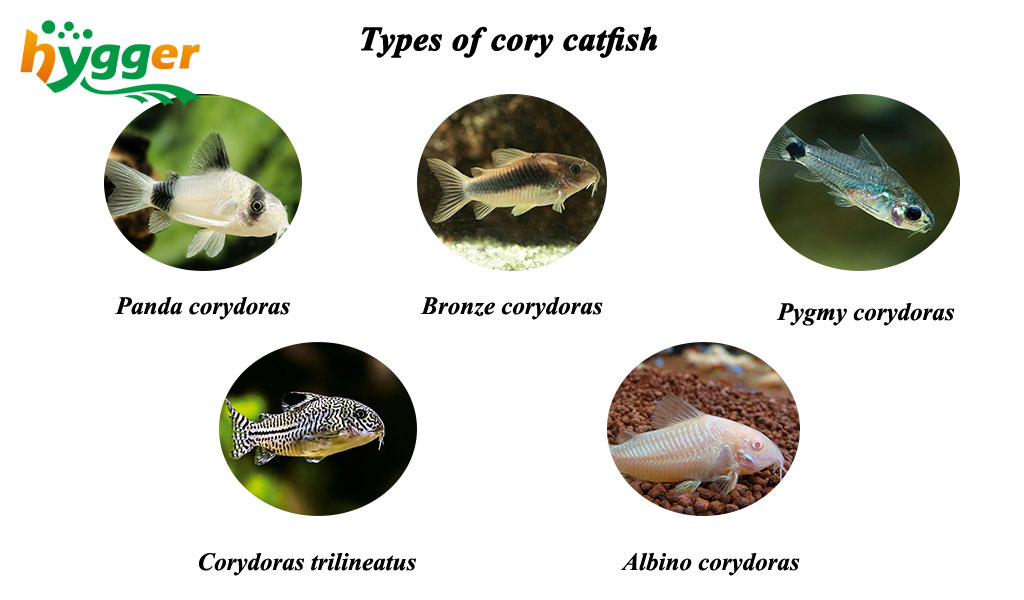
Credit: www.hygger-online.com
Tank Setup Tips
Creating the ideal tank setup for Corydoras is important for their well-being. These fish thrive in environments that mimic their natural habitat.
Understanding the right substrate, plants, and decorations will help you provide a comfortable home for your Corydoras.
Substrate Choices
Corydoras prefer soft, smooth substrates that protect their delicate barbels. Sand is often the best choice for them.
- Avoid sharp gravel to prevent injury
- Consider fine sand for easy burrowing
- Ensure substrate is clean and free from debris
Plants And Decorations
Plants and decorations provide shelter and hiding spots for Corydoras. They feel more secure and less stressed in a well-decorated tank.
| Plant Type | Benefit |
| Anubias | Low light requirement |
| Java Fern | Easy to maintain |
| Amazon Sword | Creates natural shelter |
Common Water Problems
Corydoras are popular freshwater fish. They need specific water conditions. Poor water quality affects their health.
Common water problems include incorrect pH levels and high ammonia. These issues stress the fish and can lead to illness.
Identifying Water Quality Issues
Check for cloudy water or strange smells. These signs indicate poor water quality. Use a water testing kit to check pH, ammonia, and nitrate levels.
Fish behavior also shows water issues. Look for signs like gasping at the surface. These behaviors mean the water may be harmful.
- Cloudy water
- Strange smells
- Fish gasping at the surface
- Use a water testing kit
Quick Fixes For Stressful Conditions
Do a partial water change to remove toxins. This helps improve water quality quickly. Replace 25% of the tank water with fresh, treated water.
Adjust the pH by using pH stabilizers. These products help bring the pH to the right level for Corydoras. Follow the instructions on the product label.
- Partial water change
- Replace 25% of tank water
- Use pH stabilizers
Monitoring Water Parameters
Keeping the water conditions right is key for healthy Corydoras. These fish need stable water to thrive.
Testing water helps spot problems early. You can fix issues before they harm your fish.
Using Test Kits
Test kits show levels of pH, ammonia, nitrites, and nitrates. These are important for Corydoras health.
| Parameter | Preferred Range |
| pH | 6.0 – 7.8 |
| Ammonia (NH3) | 0 ppm |
| Nitrite (NO2) | 0 ppm |
| Nitrate (NO3) | < 20 ppm |
| Temperature | 22°C – 26°C (72°F – 79°F) |
Use test kits regularly to keep these levels safe. Follow the kit instructions carefully for best results.
Frequency Of Testing
Test water often, especially in new tanks. Regular testing helps keep fish safe.
- Test daily during the first two weeks of setup.
- Check twice a week once the tank is stable.
- Test after adding new fish or plants.
- Test after water changes or treatments.
- Increase testing if fish show stress signs.
Adjusting Water Conditions Safely
Changing water conditions for Corydoras fish needs care. Sudden shifts can harm or stress the fish.
It is best to adjust their water slowly to keep them healthy and happy.
Gradual Changes Techniques
Slow water changes help Corydoras adapt to new conditions. Avoid quick switches in temperature or pH.
- Mix new water with tank water before adding it.
- Change only 10-20% of water at a time.
- Test water parameters daily during changes.
- Use a heater to keep temperature steady.
- Wait a few days between each adjustment.
Avoiding Shock To Fish
Shocks can cause stress or illness in Corydoras. Watch for signs like hiding or slow movement.
| Cause | Effect | Prevention |
|---|---|---|
| Sudden temperature change | Stress and illness | Adjust temperature gradually using a heater |
| Rapid pH shift | Gill damage and stress | Mix tank water with new water before adding |
| Large water changes | Shock and weakened immunity | Limit water change to 10-20% at once |

Credit: www.aquariumsource.com
Frequently Asked Questions
What Is The Ideal Temperature For Corydoras Fish?
Corydoras prefer water temperatures between 72°F and 78°F. This range supports their activity and health, mimicking their natural habitat. Maintaining stable temperatures within this range helps reduce stress and disease risks for these bottom-dwelling fish.
What Water Ph Suits Corydoras Best?
Corydoras thrive in slightly acidic to neutral pH, typically between 6. 0 and 7. 5. This pH range matches their native environments. Keeping pH stable within this range ensures optimal health and natural behavior in your aquarium.
How Hard Should Corydoras Water Be?
Corydoras prefer soft to moderately hard water, with general hardness (GH) from 2 to 12 dGH. Water hardness affects their metabolism and breeding. Regular testing and adjustments keep water hardness suitable for their well-being.
Why Is Water Quality Important For Corydoras?
Good water quality prevents stress, illness, and promotes longevity in Corydoras. They need clean, well-filtered water with low ammonia and nitrites. Regular water changes and monitoring ensure a healthy environment for these sensitive fish.
Conclusion
Corydoras fish thrive best in specific water conditions. Keep the water temperature between 72°F and 79°F for comfort. Maintain a pH level near neutral, around 6. 5 to 7. 5. Soft to moderately hard water suits them well. Regular water changes help keep their environment clean and safe.
Watch your water quality closely to avoid stress or illness. Healthy water means happy Corydoras. Remember, simple care makes a big difference in their life. A good water range supports their natural behavior and growth. Keep these tips in mind to enjoy lively, active fish.