
Setting up a breeding tank can feel overwhelming, but having the right kit makes all the difference. Imagine watching your fish thrive and babies grow healthy right before your eyes.
With the right Breeding Tank Setup Kit, you can create the perfect environment your fish need to breed successfully. You’ll discover exactly what to look for, how to set it up easily, and tips to ensure your fish stay safe and happy.
Keep reading to turn your tank into a breeding haven that you and your fish will love.
Choosing The Right Tank
Setting up a breeding tank requires careful choice of the tank. The right tank helps fish breed safely.
Consider size, shape, material, and location for the best results.
Tank Size And Shape
Choose a tank size that fits the number of fish you plan to breed. Too small tanks cause stress.
Shape affects water flow and space for hiding spots. Rectangular tanks often work best.
- Small tanks: 5 to 10 gallons for a few fish
- Medium tanks: 20 gallons for more space
- Rectangular shape offers good surface area
- Taller tanks may limit swimming space
Material Options
Most breeding tanks are made of glass or acrylic. Both have pros and cons.
Glass is clear and scratch-resistant. Acrylic is lighter and stronger but scratches easier.
- Glass tanks are heavier but more durable
- Acrylic tanks are lighter and better insulated
- Check for non-toxic seals and materials
- Choose clear materials to observe fish easily
Location And Placement
Place the breeding tank in a quiet spot with stable temperature. Avoid direct sunlight.
Keep the tank away from loud noises and heavy traffic to reduce stress on fish.
- Use a sturdy, level surface
- Avoid windows and heating vents
- Choose a spot with easy access for maintenance
- Ensure good lighting but not too bright
Essential Equipment
Setting up a breeding tank requires the right equipment to keep fish healthy.
Good tools help maintain water quality and stable conditions for fish breeding.
Filtration Systems
Filtration keeps the water clean by removing waste and harmful substances.
- Use sponge filters to protect baby fish from strong currents.
- Choose filters with gentle water flow to avoid stress on fish.
- Regularly clean filters to keep them working well.
Heaters And Thermometers
Heaters keep the water at the right temperature for fish to breed.
| Equipment | Purpose | Tip |
| Heater | Maintains stable water temperature | Choose adjustable models |
| Thermometer | Monitors water temperature | Place near the heater |
Lighting Setup
Proper lighting helps fish feel safe and encourages breeding behavior.
- Use soft lighting to avoid stressing the fish.
- Keep lights on for 8 to 12 hours daily.
- Turn off lights at night to mimic natural cycles.
Water Parameters
Setting the right water parameters is key for a healthy breeding tank. Proper conditions help fish breed successfully.
Focus on temperature, pH, and water hardness. These factors affect fish health and egg development.
Temperature Control
Keep the water temperature stable to avoid stressing the fish. Most breeding fish prefer warm water between 75°F and 82°F.
- Use a reliable aquarium heater with a thermostat.
- Monitor temperature daily with a thermometer.
- Avoid sudden temperature changes during water changes.
Ph Levels
pH measures how acidic or basic the water is. Most breeding fish thrive in pH between 6.5 and 7.5.
| Fish Type | Ideal pH Range |
|---|---|
| Tetras | 6.0 – 7.0 |
| Livebearers | 7.0 – 7.5 |
| Cichlids | 6.5 – 7.5 |
Water Hardness
Water hardness shows the amount of minerals like calcium in the water. Soft to moderately hard water suits most breeders.
Here is a simple guide to water hardness levels and their effects:
- Soft Water (0-6 dGH):Good for species from soft water habitats.
- Moderate Hardness (7-12 dGH):Fits many community fish and breeders.
- Hard Water (13+ dGH):Needed for some cichlids and livebearers.

Credit: www.amazon.com
Breeding Accessories
Setting up a breeding tank requires special accessories. These tools help fish breed safely and successfully.
Choosing the right accessories makes caring for young fish easier. It also protects eggs and fry from harm.
Spawning Mops And Nets
Spawning mops provide a safe place for fish to lay eggs. They mimic plants and keep eggs from falling.
Nets help gently collect eggs without damaging them. They also separate eggs from adult fish.
- Spawning mops are made of soft yarn or synthetic fibers
- Nets come in fine mesh sizes to protect tiny eggs
- Mops and nets keep eggs clean and safe from predators
Breeding Traps And Dividers
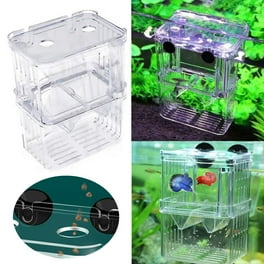
Breeding traps keep adult fish apart after spawning. This prevents them from eating eggs or fry.
Dividers split the tank into sections. They allow different fish to breed safely in one tank.
- Traps are small cages placed inside the tank
- Dividers can be glass or plastic walls
- Both tools help protect young fish from harm
Substrate Choices
Substrate is the material at the bottom of the tank. It affects egg laying and fry survival.
Some fish prefer fine sand or small gravel. Others need plants or moss to hide eggs.
- Sand is soft and good for delicate eggs
- Gravel allows water flow around eggs
- Plant-based substrates give hiding places
Preparing The Tank
Setting up a breeding tank requires careful preparation. A clean and stable environment helps fish breed successfully.
This guide covers cleaning, cycling, and adding plants and decorations to your tank.
Cleaning And Sterilizing
Clean the tank thoroughly before use. This removes dust and harmful chemicals from manufacturing.
Use warm water and a soft cloth or sponge. Avoid soap or detergents, as they can harm fish.
- Rinse the tank with clean water several times
- Use a dilute bleach solution to sterilize if needed
- Rinse well to remove any bleach residue
- Allow the tank to air dry completely before setup
Cycling The Tank
Cycling the tank creates a healthy environment for fish. It builds beneficial bacteria that break down waste.
This process usually takes 4 to 6 weeks. Test water regularly for ammonia, nitrite, and nitrate levels.
- Start with a small amount of fish food or ammonia to feed bacteria
- Test water weekly to track progress
- Wait until ammonia and nitrite are zero before adding fish
- Keep water temperature stable during cycling
Adding Plants And Decorations
Plants and decorations provide hiding places for breeding fish and fry. They also improve water quality.
Choose live plants that are easy to care for. Avoid sharp or rough decorations that can harm fish.
- Use fine-leaved plants like Java moss or Anubias
- Add smooth rocks or driftwood for shelter
- Place decorations securely to avoid tipping
- Keep enough open space for fish to swim
Selecting Breeding Fish
Setting up a breeding tank requires careful selection of fish. Choosing the right breeding fish is crucial for successful breeding.
Consider factors like species compatibility, health, and ability to distinguish male from female when selecting fish for breeding.
Species Compatibility
Not all fish species can breed together. Some fish need specific partners to mate successfully.
Research which species are compatible. This will help avoid aggression and unsuccessful breeding.
- Guppies and mollies are good together
- Cichlids may need solitary breeding
- Tetras often breed in schools
Healthy Breeders
Choose healthy fish for breeding. Sick fish can pass diseases to offspring.
Look for fish that are active, have bright colors, and clear eyes. Healthy fish increase the chances of successful breeding.
| Signs of Health | Signs of Illness |
| Clear eyes | Cloudy eyes |
| Bright colors | Faded colors |
| Active swimming | Erratic swimming |
Sexing Your Fish
Knowing the gender of your fish is important for breeding. Male and female fish often have different features.
Learn to identify these differences. This will help in pairing them correctly for breeding.
- Male guppies are more colorful
- Female mollies are larger
- Male bettas have longer fins
Breeding Process Tips
Setting up a breeding tank can be exciting. It involves careful planning and attention to detail. With the right setup, you can ensure a successful breeding process for your fish.
Understanding the breeding behavior of fish is important. This helps in creating an environment that supports their natural instincts and results in healthy offspring.
Conditioning The Fish
Conditioning fish is about getting them ready to breed. This includes providing high-quality food and maintaining optimal water conditions.
Feed them a varied diet rich in protein. This can include live or frozen foods like brine shrimp or bloodworms.
- Ensure water temperature is stable
- Maintain clean and clear water
- Provide a stress-free environment
Spawning Behavior
Spawning behavior varies among species. It’s important to observe your fish closely during this time.
Some fish build nests, while others scatter eggs. Know the specific needs of your fish species.
- Monitor signs of courtship
- Provide suitable spawning materials or surfaces
- Minimize disturbances in the tank
Egg And Fry Care
After spawning, egg and fry care is crucial. Protect eggs from being eaten by other fish.
Provide a separate tank or use a divider to keep fry safe. Ensure they have enough food to grow healthy.
- Use a gentle sponge filter to avoid harming fry
- Feed fry small, frequent meals
- Monitor water quality closely
Maintaining The Breeding Environment
Keeping a stable environment is key for breeding success. A clean and balanced tank helps fish stay healthy.
Proper care supports egg development and fry growth. It reduces stress and risks of illness.
Regular Water Changes
Change water often to remove waste and toxins. Fresh water improves oxygen and keeps fish comfortable.
Use a siphon to clean the bottom without disturbing eggs. Replace 20-30% of the water weekly or more if needed.
- Remove uneaten food daily
- Use water conditioner to remove chlorine
- Keep water temperature steady
Monitoring Parameters
Check water quality often to keep parameters safe. Fish and eggs need stable pH, temperature, and hardness.
Use test kits to measure ammonia, nitrite, and nitrate levels. Keep ammonia and nitrite at zero for healthy fish.
| Parameter | Ideal Range |
|---|---|
| pH | 6.5 – 7.5 |
| Temperature | 75°F – 80°F (24°C – 27°C) |
| Ammonia | 0 ppm |
| Nitrite | 0 ppm |
| Nitrate | < 20 ppm |
Preventing Diseases
Keep the tank clean to stop diseases. Remove sick fish to protect others.
Do not overfeed to avoid water pollution. Quarantine new fish before adding them to the breeding tank.
- Use a gentle filter to avoid harming fry
- Keep tank decorations clean and safe
- Observe fish daily for signs of illness
Troubleshooting Common Issues
Setting up a breeding tank kit can be easy, but problems can still happen. Knowing how to fix common issues helps keep your fish healthy.
This guide covers common problems like failed spawning, fry mortality, and equipment malfunctions. Learn simple ways to solve them.
Failed Spawning
Fish may not spawn if the environment is not right. Water temperature, lighting, and tank setup all affect spawning success.
Check these points to improve spawning chances:
- Keep water temperature stable and suitable for the species.
- Use proper lighting to mimic natural daylight cycles.
- Provide enough hiding spots and plants for comfort.
- Ensure water is clean and well filtered.
- Avoid stressing the fish with sudden changes or noise.
Fry Mortality
Fry are delicate and need good care to survive. Poor water quality and wrong food cause many deaths.
Follow these tips to reduce fry mortality:
- Keep water clean with regular small changes.
- Feed tiny, frequent meals of suitable fry food.
- Keep fry separate from adult fish to prevent attacks.
- Maintain stable water temperature for growing fry.
- Use gentle filtration to avoid sucking in fry.
Equipment Malfunctions
Equipment problems can harm fish or stop breeding. Filters, heaters, and lights must work well.
Check and fix these common equipment issues:
- Test heaters often to keep the correct temperature.
- Clean filters regularly to maintain water flow.
- Replace bulbs to ensure proper lighting.
- Watch for noises or leaks in equipment.
- Have backup equipment ready for emergencies.
Credit: www.walmart.com

Credit: www.amazon.com
Frequently Asked Questions
What Is Included In A Breeding Tank Setup Kit?
A breeding tank setup kit typically includes a tank, filter, heater, breeding box, and spawning media. These essentials create a safe environment for fish to breed and protect eggs and fry effectively.
How Do I Choose The Right Breeding Tank Size?
Choose a breeding tank size based on the fish species and their breeding habits. Generally, a 10 to 20-gallon tank suits most small to medium fish species.
Can I Use A Regular Tank For Breeding Fish?
Using a regular tank is possible, but a breeding tank setup kit offers specialized equipment. It ensures optimal conditions for egg protection and fry survival.
How Do I Maintain Water Quality In A Breeding Tank?
Maintain water quality by performing regular water changes, using a gentle filter, and monitoring temperature and pH. Stable conditions promote healthy breeding and fry growth.
Conclusion
A good breeding tank setup kit helps fish stay safe and healthy. It makes caring for baby fish easier and less stressful. Choosing the right kit saves time and effort. Clean water, proper plants, and hiding spots are key. Small changes can lead to big success.
Keep learning and adjusting your tank as needed. Breeding fish can be fun and rewarding with the right tools. Start simple, stay patient, and enjoy the process.