
Are you ready to transform your large aquarium into a stunning underwater masterpiece? Aquascaping for large aquariums is more than just arranging plants and decorations—it’s about creating a living work of art that captivates and relaxes.
Whether you want a peaceful natural scene or a bold, dramatic display, this guide will help you design a space that feels alive and vibrant. Keep reading to discover simple tips and expert secrets that will make your aquarium the highlight of any room.
Your dream aquascape is closer than you think.
Choosing The Right Aquarium
Picking the right aquarium is key for aquascaping large tanks. The tank sets the stage for your design and plants.
Consider size, material, and where you place the aquarium. These choices affect your setup and care.
Tank Sizes And Dimensions
Large aquariums come in many sizes. The size you choose affects how much space you need.
Think about the shape and depth. A taller tank allows more vertical plant growth.
- Common large tank sizes: 55, 75, 100 gallons
- Long tanks give more horizontal space for layouts
- Deep tanks need stronger lighting for plants below
Material Options
Glass and acrylic are popular materials. Both have strengths and weaknesses.
Glass is clear and scratch-resistant. Acrylic is lighter and easier to shape.
- Glass tanks are heavier but resist scratches
- Acrylic tanks are lighter and stronger against impacts
- Acrylic may yellow over time without UV protection
Placement Considerations
Place your tank on a flat, strong surface that can hold its weight. Large tanks are very heavy when filled.
Avoid direct sunlight to prevent algae growth. Ensure easy access for maintenance and viewing.
- Check floor strength before placing the tank
- Keep away from windows and heat sources
- Allow space around the tank for equipment and cleaning
Selecting Aquascaping Styles
Aquascaping large aquariums offers many style choices. Choosing the right style helps create a beautiful underwater scene.
Focus on styles that match your space and vision. This guide covers popular styles to inspire your next setup.
Nature-inspired Layouts
Nature-inspired layouts mimic real landscapes. They often feature rocks, wood, and plants arranged like forests or mountains.
- Use driftwood or stones to create natural shapes.
- Choose plants that resemble trees or grass.
- Arrange elements to look like hills or riverbeds.
- Keep the design balanced but not perfectly symmetrical.
Minimalist Designs
Minimalist designs focus on simplicity and clean lines. They use few materials and open space to create calm, elegant aquariums.
| Feature | Description |
| Plants | Few types, often small and simple |
| Hardscape | Minimal rocks or wood, arranged neatly |
| Space | Lots of open water areas |
| Colors | Neutral or soft green tones |
Themed Aquascapes
Themed aquascapes tell a story or create a scene. Themes can be inspired by movies, seasons, or fantasy worlds.
Popular themes include:
- Japanese Zen gardens with stones and moss
- Sunken shipwrecks using driftwood and decorations
- Fantasy landscapes with bright colors and unusual plants
- Seasonal looks like autumn or winter with special plant choices
Essential Equipment And Tools
Aquascaping large aquariums needs the right tools and equipment. These items help plants grow and keep fish healthy.
Good equipment also makes maintenance easier and improves the look of the tank.
Lighting Solutions
Proper lighting helps plants grow well in large aquariums. Plants need enough light to do photosynthesis.
LED lights are popular because they use less energy and last longer. Choose lights that cover the whole tank.
- Full-spectrum LED lights mimic natural sunlight
- Adjustable brightness helps control plant growth
- Timers ensure consistent light periods
Filtration Systems
Filtration keeps the water clean and clear in large tanks. It removes waste and harmful chemicals.
Choose a filter that matches your tank size. Canister filters are strong and quiet for big aquariums.
- Mechanical filters trap debris and particles
- Biological filters use beneficial bacteria to break down waste
- Chemical filters remove toxins and odors
Co2 Injection And Fertilizers
Plants need carbon dioxide (CO2) to grow well. CO2 injection helps plants grow faster and healthier.
Fertilizers add essential nutrients that plants need. Use liquid or substrate fertilizers depending on your plants.
- CO2 systems include tanks, regulators, and diffusers
- Liquid fertilizers provide quick nutrients
- Root tabs supply nutrients directly to plant roots
Choosing Plants For Large Tanks
Plants make large aquariums beautiful and healthy. Choosing the right plants helps your tank look natural.
Different plants fit different parts of the tank. Some grow fast, some are easy for beginners.
Foreground Plants
Foreground plants are small and stay low. They cover the tank floor and create a green carpet effect.
Choose plants that grow slowly and stay short. They should not block the view of other plants.
- Dwarf Hairgrass
- Java Moss
- Marble Queen Anubias (small varieties)
- Cryptocoryne Parva
Midground Plants
Midground plants grow taller than foreground plants. They fill the middle space and add depth.
Look for plants with medium height and interesting shapes. They should not grow too tall fast.
- Anubias Nana
- Java Fern
- Cryptocoryne Wendtii
- Bucephalandra
Background Plants
Background plants are tall and create a backdrop. They hide equipment and fill empty space.
Pick plants that grow tall quickly. They should have wide leaves or tall stems to cover the back.
- Vallisneria
- Amazon Sword
- Water Wisteria
- Hornwort
Fast-growing Vs Slow-growing Species
Fast-growing plants help keep water clean. They absorb more nutrients and stop algae growth.
Slow-growing plants need less trimming. They keep the tank neat but need patience to fill space.
- Fast-growing: Hornwort, Water Wisteria, Vallisneria
- Slow-growing: Anubias, Java Fern, Cryptocoryne
Hardy Plants For Beginners
Hardy plants survive in many conditions. They need less care and grow well in large tanks.
Choose these plants to start your aquascape. They help you learn how to care for your tank.
- Java Fern
- Anubias Nana
- Java Moss
- Amazon Sword
Hardscape Materials And Layout
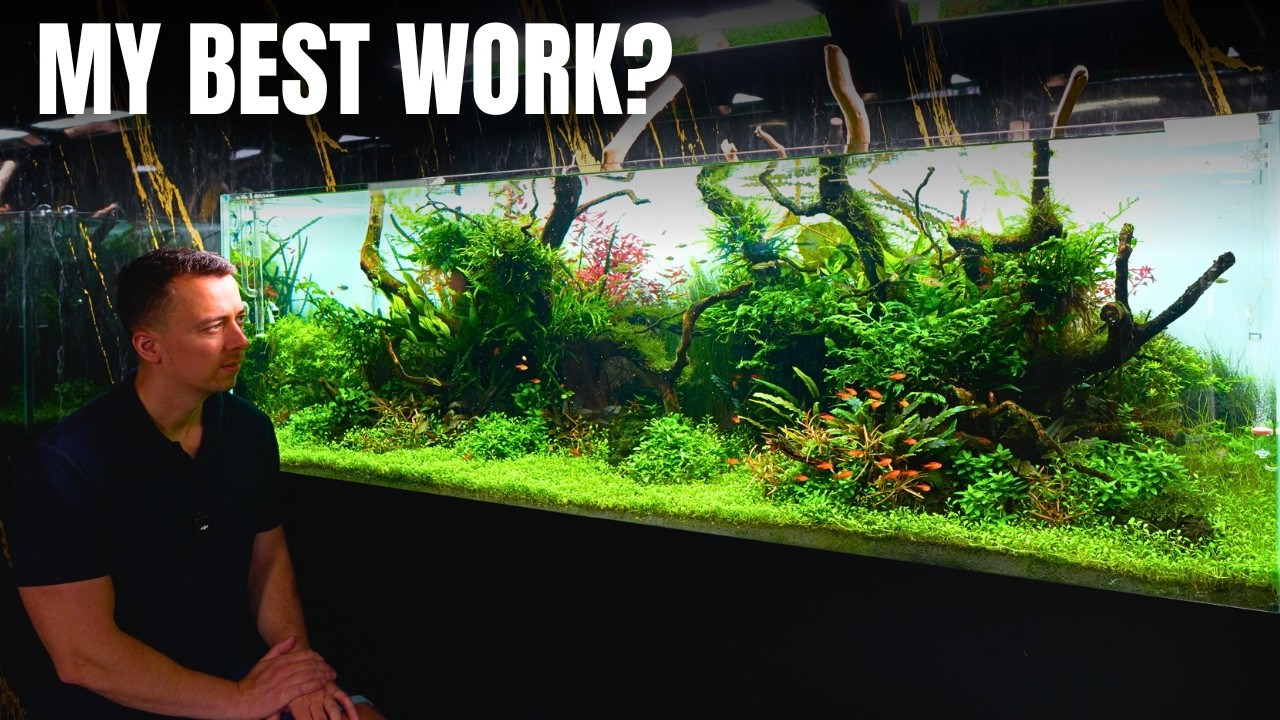
Choosing the right hardscape materials is key for large aquariums. Rocks and wood create the main structure and style. Their arrangement affects the tank’s appearance and fish behavior.
Good layout adds depth and interest. Secure placement keeps the design safe and stable over time. Let’s explore important elements for a successful hardscape.
Types Of Rocks And Wood
Rocks come in many shapes and textures. Popular types include slate, lava rock, and quartz. Wood adds natural warmth and complexity. Common choices are driftwood and Malaysian wood.
- Slate: flat and smooth, good for stacking
- Lava rock: porous, great for beneficial bacteria
- Quartz: shiny and decorative
- Driftwood: natural look, often twisted shapes
- Malaysian wood: dark color, heavy and durable
Creating Depth And Layers
Depth makes your aquarium look bigger and more natural. Use different heights and sizes of rocks and wood. Place taller pieces in the back and smaller ones in front.
| Technique | Effect |
| Stacking rocks | Builds height and texture |
| Layering wood | Adds shadow and interest |
| Spacing elements | Creates open areas for swimming |
| Using slopes | Makes the tank feel deeper |
Securing Hardscape Elements
Hardscape pieces must stay in place to avoid damage. Use aquarium-safe glue or silicone. Heavy rocks can be wedged tightly or anchored with stainless steel rods.
Tips to secure your hardscape:
- Test stability before adding water
- Place heavier items at the bottom
- Use mesh or nets to hold loose wood
- Check regularly for shifts or loosened parts
Credit: www.youtube.com
Planting Techniques
Creating a thriving aquascape in large aquariums requires careful planning. Planting techniques are crucial for a healthy aquatic environment.
Understanding substrate preparation, planting patterns, and plant health maintenance will lead to beautiful aquascapes.
Substrate Preparation
Substrate is the foundation of your aquascape. It provides nutrients and anchors plants. Proper preparation ensures robust plant growth.
| Substrate Type | Benefits |
| Aquasoil | Rich in nutrients, supports plant roots |
| Sand | Good for aesthetics, limited nutrients |
| Gravel | Stable, allows water flow |
Planting Patterns
Patterns affect how your aquascape looks. Use a mix of heights and textures for a natural feel. Consider plant placement carefully.
- Foreground plants: Use low-growing species.
- Midground plants: Medium height for balance.
- Background plants: Tall species to frame the scene.
Maintaining Plant Health
Healthy plants need regular care. Monitor water quality, light, and nutrients. Address issues quickly to keep plants thriving.
Fish And Inhabitants Selection
Creating a balanced aquascape for large aquariums requires careful selection of fish and other inhabitants. The right choices ensure a harmonious environment that thrives.
Understanding which species live well together, managing bioload, and considering behavior and aesthetics are key. This will help maintain a healthy and visually pleasing aquarium.
Compatible Species For Large Tanks
Large tanks provide opportunities to house diverse fish species. Compatibility ensures that the fish live peacefully without stress or aggression.
- Tetras and Barbs coexist well in large schools.
- Cichlids can be territorial but thrive with enough space.
- Catfish like Plecos help clean the tank and are non-aggressive.
Balancing Bioload
Bioload refers to the waste produced by the aquarium’s inhabitants. A balanced bioload is crucial to maintain water quality and the health of the tank.
Choose fish that contribute to the ecosystem without overwhelming the tank’s filtration system. Regular maintenance helps manage the bioload effectively.
Behavior And Aesthetics
Fish behavior impacts the overall look of your aquarium. Active fish create dynamic scenes, while calm species provide a soothing effect.
Consider the colors and patterns of the fish to enhance the aesthetic appeal. This creates a visually stunning aquascape that captivates viewers.

Credit: www.reddit.com
Maintenance And Care Tips
Large aquariums with aquascaping need regular care. Proper maintenance keeps plants and fish healthy.
Following simple tips helps your aquarium look beautiful and last longer.
Water Changes And Testing
Changing water often keeps the tank clean and safe for plants and fish. Test water to check its quality.
Test for pH, ammonia, nitrites, and nitrates. Keep these levels balanced for a healthy tank.
- Change 20-30% of water weekly
- Use a water conditioner to remove chlorine
- Test water before and after changes
- Keep water temperature stable
Algae Control
Algae can grow quickly and harm your plants. Control algae by keeping light and nutrients balanced.
Remove algae manually and use algae-eating fish or snails if possible.
- Limit aquarium light to 8-10 hours daily
- Avoid overfeeding fish to reduce waste
- Clean tank glass and decorations regularly
- Add algae-eating species for natural control
Trimming And Pruning Plants
Trim plants to keep them healthy and look good. Prune dead or overgrown parts often.
Regular trimming helps plants grow better and stops them from blocking light.
- Use sharp scissors for clean cuts
- Remove dead leaves and stems
- Trim fast-growing plants weekly
- Replant cuttings to fill empty spaces
Troubleshooting Common Issues
Large aquariums with aquascapes need regular care to stay healthy. Problems can arise from algae, plant health, or equipment. Fixing these quickly keeps your aquarium balanced and beautiful.
Below are common issues and simple ways to troubleshoot them. Understanding these problems helps you maintain a thriving aquatic environment.
Dealing With Algae Blooms
Algae can grow fast and cover your plants and decorations. It happens if light, nutrients, or water quality are not right. Controlling algae keeps your aquarium clear and plants healthy.
- Reduce daily light exposure to 6-8 hours
- Check and lower excess nutrients in water
- Use algae-eating fish or snails carefully
- Clean glass and decorations regularly
- Do partial water changes weekly
Plant Nutrient Deficiencies
Plants need nutrients like nitrogen, potassium, and iron. Lack of these causes yellow leaves, holes, or slow growth. Correcting deficiencies improves plant color and health.
| Nutrient | Deficiency Signs | Fix |
| Nitrogen | Yellowing leaves, slow growth | Add nitrogen fertilizer |
| Potassium | Brown spots, leaf edges die | Use potassium supplements |
| Iron | Pale new leaves | Apply iron chelates |
| Phosphorus | Dark green leaves, poor root | Use phosphorus fertilizer |
Equipment Malfunctions
Equipment like filters, heaters, and lights must work well. Failures can stress fish and plants. Watch for unusual noises or temperature changes.
- Filter is running and water flows properly
- Heater keeps water at the correct temperature
- Lighting is on schedule and bulbs work
- CO2 system (if used) delivers steady gas
- Air pumps provide enough oxygen
Inspiring Large Aquarium Designs
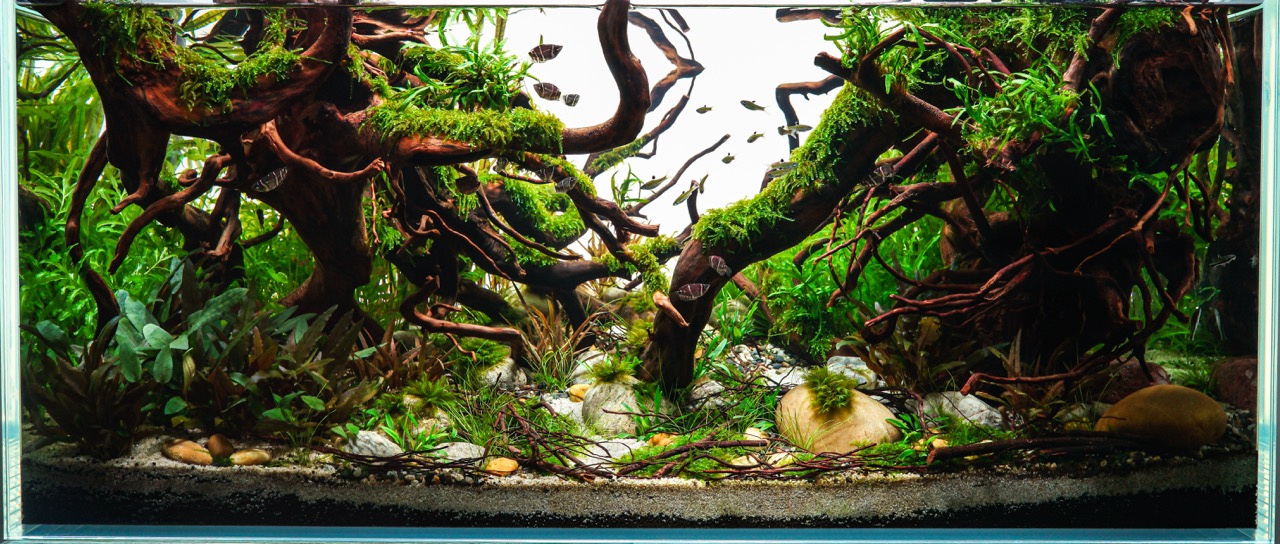
Large aquariums offer a great chance to create stunning underwater scenes. You can use many plants, rocks, and decorations to build a natural look.
Planning a big aquarium needs ideas that fit the space well. Let’s explore popular layouts and design tips to inspire your next project.
Popular Layout Examples
Many aquascapers choose classic designs for large tanks. These layouts help keep the aquarium balanced and pleasing to the eye.
- Nature style: Uses driftwood and stones to mimic a forest or riverbed.
- Mountain style: Features tall rock formations as focal points.
- Island style: Creates a raised area of plants or stones in the center.
- Dutch style: Focuses on rows of colorful plants for a garden look.
Creative Use Of Space
Large tanks allow room for creative layouts. You can layer plants and decorations to add depth and interest.
| Technique | Description |
| Layering | Place taller plants at the back and shorter ones in front. |
| Negative space | Leave open areas to highlight key features. |
| Height variation | Use rocks or wood to build different levels. |
| Color contrast | Mix green plants with red or yellow for visual appeal. |
Incorporating Unique Features
Adding special elements can make your aquarium stand out. Unique features bring life and character to the tank.
- Use LED lighting with color changes for mood effects.
- Add caves or tunnels for fish to explore.
- Include floating plants for a natural surface look.
- Install CO2 systems for healthy plant growth.
Credit: www.practicalfishkeeping.co.uk
Frequently Asked Questions
What Are The Best Plants For Large Aquariums?
The best plants for large aquariums include Amazon swords, Java ferns, and Anubias. These plants thrive in spacious tanks, grow well under various light conditions, and provide excellent coverage and aesthetics for large aquascapes.
How To Design A Balanced Aquascape In Big Tanks?
To design a balanced aquascape in large tanks, plan your layout with focal points and varying plant heights. Use hardscape elements like rocks and driftwood for structure and ensure proper lighting and filtration for plant health.
What Equipment Is Essential For Large Aquarium Aquascaping?
Essential equipment includes high-quality LED lighting, efficient filtration systems, CO2 injection, and substrate suitable for aquatic plants. These tools support plant growth, maintain water quality, and create a thriving environment in large aquariums.
How Often Should Maintenance Be Done In Large Aquascapes?
Maintenance should be done weekly to biweekly. Tasks include trimming plants, cleaning algae, checking water parameters, and replacing water. Regular upkeep ensures a healthy, visually appealing aquascape in large aquariums.
Conclusion
Creating a beautiful large aquarium takes time and care. Choosing the right plants and decorations helps your fish feel at home. Keep your layout balanced and natural for the best look. Regular cleaning and maintenance keep the tank healthy and clear.
Enjoy watching your aquascape grow and change over time. Each step you take makes your underwater world more special. Aquascaping brings peace and beauty to any room. Try different ideas and see what works best for you. Your large aquarium can become a stunning focal point in your space.