
Are you struggling to make your schooling fish stand out in your aquarium? The right lighting can change everything.
It brings out vibrant colors, highlights unique patterns, and creates a stunning underwater display that catches every eye. If you want your fish to look their best and transform your tank into a mesmerizing scene, understanding how to use lighting effectively is key.
Keep reading, and you’ll discover simple tips that make your schooling fish patterns come alive like never before.
Choosing The Right Light Spectrum
Lighting is very important for schooling fish patterns. The right light helps fish show their best colors. It also keeps them calm and active.
Choosing the correct light spectrum means picking the right colors of light. This helps fish look natural and behave well in the tank.
Effects Of Blue And White Light
Blue light makes fish colors look bright and clear. It also creates a calm water effect that fish like. White light shows the true colors of fish well.
Using both blue and white light together helps fish look healthy. It also helps you see their natural patterns better.
- Blue light enhances fish colors
- White light shows details clearly
- Combination creates natural water look
- Supports fish activity and comfort
Benefits Of Full Spectrum Lighting
Full spectrum lights include all colors of light. They mimic natural sunlight well. This helps fish stay healthy and active.
Full spectrum lighting also helps plants grow in the tank. Healthy plants improve water quality for the fish.
- Mimics natural sunlight
- Keeps fish healthy and active
- Supports plant growth
- Improves tank environment
Avoiding Overly Intense Illumination
Too much light can stress schooling fish. Bright lights can make fish hide or act strange. It is important to keep light levels moderate.
Use dimmers or timers to control light. This helps fish feel safe and keeps their colors natural.
- High light stress fish
- Fish may hide or stop swimming
- Use dimmers to reduce brightness
- Set timers for regular light cycles
Light Intensity And Duration
Lighting plays a key role in schooling fish behavior. The right light helps fish feel safe and active.
Both the brightness and how long lights stay on affect fish health and patterns.
Optimal Brightness Levels
Schooling fish need moderate light. Too bright light can scare them. Too dim light makes them less active.
- Use light levels between 300 and 500 lux
- Avoid sudden bright flashes
- Adjust brightness based on fish species
- Use diffused lighting to reduce glare
Setting Day And Night Cycles
Fish follow natural day and night rhythms. Lights should mimic these cycles to keep fish healthy.
| Time | Light Duration |
| Morning | 2 hours of gradual brightening |
| Day | 10 to 12 hours of steady light |
| Evening | 2 hours of dimming light |
| Night | 10 to 12 hours of darkness |
Impact On Fish Stress And Activity
Light affects fish stress and activity levels. Proper lighting keeps fish calm and active.
Signs of stress from poor lighting include:
- Hiding more than usual
- Loss of schooling behavior
- Reduced feeding
- Increased aggression
Positioning Lights For Best Visibility
Good lighting helps you see schooling fish clearly. It also shows their natural movements well.
Choosing the right light position reduces glare and shadows. This makes fish patterns easier to study.
Top Vs Side Lighting Techniques
Top lighting shines light down from above. Side lighting comes from the tank’s side.
- Top lighting shows fish colors well.
- Side lighting highlights fish shapes and movements.
- Side lights create soft shadows that add depth.
- Top lights give even brightness across the tank.
Reducing Glare And Shadows
Glare and harsh shadows make fish hard to see. You can reduce these with the right setup.
| Method | Effect |
| Use diffused light covers | Softens light, cuts glare |
| Adjust light angle | Minimizes strong shadows |
| Lower light intensity | Prevents bright spots |
| Place lights away from glass | Reduces reflection |
Enhancing Natural Swimming Patterns
Fish swim best in natural light conditions. Light positioning can help mimic this.
Try these tips for natural swimming patterns:
- Use soft lighting instead of bright, direct beams.
- Place lights to avoid startling fish with sudden brightness.
- Keep light duration similar to daylight hours.
- Mix top and side lighting to imitate sunlight angles.
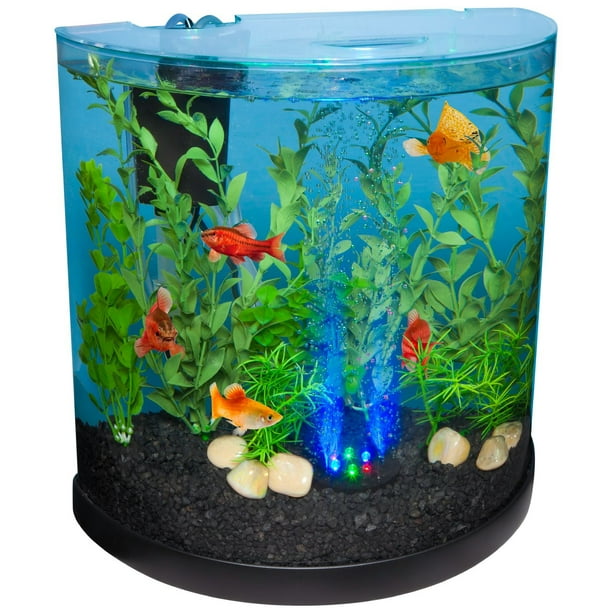
Credit: www.walmart.ca
Using Lighting To Influence Behavior
Lighting plays an important role in how schooling fish behave. The right light can guide fish to swim together or act calmly.
Changing light levels and colors can help fish feel safe and respond naturally in their environment.
Encouraging Schooling And Grouping
Soft, even lighting helps fish see each other clearly. This makes them swim in groups more easily.
Lower light levels reduce stress and encourage fish to stay close together for safety.
- Use dim, steady light to promote grouping
- Avoid harsh or flickering lights that scare fish
- Blue or white light helps fish recognize each other
Stimulating Feeding Responses
Bright light can trigger fish to look for food. It mimics daylight when fish usually feed.
Changing light intensity slowly helps fish feel safe and ready to eat.
- Use brighter light during feeding times
- Keep light steady to avoid startling fish
- Warm light colors can increase feeding activity
Minimizing Aggression Through Light
Dim or soft lighting helps calm fish and reduce fights. Bright lights can cause stress and aggression.
Even lighting without sharp shadows makes fish less likely to attack each other.
- Use low light levels to keep peace in tanks
- Avoid sudden light changes that upset fish
- Soft blue or green lights create a calm environment
Customizing Lighting For Different Species
Lighting plays a key role in keeping schooling fish healthy and active. Different species need different light settings. Adjusting lighting can help fish show natural behaviors and colors.
Knowing how to change light intensity and timing helps create the best environment. This guide covers tropical versus cold water fish, nocturnal species, and how fish size and color affect lighting needs.
Tropical Vs Cold Water Fish Needs
Tropical fish usually need brighter and warmer light. This simulates their natural sunlight in the tropics. Cold water fish prefer cooler, softer light. This mimics cloudy or shaded habitats.
| Fish Type | Light Intensity | Color Temperature | Lighting Duration |
|---|---|---|---|
| Tropical Fish | High | 6500K – 8000K (warm) | 10-12 hours |
| Cold Water Fish | Low to Medium | 5000K – 6500K (cool) | 8-10 hours |
Adaptations For Nocturnal Species
Nocturnal fish are active at night and rest during the day. Bright lights can stress them. Use dim or red lighting in tanks with nocturnal fish. This helps them feel safe and behave naturally.
- Provide low light during daytime
- Use red or blue LED lights for night viewing
- Keep light cycles consistent to avoid stress
- Place hiding spots to reduce light exposure
Adjusting For Fish Size And Color
Small fish need softer light to avoid stress. Larger fish can handle brighter light. Color also matters. Bright colors need balanced light to stand out. Dull colors need more light to show well.
| Fish Size | Recommended Light Intensity | Color Enhancement Tips |
|---|---|---|
| Small | Low to Medium | Use diffuse lighting to reduce glare |
| Medium | Medium | Use full-spectrum lights for natural colors |
| Large | High | Use spotlighting to highlight patterns |
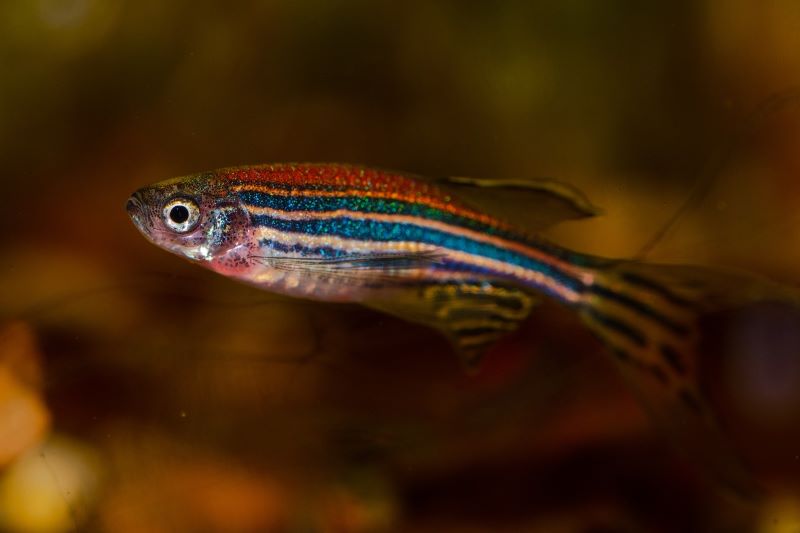
Credit: earthsky.org
Maintaining Lighting Equipment
Proper lighting is crucial for schooling fish patterns. Maintaining lighting equipment ensures that fish thrive. This guide will help you keep your lighting in top shape.
Cleaning And Replacing Bulbs
Cleaning bulbs keeps light clear and bright. Dust and dirt can dim the light over time. Clean bulbs regularly to maintain brightness.
Replace bulbs when they start flickering. Old bulbs may not provide the right light spectrum. This can affect the fish’s natural behavior.
- Turn off the power before cleaning
- Use a soft cloth to wipe bulbs
- Check bulb compatibility before replacing
Energy Efficiency Tips
Energy-efficient lighting saves money and helps the environment. Use LED bulbs as they use less energy and last longer.
Consider using timers to control light duration. This helps mimic natural light cycles and reduces energy use.
- Choose LED bulbs for efficiency
- Set timers to reduce waste
- Check for energy-saving certifications
Troubleshooting Common Issues
Sometimes, lights may not work as expected. Flickering or dimming can be common issues. Troubleshoot to find the problem and fix it.
Check connections if lights flicker. Loose wires can cause problems. Ensure all parts are secure and in place.
- Inspect connections for loose wires
- Test the outlet with another device
- Consult a professional if issues persist

Credit: www.completekoi.com
Frequently Asked Questions
What Is The Best Lighting For Schooling Fish Patterns?
The best lighting enhances fish colors and movement. Soft, natural LED lights mimic daylight and highlight patterns. Avoid harsh lights that stress fish or distort colors.
How Does Lighting Affect Schooling Fish Behavior?
Proper lighting encourages natural swimming and schooling. It reduces stress and promotes healthy interaction. Dim or inconsistent lighting can cause erratic behavior and hiding.
Can Lighting Improve Visibility Of Schooling Fish?
Yes, correct lighting boosts visibility by reducing glare and shadows. It helps viewers see intricate patterns and group formations clearly. Balanced light intensity is key.
What Color Temperature Suits Schooling Fish Tanks?
A color temperature between 5000K to 7000K suits most schooling fish. This range replicates natural daylight, enhancing fish colors and tank aesthetics without overwhelming brightness.
Conclusion
Choosing the right lighting helps highlight schooling fish patterns clearly. Soft, even light shows their shapes and movements best. Bright or harsh lights can scare fish and hide details. Use natural colors to keep the scene calm and real. Good lighting makes watching fish more fun and relaxing.
Try different lights to see what suits your tank. Small changes can bring big differences. Enjoy the beauty of schooling fish with the perfect glow. Keep experimenting and learn what works for your setup.