
Setting up a fish tank can be exciting, but adding dimmable lights takes it to the next level. Imagine creating the perfect mood for your aquatic friends while making your tank look stunning day and night.
With the right lighting, you control not just brightness but also the atmosphere, helping your fish feel calm and vibrant. If you want a simple way to improve your fish tank’s look and keep your fish happy, this guide on fish tank setup with dimmable lights is just for you.
Keep reading to discover easy tips and tricks that will transform your aquarium into a beautiful, glowing underwater world.
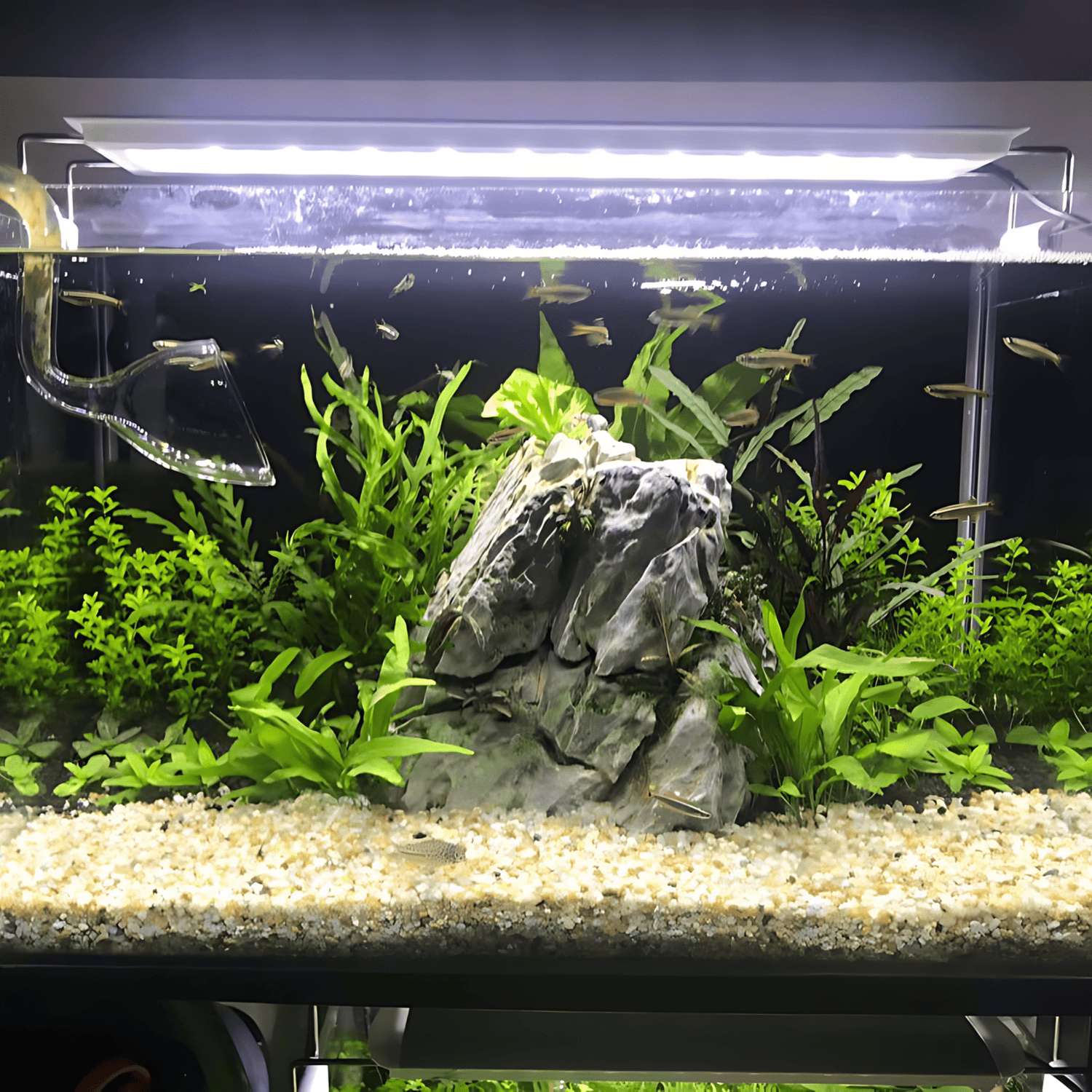
Credit: aquascapeshop.com
Choosing The Right Aquarium
Setting up a fish tank with dimmable lights starts with picking the right aquarium. The tank must fit your space and fish needs.
Consider the size, shape, and material of the tank. Placement also affects your fish’s health and your room’s look.
Tank Sizes And Shapes
Choose a tank size that suits the number and size of your fish. Bigger tanks are easier to keep stable.
Different shapes affect water flow and space use. Rectangular tanks are common and fit well in rooms.
- Small tanks (5-10 gallons) fit small spaces and few fish
- Medium tanks (20-40 gallons) allow more fish and plants
- Large tanks (50+ gallons) offer stable environments for many fish
- Rectangular tanks save space and offer good viewing
- Cylindrical or bowl shapes look unique but limit swimming space
Material Options
Glass and acrylic are the main materials for aquariums. Each has advantages and care needs.
Glass is scratch-resistant and clear. Acrylic is lighter and more impact-resistant but scratches easier.
- Glass tanks are heavier but less prone to scratches
- Acrylic tanks are lighter and can be shaped differently
- Check for quality seals to prevent leaks
- Consider your budget and tank location for material choice
Placement Tips
Place your aquarium in a stable spot away from direct sunlight. This helps control algae and temperature.
Ensure the surface can support the tank’s weight when full. Avoid high traffic areas to reduce stress on fish.
- Keep tank away from windows and heaters
- Use a sturdy stand or table made for aquariums
- Place near power outlets for dimmable lights and filters
- Allow space around the tank for maintenance and decoration

Credit: www.amazon.com
Selecting Dimmable Lighting
Setting up a fish tank with the right lighting helps fish and plants stay healthy. Dimmable lights give you control over brightness levels.
Choosing the right dimmable lighting can improve your aquarium’s look and create a natural environment.
Types Of Aquarium Lights
There are different lights for aquariums. Each type works well with dimmers and offers unique benefits.
- LED lights use less power and last long.
- Fluorescent lights give soft light but use more energy.
- CFL bulbs are compact and bright but get hot.
- Halogen lights are very bright but not energy-friendly.
Benefits Of Dimmable Features
Dimmable lights let you change brightness anytime. This helps mimic natural light cycles for fish and plants.
Lower light levels can reduce stress in fish and help plants grow better.
- Control light intensity to match day and night.
- Create calm environments for shy or nocturnal fish.
- Adjust light for plant types that need less or more light.
- Extend bulb life by using lower brightness settings.
Energy Efficiency Considerations
Dimmable LED lights save energy by using only needed power. This lowers electricity bills.
Using dimmable lights helps reduce heat, which keeps water temperature stable.
- Choose LED dimmable lights for best energy savings.
- Lower brightness reduces power use and heat.
- Energy-efficient lighting supports longer bulb life.
- Smart dimmers can automate light schedules for savings.
Setting Up The Lighting System
Good lighting is key for a healthy fish tank. It helps plants grow and shows the fish clearly. Dimmable lights give control over brightness and timing.
This guide covers how to install lights, connect dimmers, and stay safe during setup. Follow these steps for a great lighting system.
Installing Light Fixtures
Choose light fixtures that fit your tank size and type. Most come with mounting brackets or stands. Place lights evenly to avoid dark spots.
- Clean the tank top before installation
- Attach fixtures firmly to avoid falling
- Position lights to cover the whole tank
- Check the manufacturer’s instructions
Connecting Dimmers And Controllers
Dimmers help adjust light brightness. Controllers allow setting schedules for day and night cycles. Connect them carefully to avoid damage.
| Device | Connection Type | Purpose |
| Light Fixture | Power Cord | Provides light |
| Dimmer | Inline with Power Cord | Adjusts brightness |
| Controller | Connected to Dimmer | Automates light schedule |
Safety Precautions
Water and electricity can be dangerous. Take safety steps to protect yourself and your fish tank.
- Unplug all devices before installation
- Use waterproof covers for plugs and cords
- Keep cords away from water splashes
- Check for damaged wires or parts
- Do not overload power outlets
Creating The Perfect Light Cycle
Setting the right light cycle is key for a healthy fish tank. It helps fish feel safe and plants grow well.
Dimmable lights let you control brightness and timing easily. This guide shows how to set up your tank lighting.
Simulating Natural Daylight
Fish and plants do best with light that mimics the sun. Using warm and cool light tones can create a natural feel.
- Use full-spectrum LED lights for balanced color.
- Start with soft light in the morning.
- Increase brightness to midday levels.
- End with gentle light in the evening.
Adjusting Brightness Levels
Dimmable lights allow you to change brightness smoothly. Adjusting light helps reduce stress for fish.
| Brightness Level | Best Time | Effect |
| Low (10-30%) | Early Morning, Late Evening | Calms fish, simulates dawn and dusk |
| Medium (40-70%) | Morning, Late Afternoon | Supports moderate plant photosynthesis |
| High (80-100%) | Midday | Boosts plant growth, shows tank colors |
Timing And Automation
Using timers or smart controllers helps keep a steady light cycle. Automation removes guesswork.
- Set lights on a 10-12 hour daily schedule.
- Use gradual dimming to mimic sunrise and sunset.
- Adjust timing seasonally if needed.
- Test and observe fish and plant response.
Enhancing Aquarium Aesthetics
Setting up a fish tank with dimmable lights lets you change the look of your aquarium. The right lighting makes the tank more beautiful and relaxing.
Dimmable lights help you control brightness and mood. They can highlight plants, show fish colors, and add depth to the tank.
Highlighting Aquatic Plants
Dimmable lights bring out the best in aquatic plants. You can adjust brightness to show leaf shapes and colors clearly.
- Use medium brightness for green plants to look fresh
- Increase light for red plants to show their vibrant color
- Lower light for shaded plants to mimic natural conditions
- Adjust light angle to avoid shadows on plants
Showcasing Fish Colors
Dimmable lights make fish colors pop. You can choose warmer or cooler light to bring out different shades.
| Fish Type | Best Light Color | Brightness Level |
| Goldfish | Warm white | Medium |
| Betta | Cool white | High |
| Neon Tetra | Blue light | Medium |
| Discus | Soft white | Low to Medium |
Using Light To Create Depth
Use dimmable lights to add depth to your tank. Changing light levels makes the tank look bigger and more natural.
Tips for light depth effect:
- Keep the front brighter than the back
- Use soft shadows to add layers
- Mix light colors for a 3D feel
- Change brightness during the day for natural look
Maintaining Your Fish Tank Lighting
Setting up a fish tank with dimmable lights is exciting. Proper lighting keeps your fish healthy. It’s important to maintain the lighting for the best aquarium experience.
This guide will help you with cleaning, replacing bulbs, and fixing common issues. Keep your fish tank lighting in top condition with these tips.
Cleaning And Upkeep
Regular cleaning of your fish tank lights is essential. Dust and algae can block light, affecting your fish’s environment. Clean the lights gently to avoid damage.
Check for dust and grime weekly. Use a soft cloth to wipe the lights. Avoid using harsh chemicals that can harm your fish.
- Turn off the lights before cleaning
- Use a damp, soft cloth
- Wipe gently to avoid scratches
Replacing Bulbs And Components
Light bulbs in your fish tank need replacement over time. A dim bulb can affect plant growth and fish health. Keep spare bulbs handy for quick replacements.
Check the manufacturer’s guide for the correct bulb type. Replacing bulbs regularly ensures a healthy tank environment. Handle bulbs carefully to prevent breakage.
- Turn off power before replacing bulbs
- Use the recommended bulb type
- Dispose of old bulbs safely
Troubleshooting Common Issues
Sometimes, fish tank lights might flicker or not work. This can stress your fish. Troubleshoot these issues to keep your lighting functional.
Check connections and power sources first. Ensure the dimmer switch is working. If problems persist, consult the manufacturer or a professional.
- Ensure plugs are secure
- Reset the dimmer switch
- Consult a professional for complex issues
Additional Tips For Stunning Aquariums
Creating a stunning aquarium involves more than just fish. Proper lighting and filtration are key. With dimmable lights, you can enhance your fish tank’s appeal.
This guide provides tips on combining lighting with filtration, balancing light and algae growth, and customizing with color effects.
Combining Lighting With Filtration
Lighting and filtration work together to create a healthy environment. Dimmable lights help mimic natural day and night cycles.
- Use a timer to automate light changes.
- Ensure filters are not blocked by lighting fixtures.
- Adjust light intensity to suit your fish species.
Balancing Light And Algae Growth
Excessive light can lead to algae overgrowth. Balance is key for maintaining a clear tank. Dimmable lights allow you to control light levels.
| Lighting Time | Recommended |
| 8-10 hours | Low-light plants |
| 10-12 hours | Medium-light plants |
| 12-14 hours | High-light plants |
Customizing With Color Effects
Color effects add beauty to aquariums. Dimmable lights can change colors to match your decor or highlight specific features.
- Blue lights for a calming effect
- Red lights to highlight fish colors
- Green lights to enhance plant life
Credit: www.walmart.com
Frequently Asked Questions
What Are The Benefits Of Dimmable Lights For Fish Tanks?
Dimmable lights help mimic natural lighting conditions in fish tanks. They reduce stress for fish and plants by adjusting brightness. This creates a healthier aquatic environment and improves overall tank aesthetics.
How Do I Install Dimmable Lights In My Fish Tank?
First, choose dimmable LED lights suitable for aquariums. Mount the lights securely above the tank. Connect the dimmer switch to adjust brightness easily. Follow the manufacturer’s instructions for safe installation.
Can Dimmable Lights Promote Fish Tank Plant Growth?
Yes, dimmable lights provide customizable light intensity. This supports photosynthesis in aquatic plants at various growth stages. Proper lighting enhances plant health and tank oxygen levels.
Are Dimmable Lights Energy-efficient For Aquariums?
Dimmable LED lights consume less power than traditional bulbs. Adjusting brightness saves energy during low-light periods. This reduces electricity costs and extends bulb lifespan.
Conclusion
Setting up a fish tank with dimmable lights creates a calm, natural space. You can adjust light levels to suit your fish’s needs. This helps fish stay healthy and stress-free. Dimmable lights also make your tank look beautiful day and night.
Simple steps can make a big difference in your aquarium’s life. Enjoy watching your fish thrive in their new, gentle environment. A well-lit tank brings joy and peace to any room. Try dimmable lighting for a better fish tank experience.