
Setting up a fish tank for active species can be both exciting and challenging. If you want your lively fish to thrive and show their best colors, you need the right environment.
You might wonder how to create a space where your fish can swim freely, stay healthy, and stay happy. This guide will walk you through simple steps to design the perfect tank that matches your fish’s energy and needs. Keep reading to discover tips that will make your aquarium the vibrant, active world your fish deserve.
Choosing Active Fish Species
Setting up a fish tank with active species brings life and movement. Choosing the right fish makes your aquarium vibrant and interesting. It is important to pick species that fit your tank and lifestyle.
Active fish need space and proper care. Knowing their needs helps you create a healthy environment. Learn about popular active fish, their behavior, and how to keep them together.
Popular Active Fish Options
Many fish species are known for their energy and constant movement. These fish add color and action to your tank. Here are some popular choices for active fish enthusiasts.
- Neon Tetras – small, fast swimmers with bright colors
- Guppies – lively and easy to care for
- Danios – very active and hardy fish
- Rainbowfish – colorful and social species
- Corydoras Catfish – bottom dwellers that move frequently
Compatibility Considerations
Choosing fish that live well together is key. Some active species may stress others or compete for space. Consider tank size and species temperament before adding new fish.
| Fish Species | Compatible With | Not Recommended With |
| Neon Tetras | Guppies, Corydoras | Large aggressive fish |
| Guppies | Danios, Rainbowfish | Fin nippers |
| Danios | Guppies, Corydoras | Slow-moving fish |
| Rainbowfish | Neon Tetras, Guppies | Aggressive species |
| Corydoras Catfish | Most peaceful fish | Large predators |
Behavioral Traits To Note
Active fish show behaviors that affect tank harmony. Knowing these traits helps you plan the setup and care routine. Watch for signs of stress or aggression among your fish.
- Neon Tetras swim in groups and prefer hiding spots.
- Guppies are curious but may nip fins if crowded.
- Danios like to explore the whole tank and need space.
- Rainbowfish are social and need companions of their kind.
- Corydoras rest on the tank bottom and clean leftover food.

Credit: www.reddit.com
Selecting The Right Aquarium
Setting up a fish tank for active species needs careful planning. Choosing the right aquarium affects fish health and activity.
Think about tank size, shape, material, placement, and lighting. These factors create a good home for your fish.
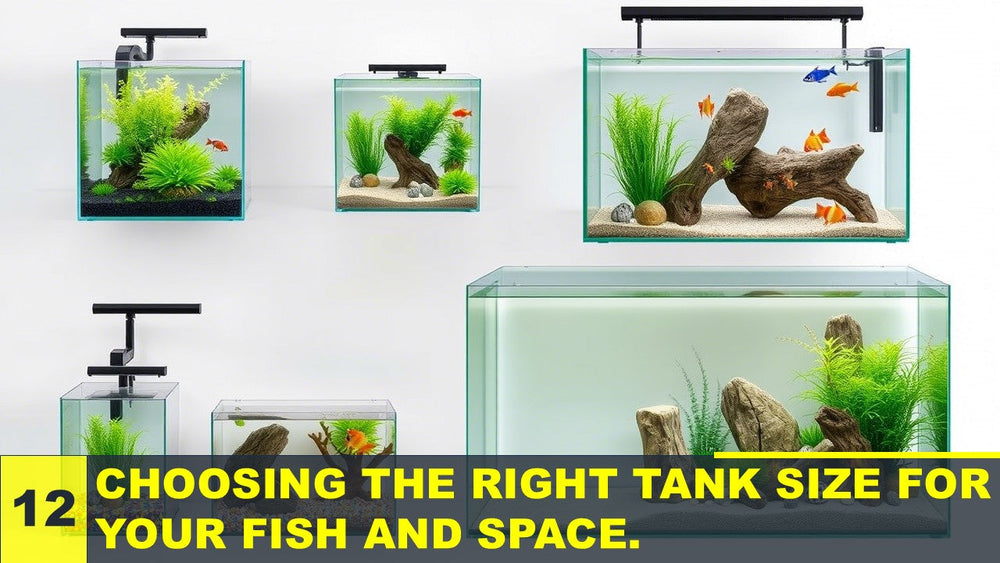
Tank Size Recommendations
Active fish need enough space to swim freely. A small tank can stress them and limit their movement.
- Small active fish need at least 20 gallons
- Medium active species require 30 to 50 gallons
- Large or schooling fish need tanks over 50 gallons
Shape And Material Choices
Shape affects how fish swim and how you arrange decorations. Rectangular tanks offer more surface area and swimming space.
| Material | Pros | Cons |
| Glass | Scratch resistant, clear view | Heavier, breaks easier |
| Acrylic | Lightweight, strong | Scratches easily, can yellow |
Placement And Lighting Needs
Choose a stable spot away from direct sunlight. Sunlight can heat the tank and cause algae growth.
- Use LED lights for energy efficiency
- Provide 8 to 12 hours of light daily
- Simulate natural day and night cycles
Filtration And Aeration Essentials
Setting up a fish tank for active species needs careful planning. Good filtration and aeration keep fish healthy and happy.
Active fish need clean water with enough oxygen. This guide explains the key parts of filtration and aeration.
Types Of Filters For Active Fish
Filters remove waste and harmful chemicals from the water. Choose filters that fit your tank size and fish activity.
Some filters work better for active fish because they keep water clean and moving.
- Hang-on-back (HOB) filters: Easy to use and maintain, good for small to medium tanks.
- Canister filters: Powerful and quiet, ideal for large tanks with many active fish.
- Sponge filters: Provide gentle filtration and air movement, great for fry and small tanks.
- Internal filters: Placed inside the tank, good for extra circulation in smaller setups.
Ensuring Proper Oxygen Levels
Active fish need plenty of oxygen to swim and eat well. Oxygen comes from air and water movement.
Use air stones or pumps to add oxygen. Watch fish behavior for signs of low oxygen.
- Air stones create small bubbles that increase oxygen in water.
- Air pumps push air into the tank to keep water oxygen-rich.
- Live plants help add oxygen during the day.
- Avoid overstocking to keep oxygen levels balanced.
Maintaining Water Flow
Water flow moves oxygen and nutrients around the tank. It also helps remove waste.
Active fish prefer steady water flow. Too strong or too weak flow can stress them.
- Use filters with adjustable flow rates to match fish needs.
- Position filters to avoid strong currents near resting areas.
- Regularly clean filters to keep water flowing well.
- Add powerheads if extra water movement is needed.
Creating The Ideal Habitat
Setting up a fish tank for active species requires careful planning. The habitat must support their lively nature and ensure a healthy environment.
Consider various factors like substrate, plant selection, and space for swimming. This guide will help you create an ideal tank setup.
Substrate And Decoration Tips
The substrate is the foundation of your tank. Choose one that supports plant growth and matches your fish’s natural habitat.
- Sand is suitable for bottom-dwelling fish.
- Gravel allows easy cleaning and plant anchoring.
- Decorate with stones and driftwood to mimic natural environments.
Plant Selection For Active Tanks
Plants provide oxygen and shelter for active fish. Select varieties that thrive in your tank conditions.
| Plant Type | Benefits |
| Anubias | Low maintenance |
| Java Fern | Suitable for low light |
| Hornwort | Fast-growing, good for hiding |
Hiding Spots And Open Swimming Areas
Balance between hiding spots and open areas is crucial. It allows fish to feel secure and provides space for exercise.
Water Parameters And Maintenance
Keeping the right water conditions is key for active fish species. Proper care helps them stay healthy and lively.
Regular checks and maintenance keep the tank environment safe and stable for your fish.
Temperature And Ph Settings
Most active fish species need warm water between 72°F and 82°F. The pH should stay near neutral, around 6.5 to 7.5.
| Parameter | Ideal Range |
| Temperature | 72°F – 82°F (22°C – 28°C) |
| pH Level | 6.5 – 7.5 |
| Ammonia | 0 ppm |
| Nitrite | 0 ppm |
| Nitrate | < 20 ppm |
Regular Cleaning Routines
Cleaning the tank removes waste and keeps water clear. Do it weekly to stop harmful buildup.
- Use a gravel vacuum to clean the substrate
- Wipe algae from glass and decorations
- Clean filters monthly but keep beneficial bacteria
- Check equipment for proper function
Water Change Schedules
Changing water keeps chemicals balanced and fish healthy. A schedule helps maintain good water quality.
- Change 10-15% of the water weekly
- Use a water conditioner to remove chlorine
- Match new water temperature to the tank
- Test water before and after changes
- Adjust frequency for tank size and fish load
Credit: bubble-magus.net
Feeding Active Fish
Active fish need the right food to stay healthy and energetic. Feeding them properly helps keep their colors bright and movements lively.
Understanding their nutritional needs and feeding habits helps you care for them well in your fish tank setup.
Nutritional Requirements
Active fish need proteins and fats for energy. Vitamins and minerals support their immune system and growth. Different species may need different nutrients.
- High-quality protein sources like fish meal or shrimp
- Healthy fats for sustained energy
- Vitamins A, C, and D for health
- Minerals like calcium for strong bones
Feeding Frequency And Techniques
Feed active fish small amounts several times a day. This matches their fast metabolism and keeps them alert. Use sinking pellets or flakes depending on the fish species.
| Feeding Frequency | Recommended Amount |
| Twice a day | Amount fish can eat in 2 minutes |
| Three times a day | Smaller portions spread out |
| Snacks | Occasional live or frozen food |
Avoiding Overfeeding
Overfeeding can harm water quality and fish health. Remove uneaten food quickly. Watch your fish for signs of overeating like bloating or slow movement.
- Feed only what fish can consume quickly
- Do not feed more than three times daily
- Clean leftover food from the tank
- Observe fish behavior after feeding
Monitoring Fish Health
Setting up a fish tank for active species requires careful monitoring of fish health. Knowing what to look for can help prevent diseases and stress.
Understanding common signs of illness and stress ensures a healthy environment for your fish. Regular observation is key to maintaining their well-being.
Common Diseases In Active Species
Active fish are prone to several diseases. Recognizing symptoms early can lead to timely treatment and better survival rates.
- Ich: White spots on fins and body.
- Fin Rot: Ragged and decaying fins.
- Swim Bladder Disorder: Difficulty maintaining buoyancy.
- Velvet: Gold or rusty dust on skin.
Behavioral Signs Of Stress
Behavioral changes can indicate stress in fish. It’s important to identify these signs to provide the necessary care.
| Sign | Description |
| Darting | Rapid and erratic swimming. |
| Hiding | Spending excessive time in hiding spots. |
| Loss of Appetite | Refusing to eat during feeding times. |
| Gasping | Breathing rapidly at the surface. |
Preventative Care Practices
Preventative care is essential to keep your fish healthy. Following these practices reduces the risk of disease and stress.
- Regular water changes and monitoring water parameters.
- Providing a balanced diet with varied nutrition.
- Ensuring adequate tank space and environmental enrichment.
- Quarantining new fish before introducing them to the tank.
Enhancing Tank Activity
Active fish need a lively tank to stay healthy and happy. A well-set tank encourages movement and natural behavior. This helps fish to be more energetic and less stressed.
Using the right environment and items can make your aquarium a fun place. Fish will explore and interact more with toys, plants, and tank mates.
Toys And Enrichment Ideas
Adding toys and items to your tank keeps fish busy and active. These items also help reduce boredom and aggression.
- Floating rings or hoops for fish to swim through
- Mirrors to encourage chasing and play
- Small caves or tunnels for hiding and exploring
- Live or fake plants to create natural hiding spots
- Floating food puzzles to stimulate hunting skills
Encouraging Natural Behaviors
Design your tank to support the fish’s natural habits. This helps fish feel safe and act normally.
| Behavior | Tank Setup Tips |
| Foraging | Scatter food or use feeding rings |
| Hiding | Add plants, rocks, and caves |
| Swimming | Provide open spaces and current flow |
| Breeding | Use breeding cones or dense plants |
Social Interaction Among Fish
Some fish like to live in groups, while others prefer solitude. Understanding these needs improves tank harmony.
Use this guide to choose the right social setup:
- Research species’ social habits before adding them.
- Keep schooling fish in groups of at least six.
- Provide enough space to avoid crowding.
- Watch for signs of stress or aggression.
- Separate fish if conflicts persist.

Credit: www.reddit.com
Frequently Asked Questions
What Is The Ideal Tank Size For Active Fish Species?
Active fish need more swimming space. A minimum of 30 gallons is recommended for most active species. Larger tanks provide better water stability and reduce stress for energetic fish.
How To Choose The Right Filtration For Active Fish Tanks?
Strong filtration is essential to handle high waste from active fish. Choose a filter with high flow rate and efficient biological filtration to maintain clean water and healthy fish.
What Substrate Works Best For Active Fish Tanks?
Smooth gravel or sand is ideal to prevent injury. Avoid sharp or rough substrates, as active fish often dig and swim quickly, risking harm.
How Often Should Water Changes Be Done In Active Fish Tanks?
Perform 20-30% water changes weekly to maintain water quality. Active fish produce more waste, so regular changes keep ammonia and nitrate levels low.
Conclusion
Setting up a tank for active fish needs care and planning. Choose the right size tank with good water flow. Add hiding spots and open swimming space. Keep water clean and check temperature often. Feed your fish the right food in small amounts.
Watch your fish daily for signs of stress or illness. A well-prepared tank helps fish stay healthy and happy. Enjoy the lively and colorful world you create for them. Your efforts make a big difference in their life.