
Your chiller is the heart of your cooling system. When it works well, everything runs smoothly.
But if it’s dirty or poorly maintained, problems can quickly pile up—higher energy bills, unexpected breakdowns, and costly repairs. You don’t want to face those headaches. That’s why understanding chiller maintenance and cleaning is crucial. You’ll discover simple yet powerful steps to keep your chiller in top shape.
By the end, you’ll have the confidence to protect your equipment and save money. Ready to learn how to extend your chiller’s life and boost its efficiency? Let’s dive in.
Credit: www.advancedtech.com
Importance Of Regular Maintenance
Chillers need regular care to work well. Proper maintenance keeps them efficient and reliable.
Ignoring upkeep can cause problems and raise costs. Regular cleaning helps avoid these issues.
Impact On Energy Efficiency
Dirty or poorly maintained chillers use more energy. Clean parts reduce strain on the system.
- Removes dirt that blocks airflow
- Keeps refrigerant flowing smoothly
- Prevents parts from working too hard
- Reduces electricity bills
Extending Equipment Lifespan
Regular checks catch small issues early. Fixing these stops bigger damage later.
| Maintenance Task | Benefit |
| Cleaning coils | Better heat transfer |
| Checking refrigerant | Prevents compressor damage |
| Lubricating parts | Less wear and tear |
Preventing Costly Breakdowns
Breakdowns stop work and cost a lot to fix. Regular care lowers this risk.
Signs to watch for:
- Unusual noises
- Fluctuating temperatures
- Water leaks
- Increased energy use
Credit: evolution-cooling.com
Common Chiller Issues
Chillers are key to keeping buildings cool. They need regular care to work well.
Some issues happen often. Fixing them early saves money and stops big problems.
Refrigerant Leaks
Refrigerant leaks reduce cooling power. They make the system work harder and use more energy.
Signs of leaks include ice buildup and hissing sounds. Check pipes and fittings for damage.
Dirty Condenser Coils
Condenser coils remove heat from the chiller. Dirt and dust block airflow and reduce efficiency.
- Causes: dust, leaves, pollution
- Effects: higher energy use, overheating
- Cleaning tips: use soft brush or low-pressure water
Water Flow Problems
Water moves heat in water-cooled chillers. Poor flow lowers cooling and can cause damage.
| Problem | Cause | Effect |
| Low water flow | Blocked pipes | Reduced cooling |
| Leaks | Broken seals | Water loss, damage |
| Pump failure | Wear or power loss | No water circulation |
Electrical Component Failures
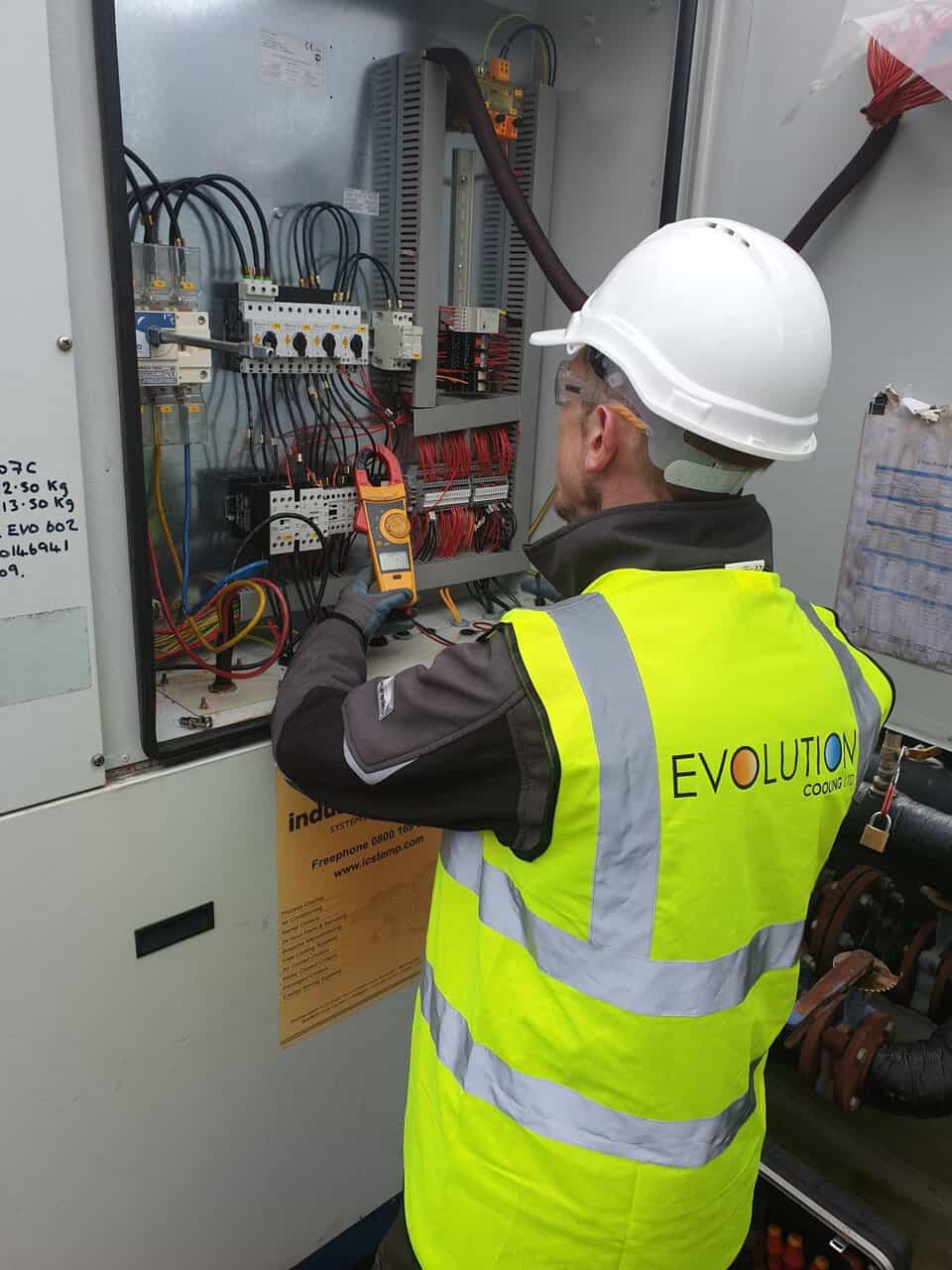
Electrical parts control the chiller’s functions. Failures cause shutdowns or unsafe operation.
Common electrical issues include:
- Blown fuses or tripped breakers
- Worn wiring or loose connections
- Faulty sensors or control boards
Cleaning Techniques
Keeping chillers clean is important to keep them working well. Dirt and debris can lower their efficiency.
Different parts of the chiller need special cleaning ways to keep the system safe and lasting longer.
Coil Cleaning Methods
Coils help move heat in the chiller. Dirt on coils makes the chiller work harder and use more energy.
Clean coils by brushing, washing with water, or using special coil cleaners. Avoid harsh tools that can damage coils.
- Use a soft brush to remove loose dirt.
- Spray water to wash away dust and grime.
- Apply coil cleaner for tough stains and oil.
- Rinse well to avoid leftover chemicals.
Water Side Cleaning
The water side of a chiller can get scale and rust inside pipes. This blocks water flow and reduces cooling.
Use water treatment chemicals and flushing to clean the inside of pipes and heat exchangers. This stops buildup.
- Flush pipes with clean water to remove loose deposits.
- Use descaling chemicals to remove hard scale.
- Check water quality to prevent future buildup.
- Inspect pipes regularly for signs of corrosion or blockage.
Air Side Cleaning Tips
Air side parts like fans and filters collect dust and leaves. This lowers airflow and cooling power.
Clean air filters often and clear debris around fans. Use low-pressure air or vacuum for safe cleaning.
- Remove and wash air filters regularly.
- Use a vacuum to clean fan blades carefully.
- Clear leaves and dirt from vents and grills.
- Check air pathways to keep airflow smooth.

Credit: www.achrnews.com
Routine Maintenance Tasks
Chiller maintenance keeps the system running well and saves money. Regular tasks help avoid breakdowns and extend the chiller’s life.
Doing these tasks often ensures the chiller works at its best. This guide covers key routine jobs to keep your chiller clean and efficient.
Checking Refrigerant Levels
Refrigerant is important for the chiller to cool properly. Low levels can cause poor cooling and damage the system.
Check the refrigerant level regularly using gauges. Add refrigerant if it is below the recommended amount.
- Inspect for leaks in pipes and fittings
- Use proper safety gear when handling refrigerant
- Follow manufacturer guidelines for refrigerant type and amount
Inspecting And Replacing Filters
Filters stop dirt and dust from entering the chiller. Dirty filters reduce airflow and lower efficiency.
Check filters every month. Replace or clean them based on the type and condition.
- Look for dust buildup or damage
- Use the correct filter size for your chiller
- Keep spare filters ready for quick replacement
Lubricating Moving Parts
Moving parts like motors and fans need lubrication to reduce wear. Lack of lubrication causes noise and failures.
Apply the right lubricant to parts as recommended. Check lubrication points during every maintenance visit.
- Clean parts before applying lubricant
- Use lubricants specified by the manufacturer
- Do not over-lubricate to avoid damage
Monitoring System Controls
System controls manage how the chiller works. Faulty controls can cause errors or shutdowns.
Check control panels, sensors, and wiring regularly. Fix any loose connections or damaged parts quickly.
- Test alarms and safety switches
- Verify temperature and pressure readings
- Update software if the system uses digital controls
Safety Precautions
Chiller maintenance and cleaning require careful attention to safety. Workers must follow strict rules to prevent accidents and injuries.
Using the right safety measures protects both people and equipment during the process.
Personal Protective Equipment
Wearing proper personal protective equipment (PPE) is essential. PPE helps reduce the risk of injury from chemicals, sharp parts, and electrical hazards.
- Safety goggles to protect eyes from splashes
- Gloves resistant to chemicals and cuts
- Long-sleeved clothing to cover skin
- Non-slip safety boots for stable footing
- Hearing protection if noise levels are high
Handling Chemicals Safely
Cleaning chillers involves strong chemicals. Handle these substances carefully to avoid burns or poisoning.
| Safety Rule | Details |
| Read labels | Always check chemical instructions before use. |
| Use correct amounts | Follow recommended dosages to prevent spills. |
| Store safely | Keep chemicals in labeled, secure containers. |
| Ventilate area | Work in well-ventilated spaces to avoid fumes. |
| Dispose properly | Follow local rules for chemical waste disposal. |
Electrical Safety Measures
Electricity powers chillers, so safety is critical. Take steps to prevent shocks and short circuits during maintenance.
- Turn off and lock out power before starting work
- Use insulated tools to avoid electric shock
- Check wiring for damage or wear regularly
- Keep water away from electrical components
- Ensure all repairs follow electrical codes
Signs Of Inefficient Performance
Chillers are vital for keeping environments cool. Inefficient chillers can cause problems. It’s important to spot signs of inefficiency early.
Regular maintenance and cleaning ensure optimal performance. Watch out for signs that indicate your chiller needs attention.
Unusual Noises
Strange sounds from your chiller mean trouble. These noises can point to mechanical problems. Listen for grinding, banging, or hissing sounds.
Regular checks can help identify issues early. Addressing these sounds promptly can prevent bigger problems.
- Grinding might mean worn-out bearings
- Banging suggests loose components
- Hissing could indicate a refrigerant leak
Increased Energy Bills
Higher energy bills can signal chiller inefficiency. When chillers work harder, they use more energy. This increase is often due to underlying issues.
Keeping an eye on your energy costs is crucial. Sudden spikes should prompt an inspection of your chiller system.
- Check for dirty filters
- Inspect for refrigerant leaks
- Ensure proper airflow
Inconsistent Cooling
Inconsistent cooling is a clear sign of trouble. If some areas are too warm, your chiller may not be working well. This can lead to discomfort and inefficiency.
Routine maintenance helps maintain even cooling. Make sure your chiller is regularly checked and cleaned.
- Monitor temperature variations
- Check for blockages in ducts
- Ensure thermostat is functioning
Scheduling Professional Inspections
Chillers need regular check-ups to work well. Scheduling professional inspections helps keep them running smoothly. This ensures efficiency and prevents problems.
Professional inspections can catch issues early. This saves money on costly repairs. It also extends the life of your chiller.
Frequency Recommendations
Regular inspections are important for chiller upkeep. Experts suggest different schedules based on usage.
- Every 3 months for high-use chillers
- Twice a year for moderate-use chillers
- Once a year for low-use chillers
Choosing Qualified Technicians
Qualified technicians are key for proper inspections. They have the skills and tools to do the job right.
Check their certifications and experience. This ensures they know how to handle your chiller model.
- Look for technicians with industry certifications
- Ask about their experience with your chiller type
- Read reviews from other clients
Benefits Of Professional Servicing
Professional servicing has many benefits. It improves chiller performance and reduces energy costs.
Regular servicing also prevents breakdowns. This keeps your operations running smoothly without interruptions.
- Increased energy efficiency
- Extended equipment life
- Reduced risk of unexpected failures
Frequently Asked Questions
What Is The Importance Of Chiller Maintenance?
Chiller maintenance ensures optimal performance and extends equipment lifespan. It prevents unexpected breakdowns and reduces energy costs. Regular upkeep maintains cooling efficiency and avoids costly repairs. Proper maintenance also safeguards system reliability and safety.
How Often Should Chiller Cleaning Be Done?
Chiller cleaning should be done at least twice a year. Frequent cleaning depends on the environment and usage intensity. Regular cleaning prevents scale buildup and corrosion. This maintains heat transfer efficiency and prolongs chiller life.
What Are Common Signs Of Chiller Problems?
Common signs include unusual noises, reduced cooling capacity, and increased energy use. Leaks, frequent cycling, and high pressure also indicate issues. Early detection through these signs helps avoid major failures and costly repairs.
Which Parts Need Regular Cleaning In Chillers?
Key parts include condenser coils, evaporator tubes, and filters. Cleaning these parts prevents clogging and improves heat exchange. Regular cleaning reduces energy consumption and enhances overall system performance.
Conclusion
Regular chiller maintenance keeps machines running smoothly. Clean parts prevent breakdowns and save money. Check filters, coils, and water quality often. Small issues caught early avoid big repairs later. A well-kept chiller uses less energy. This helps lower electricity bills.
Proper care extends the chiller’s life span. Staying consistent with cleaning boosts system performance. Don’t ignore signs of wear or dirt build-up. Simple steps make a big difference over time. Keep your chiller healthy for reliable cooling all year.