
Setting up a fish tank with multiple species can be both exciting and challenging. You want your tank to look vibrant and lively, but also keep every fish happy and healthy.
If you’ve ever wondered how to create the perfect environment where different fish can thrive together, you’re in the right place. This guide will walk you through simple, effective steps to design a multi-species tank that’s beautiful and balanced. Keep reading, and you’ll discover insider tips that make the difference between a crowded tank and a thriving underwater community.
Your fish will thank you for it!

Credit: www.reddit.com
Choosing Compatible Species
Setting up a multi-species fish tank needs careful planning. You must pick fish that live well together.
Choosing compatible species helps keep your tank peaceful and healthy. Avoid fights and stress among fish.
Temperament Matching
Fish have different temperaments. Some are calm, others are aggressive. Mixing them can cause problems.
Pick fish with similar behavior. Avoid putting aggressive fish with shy or slow swimmers.
- Peaceful fish like tetras and guppies fit well together
- Aggressive fish like cichlids need their own space
- Fast swimmers may outcompete slow fish for food
Size And Space Requirements
Fish size affects tank space and hiding spots. Big fish need more room than small fish.
Choose species that fit your tank size. Crowding causes stress and poor water quality.
- Small fish like neon tetras need less space
- Large fish like angelfish need more swimming room
- Provide plenty of plants and caves for hiding
Water Parameter Compatibility
Different fish need different water conditions. Check temperature, pH, and hardness needs.
Choose fish with similar water needs. This keeps fish healthy and stress-free.
| Water Parameter | Range for Most Community Fish | Examples |
|---|---|---|
| Temperature | 72°F – 78°F (22°C – 26°C) | Tetras, guppies, danios |
| pH Level | 6.5 – 7.5 | Barbs, rasboras, corydoras |
| Water Hardness | Soft to moderate (3-12 dGH) | Discus, angelfish, gouramis |
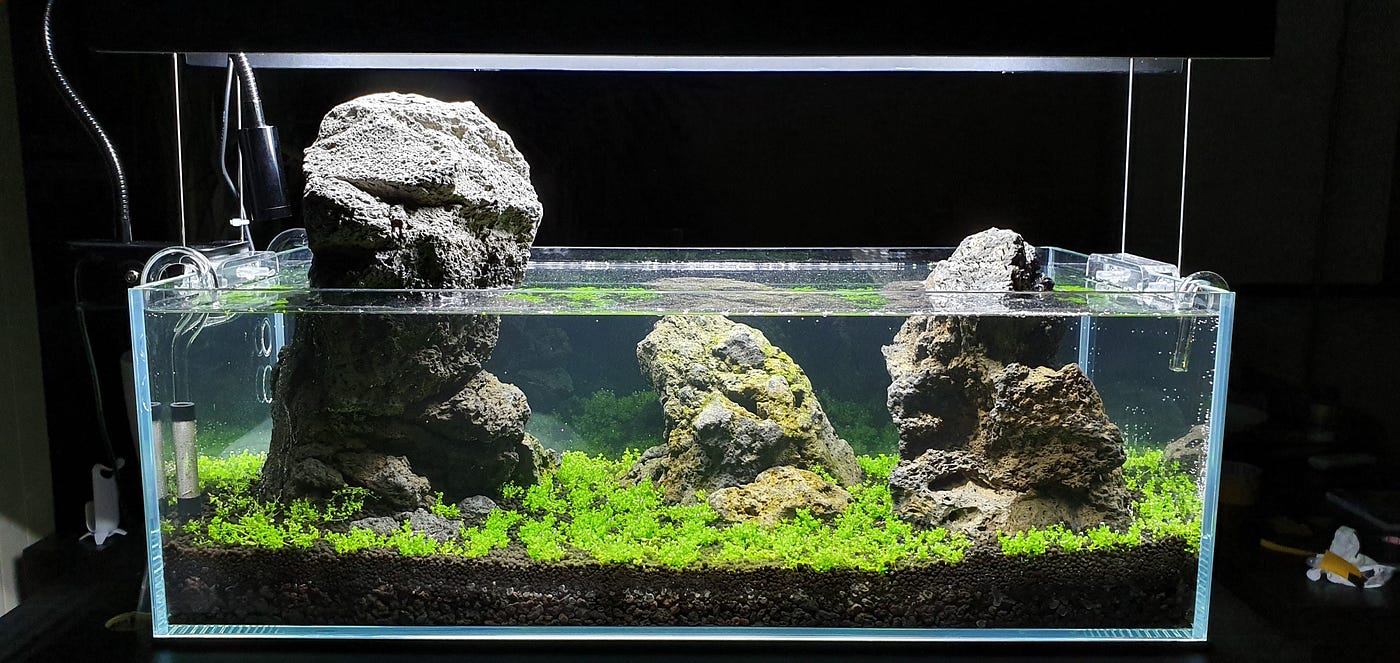
Credit: medium.com
Selecting The Right Tank
Choosing the right tank is important for a multi-species fish setup. The tank must support different fish needs and allow room for swimming.
A good tank keeps fish healthy and happy. It also makes maintenance easier for the owner.
Tank Size Considerations
Tank size depends on the number and size of fish. Bigger tanks help reduce fish stress and improve water quality.
Choose a tank that gives each species enough space to swim and hide. Overcrowding can cause fights and illness.
- Allow at least one gallon of water per inch of fish
- Consider adult fish size, not just current size
- Leave extra room for decorations and plants
Shape And Material Options
Tank shape affects how fish swim and how easy it is to clean. Rectangular tanks offer more swimming space than round ones.
Glass tanks are clear and scratch-resistant. Acrylic tanks are lighter but scratch more easily.
- Rectangular tanks suit most multi-species setups
- Glass tanks last longer but weigh more
- Acrylic tanks are easier to move and shape
Placement And Lighting
Place the tank away from direct sunlight to avoid algae growth. Keep it on a sturdy, level surface.
Use lighting that fits the needs of the fish and plants. LED lights are energy-efficient and adjustable.
- Avoid windows to reduce temperature changes
- Use a stand that supports the tank weight
- Choose lighting with adjustable brightness and color
Filtration And Aeration
Setting up a fish tank with different species needs careful care. Filtration and aeration keep water clean and healthy.
Good water helps fish live longer. This guide covers filters and oxygen for mixed fish tanks.
Types Of Filters
Filters remove dirt and waste from the water. They keep the tank clean and clear for all fish.
- Mechanical filters trap solid waste like uneaten food.
- Biological filters use bacteria to break down harmful chemicals.
- Chemical filters remove toxins using activated carbon or resin.
- Canister filters are powerful and work well for large tanks.
- Hang-on-back filters are easy to install and maintain.
Maintaining Water Quality
Testing water often keeps fish safe. Clean water means fewer diseases and stress.
| Parameter | Ideal Range |
| Ammonia | 0 ppm |
| Nitrite | 0 ppm |
| Nitrate | Below 20 ppm |
| pH | 6.5 – 7.5 |
| Temperature | Varies by species |
Change 10-20% of water weekly. Use a water conditioner to remove chlorine.
Ensuring Proper Oxygen Levels
Oxygen keeps fish breathing well. Aeration adds air to the water surface.
- Air stones create bubbles that increase oxygen.
- Surface agitation helps gas exchange.
- Use a good air pump for steady airflow.
- Live plants add oxygen during the day.
Watch fish behavior. Gasping at the surface may mean low oxygen.

Credit: www.reddit.com
Aquascaping For Multi-species
Aquascaping is the art of arranging plants, stones, and decorations in a fish tank. It creates a natural habitat that suits multiple species. Proper aquascaping helps fish feel safe and reduces stress.
Designing a tank for many species needs careful planning. Each species has different needs for space and hiding places. Good aquascaping balances these needs with beauty.
Creating Hiding Spots
Hiding spots help fish feel safe and reduce fights. Use decorations, rocks, and plants to make these areas. Different species prefer different hiding types.
Place caves, driftwood, and dense plants in corners and near the tank bottom. Spaces between rocks also make good hiding spots.
- Use caves and tunnels for shy fish
- Dense plants offer cover for small fish
- Driftwood creates natural hiding areas
- Leave open swimming space for active fish
Plant Selection
Choose plants that match the needs of all fish species. Some fish eat plants, others hide among leaves. Pick hardy plants that grow well together.
Use a mix of tall, short, and floating plants. This variety gives different fish places to swim and hide.
- Anubias and Java Fern for low light and durability
- Amazon Sword for tall background plants
- Cryptocoryne for mid-ground cover
- Floating plants like Duckweed for shade
Substrate Choices
Substrate is the material at the tank bottom. It affects plant growth and fish comfort. Choose substrate based on the plants and fish you keep.
Some plants need nutrient-rich soil. Others grow well in sand or gravel. Soft substrate helps bottom dwellers like catfish.
- Use aquarium soil for planted tanks
- Fine sand is good for bottom fish
- Gravel works well with many plants
- Mix substrates for different needs
Feeding Strategies
Setting up a multi-species fish tank needs careful feeding plans. Different fish have different diets and habits.
Good feeding strategies keep all fish healthy and prevent problems like water pollution.
Dietary Needs Of Different Species
Some fish eat plants, others eat meat or tiny animals. It is important to know what each species needs.
Feeding the right food helps fish grow and stay active.
- Herbivores need algae, vegetables, and plant flakes.
- Carnivores eat live or frozen insects, worms, or small fish.
- Omnivores need a mix of plant and animal foods.
Feeding Schedules
Fish should be fed at regular times each day. This helps them get used to a routine.
Young fish need more frequent feeding than adults. Adult fish usually eat once or twice daily.
- Feed small amounts to avoid wasting food.
- Observe fish behavior to adjust feeding times and amounts.
- Use different feeding spots for different species if needed.
Preventing Overfeeding
Overfeeding causes leftover food to pollute the tank. It also harms fish health.
Feed only what fish can eat in a few minutes. Remove uneaten food quickly.
- Use a feeding ring or tool to control food spread.
- Watch fish during feeding to see if they eat all the food.
- Adjust food amount if you see leftovers often.
Monitoring Tank Health
Keeping a fish tank healthy requires regular monitoring. A multi-species tank needs special attention to ensure all fish thrive.
Understanding water chemistry and fish behavior helps you maintain a balanced ecosystem. Let’s explore how to monitor tank health effectively.
Regular Water Testing
Water quality is critical for fish health. Testing your tank water regularly can prevent many problems.
| Test Type | Frequency |
| pH Level | Weekly |
| Ammonia | Weekly |
| Nitrate | Monthly |
| Hardness | Monthly |
Identifying Stress Signs
Fish show stress through changes in behavior and appearance. Recognizing these signs early can prevent serious issues.
- Erratic swimming or hiding
- Color fading or spots
- Loss of appetite
- Gasping at the surface
Disease Prevention
Preventing disease in a multi-species tank involves maintaining good hygiene and reducing stress factors.
Maintenance Tips
Keeping a multi-species fish tank clean is important for fish health. Regular maintenance helps prevent problems.
Proper care supports all species and keeps the tank environment stable and safe.
Cleaning Procedures
Clean the tank surfaces and decorations often to stop algae growth. Use soft tools to avoid damage.
Remove uneaten food and waste daily to keep water clean and fish healthy.
- Use an algae scraper or sponge for tank walls
- Clean decorations with water, no soap
- Remove leftover food after feeding
- Vacuum the gravel to clear fish waste
Water Change Techniques
Changing water regularly keeps the tank balanced. Use clean, treated water to protect fish.
Replace 10-20% of the water weekly or biweekly depending on tank size and fish load.
- Use a siphon to remove water and clean gravel
- Check water temperature before adding new water
- Treat tap water to remove chlorine and chemicals
- Add new water slowly to avoid stressing fish
Equipment Upkeep
Keep filters, heaters, and lights clean and working well. Check them regularly for faults.
Clean or replace filter media as recommended. Avoid cleaning all media at once to keep beneficial bacteria.
- Rinse filter parts with tank water, not tap water
- Test heater temperature often
- Replace bulbs to maintain proper light levels
- Inspect air pumps and tubing for blockages
Troubleshooting Common Issues
Setting up a multi-species fish tank can be fun and rewarding. You might face some common issues that need troubleshooting. Understanding these problems helps maintain a healthy aquarium.
Learning to identify and solve these issues ensures your fish thrive. Let’s look at some typical problems you may encounter and how to address them.
Aggression And Territorial Behavior
Some fish are more aggressive than others. Territorial behavior can lead to stress and injury. It is important to recognize signs of aggression.
Provide enough space and hiding spots for each species. Observe the fish regularly to ensure peaceful coexistence.
- Add plants and decorations to break line of sight.
- Choose fish with compatible temperaments.
- Introduce new fish gradually to the tank.
Algae Control
Algae growth is a common issue in fish tanks. It occurs when there is too much light or nutrients in the water. Algae can make the tank look dirty and harm the fish.
Regular cleaning and maintenance help keep algae under control. Controlling light exposure and nutrient levels is crucial.
- Limit tank lighting to 8-10 hours a day.
- Use an algae scraper to clean the glass.
- Consider adding algae-eating fish or snails.
Balancing Bioload
Bioload refers to the waste produced by fish and other organisms. Too much bioload can harm water quality. It is important to balance the number of fish and their size.
Monitoring water parameters and performing regular water changes help maintain a healthy bioload. Proper filtration is also necessary.
- Do not overstock the tank with fish.
- Use a filter suitable for your tank size.
- Test water regularly for ammonia and nitrate levels.
Frequently Asked Questions
What Fish Species Are Best For Multi-species Tanks?
Community fish like tetras, guppies, and corydoras work well. Avoid aggressive species to maintain harmony. Research compatibility before adding new fish to your tank.
How Do I Balance Water Conditions For Different Species?
Maintain stable temperature, pH, and hardness suitable for all fish. Regularly test water parameters and perform partial water changes. Use a heater and filter that support diverse species needs.
What Tank Size Is Ideal For Multi-species Setups?
A minimum of 20 gallons is recommended for small multi-species tanks. Larger tanks provide more space and reduce territorial conflicts. Always consider adult fish size when choosing tank dimensions.
How To Prevent Aggression In A Mixed-species Aquarium?
Provide ample hiding spots and plants to reduce stress. Avoid overcrowding and select peaceful species. Monitor fish behavior regularly and separate aggressive individuals if needed.
Conclusion
Setting up a multi-species fish tank takes care and planning. Choose compatible fish to keep peace in the tank. Provide enough space and hiding spots for all fish. Maintain clean water and stable temperature to keep fish healthy. Watch your fish daily for signs of stress or illness.
Enjoy the beauty and variety your tank brings to your home. A well-planned tank creates a happy environment for all species. Keep learning and adjusting as your tank grows. Fishkeeping is rewarding with patience and care.