
Setting up your fish tank for winter can feel tricky, but it doesn’t have to be. You want your aquatic friends to stay healthy and happy, even when the temperature drops.
In this guide, you’ll discover simple steps to keep your tank cozy and stable all season long. From choosing the right heater to maintaining water quality, you’ll learn exactly what your fish need to thrive during winter. Keep reading to make sure your tank stays a safe, comfortable home no matter how cold it gets outside.

Credit: www.briansbotanicals.net
Choosing The Right Tank
Setting up a fish tank in winter needs careful planning. Choosing the right tank keeps fish safe and healthy. The tank must fit your space and meet fish needs.
Two main factors to consider are the tank size and shape, and the material used. These affect water temperature, space for fish, and tank durability.
Tank Size And Shape
A larger tank holds water that changes temperature slowly. This protects fish from sudden cold. The shape also matters for heating and fish movement.
- Choose a tank with enough space for your fish to swim freely.
- Long tanks allow better surface area for oxygen exchange.
- Taller tanks may cool faster in winter.
- Consider the room size before picking a large tank.
- Heavier tanks need strong stands and stable floors.
Material Considerations
Tank materials affect heat retention and durability. Glass and acrylic are common choices. Each has pros and cons for winter setups.
| Material | Heat Retention | Durability | Cost |
| Glass | Good | High | Moderate |
| Acrylic | Better | Moderate | Higher |
| Plastic | Poor | Low | Low |
Maintaining Optimal Temperature
Keeping the right temperature is important for your fish tank in winter. Cold water can stress fish and harm their health.
Use proper tools to control and monitor the water temperature. This helps your fish stay safe and comfortable.
Selecting A Reliable Heater
Choose a heater that fits your tank size well. A heater that is too small will not warm the water properly.
Look for heaters with automatic shut-off to prevent overheating. This keeps your fish safe from sudden temperature rises.
- Match heater wattage to tank volume
- Pick heaters with a built-in thermostat
- Choose waterproof and durable materials
Using Thermometers Effectively
Place a thermometer inside the tank to check water temperature daily. This helps you catch changes early.
Use digital or glass thermometers that are easy to read. Keep the thermometer away from the heater for accurate results.
- Check temperature at the same time every day
- Keep a record of temperature readings
- Calibrate thermometers if needed
Preventing Temperature Fluctuations
Avoid placing your fish tank near windows or doors. Cold drafts cause sudden temperature changes that stress fish.
Use a tank cover to keep heat inside. Stable temperature helps fish stay healthy throughout winter.
- Keep room temperature steady
- Use insulation around the tank
- Limit opening the tank lid frequently
Lighting Adjustments For Winter
Winter can affect the lighting needs of your fish tank. Adjusting the light duration and choosing suitable bulbs are key steps.
Proper lighting ensures fish remain healthy and plants grow well. Let’s explore how to adjust your lighting setup for winter.
Adjusting Light Duration
In winter, daylight hours are shorter. It’s important to adjust your tank’s light duration to mimic natural cycles.
- Set a timer to regulate light exposure.
- Aim for 8-10 hours of light daily.
- Reduce glare by positioning lights correctly.
Choosing Suitable Bulbs
Picking the right bulbs can enhance the environment for your fish and plants.
- LED bulbs are energy-efficient and long-lasting.
- Fluorescent bulbs provide a natural spectrum.
- Consider the color temperature for plant growth.

Credit: www.aqqapet.com
Water Quality Management
Keeping water clean is very important for fish tanks in winter. Cold water holds less oxygen, so fish need good care.
Good water quality helps fish stay healthy and active during cold months. Watch water conditions closely.
Regular Testing And Monitoring
Test water often to keep fish safe. Check temperature, pH, ammonia, and nitrate levels regularly.
Use simple test kits to find problems early. Fix issues before fish get sick or stressed.
- Check water temperature daily
- Test pH levels every week
- Measure ammonia and nitrate twice a week
- Change water if tests show bad results
Filtration Tips For Cold Months
Filtration keeps water clean and clear during winter. Use filters that work well in cold temperatures.
Clean filter media often but gently. Avoid cleaning all parts at once to keep good bacteria alive.
- Choose filters designed for low temperatures
- Clean filter sponges every two weeks
- Do not replace all filter media at once
- Monitor filter flow to avoid blockages
Feeding Strategies In Winter
Winter brings colder water temperatures that affect fish activity. Fish eat less and digest slower in cold water.
Adjusting feeding methods helps keep fish healthy during winter months. Proper care prevents overfeeding and water pollution.
Adjusting Food Types
Use foods that are easy to digest in cold water. Choose high-quality, low-protein options. Avoid heavy foods that can spoil quickly.
- Switch to wheat germ or vegetable-based pellets
- Offer softer, sinking foods
- Avoid live or frozen foods that require more digestion
- Feed foods with lower fat content
Feeding Frequency Changes
Feed fish less often in winter to match their slower metabolism. Overfeeding can cause water quality problems.
| Water Temperature | Feeding Frequency | Feeding Tips |
| Below 50°F (10°C) | Once every 3–4 days | Feed small amounts; remove uneaten food |
| 50°F to 60°F (10°C to 15.5°C) | Once every 2 days | Feed lightly; watch fish behavior |
| Above 60°F (15.5°C) | Daily or every other day | Feed normal amounts; adjust if needed |
Preventing Common Winter Issues
Winter can bring challenges for fish tank owners. Cold weather affects water quality and fish health. Preparing your tank helps avoid these common problems.
This guide covers ways to stop algae growth, reduce fish stress, and manage condensation during winter months.
Avoiding Algae Growth
Algae can grow quickly in winter if light and nutrients are not balanced. Controlling algae keeps your tank clean and healthy.
- Limit the aquarium light to 6-8 hours daily.
- Keep the tank clean by removing debris regularly.
- Avoid overfeeding fish to reduce leftover food.
- Use live plants to compete with algae for nutrients.
- Perform partial water changes weekly to lower excess nutrients.
Handling Fish Stress
Fish can become stressed due to temperature changes and poor water quality. Stress makes fish more prone to illness.
| Cause | Effect on Fish | How to Prevent |
| Cold water temperature | Slowed metabolism | Use a reliable heater to keep steady temperature |
| Poor water quality | Weakened immune system | Test water weekly and do water changes |
| Sudden changes | Shock and stress | Adjust conditions slowly over time |
Managing Condensation
Condensation can damage furniture and walls around the tank. It also reduces visibility through the glass.
Tips to reduce condensation:
- Keep room temperature stable and avoid cold drafts.
- Use a tank hood or cover to reduce moisture.
- Wipe glass surfaces regularly to prevent buildup.
- Place a small fan nearby to improve air circulation.
Winter Plants And Decorations
Setting up a fish tank in winter can be fun. Plants and decorations make it cozy for fish.
Choosing the right plants and decorations keeps your tank healthy. It also makes it look nice.
Choosing Hardy Plants
Hardy plants do well in cold water. They survive winter and help clean the tank water.
Look for plants that need low light. They are easy to care for and look great all winter.
- Java Fern
- Anubias
- Water Wisteria
Safe Decoration Options
Decorations make your tank look pretty. They also give fish places to hide and explore.
Choose decorations that are safe for fish. Avoid sharp edges and toxic materials.
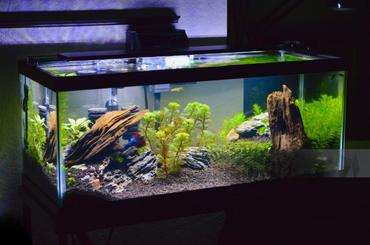
- Smooth rocks
- Ceramic caves
- Driftwood
Credit: www.ratemyfishtank.com
Regular Maintenance Routine
Keeping your winter fish tank clean and healthy is important. A regular maintenance routine helps fish stay safe during cold months.
Following a simple schedule keeps water clear and fish active. It also prevents common problems in winter tanks.
Cleaning Schedule
Clean your fish tank regularly to remove dirt and waste. This keeps the water fresh and healthy for your fish.
Check the tank weekly for debris, algae, and leftover food. Use a gravel vacuum to clean the bottom without disturbing fish.
- Change 10-20% of the water every week
- Clean the filter monthly but avoid washing all filter media
- Wipe the glass inside and outside to remove algae
- Remove uneaten food daily to avoid water pollution
Monitoring Fish Health
Watch your fish daily to spot signs of illness or stress early. Healthy fish swim actively and eat well.
Look for changes like dull colors, clamped fins, or unusual behavior. These may mean the water quality is poor or fish are sick.
- Observe fish movement and eating habits every day
- Check for spots, wounds, or swelling on fish bodies
- Keep water temperature stable to reduce fish stress
- Use a test kit weekly to monitor water parameters
Frequently Asked Questions
How Do I Keep My Fish Tank Warm In Winter?
Use an aquarium heater with a thermostat to maintain stable temperatures. Insulate the tank with a cover or foam to reduce heat loss. Avoid placing the tank near cold drafts or windows.
What Temperature Is Ideal For A Winter Fish Tank?
Most tropical fish thrive between 74°F and 78°F (23°C-26°C). Coldwater fish prefer cooler temperatures, around 65°F to 72°F (18°C-22°C). Adjust temperature based on your fish species’ needs.
How Often Should I Change Water In Winter Tanks?
Change 10-15% of the water weekly to maintain water quality. Use dechlorinated water at the same temperature as the tank to avoid stress. Monitor water parameters regularly.
Can Low Winter Light Affect Fish Health?
Yes, reduced light can disrupt fish behavior and plant growth. Use a timer to provide 8-10 hours of artificial light daily. Choose full-spectrum aquarium lights for best results.
Conclusion
Preparing your fish tank for winter keeps your fish safe and healthy. Keep the water temperature steady and check the heater often. Clean the tank regularly to avoid harmful build-up. Choose plants and decorations that suit colder months. Watch your fish for signs of stress or illness.
A well-maintained tank means happy fish all winter long. Simple care steps make a big difference in cold weather. Your fish will thrive with just a little extra attention. Winter fish tank setup is easy with the right routine.