
Are you looking to make your aquarium plants thrive like never before? Liquid fertilizer for aquarium plants might be the simple boost your underwater garden needs.
If you want lush, vibrant greenery that stays healthy and strong, understanding how to use liquid fertilizer correctly can make all the difference. Keep reading, and you’ll discover easy tips to transform your aquarium into a stunning, natural oasis. Your plants—and your fish—will thank you!
Benefits Of Liquid Fertilizers
Liquid fertilizers provide essential nutrients to aquarium plants in a form they can easily absorb. They support plant health and growth by delivering nutrients directly to the water. Using liquid fertilizers helps keep plants vibrant and strong in aquatic environments.
These fertilizers are popular among aquarium enthusiasts because they simplify plant care. They mix well with water and spread nutrients evenly, making them effective for many types of aquatic plants.
Enhanced Nutrient Absorption
Liquid fertilizers dissolve completely in water, allowing plants to absorb nutrients quickly through their leaves and roots. This fast absorption helps plants recover from nutrient deficiencies faster than solid fertilizers.
- Supplies nutrients in a form ready for plant uptake
- Supports faster growth and leaf development
- Helps maintain balanced nutrient levels in the water
- Reduces nutrient waste compared to solid fertilizers
Easy Application And Dosage
Liquid fertilizers come with clear instructions for dosing, making it easy to add the right amount to your aquarium. You can adjust the dosage based on plant needs and aquarium size.
| Benefit | Details |
| Simple to Measure | Use droppers or measuring caps for precise amounts |
| Fast Mixing | Dissolves quickly in water without residue |
| Flexible Dosing | Adjust doses as plants grow or as needed |
| Safe Application | Less risk of over-fertilizing with proper use |
Supports Healthy Plant Growth
Liquid fertilizers supply a balanced mix of nutrients that help plants build strong roots and lush leaves. They also improve plant resistance to stress and disease.
- Provides essential minerals like nitrogen, phosphorus, and potassium
- Improves color and vitality of leaves
- Promotes root development for better nutrient uptake
- Helps plants recover from damage or nutrient shortage

Credit: www.amazon.com
Types Of Liquid Fertilizers
Liquid fertilizers help aquarium plants grow healthy and strong. They provide nutrients that plants need in water form.
There are different types of liquid fertilizers. Each type offers specific nutrients for plant growth.
Macronutrient-rich Formulas
Macronutrient fertilizers contain large amounts of essential nutrients. These include nitrogen, phosphorus, and potassium.
These nutrients help plants grow leaves, roots, and flowers. They are the main building blocks for healthy plants.
- Nitrogen (N) promotes leaf and stem growth
- Phosphorus (P) supports root development and energy transfer
- Potassium (K) helps overall plant health and disease resistance
Micronutrient Supplements
Micronutrient fertilizers provide small but important minerals. These include iron, manganese, zinc, and copper.
Plants need these nutrients in tiny amounts. They help with photosynthesis and enzyme functions.
- Iron (Fe) improves green color in leaves
- Manganese (Mn) aids in chlorophyll production
- Zinc (Zn) supports growth hormones
- Copper (Cu) assists in energy production
Organic Vs Synthetic Options
Organic liquid fertilizers come from natural sources. They include plant or animal extracts and compost teas.
Synthetic fertilizers are made with chemical compounds. They provide nutrients quickly and in precise amounts.
- Organic fertilizers improve soil and water quality
- Synthetic fertilizers deliver fast nutrient supply
- Organic options are gentle but slower acting
- Synthetic options need careful dosing to avoid harm
Choosing The Right Fertilizer
Liquid fertilizer helps aquarium plants grow strong and healthy. Picking the right one keeps plants green and vibrant.
Different plants and tank setups need different types of fertilizer. Understanding your aquarium helps you choose well.
Matching Plant Species Needs
Each plant species needs specific nutrients to grow. Some plants need more iron, others need more nitrogen or potassium.
Find out what nutrients your plants need and choose a fertilizer that supplies them in the right amounts.
- Leafy plants often need more nitrogen
- Flowering plants may need extra potassium
- Slow growers need fewer nutrients overall
Considering Water Parameters
Water quality affects how plants absorb fertilizer. pH, hardness, and temperature all play a role.
Check your aquarium’s water parameters and select fertilizer formulas that work well in those conditions.
- Use gentle fertilizers in soft or acidic water
- Stronger formulas suit hard or alkaline water
- Adjust fertilizer doses based on water changes
Evaluating Fertilizer Concentration
Fertilizers come in different strengths. Too strong can harm plants and fish. Too weak may not help growth.
Choose a concentration that fits your tank size and plant load. Follow dosing instructions carefully.
- Start with low doses and increase if needed
- Use concentrated formulas for large tanks
- Measure doses to avoid overdosing
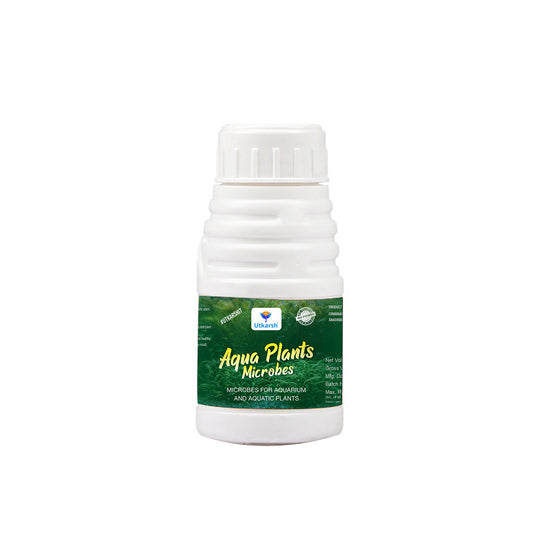
Credit: utkarshagro.com
How To Use Liquid Fertilizers
Liquid fertilizers help aquarium plants grow healthy and strong. They supply nutrients directly to the water. Using them right is important for your plants’ health.
This guide explains how to use liquid fertilizers safely and effectively. Follow these tips for best results in your aquarium.
Proper Dosage And Frequency
Use the right amount of liquid fertilizer to avoid harming plants. Dosage depends on tank size and plant type. Do not guess the amount.
- Read the fertilizer label for recommended doses.
- Measure the fertilizer carefully before adding it.
- Apply fertilizer every 3 to 7 days, based on plant needs.
- Adjust dosage if plants show signs of deficiency or excess nutrients.
Application Techniques
Apply liquid fertilizer evenly to the aquarium water. Avoid pouring it in one spot. Proper mixing helps plants absorb nutrients well.
| Method | Description |
| Direct Pouring | Pour fertilizer slowly around the tank edges for even spread. |
| Use a Dropper | Place drops near plant bases to target feeding. |
| Pre-Mix | Mix fertilizer with water in a cup before adding it to the tank. |
Avoiding Overfertilization
Too much fertilizer can harm fish and plants. Watch for signs of overfertilization like algae growth and leaf damage.
- Do not exceed recommended doses.
- Test water regularly for nutrient levels.
- Increase water changes if algae appears.
- Stop fertilizing if plants look unhealthy.
Common Mistakes To Avoid
Using liquid fertilizer for aquarium plants helps them grow healthy and strong. Many aquarists make mistakes that harm their plants and fish. Avoiding these errors keeps your tank balanced and plants thriving.
Below are common mistakes to watch for. Fixing these will improve your aquarium’s health and beauty.
Ignoring Water Quality
Water quality is the base for a healthy aquarium. Fertilizer alone cannot fix poor water conditions. Many forget to test or adjust water parameters before adding fertilizer.
- Check pH levels regularly to match plant needs.
- Test ammonia and nitrate levels to avoid toxicity.
- Keep water temperature stable and suitable for plants and fish.
- Use water conditioners to remove chlorine and chloramine.
Mixing Incompatible Products
Not all fertilizers work well with other aquarium chemicals. Mixing incompatible products can harm plants and fish or reduce fertilizer effectiveness.
| Product Type | Possible Issue |
| Liquid fertilizer + Algaecide | Fertilizer nutrients may break down |
| Fertilizer + Copper-based medications | Can be toxic to plants and fish |
| Fertilizer + pH adjusters | May cause nutrient imbalance |
| Fertilizer + Water clarifiers | Can cloud water and block nutrient uptake |
Neglecting Regular Maintenance
Regular care keeps fertilizer working well. Skipping maintenance causes fertilizer buildup or nutrient shortages.
- Change water weekly to remove waste and excess nutrients.
- Clean filters to ensure good water flow.
- Trim dead leaves to prevent decay and algae growth.
- Follow fertilizer dosing instructions carefully every time.

Credit: www.amazon.in
Enhancing Growth With Complementary Practices
Liquid fertilizer is crucial for healthy aquarium plants. It provides essential nutrients. But, to enhance plant growth, use complementary practices.
These practices include optimizing lighting, maintaining CO2 levels, and regular care. They work together with fertilizer for the best results.
Optimizing Lighting Conditions
Light is vital for photosynthesis in aquarium plants. The right amount of light helps them grow strong and healthy.
Ensure your aquarium has adequate lighting. Use lights that match the needs of your specific plant types.
- Use LED lights for energy efficiency
- Provide 10-12 hours of light daily
- Avoid placing the aquarium in direct sunlight
Maintaining Co2 Levels
CO2 is important for plant respiration and growth. Adequate CO2 levels in water improve plant health.
Monitor CO2 levels regularly. Use CO2 diffusers for better distribution in the aquarium.
- Check CO2 levels weekly
- Use a CO2 kit for accurate measurement
- Adjust CO2 levels according to plant needs
Regular Pruning And Care
Regular pruning helps plants grow properly. It removes dead leaves and promotes new growth.
Trim plants every few weeks. This keeps them healthy and maintains a neat appearance in the aquarium.
- Use sharp scissors for clean cuts
- Remove yellow or damaged leaves
- Replant cuttings to fill empty spaces
Diy Liquid Fertilizer Recipes
Liquid fertilizers help aquarium plants grow strong and healthy. Making your own can save money and be fun.
Here are some simple recipes to create liquid fertilizers at home. They use easy-to-find ingredients.
Simple Nutrient Mixes
A balanced mix of nutrients is important for plant health. You can make simple mixes with basic ingredients.
- Mix 1 teaspoon of potassium nitrate with 1 liter of water.
- Add 1 teaspoon of monopotassium phosphate for phosphorus.
- Add 5 ml of trace element mix for micronutrients.
Using Natural Ingredients
Natural ingredients can be a gentle option for your plants. They provide essential nutrients without chemicals.
- Banana peels add potassium to the water.
- Eggshells provide calcium and other minerals.
- Compost tea can give a broad range of nutrients.
Storage And Shelf Life Tips
Proper storage keeps your liquid fertilizers effective. Here are some tips to extend their shelf life.
| Storage Tip | Benefit |
| Store in a cool, dark place | Prevents nutrient breakdown |
| Use airtight containers | Keeps moisture out |
| Label with date | Helps track freshness |
Frequently Asked Questions
What Is Liquid Fertilizer For Aquarium Plants?
Liquid fertilizer is a nutrient-rich solution added to aquarium water. It promotes healthy plant growth by supplying essential minerals and trace elements. Unlike substrate fertilizers, it quickly dissolves and is absorbed by plant leaves. This helps maintain vibrant, lush aquatic plants in your tank.
How Often Should I Use Liquid Fertilizer In Aquariums?
Use liquid fertilizer once or twice a week for best results. Frequency depends on plant density and aquarium size. Overuse can cause algae growth, so follow product instructions carefully. Regular dosing supports steady plant growth and prevents nutrient deficiencies in aquarium plants.
Can Liquid Fertilizer Harm Fish Or Shrimp?
Properly dosed liquid fertilizers are safe for fish and shrimp. Always choose aquarium-specific fertilizers without harmful chemicals. Avoid overdosing to prevent water quality issues. When used as directed, liquid fertilizers enhance plant health without risking aquatic animal well-being.
Which Nutrients Are In Liquid Fertilizers For Aquarium Plants?
Liquid fertilizers typically contain nitrogen, phosphorus, potassium, and trace elements like iron and magnesium. These nutrients support photosynthesis, root development, and overall plant vitality. Balanced formulas ensure plants receive what they need for optimal growth in freshwater aquariums.
Conclusion
Using liquid fertilizer helps aquarium plants grow strong and healthy. It gives plants the nutrients they need every day. You can see greener leaves and better growth soon. Adding fertilizer is easy and fits any tank size. It supports natural plant cycles and fish well-being.
Keep dosing as recommended for best results. Healthy plants make your aquarium more beautiful and balanced. Start feeding your plants right and enjoy a lively underwater garden.