
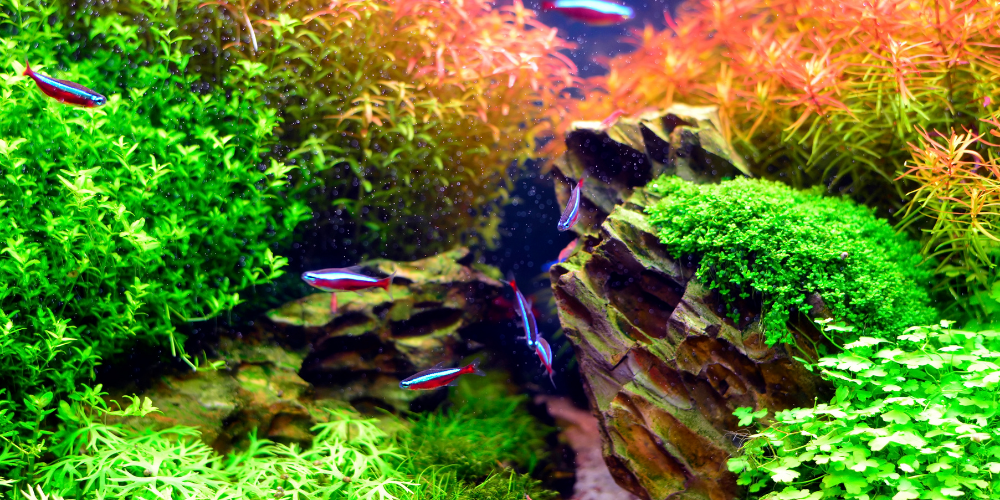
Have you ever wondered how to create a stunning underwater world where different fish and plants live in perfect harmony? Aquascaping for multi-species tanks is the secret to turning your aquarium into a vibrant, balanced ecosystem.
Imagine watching your colorful fish glide through lush greenery, each species thriving in its own space. This guide will show you how to design a beautiful tank that keeps every inhabitant happy and healthy. Ready to transform your aquarium into a masterpiece?
Let’s dive in and explore the art of aquascaping for multi-species tanks.
Choosing Compatible Species
Setting up a multi-species tank needs careful thought. You must pick species that live well together.
Compatibility reduces stress and keeps your aquarium healthy and balanced.
Fish Selection Tips
Choose fish with similar water needs and temperaments. Avoid aggressive species that may harm others.
- Pick peaceful species to reduce fighting.
- Match fish that thrive in the same temperature range.
- Consider adult size to avoid big fish eating smaller ones.
- Research dietary needs to prevent competition for food.
- Introduce fish slowly to watch for signs of aggression.
Invertebrates To Consider
Invertebrates add color and help with tank cleaning. Choose species that fit your tank size and conditions.
| Invertebrate | Role | Water Needs |
| Amano Shrimp | Algae eater | Freshwater, pH 6.5-7.5 |
| Cherry Shrimp | Plant-safe cleaner | Freshwater, pH 6.0-7.5 |
| Snails | Detritus eater | Freshwater, pH 7.0-8.0 |
| Ghost Shrimp | Scavenger | Freshwater, pH 6.5-7.5 |
Plant Choices For Diverse Tanks
Plants provide hiding spots and improve water quality. Pick species that grow well with your fish and invertebrates.
- Java Fern: Easy to grow and hardy.
- Anubias: Slow growing, good for low light.
- Amazon Sword: Large leaves, needs moderate light.
- Cryptocoryne: Thrives in shaded areas.
- Hornwort: Fast growing, good oxygenator.

Credit: www.wikiwand.com
Design Principles For Balance
Creating a balanced aquascape helps fish feel safe and thrive. Balance means mixing plants, rocks, and open spaces well.
Good design supports different species living together. It makes the tank look natural and healthy.
Creating Natural Habitats
Start by copying nature’s patterns. Use varied plant types and shapes. Add rocks and wood that fish can hide behind.
- Use plants of different heights and textures
- Add caves and crevices for shelter
- Include smooth rocks for resting spots
- Place driftwood to mimic fallen branches
Layering Plants And Hardscape
Layering means placing items in front and behind each other. This adds depth and interest.
| Layer | Example | Purpose |
| Foreground | Small plants, fine gravel | Open view, places to forage |
| Midground | Medium plants, small rocks | Hideouts and resting spots |
| Background | Tall plants, large wood | Backdrop and cover |
Open Swimming Spaces
Fish need room to swim freely. Keep some areas clear of plants and decorations.
Tips for open spaces:
- Leave 25-30% of tank free for swimming
- Place open areas near the center
- Use low plants around open zones
- Avoid clutter that blocks movement
Water Parameters Management
Managing water parameters is vital for multi-species aquascaping. Each species needs a stable environment to thrive. Proper water conditions reduce stress and disease.
Keeping water parameters balanced helps plants and animals live well together. Monitoring pH, hardness, temperature, and oxygen levels is key.
Optimizing Ph And Hardness
Different fish and plants prefer certain pH and hardness levels. Test your water regularly to keep these stable. Adjust slowly to avoid shock.
Use natural materials like peat or limestone to change pH and hardness. Soft water suits some species, while hard water suits others.
- Test pH weekly with a reliable kit
- Keep pH between 6.5 and 7.5 for most species
- Maintain general hardness (GH) suitable for your fish
- Adjust carbonate hardness (KH) to stabilize pH
Temperature Control
Temperature affects fish metabolism and plant growth. Keep it steady to avoid stress. Use a heater or cooler as needed.
Check species needs and set temperature in a safe range. Avoid sudden changes by adjusting temperature slowly over hours.
- Use a thermometer to monitor daily
- Set heater thermostat for stable heat
- Provide cooling if tank gets too warm
- Keep temperature between 72°F and 78°F for most tanks
Filtration And Aeration
Filtration removes waste and keeps water clear. Aeration adds oxygen for fish and plants. Both support a healthy tank.
Choose filters that match tank size and bioload. Add air stones or pumps to improve oxygen flow. Clean filters regularly.
- Use mechanical, biological, and chemical filtration
- Replace or clean filter media on schedule
- Add air pumps or stones for better oxygen
- Check water flow to avoid dead spots
Feeding Strategies For Mixed Species
Keeping a multi-species tank needs special feeding plans. Each species has its own diet. Feeding them well keeps fish healthy and peaceful.
Choosing the right food and feeding method helps avoid fights over food. It also ensures all fish get the nutrients they need.
Dietary Needs Of Different Species
Different fish eat different things. Some need plants, others need meat. Knowing what each species eats is key.
| Species Type | Diet | Example Foods |
| Herbivores | Plants and algae | Algae wafers, spinach |
| Carnivores | Meat and protein | Bloodworms, brine shrimp |
| Omnivores | Plants and meat | Flakes, pellets, vegetables |
| Detritivores | Decaying matter | Bottom feeder pellets, algae |
Feeding Techniques To Avoid Competition
Fish can fight for food in a mixed tank. Use these tips to keep peace at feeding time.
- Feed small amounts in several places.
- Use sinking food for bottom feeders.
- Feed faster eaters first, then slower ones.
- Try separate feeding times for aggressive species.
- Watch fish to see if all get enough food.
Supplementing Nutrition
Some fish need extra vitamins or minerals. Supplements help keep fish strong and healthy.
Use these supplements carefully:
- Vitamin-enriched flakes or pellets
- Calcium blocks for shell fish
- Live foods for natural nutrition
- Vegetable slices for herbivores
Check fish behavior and health to adjust supplements as needed.
Maintaining Tank Health
Keeping a multi-species aquascape tank healthy takes effort. Good care helps fish and plants live longer.
Regular checks and cleaning keep the environment safe for all tank inhabitants. Healthy tanks look beautiful and stable.
Regular Cleaning Routines
Clean the tank often to remove waste and dirt. This stops harmful bacteria from growing.
Change part of the water weekly and clean the filter to keep water clear and fresh.
- Remove leftover food daily
- Clean algae from glass and plants weekly
- Change 20-30% of water every 7 days
- Rinse filter parts monthly in tank water
Monitoring Fish Behavior
Watch fish closely for signs of stress or illness. Healthy fish swim actively and eat well.
Look for changes like hiding, gasping, or odd swimming. Early detection helps prevent bigger problems.
- Check fish daily for unusual behavior
- Note changes in appetite or activity
- Observe interactions between different species
Preventing And Treating Diseases
Keep the tank clean and water quality high to avoid diseases. Stress and poor conditions cause illness.
If fish get sick, act fast. Quarantine sick fish and use proper treatments to stop disease spread.
- Maintain stable water temperature and pH
- Quarantine new fish before adding to the tank
- Treat common diseases with recommended medicine
- Remove sick fish quickly to prevent outbreaks
Credit: www.pond-planet.co.uk
Troubleshooting Common Issues
Maintaining a multi-species aquascape can be challenging. Different species have unique needs, making it important to troubleshoot common issues effectively.
Let’s explore how to manage algae, aggression among species, and plant growth balance.
Algae Control
Algae overgrowth is a common problem in aquariums. It can cloud the water and harm plants and fish.
- Reduce light exposure by controlling the duration of light.
- Introduce algae-eating fish or snails to the tank.
- Regularly clean the aquarium glass and decorations.
Managing Aggression
Aggression among species can lead to stress and injuries. Ensuring peaceful coexistence is crucial for a healthy tank.
| Species | Compatibility |
| Guppies | High |
| Betta | Low |
| Tetras | Medium |
Balancing Plant Growth
Plants need the right balance of nutrients and light to thrive. Overgrowth can block light and disrupt the ecosystem.
To maintain balance:
- Trim plants regularly to prevent overgrowth.
- Use fertilizers sparingly to avoid nutrient overload.
- Ensure adequate CO2 levels for healthy plant growth.

Credit: www.pond-planet.co.uk
Frequently Asked Questions
What Is Aquascaping For Multi-species Tanks?
Aquascaping for multi-species tanks involves designing underwater landscapes suitable for various aquatic species. It balances aesthetics with functionality to meet different species’ habitat needs. Proper aquascaping ensures harmony, reduces stress, and promotes healthy behavior among diverse fish and plants.
How To Choose Plants For Multi-species Aquascaping?
Select plants compatible with all species in the tank. Consider light, water parameters, and growth habits. Use hardy plants that tolerate different fish behaviors. Avoid plants that aggressive fish might uproot or consume, ensuring a stable and balanced environment.
Which Substrates Work Best In Multi-species Tanks?
Use nutrient-rich substrates that support plant growth and suit species’ needs. Sand, gravel, or specialized planted substrates are common choices. Ensure the substrate is safe for bottom-dwelling species and allows easy burrowing or rooting without harming plants.
How To Maintain Water Quality In Multi-species Aquascapes?
Regular water changes, efficient filtration, and monitoring parameters are crucial. Avoid overfeeding and remove waste promptly. Balanced aquascaping helps natural filtration by plants, maintaining stable conditions for all species in the tank.
Conclusion
Creating a balanced aquascape helps all fish and plants thrive together. Choose decorations and plants that suit each species’ needs. Keep water clean and stable to avoid stress. Regular care makes your tank a healthy home. Enjoy the beauty and calm your tank brings every day.
Aquascaping can be simple and fun for everyone. Try different layouts and see what works best. Your multi-species tank will look great and feel natural. Small changes can make a big difference in your aquarium.