
Are you struggling to create the perfect environment for your marine ornamental fish? Lighting plays a huge role in keeping your underwater friends healthy and vibrant.
The right lighting not only makes your tank look stunning but also supports the natural behaviors and growth of your fish. If you want to unlock the secret to a thriving, colorful aquarium, understanding how to choose and manage lighting is key.
Keep reading, and you’ll discover simple tips that can transform your marine tank into a beautiful, lively underwater world.
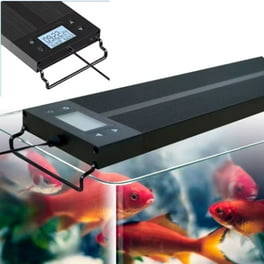
Credit: www.walmart.com
Choosing The Right Light
Lighting is key to keeping marine ornamental fish healthy. The right light helps fish show their best colors. It also supports plants and corals in the tank.
Choosing the best light depends on the type of fish and tank setup. This guide explains the main light types and what to consider.
Types Of Aquarium Lights
There are several lighting options for marine tanks. Common types include LED, fluorescent, and metal halide lights. Each type has pros and cons.
- LED lights use less power and last longer.
- Fluorescent bulbs are cheaper but need more frequent replacement.
- Metal halide lights produce intense light for deep tanks.
Light Intensity And Spectrum
Light intensity means how bright the light is. Spectrum means the colors the light produces. Both affect fish and plant health.
| Factor | Description |
| Intensity | Measured in lumens. Higher for coral growth. |
| Spectrum | Includes blue, white, and red light. Blue helps coral photosynthesis. |
| Duration | 8-12 hours daily usually works best for marine tanks. |
Led Vs Fluorescent Vs Metal Halide
LED lights are energy-efficient and cool. They offer customizable colors and last long.
Fluorescent lights cost less initially. They give good light but use more power and heat.
Metal halide lights shine very bright. They are good for large or deep tanks but use more energy and heat.
- LED: Energy-saving, long life, color control
- Fluorescent: Lower cost, moderate life, less bright
- Metal Halide: Very bright, more heat, higher cost
Effects On Fish Coloration
Lighting plays a big role in how marine ornamental fish show their colors. The right light helps fish look bright and natural. Poor lighting can make fish look dull or stressed.
Different types of light affect fish colors in different ways. Choosing the correct lighting can improve fish health and enhance their beauty.
Enhancing Vibrancy Naturally
Natural lighting helps fish show their true colors. Using full-spectrum lights mimics sunlight and brings out vivid colors.
Regular lighting cycles also support natural color changes. Fish need a balance of light and dark to stay healthy and colorful.
- Use full-spectrum LED lights for natural effect
- Keep light on for 8-12 hours daily
- Avoid sudden changes in light intensity
Color Temperature And Mood
Color temperature changes the look of fish and the aquarium. Cooler light (blue tones) can make fish colors pop. Warmer light (yellow tones) creates a calm mood.
Choosing the right temperature depends on fish species. Some fish show better colors under blue light, others under white or warm light.
- 5000-7000K suits most marine fish
- Blue light enhances blues and reds
- Warm light makes the tank feel peaceful
Avoiding Stress From Lighting
Too much light can stress fish and fade their colors. Sudden light changes scare fish and harm their health.
Use timers to keep light consistent. Avoid placing the tank in direct sunlight to prevent overheating and stress.
- Keep light intensity moderate
- Use gradual light on/off with timers
- Prevent glare and direct sunlight exposure
Supporting Coral And Plant Growth
Lighting is very important for marine ornamental fish tanks. It helps corals and plants grow healthy. Proper light supports photosynthesis, which corals and plants need.
Choosing the right light helps create a natural environment. This keeps your tank vibrant and balanced for all marine life.
Light Requirements For Corals
Corals need strong light because they host tiny algae called zooxanthellae. These algae make food for corals through photosynthesis. Without enough light, corals can lose color or die.
Different corals need different light levels. Some need bright light, while others do better in low light. It is important to learn your coral types before setting up lights.
- Soft corals usually need medium light
- Hard corals often require strong light
- Adjust light intensity based on coral species
Balancing Light For Plants And Fish
Plants also need light to grow through photosynthesis. They prefer moderate light that is not too harsh. Fish do best with a natural day and night light cycle.
Too much light can stress fish and cause algae overgrowth. Too little light slows plant growth. Balance light intensity and duration for all tank life.
- Use lights that support both plants and corals
- Avoid very bright lights that stress fish
- Keep light levels steady and consistent
Photoperiod And Growth Cycles
Photoperiod means the amount of light and dark time each day. Corals and plants need regular light cycles to grow well. Too much light can cause problems like algae blooms.
Most marine tanks do best with 8 to 12 hours of light daily. This mimics natural sunlight and helps maintain healthy growth cycles.
- Set timers to keep light on for 8-12 hours
- Provide a dark period for rest and recovery
- Adjust photoperiod based on tank inhabitants
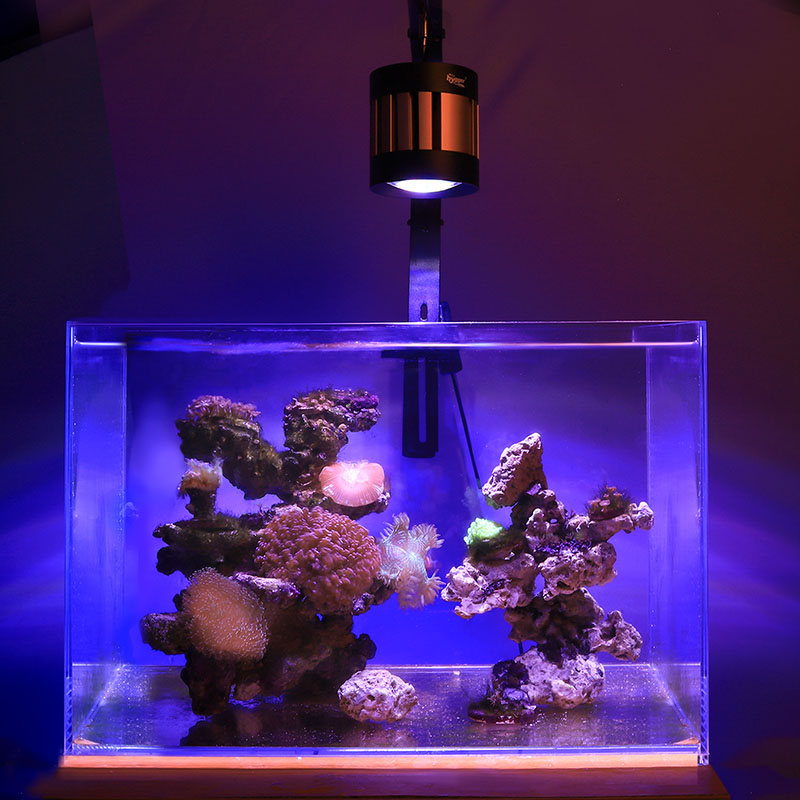
Credit: www.hygger-online.com
Setting Up Your Lighting System
Lighting plays a key role in keeping marine ornamental fish healthy. Proper light helps fish show their colors and supports plants and corals.
Setting up your lighting system correctly ensures good coverage and saves energy. Learn how to place lights, use timers, and stay efficient.
Positioning Lights For Optimal Coverage
Place your lights to cover the entire tank evenly. Avoid dark spots and bright glare that can stress fish.
- Center lights above the tank for even spread
- Use multiple light sources for large tanks
- Adjust height to balance brightness and coverage
- Angle lights slightly to reduce shadows
- Check light reach regularly as plants or decorations grow
Timers And Automation
Use timers to create a natural day and night cycle. This helps fish keep their regular behavior and reduces algae growth.
| Timer Setting | Recommended Duration |
| Daylight | 8 to 10 hours |
| Dawn/Dusk (dim light) | 30 minutes each |
| Night (off or moonlight) | 12 to 14 hours |
Automated systems keep your lighting consistent and reduce manual work.
Energy Efficiency Tips
Save electricity and lower heat by choosing efficient lighting. This helps the environment and reduces tank temperature.
- Use LED lights designed for aquariums
- Turn off lights when not needed
- Clean fixtures and bulbs to keep brightness high
- Use reflectors to direct light better
- Choose the right wattage for your tank size
Maintenance And Troubleshooting
Proper lighting is essential for marine ornamental fish tanks. It helps fish stay healthy and shows their colors well.
Regular maintenance and quick troubleshooting keep your lighting system working correctly. This guide covers key steps to follow.
Replacing Bulbs And Fixtures
Bulbs lose brightness over time and need replacement. Fixtures can also wear out and require changing to keep light quality high.
Use bulbs made for marine tanks. Match the wattage and color temperature to avoid stressing your fish.
- Turn off power before replacing bulbs or fixtures.
- Clean the fixture to remove salt and dust.
- Install the new bulb firmly but gently.
- Check the timer settings after replacement.
- Dispose of old bulbs safely according to local rules.
Dealing With Algae Issues
Too much light can cause algae to grow quickly. Algae can make your tank look dirty and harm fish health.
Control algae by adjusting light duration and intensity. Keep the tank clean and avoid overfeeding fish.
- Limit lighting to 8-10 hours per day.
- Use timers to keep light on schedule.
- Clean algae from glass and decorations regularly.
- Check for excess nutrients in the water.
- Consider adding algae-eating fish or snails.
Monitoring Light Effects On Fish Health
Watch your fish closely for signs of stress or illness caused by lighting. Light that is too bright or too dim can hurt fish.
Adjust lighting if fish show unusual behavior or color changes. Good lighting helps fish stay active and healthy.
- Look for faded colors or hiding behavior.
- Check for increased gasping or rapid breathing.
- Observe if fish avoid the lit areas.
- Use light settings recommended for your fish species.
- Keep a consistent light schedule every day.
Credit: www.amazon.com
Frequently Asked Questions
What Is The Best Lighting For Marine Ornamental Fish?
The best lighting mimics natural sunlight with full-spectrum LED lights. It enhances fish colors and supports coral growth. Proper intensity and duration prevent stress and algae overgrowth, ensuring a healthy marine environment.
How Many Hours Of Light Do Marine Fish Need Daily?
Marine ornamental fish typically need 8 to 12 hours of light daily. This simulates their natural habitat and maintains their biological rhythm. Avoid excessive lighting to prevent algae growth and stress in fish.
Can Improper Lighting Harm Marine Fish Or Corals?
Yes, improper lighting can stress fish and damage corals. Too much light causes bleaching in corals, while too little hinders growth. Balanced lighting supports health, color vibrancy, and natural behaviors in marine aquarium inhabitants.
Why Is Led Lighting Preferred For Marine Aquariums?
LED lighting is energy-efficient, long-lasting, and customizable in spectrum. It provides optimal light intensity for fish and coral health. LEDs generate less heat, reducing temperature fluctuations and improving aquarium stability.
Conclusion
Good lighting keeps marine fish healthy and colors bright. It helps plants and corals grow well too. Choose lights that match your fish’s needs and tank size. Change the lighting cycle to copy natural day and night. Watch your fish’s behavior to see if they like the light.
Proper lighting makes your tank look beautiful and lively. Small efforts can lead to big changes in your aquarium. Enjoy the calm and beauty your marine fish bring every day.