
If you want your juvenile fish to grow strong and healthy, the right aquarium lighting is key. You might think any light will do, but the truth is, the type and timing of light can make a big difference in your fish’s development.
Imagine giving your young fish the perfect environment where they feel safe, active, and ready to thrive. You’ll discover exactly how to choose and set up lighting that supports your juvenile fish’s needs every step of the way. Keep reading to unlock the secrets that can help your aquarium flourish like never before.
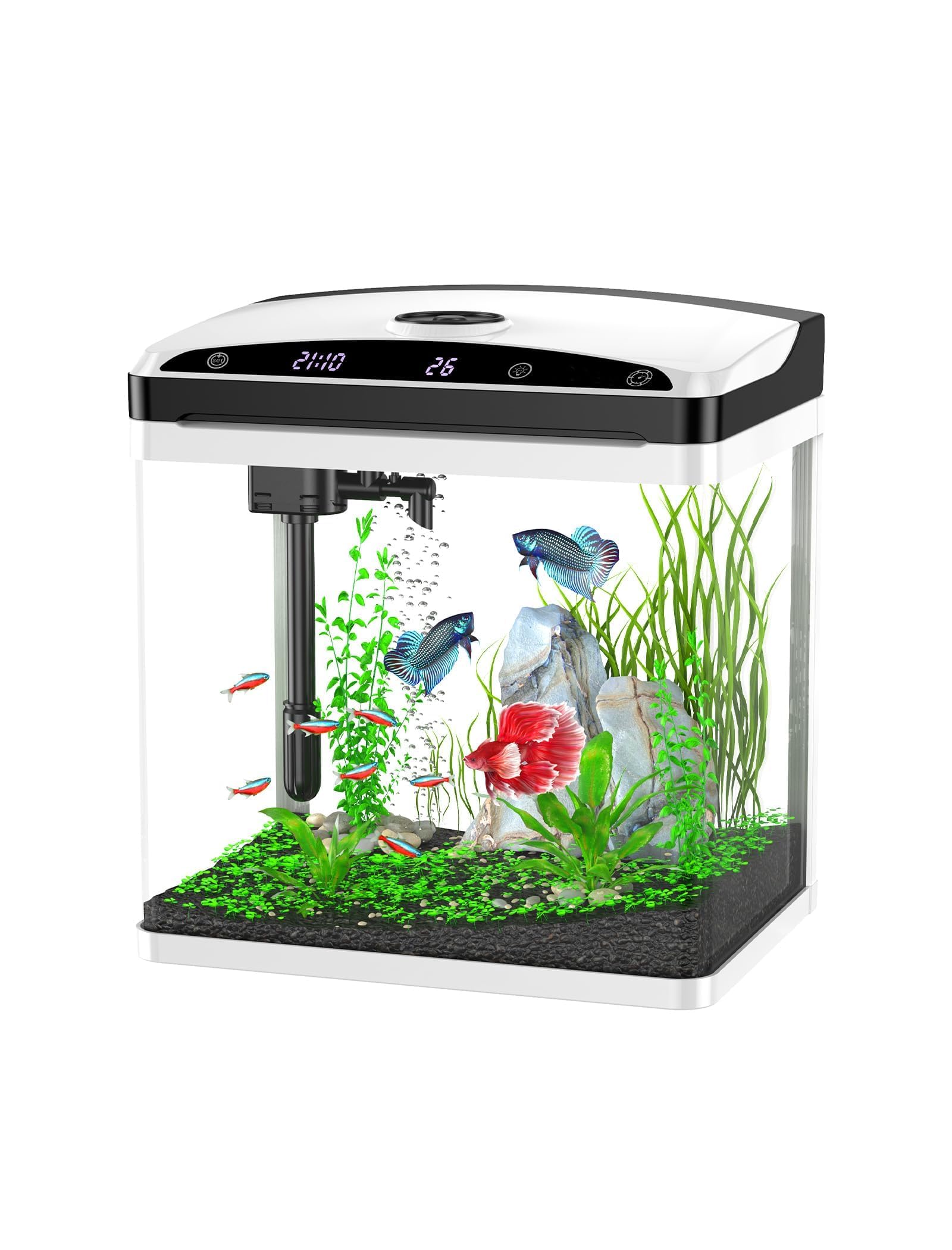
Credit: www.amazon.ca
Choosing The Right Light Spectrum
Lighting is very important for juvenile fish in aquariums. The right light helps fish grow and stay healthy.
Choosing the correct light spectrum means picking the colors and types of light that suit your fish best.
Benefits Of Full Spectrum Lighting
Full spectrum lighting covers all colors of natural sunlight. It helps fish see their environment clearly and supports plant growth.
- Enhances fish colors and patterns
- Supports healthy plant photosynthesis
- Improves fish activity and feeding behavior
- Creates a natural day-night cycle
Avoiding Harmful Uv Rays
UV rays can harm juvenile fish by causing stress or injury. It is important to use aquarium lights that filter out strong UV radiation.
Check the light bulb or fixture specifications to ensure UV rays are minimized or blocked.
Matching Light To Fish Species
Different fish species need different light colors and intensities. Juvenile fish have special needs for growth and comfort.
| Fish Species | Recommended Light Spectrum | Light Intensity |
| Neon Tetra | Blue and White | Low to Medium |
| Guppy | Full Spectrum | Medium |
| Discus | Warm White | Low |
| Betta | Red and Warm White | Low to Medium |
Optimal Light Intensity
Proper lighting is important for juvenile fish health. It helps them grow and stay active.
Too much or too little light can cause stress and harm their development.
Balancing Brightness And Comfort
Juvenile fish need light that is bright enough to see but soft enough to avoid stress.
- Use dimmable lights to control brightness
- Provide shaded areas for fish to hide
- Keep a consistent light schedule daily
- Choose light colors that mimic natural environments
Effects Of Overexposure
Too much light can cause several problems for young fish.
| Problem | Effect on Fish |
| Stress | Weakens immune system |
| Algae Growth | Reduces water quality |
| Disrupted Sleep | Leads to poor growth |
| Color Fading | Less vibrant appearance |
Adjusting Intensity As Fish Grow
Light needs change as juvenile fish grow into adults.
Follow these tips to adjust light intensity over time:
- Start with low light levels for young fry
- Increase brightness gradually as fish develop
- Observe fish behavior and adjust accordingly
- Reduce light during molting or stress periods
Lighting Duration And Timing
Aquarium lighting is important for juvenile fish health. It helps their growth and activity.
Setting the right lighting time keeps fish safe and stress-free. Fish need a regular light schedule.
Setting A Consistent Light Cycle
Juvenile fish need a steady light cycle to feel comfortable. This means the same time for light and dark every day.
A regular cycle helps fish sleep and eat well. It also supports their natural body rhythms.
- Turn lights on and off at the same time daily
- Keep light duration between 8 to 12 hours
- Avoid sudden changes in lighting times
Mimicking Natural Daylight Patterns
Natural light changes help fish develop properly. Bright mornings and dim evenings are best.
Soft light in the evening prepares fish for night. This reduces stress and helps their sleep.
- Use bright light during daytime hours
- Lower light intensity gradually before night
- Keep the tank darker at night for rest
Using Timers For Automation
Timers make light control easy and exact. They keep light cycles steady without manual work.
Automatic timers reduce mistakes and stress for fish. You can set lights to turn on and off at set times.
- Set timers to match the fish’s light schedule
- Choose timers with daily repeat features
- Check timers often to ensure they work well

Credit: www.amazon.ca
Impact On Fish Behavior And Health
Aquarium lighting plays a key role in the behavior and health of juvenile fish. Proper light helps fish stay active and grow well.
Light affects how fish feed, swim, and interact with their environment. Choosing the right light can improve their overall well-being.
Promoting Active Swimming
Good lighting encourages juvenile fish to swim more. Bright but gentle light mimics natural daylight, which helps fish stay active.
Active swimming supports strong muscles and healthy development. It also helps fish explore their environment and avoid illness.
Supporting Feeding Habits
Proper lighting helps juvenile fish see their food clearly. This leads to better feeding and growth rates.
- Use light with a spectrum close to natural daylight
- Avoid lights that are too dim or too harsh
- Keep a consistent light schedule to help fish recognize feeding times
- Position lights to reduce shadows where food can hide
Reducing Stress And Aggression
Balanced lighting lowers stress in juvenile fish. Stress can cause illness and aggressive behavior.
| Lighting Aspect | Effect on Fish |
| Too bright | Increases stress and hides fish |
| Too dim | Reduces activity and feeding |
| Stable light cycle | Reduces aggression and improves health |
Lighting For Plant Growth And Tank Ecosystem
Lighting plays a key role in keeping juvenile fish tanks healthy. Proper light helps plants grow strong and supports the whole tank ecosystem.
Good lighting also keeps algae under control and makes the tank look nice. Choosing the right light can balance all these needs.
Choosing Lights For Aquatic Plants
Aquatic plants need light that helps them make food through photosynthesis. They grow best under full-spectrum lights that mimic sunlight.
Look for lights with the right color temperature, usually between 5000K and 7000K. This range supports healthy plant growth.
- Use LED or fluorescent lights made for aquariums
- Provide 8 to 12 hours of light daily for plants
- Avoid very strong lights that may harm young fish
Balancing Algae Growth
Too much light can cause algae to grow fast. Algae can cover plants and make the tank dirty.
Control the light time and intensity to keep algae low. Use a timer to give plants just enough light without feeding algae.
- Limit light to 8-10 hours per day
- Use moderate light intensity, not too bright
- Clean the tank regularly to remove algae
Enhancing Tank Aesthetics
Good lighting makes the tank look beautiful and shows off fish colors. It also creates a natural feel for juvenile fish.
Choose lights that highlight plants and fish without being too harsh. Soft, even light helps all parts of the tank shine.
- Use adjustable lights to change brightness
- Consider blue or white LEDs for natural effects
- Place lights to avoid dark spots in the tank
Credit: esperar.shop
Maintenance And Safety Tips
Aquarium lighting is important for juvenile fish growth. Proper maintenance ensures safety and efficiency.
Follow these tips to keep your aquarium lights in top condition and ensure the safety of your fish.
Regular Light Fixture Cleaning
Clean your aquarium light fixtures regularly to ensure they work well. Dust and water spots can block light.
Use a soft cloth to wipe the fixtures. Avoid harsh chemicals that could harm fish.
- Unplug the light before cleaning
- Use a damp cloth for dust removal
- Dry fixtures completely before plugging back in
Preventing Electrical Hazards
Electrical safety is crucial for aquariums. Prevent hazards by ensuring cords and plugs are in good condition.
Check for frayed cords and replace them immediately. Keep power strips away from water.
- Use drip loops in cords
- Keep electrical equipment dry
- Check connections regularly
Replacing Bulbs On Schedule
Replace aquarium bulbs on a regular schedule. Old bulbs can become dim, affecting fish health.
Note the type and lifespan of your bulbs. Plan replacements to maintain optimal light levels.
| Bulb Type | Lifespan |
| Fluorescent | 6-12 months |
| LED | 1-5 years |
Frequently Asked Questions
What Is The Best Aquarium Lighting For Juvenile Fish?
The best lighting is soft, natural, and mimics daylight. Avoid intense or flashing lights to reduce stress. LED lights are energy-efficient and adjustable for brightness. Proper lighting supports healthy growth and behavior in juvenile fish.
How Many Hours Should Juvenile Fish Have Light Daily?
Juvenile fish need about 8 to 12 hours of light daily. This simulates their natural environment and promotes healthy development. Avoid prolonged lighting to prevent algae growth and stress. Use timers for consistent lighting schedules.
Can Aquarium Lighting Affect Juvenile Fish Growth?
Yes, proper lighting supports growth by aiding plant photosynthesis and fish metabolism. Inadequate light can cause stress and slow growth. Balanced lighting helps maintain a healthy aquarium environment, crucial for juvenile fish development.
Should Aquarium Lighting Be Adjusted For Different Fish Species?
Yes, lighting needs vary by species. Some juvenile fish prefer dim light, while others thrive in brighter settings. Research species-specific requirements to create an optimal habitat. Adjust lighting intensity and duration accordingly for best results.
Conclusion
Proper lighting helps juvenile fish grow healthy and strong. It supports their natural behavior and feeding habits. Choose lights that mimic daylight for best results. Avoid bright or harsh lights that stress young fish. Regularly check and adjust lighting to fit your aquarium’s needs.
Good lighting also highlights your fish’s colors beautifully. Remember, balanced lighting creates a safe and comfortable home. Keep learning and observing your fish to improve their environment. Lighting plays a key role in their early life stages. Careful attention makes a happy, thriving aquarium.