
Are you ready to transform your aquarium into a stunning underwater garden? Aquascaping with decorative plants is the secret to creating a vibrant, peaceful space right in your home.
Imagine watching your fish swim through lush greenery that not only looks beautiful but also helps keep your tank healthy. You’ll discover how to choose the right plants, arrange them for maximum impact, and bring your aquarium to life like never before.
Keep reading to unlock simple tips that will turn your tank into a breathtaking masterpiece.

Credit: buceplant.com
Choosing The Right Decorative Plants
Decorative plants bring life and color to your aquarium. Choosing the right plants makes your aquascape look natural and healthy.
Think about the size, color, and care needs of plants before adding them. This helps your aquarium thrive and stay beautiful.
Popular Aquascaping Plants
Some plants are common in aquascaping because they look good and grow well underwater. These plants fit many aquarium styles.
- Java Moss – easy to grow and good for beginners
- Anubias – slow-growing with thick green leaves
- Java Fern – needs low light and attaches to rocks or wood
- Amazon Sword – large leaves, good for background
- Cryptocoryne – comes in many shapes and colors
Plant Care And Maintenance
Plants need proper care to stay healthy. Regular trimming keeps them neat and stops overgrowth.
Use plant fertilizers and check water quality often. Clean leaves gently to remove algae and debris.
- Trim plants every 1-2 weeks
- Use liquid or root fertilizers
- Keep water clean and balanced
- Remove dead or yellow leaves
- Provide enough light for growth
Matching Plants To Aquarium Conditions
Choose plants that match your aquarium’s light, temperature, and water type. This helps plants grow better and live longer.
Research plant needs before adding them. Some plants like soft water, others need hard water or strong light.
| Plant | Light | Temperature | Water Type |
|---|---|---|---|
| Java Moss | Low to medium | 59-86°F (15-30°C) | Soft to hard |
| Anubias | Low | 72-82°F (22-28°C) | Soft to hard |
| Java Fern | Low to medium | 68-82°F (20-28°C) | Soft to medium |
| Amazon Sword | Medium to high | 72-82°F (22-28°C) | Soft to medium |
| Cryptocoryne | Low to medium | 72-82°F (22-28°C) | Soft to medium |
Designing Your Aquarium Layout
Designing your aquarium layout is key to a beautiful aquascape. It helps your decorative plants stand out.
A good layout creates balance and harmony. It makes the aquarium a peaceful place to watch.
Creating Focal Points
A focal point draws attention inside the aquarium. It can be a unique plant or a cluster of plants.
Place the focal point off-center to follow the rule of thirds. This makes the layout more natural.
- Use tall or colorful plants as focal points
- Group plants to create visual interest
- Keep space around the focal point clear
Balancing Colors And Textures
Mix different colors and textures to create depth. Bright green leaves contrast well with dark ones.
Use soft, round leaves with sharp, thin leaves. This contrast makes the scene lively and interesting.
- Use light and dark green plants together
- Add red or purple plants for color pops
- Mix smooth and rough leaf textures
Using Hardscape Elements
Hardscape includes rocks, wood, and other solid decorations. They give structure to your aquarium design.
Place hardscape elements before adding plants. They help define areas and support plant placement.
- Use rocks to create natural barriers
- Add wood for height and texture
- Arrange hardscape to guide the eye
Planting Techniques For Aquascapes
Aquascaping uses plants to create beautiful underwater scenes. Proper planting techniques help plants grow strong and look great.
Good planting starts with the right care and steps. This guide covers how to prepare the substrate, plant effectively, and support root growth.
Substrate Preparation
The substrate is the base layer where plants grow. Preparing it well helps plants get nutrients and stay stable.
Choose a nutrient-rich substrate or add plant fertilizers. Clean the substrate to remove dust. Spread it evenly in the aquarium.
- Use 2-3 inches of substrate depth
- Mix nutrient soil with sand for stability
- Rinse substrate to avoid cloudiness
- Keep substrate slightly sloped for water flow
Planting Methods
Plant carefully to avoid damaging roots or stems. Handle plants gently and position them well in the substrate.
Use tweezers to place small plants. Insert roots deep enough to hold plants firmly. Space plants to allow growth and light access.
- Trim damaged leaves before planting
- Plant taller species at the back
- Place foreground plants in front
- Leave room between plants for water flow
Ensuring Healthy Root Growth
Strong roots keep plants alive and growing well. Healthy roots absorb nutrients and anchor plants in place.
Keep the substrate clean and nutrient-rich. Avoid disturbing the roots after planting. Provide good lighting and water quality.
- Check roots for rot or damage
- Add root tabs for slow nutrient release
- Maintain steady water temperature
- Use CO2 for better growth if possible
Lighting And Nutrient Requirements
Aquascaping with decorative plants needs the right light and nutrients. These factors help plants grow healthy and look great.
Good lighting and proper nutrients keep plants strong and prevent problems like algae. Let’s explore what to use.
Choosing The Right Lighting
Plants need light to make food through photosynthesis. Choose lights that give the right brightness and color for your plants.
LED lights are popular for aquascaping. They save energy and can be adjusted for intensity and color temperature.
- Use full-spectrum light for natural colors and growth
- Keep light on for 8 to 10 hours a day
- Avoid very bright light to reduce algae risk
Fertilizers And Co2 Supplementation
Plants need nutrients like nitrogen, phosphorus, and potassium to grow well. Fertilizers add these nutrients to the water.
CO2 is also important because it helps plants make food faster. Adding CO2 can improve plant health and growth.
- Use liquid or root fertilizers based on plant types
- Test water regularly to avoid nutrient imbalance
- Consider CO2 injection for densely planted tanks
Preventing Algae Growth
Algae can harm your aquascape by covering plants and making water cloudy. Controlling light and nutrients helps stop algae.
Keep a balance between light, CO2, and fertilizers. Too much of any can cause algae to grow quickly.
- Limit light duration to avoid excess algae
- Do regular water changes to remove waste
- Add algae-eating fish or snails as natural control
Maintaining A Thriving Aquascape
A healthy aquascape needs regular care to keep plants vibrant. Proper maintenance helps plants grow strong and keeps the water clear.
Focus on pruning, water quality, and plant health checks. These steps create a balanced environment for your aquascape.
Regular Pruning And Trimming
Trim plants often to remove dead leaves and control growth. Pruning helps light reach all parts of the tank.
- Cut back fast-growing stems to keep shape
- Remove yellow or decayed leaves quickly
- Thin out crowded areas for better water flow
- Use sharp scissors to avoid damaging plants
Water Changes And Filtration
Clean water is vital for plant health. Change water regularly and keep filters working well.
| Task | Frequency |
| Partial water change (20-30%) | Once a week |
| Filter maintenance | Every 2 weeks |
| Check water parameters (pH, nitrates) | Weekly |
| Remove debris and waste | Daily or as needed |
Monitoring Plant Health
Watch plants closely for signs of trouble. Early action prevents damage and loss.
- Look for color changes or spots on leaves
- Check for algae growth on plants and glass
- Note slow growth or leaf loss
- Adjust light, nutrients, or CO2 as needed
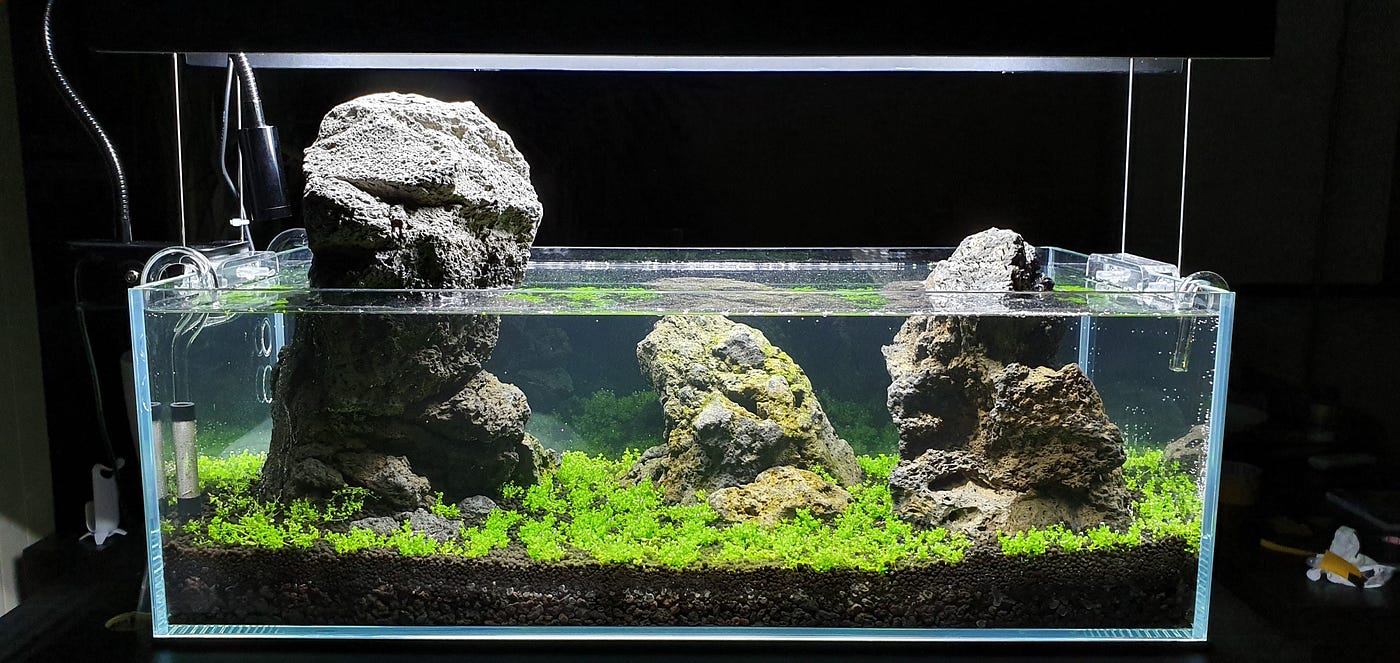
Credit: medium.com
Inspiring Aquascape Styles
Aquascaping is a creative way to design underwater landscapes. Using decorative plants, you can transform a simple aquarium into a stunning aquatic garden.
Explore different styles to find what best suits your taste and space. Here are some inspiring aquascape styles to consider.
Nature-inspired Layouts
Nature-inspired layouts mimic natural landscapes. They often include rocks, wood, and plants arranged to resemble forests, rivers, or mountains.
In a nature-inspired aquascape, consider these elements:
- Driftwood for natural texture
- Stone formations for structure
- Varied plant species for diversity
Minimalist Designs
Minimalist designs focus on simplicity and elegance. They use fewer elements and emphasize open space and clean lines.
| Element | Description |
| Single Plant Type | Focus on one plant species |
| Clear Background | Highlight the main features |
| Open Space | Enhance simplicity |
Themed Aquascapes
Themed aquascapes are designed around a specific idea or setting. They often tell a story or evoke a particular mood.
- Choose a theme like a shipwreck or a jungle.
- Select plants and decorations that fit the theme.
- Arrange elements to create depth and interest.
Let your creativity shine as you craft a themed aquascape that captivates the imagination.
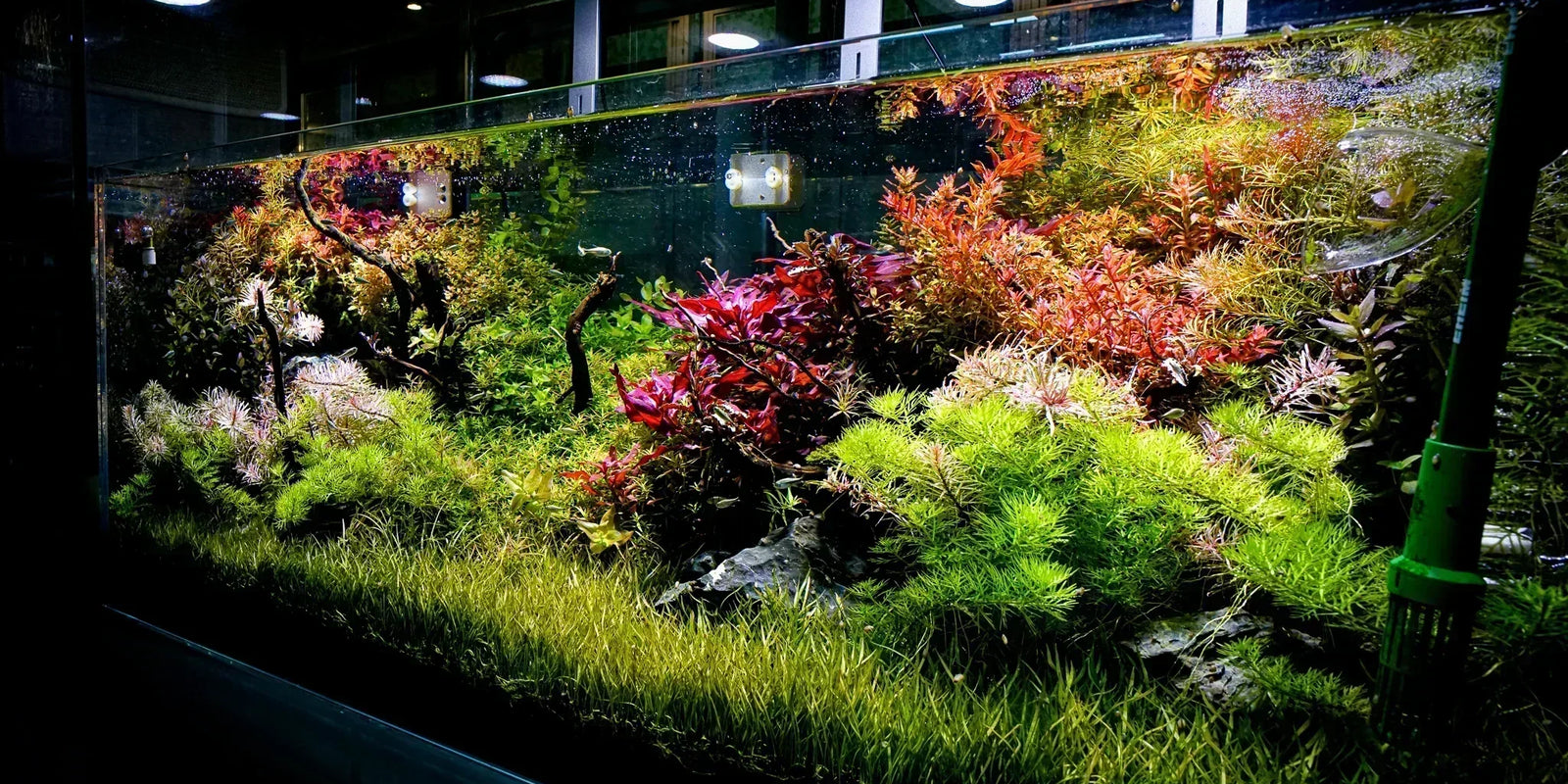
Credit: plantedpro.com
Frequently Asked Questions
What Are The Best Decorative Plants For Aquascaping?
Popular decorative plants include Java fern, Anubias, and Cryptocoryne. They thrive underwater and add vibrant greenery to aquascapes. These plants require low to moderate light and are easy to maintain, making them ideal for beginners and experts alike.
How Do Decorative Plants Improve Aquascape Aesthetics?
Decorative plants add texture, color, and depth to aquascapes. They create natural landscapes and enhance visual appeal. Plants also provide hiding spots for aquatic life, contributing to a balanced and healthy aquarium environment.
Can Decorative Plants Survive Without Co2 Supplementation?
Many decorative plants can survive without CO2 but grow slower. Low-tech plants like Java fern and Anubias do well without added CO2. However, CO2 boosts growth and vibrancy in high-tech aquascaping setups.
How Often Should Decorative Plants Be Trimmed In Aquascaping?
Trim decorative plants every 2 to 4 weeks to maintain shape. Regular trimming promotes healthy growth and prevents overcrowding. It also helps maintain the aquascape’s desired design and balance.
Conclusion
Decorative plants bring life and color to any aquascape. They create a natural look and provide shelter for fish. Choosing the right plants helps keep the tank balanced and healthy. Regular care and trimming keep plants growing strong. Aquascaping with plants offers a relaxing hobby and a beautiful display.
Try different plants to find what suits your style best. Enjoy the calm and beauty that plants add to your underwater world.