
Have you ever wondered how tiny changes in water temperature can affect the vibrant coral reefs you love? Coral temperature sensitivity is a hidden factor that could shape the future of these underwater wonders.
If you care about the ocean’s health or simply want to understand why coral reefs sometimes fade away, this topic is crucial for you. Keep reading to discover how temperature changes impact coral survival, and what that means for the world beneath the waves—and for your connection to it.

Credit: www.researchgate.net
Coral And Temperature
Corals are animals that live in warm ocean waters. Temperature affects how well corals grow and stay healthy.
Too much heat can harm corals and cause problems for coral reefs. Understanding coral and temperature is important.
Coral Biology Basics
Corals are made of tiny animals called polyps. They build hard skeletons from calcium carbonate.
Corals have a special partnership with algae called zooxanthellae. These algae live inside coral tissues and provide food.
- Polyps create the coral structure
- Zooxanthellae produce energy through photosynthesis
- Corals rely on algae for most of their food
- Healthy corals have clear, bright colors from algae
Temperature’s Role In Coral Health
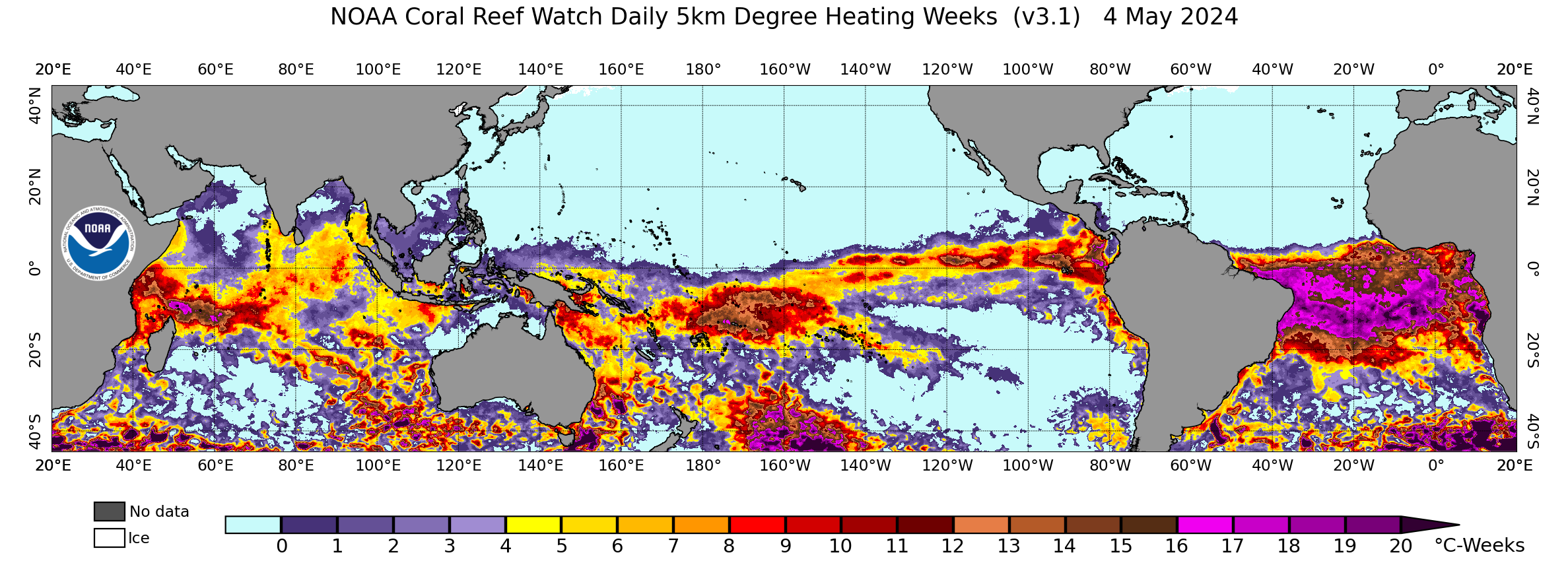
Corals live best in water between 23°C and 29°C (73°F to 84°F). Temperatures outside this range stress corals.
High temperatures cause corals to expel their algae. This leads to coral bleaching and weakens the coral.
- Normal temperature range supports coral growth
- Above 29°C, corals risk bleaching
- Bleached corals lose color and energy
- Prolonged heat can kill coral colonies
Credit: coralreefwatch.noaa.gov
Heat Stress Effects
Coral reefs face serious threats from rising ocean temperatures. Heat stress harms corals in many ways.
This damage affects coral health, growth, and survival. Understanding these effects helps protect reefs.
Coral Bleaching Phenomenon
Heat stress causes coral bleaching by pushing corals to lose their color. This happens when corals expel tiny algae called zooxanthellae.
- Zooxanthellae provide food to corals through photosynthesis.
- Without algae, corals turn white and lose energy.
- Bleached corals become weak and more likely to die.
- Recovery is possible if temperatures drop soon after bleaching.
Impact On Coral Reproduction
Heat stress lowers coral reproduction rates. Corals produce fewer eggs and sperm during high temperatures.
| Reproductive Aspect | Effect of Heat Stress |
| Egg Production | Decreases significantly |
| Sperm Viability | Reduces sharply |
| Larval Survival | Falls due to poor conditions |
| Spawning Timing | Can become irregular |
Environmental Factors
Corals are very sensitive to changes in their environment. Small shifts in temperature can harm their health.
Understanding environmental factors helps us protect coral reefs from damage and loss.
Ocean Warming Trends
Ocean temperatures have been rising steadily over the past decades. This warming stresses coral reefs and causes bleaching.
When water gets too warm, corals lose the tiny algae that give them color and food.
- Higher ocean temperatures increase coral bleaching events
- Prolonged heat weakens coral immune systems
- Warmer waters reduce coral growth and reproduction
Local Stressors Amplifying Heat Impact
Local factors make corals more vulnerable to heat. Pollution and overfishing reduce coral resilience.
These stressors add pressure on corals already stressed by rising temperatures.
- Water pollution lowers water quality and harms coral health
- Overfishing removes species that help maintain reef balance
- Coastal development increases sediment that smothers corals

Credit: www.ospo.noaa.gov
Adaptive Mechanisms
Corals face changes in ocean temperature that affect their health. They use special ways to survive these changes. These ways help corals live in different temperature conditions.
Understanding these adaptive mechanisms helps protect coral reefs. These methods include changes inside the coral and partnerships with other organisms.
Coral Acclimatization
Coral acclimatization means corals adjust slowly to new temperatures. They change their biology to better handle heat or cold. This process can take days or weeks.
During acclimatization, corals may change how they produce energy. They can also alter their proteins to protect cells from heat damage.
- Adjust metabolism to cope with temperature shifts
- Produce heat-shock proteins to protect cells
- Alter growth rates to save energy
- Modify tissue thickness to reduce heat stress
Symbiotic Relationships
Corals live with tiny algae called zooxanthellae. These algae make food using sunlight. The coral gets energy from the algae, and the algae get a safe home.
This partnership helps corals survive temperature changes. Some corals change their algae types to more heat-tolerant ones. This swap helps corals handle warmer water better.
- Zooxanthellae provide energy through photosynthesis
- Corals offer protection and nutrients to algae
- Corals can host different algae types for heat tolerance
- Changing algae helps corals survive temperature rise
Research And Monitoring
Coral reefs are very sensitive to temperature changes. Research helps us understand how heat affects them. Monitoring keeps track of coral health over time.
Scientists use tools and experiments to study coral responses to temperature. This knowledge guides efforts to protect reefs.
Temperature Tracking Technologies
Scientists use devices to measure water temperature near coral reefs. These tools give real-time data and long-term records.
- Satellite sensors monitor sea surface temperature globally
- Data loggers record temperature at different depths
- Buoys provide continuous temperature updates
- Remote sensing detects temperature changes from afar
- Underwater sensors track micro-environments around corals
Field Studies And Experiments
Field studies involve observing corals in their natural habitat. Experiments test how corals react to different temperature levels.
| Type of Study | Purpose | Method |
| Field Observation | Monitor natural coral response | Visual surveys and temperature logging |
| Lab Experiment | Test coral reaction to heat | Controlled heating tanks and stress tests |
| Transplant Study | Check coral adaptability | Moving corals to warmer areas |
| Genetic Analysis | Identify heat-resistant coral types | DNA testing of coral samples |
Conservation Efforts
Coral reefs are sensitive to temperature changes. They need help to survive warming oceans. Conservation efforts focus on protecting and restoring these vital ecosystems.
Scientists and organizations are working together. They aim to preserve coral reefs and improve their resilience. This involves various strategies and actions.
Restoration Techniques
Restoration techniques are important for coral survival. These methods help damaged reefs recover and grow stronger.
Coral gardening is one technique. It involves growing corals in nurseries and planting them on reefs. This helps reefs regenerate faster.
- Coral fragments are grown in nurseries
- Healthy corals are transplanted to damaged areas
- Regular monitoring ensures coral health
Policy And Climate Action
Policies play a crucial role in coral conservation. Governments set rules to protect coral reefs from harm. These rules help reduce pollution and overfishing.
Climate action is also vital. Reducing carbon emissions can slow ocean warming. This helps corals adapt to changing conditions.
| Policy Measures | Climate Actions |
|---|---|
| Marine protected areas | Reduce greenhouse gas emissions |
| Fishing regulations | Promote renewable energy |
| Pollution control | Enhance energy efficiency |
Frequently Asked Questions
What Causes Coral Temperature Sensitivity?
Coral temperature sensitivity mainly arises from their reliance on symbiotic algae. These algae provide energy through photosynthesis. Temperature changes disrupt this balance, causing stress and bleaching.
How Does Temperature Affect Coral Bleaching?
Elevated temperatures cause corals to expel algae, leading to bleaching. Prolonged heat stress weakens corals and reduces their growth and reproduction.
What Temperature Range Is Safe For Corals?
Most corals thrive between 23°C and 29°C. Temperatures above 30°C can cause stress and increase bleaching risks.
Can Corals Adapt To Temperature Changes?
Some corals show limited adaptation through genetic variation or shifting algae types. However, rapid temperature changes often outpace their ability to adapt.
Conclusion
Coral reefs face serious risks from rising water temperatures. Even small changes can harm their health quickly. Protecting corals means keeping ocean temperatures stable. Healthy reefs support many sea creatures and people worldwide. We all share the duty to help preserve these fragile ecosystems.
Understanding coral temperature sensitivity is the first step. Simple actions can make a big difference over time. Let’s work together to keep our oceans safe and vibrant.