
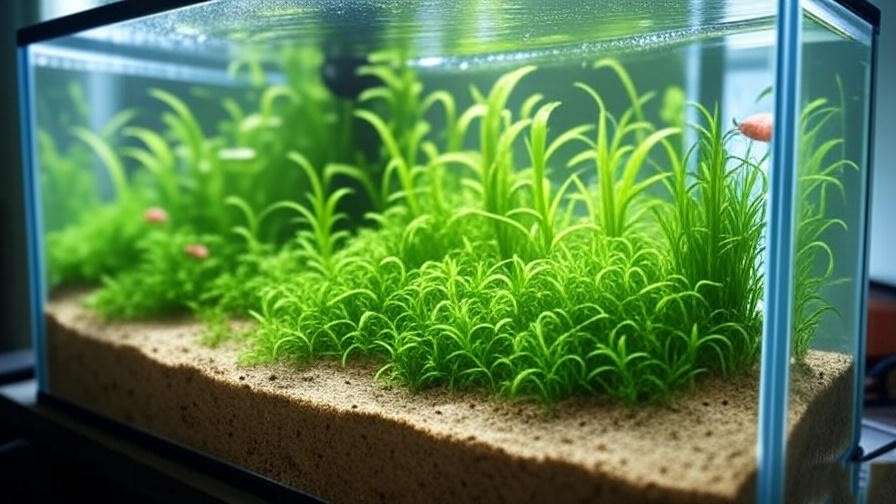
Are you ready to transform your aquarium into a stunning underwater garden? Aquascaping with foreground carpeting is the secret to creating a lush, vibrant base that makes your entire tank come alive.
Imagine a soft, green carpet spreading across the bottom of your aquarium, adding depth and a natural feel that catches every eye. You’ll discover how to choose the right plants, care for them, and design a breathtaking aquascape that will make your tank the centerpiece of any room.
Keep reading, and let’s bring your underwater vision to life!
Credit: agricarehub.com
Choosing Carpet Plants
Carpet plants create a green carpet effect in aquascapes. They cover the aquarium floor beautifully. Choosing the right carpet plants is important for a healthy layout.
Consider the species, growth needs, and light requirements before planting. This guide helps you pick the best carpet plants for your tank.
Popular Carpet Species
Many carpet plants fit well in aquariums. Some are easy for beginners. Others need more care but look amazing.
- Dwarf Hairgrass (Eleocharis parvula)– Thin green blades, fast grower.
- Glossostigma elatinoides– Small leaves, bright green, spreads quickly.
- Monte Carlo (Micranthemum tweediei)– Round leaves, dense coverage.
- Java Moss (Taxiphyllum barbieri)– Moss type, low light, slow spread.
- Riccia fluitans– Floating or tied down, bright green.
Growth Requirements
| Plant Species | Substrate Type | Growth Speed | Maintenance Level |
| Dwarf Hairgrass | Fine gravel or sand | Fast | Medium |
| Glossostigma | Rich nutrient substrate | Fast | High |
| Monte Carlo | Fertile soil or gravel | Medium | Medium |
| Java Moss | Can attach to rocks or wood | Slow | Low |
| Riccia | Can float or be tied down | Medium | Medium |
Light And Co2 Needs
Most carpet plants need good light to grow well. Some do better with added CO2. Check each plant’s needs before adding them.
- Dwarf Hairgrass: Medium to high light, benefits from CO2 injection.
- Glossostigma: High light, requires CO2 for best growth.
- Monte Carlo: Medium light, CO2 improves growth and color.
- Java Moss: Low light, does not need CO2.
- Riccia: Medium light, CO2 helps but not required.
Preparing The Substrate
Choosing and preparing the substrate is key for aquascaping with foreground carpeting. The substrate supports plant roots and affects growth.
Good preparation helps plants spread evenly and stay healthy in your aquarium.
Selecting The Right Substrate
Select a substrate that holds nutrients and allows water flow. It should be fine enough for small plant roots to grow well.
- Use sand or fine gravel for easy root attachment
- Avoid large rocks that block root growth
- Choose dark substrates to make plants stand out
- Consider substrates with added minerals for plant health
Layering Techniques
Layering the substrate helps provide nutrients and stability. Start with a nutrient-rich base layer and cover it with a top layer.
| Layer | Purpose | Material |
|---|---|---|
| Bottom Layer | Provide nutrients to roots | Clay-based soil or aqua soil |
| Middle Layer | Support and separate layers | Fine gravel or sand |
| Top Layer | Keep substrate stable and clean | Fine sand or dark gravel |
Nutrient Enrichment
Adding nutrients to the substrate is important for healthy plant growth. Use natural and safe options to enrich the soil.
Common nutrient sources include:
- Root tabs placed under the substrate
- Organic compost mixed in the base layer
- Mineral additives like iron and potassium
- Slow-release fertilizer pellets
Planting Techniques
Aquascaping with foreground carpeting plants needs careful planting. These plants create a green carpet effect in the aquarium.
Good planting techniques help plants grow evenly and stay healthy. This guide covers spacing, tools, and root care.
Spacing And Arrangement
Keep enough space between plants to let them grow. Crowding stops light and slows growth. Arrange plants in small groups for a natural look.
- Leave 1 to 2 centimeters between plants
- Place taller plants toward the back
- Use smaller plants in front for layering
- Group plants by type to ease maintenance
Planting Tools
Use the right tools to plant foreground carpeting plants carefully. Small tools avoid damaging delicate roots and leaves.
| Tool | Purpose |
| Tweezers | Place plants precisely |
| Scissors | Trim roots and leaves |
| Planting fork | Loosen substrate gently |
| Rooting sticks | Hold plants while planting |
Ensuring Root Stability
Secure roots well to keep plants in place. Loose roots can float or get eaten by fish. Use gentle pressure to push roots into the substrate.
- Plant roots deep enough, about 1 to 2 cm into substrate
- Do not bury stems to avoid rot
- Press substrate firmly around roots
- Use plant weights if needed to hold plants

Credit: www.reddit.com
Maintaining Healthy Growth
Maintaining healthy growth is essential for aquascaping with foreground carpeting plants. These plants need care to stay green and lush. Proper maintenance helps them cover the substrate evenly.
Good habits keep your aquarium plants strong and prevent problems like algae or poor growth. Focus on trimming, algae control, and water quality for best results.
Trimming And Pruning
Regular trimming stops carpeting plants from growing too tall. Pruning encourages new growth and keeps the carpet dense. Remove dead or damaged leaves to improve plant health.
- Trim plants every 1–2 weeks
- Use sharp scissors to avoid damaging stems
- Remove floating debris to allow light through
- Replant healthy cuttings to fill empty spots
Algae Control
Algae can compete with foreground plants for nutrients and light. Keep algae growth under control to protect your carpet. Use manual removal and balance aquarium conditions.
| Algae Type | Common Cause | Control Method |
| Green Algae | Too much light | Reduce lighting time |
| Brown Algae | Low nutrients | Increase fertilization |
| Hair Algae | Excess nutrients | Manual removal and water changes |
Water Parameters
Stable water parameters help plants grow well. Keep temperature, pH, and hardness in the right range. Test water regularly and adjust as needed to maintain balance.
- Temperature: 72-82°F (22-28°C)
- pH: 6.5 – 7.5
- General Hardness (GH): 3-8 dGH
- Carbon Dioxide (CO2): 15-30 ppm
Design Tips For Beginners
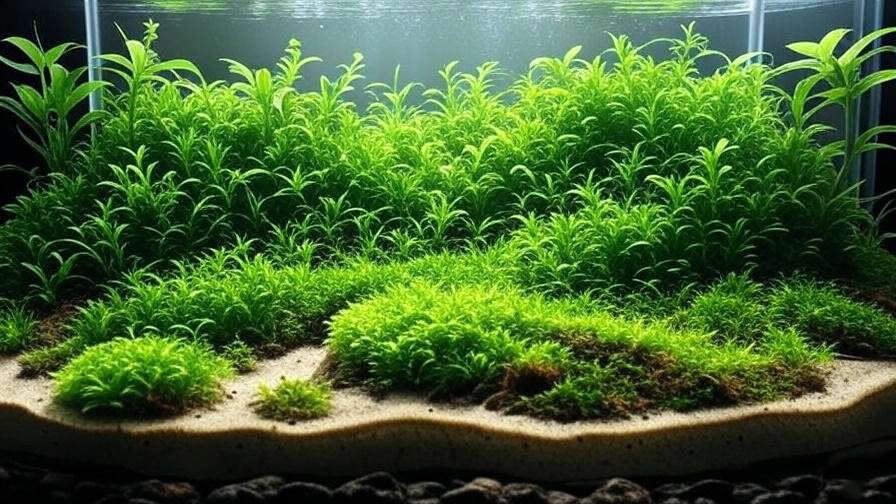
Aquascaping with foreground carpeting plants can create a beautiful underwater landscape. These plants cover the tank floor and add a natural look. Beginners should focus on simple design ideas to get started.
This guide shares easy tips for using carpet plants well. You will learn how to create depth, mix plants with hardscape, and balance colors and textures.
Creating Depth And Perspective
Depth makes your aquascape look bigger and more natural. Use carpet plants to help lead the eye from front to back. Plant shorter carpets near the front and taller ones toward the middle or back.
- Place low-growing plants at the front
- Use medium-height plants in the middle
- Keep taller plants or hardscape at the back
- Arrange plants in layers for a 3D effect
Combining Carpet Plants With Hardscape
Hardscape includes rocks, wood, and decorations. Mixing carpet plants with hardscape adds interest and structure. Place plants around or near hardscape to soften edges and make the scene more natural.
| Hardscape Element | Carpet Plant Tips |
| Rocks | Plant around base to hide gaps |
| Wood | Use creeping carpets to cover roots |
| Decorations | Surround with small carpet plants |
Color And Texture Balance
Color and texture make your aquascape lively. Use different shades of green and leaf shapes to add variety. Balance smooth carpets with rough hardscape for a pleasing look.
Try these tips for color and texture:
- Mix bright and dark green plants
- Choose fine-leaved carpets with coarse rocks
- Use red or brown plants sparingly for contrast
- Keep the carpet uniform to avoid clutter
Credit: agricarehub.com
Common Challenges
Aquascaping with foreground carpeting plants can be beautiful. Yet, it poses some challenges. Understanding common problems helps in maintaining a healthy aquascape.
Issues like patchy growth, melting, and nutrient deficiencies are frequent. Addressing these can improve your aquascaping experience.
Dealing With Patchy Growth
Patchy growth in carpeting plants can be frustrating. It often occurs due to uneven light distribution.
Ensure that all areas receive sufficient light. Use reflectors or adjust plant placement to improve light coverage.
- Check for algae covering the plants.
- Trim plants regularly to promote even growth.
- Consider supplemental lighting if necessary.
Preventing Melting
Melting is a common issue in aquatic plants. It occurs when plants shed their leaves due to stress.
To prevent melting, acclimate plants slowly to new conditions. Avoid drastic changes in temperature and water parameters.
- Maintain stable CO2 levels.
- Check water hardness and pH regularly.
- Introduce new plants gradually to the tank.
Troubleshooting Nutrient Deficiencies
Nutrient deficiencies can halt plant growth. Yellowing leaves often indicate a lack of nutrients.
Regularly test water to identify nutrient levels. Use fertilizers to replenish missing nutrients.
| Deficiency | Signs | Solution |
| Nitrogen | Yellowing leaves | Add nitrogen-rich fertilizers |
| Potassium | Holes in leaves | Use potassium supplements |
| Iron | Pale new growth | Apply iron chelates |
Tools And Equipment
Creating a beautiful aquascape with foreground carpeting plants requires the right tools. These tools help you maintain the plants and keep your aquarium looking great. Let’s explore the essentials.
Essential Tools For Carpeting
When planting and maintaining carpeting plants, you need specific tools. These tools make the process easy and efficient.
- Plant tweezers for precise planting
- Scissors for trimming plants
- Spatula for smoothing substrate
Lighting Options
Lighting is crucial for the growth of carpeting plants. The right light ensures plants thrive and stay healthy.
- LED lights for energy efficiency
- Full spectrum lights for balanced growth
- Adjustable intensity lights for plant needs
Co2 Systems
CO2 is important for plant health and growth. A good CO2 system can make a big difference in your aquascape.
- Pressurized CO2 systems for controlled release
- DIY CO2 setups for budget solutions
- Diffusers for even CO2 distribution
Frequently Asked Questions
What Is Foreground Carpeting In Aquascaping?
Foreground carpeting refers to low-growing aquatic plants that cover the tank’s front substrate. It creates a lush, green carpet effect that enhances aquascape depth and aesthetics.
Which Plants Are Best For Aquascaping Foreground Carpeting?
Popular foreground carpet plants include Hemianthus callitrichoides, Eleocharis parvula, and Glossostigma elatinoides. These plants are small, fast-growing, and thrive under high light.
How Do I Maintain A Healthy Foreground Carpet?
Regular trimming, adequate lighting, and nutrient-rich substrate promote healthy growth. Consistent CO2 injection and proper water parameters also help maintain vibrant carpeting plants.
Can Foreground Carpeting Improve Aquarium Water Quality?
Yes, carpeting plants absorb excess nutrients and produce oxygen. They reduce algae growth and contribute to a balanced, healthy aquatic environment.
Conclusion
Foreground carpeting adds life and depth to any aquascape. It creates a lush, green floor that feels natural and calm. Choosing the right plants and caring for them ensures healthy growth. Small changes can make a big difference in appearance.
Enjoy the process and watch your aquarium transform slowly. Your patience will bring rewarding results. Keep learning and experimenting to find what works best for you. Aquascaping with foreground carpeting is a simple way to enhance your underwater world.