
If you’re using LED lighting for your tanks, managing heat is something you can’t afford to overlook. Too much heat can harm your equipment, affect the environment inside the tank, and shorten the life of your lights.
But how do you keep your LED lights cool without extra hassle or cost? You’ll discover simple, effective ways to control heat and protect your investment. Keep reading to learn how to make your LED lighting work smarter and last longer.
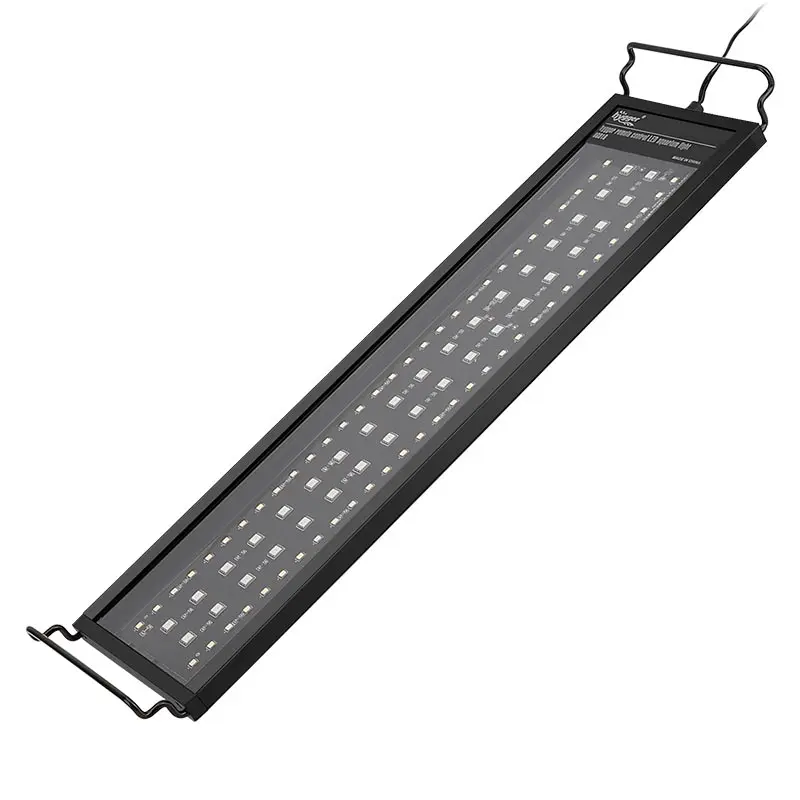
Credit: www.hygger-online.com
Heat Challenges In Tank Led Lighting
LED lighting is popular for tanks due to energy efficiency and brightness. Yet, heat buildup inside tanks can cause problems for LED systems.
Understanding heat sources and effects helps improve LED lighting durability and performance in tanks.
Sources Of Heat In Led Systems
LEDs produce heat mainly from electrical energy that changes into light and heat. This heat must be managed to avoid damage.
- Electrical resistance in LED components
- Power drivers converting electricity
- Environmental heat inside the tank
- Heat reflected from tank surfaces
- Limited airflow around LED fixtures
Impact Of Heat On Led Performance
High temperatures reduce LED brightness and shorten lifespan. Heat also changes the color output and causes faster wear.
| Effect of Heat | Impact on LED |
| Increased temperature | Lower light output |
| Thermal stress | Reduced lifespan |
| Color shift | Changes in light color |
| Component damage | Early failure |
Thermal Issues Specific To Tanks
Tanks create a closed environment where heat builds up more than open spaces. Water and tank walls can trap heat near LED lights.
Common tank heat challenges include:
- Limited ventilation causing poor heat dissipation
- Water temperature rising near LEDs
- Heat reflecting from glass or plastic surfaces
- Condensation affecting LED components
Materials For Effective Heat Dissipation
LED lighting in tanks produces heat that must be managed well. Good heat dissipation stops damage and improves light life.
Choosing the right materials helps move heat away from LED parts. This keeps the system cool and working well.
Aluminum And Copper Heat Sinks
Heat sinks made from aluminum or copper help carry heat away from LEDs. Both metals have strong heat conduction abilities.
Aluminum is light and cheaper. Copper moves heat faster but costs more and weighs more.
- Aluminum is easy to shape and resist rust.
- Copper has higher thermal conductivity.
- Heat sinks have fins to increase surface area.
Thermal Interface Materials
Thermal interface materials (TIMs) fill gaps between heat sources and sinks. They help heat flow smoothly.
Common TIMs include thermal paste, pads, and tapes. They reduce air pockets that block heat transfer.
- Thermal paste is soft and squeezes into small spaces.
- Thermal pads are easy to apply and clean.
- Tapes stick parts together and conduct heat.
Coatings And Surface Treatments
Coatings improve heat sink performance by changing surface properties. They help heat spread and protect metal.
Common coatings include anodizing and ceramic paints. Anodizing makes aluminum surfaces rougher to increase heat loss.
- Anodized surfaces boost heat radiation.
- Ceramic coatings resist corrosion and wear.
- Surface treatments also stop dirt and moisture buildup.
Design Strategies For Cooling
LED lighting in tanks produces heat that needs control. Proper cooling keeps the system safe and long-lasting.
Good design uses different ways to lower heat. These include passive and active methods and air flow control.
Passive Cooling Techniques
Passive cooling uses natural heat removal without power. It lowers temperature by design choices and materials.
- Use materials with high thermal conductivity to spread heat.
- Add heat sinks attached to LED components.
- Design tank walls to reflect heat away.
- Place LEDs where natural air flow is better.
- Use thermal pads or pastes to improve heat transfer.
Active Cooling Solutions
Active cooling uses devices to move heat away. Fans and liquid cooling help keep LED temperature low.
| Cooling Type | Description | Use Case |
| Fan Cooling | Air moved by fans removes heat quickly. | Small to medium tanks |
| Liquid Cooling | Coolant flows through pipes to carry heat out. | Large or high-power LED setups |
| Peltier Modules | Use electric current to transfer heat. | Precise temperature control needed |
Ventilation And Airflow Management
Good airflow removes heat from inside tanks. Vent placement and air paths improve cooling.
- Place vents at hot spots to let warm air escape.
- Use ducting to guide fresh air over LEDs.
- Keep vents clean to avoid blockages.
- Seal gaps to control airflow direction.
- Combine with fans for better air movement.
Innovative Cooling Technologies
LED lighting in tanks can generate heat that affects performance. Managing this heat is key to keeping the system stable. New cooling methods help improve heat control and extend LED life.
This article covers three main cooling technologies used in LED lighting heat management for tanks. Each offers unique benefits and can be chosen based on the tank’s needs.
Liquid Cooling Systems
Liquid cooling uses fluids to move heat away from LED lights. The fluid absorbs heat and carries it to a cooler area. This method works well in tight spaces and high-power setups.
- Uses water or special coolants
- Moves heat quickly and efficiently
- Can be combined with pumps and radiators
- Reduces hot spots on LED surfaces
- Requires sealed systems to avoid leaks
Heat Pipes And Vapor Chambers
Heat pipes and vapor chambers transfer heat using phase change of a liquid inside a sealed container. They offer passive cooling without moving parts, making them reliable and quiet.
| Technology | Key Feature | Best Use |
| Heat Pipes | Thin, tube-like structures | Point heat transfer |
| Vapor Chambers | Flat, plate-like shapes | Spread heat over a surface |
Thermoelectric Coolers
Thermoelectric coolers use electricity to move heat from one side to another. They can cool LED lights directly and adjust temperatures with precision.
- No moving parts, so less wear and tear
- Compact size fits into small tanks
- Quick response to temperature changes
- Can both cool and heat if needed
Installation Tips For Heat Management
LED lighting for tanks needs careful heat management. Good installation helps keep lights cool. This prevents damage and keeps performance high.
Use smart methods to install and maintain LED fixtures. This guide covers key tips for heat control in tank lighting.
Positioning And Mounting Led Fixtures
Place LED fixtures where air can flow easily. Avoid tight spaces that trap heat. Mount lights using brackets that allow some distance from tank surfaces.
- Keep at least 2 inches of space behind fixtures
- Use metal mounts to help conduct heat away
- Do not cover LED fixtures with insulating materials
- Position lights to avoid direct contact with water
Avoiding Heat Traps In Tank Design
Design tanks to prevent heat from building up around lights. Use vents or openings near fixtures. Avoid placing lights in corners or tight areas.
| Design Element | Benefit |
| Ventilation holes | Allow hot air to escape |
| Open top covers | Improve air flow |
| Reflective surfaces | Reduce heat absorption |
| Light placement away from corners | Minimize heat traps |
Routine Maintenance For Cooling Efficiency
Regular maintenance keeps LED cooling systems working well. Clean dust and debris from fixtures and fans. Check mounting hardware for tightness.
- Clean LED covers monthly to remove dust
- Inspect and tighten mounts every 3 months
- Check fans or heat sinks for blockage
- Replace worn parts immediately

Credit: www.made-in-china.com
Case Studies And Real-world Applications
LED lighting is popular in tanks because it saves energy. Managing heat is important to keep tanks safe and efficient.
Explore real-world applications to understand how heat management works in practice. Learn from successes and failures in tank cooling.
Successful Tank Cooling Implementations
Many industries have successfully managed heat in tanks. They use advanced LED systems to control temperature.
In one case, a brewery used LED lighting to maintain beer quality. They installed a cooling system that reduced heat buildup.
- LED lights emit less heat
- Cooling systems prevent overheating
- Energy costs are lower
Lessons From Failed Heat Management
Not all attempts at heat management succeed. Some companies fail due to poor planning.
One fish tank facility had issues with temperature control. The LEDs were too powerful, causing water temperature to rise.
- Plan LED placement carefully
- Monitor temperature regularly
- Adjust power levels if needed
Cost-benefit Analysis Of Cooling Solutions
It’s important to consider costs and benefits of cooling solutions. Efficient systems save money in the long run.
Investing in high-quality LEDs and cooling systems can reduce energy bills. Compare costs against potential savings to make informed decisions.
| Initial Cost | Savings | Payback Time |
| High | Moderate | 2 years |
| Low | Low | 4 years |
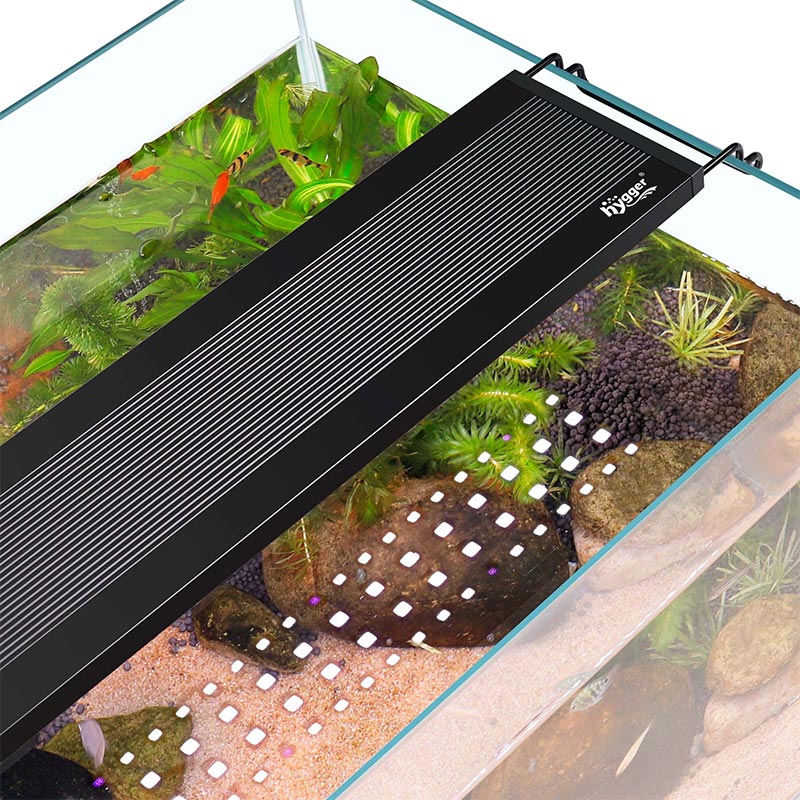
Credit: www.hygger-online.com
Frequently Asked Questions
What Is Led Lighting Heat Management For Tanks?
LED lighting heat management for tanks controls the heat produced by LED lights. Proper management prevents temperature spikes, protecting aquatic life and tank equipment from damage.
Why Is Heat Control Important In Led-lit Tanks?
Heat control maintains a stable environment, avoiding stress on fish and plants. It also extends LED lifespan and improves energy efficiency.
How Can I Reduce Heat From Led Tank Lights?
Use heat sinks, fans, or water cooling systems. Proper ventilation and spacing also help disperse heat effectively.
Does Led Lighting Produce More Heat Than Other Lights?
No, LEDs produce less heat than traditional bulbs. However, heat management is still necessary to prevent buildup in enclosed tanks.
Conclusion
Managing heat in LED lighting for tanks keeps your setup safe and efficient. Good heat control helps lights last longer and work better. It also protects the tank environment and its inhabitants. Simple steps like using heat sinks or proper ventilation make a big difference.
Pay attention to temperature to avoid damage and save energy. Smart heat management leads to a brighter, healthier tank for everyone. Small changes bring big benefits.