
Are you ready to transform your aquarium into a vibrant underwater world that your community fish will love? Aquascaping isn’t just about making your tank look beautiful—it’s about creating a healthy, balanced environment where your fish can thrive together.
Whether you’re new to fishkeeping or looking to upgrade your setup, understanding how to design the perfect aquascape for community fish can make all the difference. Keep reading to discover simple tips and tricks that will help you create a stunning, peaceful home for your aquatic friends.
Choosing Community-friendly Plants
Choosing the right plants for a community fish tank helps keep fish healthy. Plants provide hiding spots and improve water quality.
It is important to pick plants that are safe and easy to care for in a shared tank environment.
Low-maintenance Options
Low-maintenance plants need little care and grow well without special conditions. These plants suit beginners and busy hobbyists.
- Anubias species – slow grower, sturdy leaves
- Java Fern – grows on rocks or wood, low light needs
- Cryptocoryne – adapts to many water types
- Amazon Sword – broad leaves, tolerates various conditions
Safe Plants For Fish
Safe plants do not harm fish or disrupt the tank environment. They resist being eaten and do not release toxins.
| Plant Name | Benefits | Fish Safety |
| Java Moss | Provides cover and breeding sites | Safe for all community fish |
| Water Wisteria | Good oxygen producer | Non-toxic and hardy |
| Bucephalandra | Attractive with slow growth | Does not harm fish or invertebrates |
| Hornwort | Fast oxygenator and algae competitor | Safe for most fish species |
Fast-growing Varieties
Fast-growing plants help control algae by using nutrients quickly. They also create quick shelter for fish.
- Water Sprite – grows quickly, floats or roots
- Duckweed – small floating plant, fast spread
- Elodea – tall stem plant, grows in many conditions
- Cabomba – feathery leaves, grows fast with light

Credit: www.youtube.com
Selecting Ideal Substrate
Choosing the right substrate is key for a healthy community fish tank. It supports plants and fish well-being.
The substrate affects water quality and the tank’s natural look. It also impacts the comfort of bottom fish.
Natural Vs Synthetic Choices
Natural substrates come from river sand, gravel, or soil. Synthetic ones include colored gravel or plastic beads.
Natural choices look more real and often help plants grow. Synthetic ones may last longer but can lack nutrients.
- Natural: river sand, gravel, clay soil
- Synthetic: colored gravel, glass beads, plastic pellets
- Natural substrates often contain minerals for plants
- Synthetic substrates may need extra nutrients added
Benefits For Plant Growth
Good substrate holds plant roots firmly. It stores nutrients needed for healthy growth.
Some substrates release minerals slowly. This helps plants grow strong over time without extra feeding.
- Firm root support prevents plants from floating
- Stores nutrients like iron and potassium
- Helps keep water clean by trapping debris
- Improves oxygen flow to roots
Comfort For Bottom Dwellers
Bottom fish like soft, smooth substrates. Sharp or rough gravel can hurt their skin and fins.
Substrate depth matters too. A shallow layer might not let fish dig or hide well. A deeper layer offers more comfort.
- Soft sand reduces injury risk
- Fine gravel is gentle but allows digging
- Deep layers let fish burrow and explore
- Avoid sharp edges that can cause cuts
Creating Hiding Spots
Hiding spots are important for community fish. They reduce stress and prevent fights. Fish feel safe when they can hide.
This guide shows ways to create hiding places in your aquarium. Use natural materials and plants to help fish feel calm.
Using Driftwood And Rocks
Driftwood and rocks make great hiding spots. They create caves and tunnels for fish to explore.
Place driftwood and rocks carefully. Make sure they are stable and safe for fish to swim around.
- Choose smooth driftwood to avoid sharp edges
- Stack rocks to form small caves
- Leave gaps for fish to enter and exit easily
- Clean materials before adding to the tank
Planting Dense Foliage
Dense plants offer natural cover for fish. They help fish hide from others and feel safe.
Use fast-growing plants to create thick areas. Group plants close to form hiding places.
- Use plants like Java fern and Anubias
- Add floating plants for shade and cover
- Plant tall species at the back for depth
- Trim plants regularly to keep them healthy
Balancing Open Swimming Areas
Fish need space to swim freely. Open areas balance the tank and reduce stress.
Keep some parts of the tank clear. This helps fish move easily and stay healthy.
- Designate swimming zones away from hiding spots
- Keep substrate flat in open areas
- Use low plants or none in these zones
- Check fish behavior to adjust space if needed
Balancing Light And Co2
Aquascaping for community fish needs balanced light and CO2. Both elements help plants grow and keep the environment stable.
Too much or too little light and CO2 can harm plants and fish. Finding the right balance keeps the tank healthy and beautiful.
Optimal Light Intensity
Light is essential for plant growth in aquariums. Plants need light to perform photosynthesis and grow properly.
Too much light can cause algae to grow quickly. Not enough light leads to weak plant growth and poor health.
- Use timers to control light duration
- Choose LED lights for energy efficiency
- Adjust light intensity based on plant types
Co2 Injection Basics
CO2 is vital for plant growth in aquariums. It helps plants produce oxygen and nutrients.
Fish also benefit from CO2, but too much can be harmful. Monitoring levels is important for a healthy tank.
- Use CO2 diffusers for even distribution
- Monitor CO2 levels with a drop checker
- Adjust CO2 based on plant and fish needs
Preventing Algae Growth
Algae can take over a tank if not controlled. It competes with plants for light and nutrients.
Balancing light and CO2 helps prevent algae. Regular maintenance also keeps algae in check.
- Remove excess organic matter regularly
- Keep light exposure consistent
- Introduce algae-eating fish or snails
Selecting Compatible Fish Species
Choosing the right fish is key for a peaceful aquascape. Fish must get along well to keep the tank calm.
Some fish are quiet and friendly. Others can be aggressive and harm their tank mates. Matching fish and plants also matters.
Peaceful Community Fish
Peaceful fish live well with others and do not fight. They help create a calm and balanced aquarium environment.
- Neon Tetras: Small, colorful, and gentle schooling fish.
- Corydoras Catfish: Bottom dwellers that clean and stay peaceful.
- Harlequin Rasboras: Active swimmers that stay in groups.
- Otocinclus Catfish: Small algae eaters that keep plants clean.
- Guppies: Hardy, colorful, and easy to care for.
Avoiding Aggressive Behavior
Some fish show aggression when stressed or crowded. Avoid mixing fish that fight over space or food.
| Aggressive Species | Peaceful Alternatives | Tips |
| Betta | Guppy | Keep one male per tank to avoid fights |
| Oscar | Angelfish | Provide plenty of hiding spots |
| Jack Dempsey | Rainbowfish | Use larger tanks for active fish |
Matching Fish With Plants
Choose fish that do not eat or uproot plants. Some fish like to hide or rest among leaves.
- Livebearers like guppies do well with most plants.
- Corydoras enjoy soft plants and fine gravel.
- Avoid goldfish; they dig and eat plants.
- Otocinclus thrive in tanks with plenty of algae and plants.
- Keep plants like Java fern and Anubias that attach to rocks.
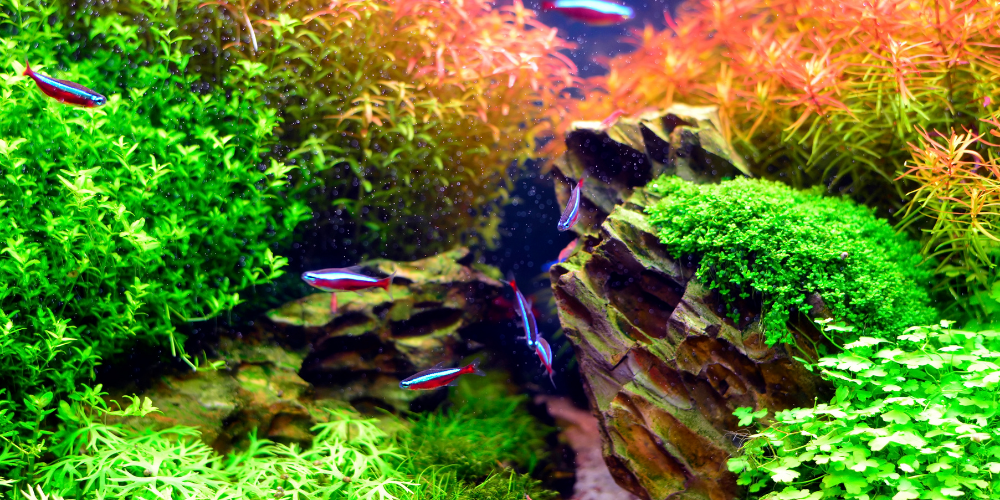
Credit: www.pond-planet.co.uk
Maintaining Water Quality
Good water quality is key for healthy community fish. Clean water helps fish stay strong and live longer.
Keeping water balanced means fewer diseases and happier fish in your aquarium.
Filtration Tips
Use a filter that fits your tank size. It removes waste and keeps water clear.
Clean your filter media regularly but avoid washing it with tap water. Use tank water instead to keep beneficial bacteria alive.
- Choose a filter rated for your tank size
- Clean filter media every 2-4 weeks
- Never replace all filter media at once
Regular Water Changes
Change 10-20% of the water weekly. This removes toxins and refreshes minerals.
Use a gravel vacuum to clean debris from the substrate during water changes.
- Test water before adding it to the tank
- Use dechlorinated water at the same temperature
- Do not change too much water at once
Monitoring Parameters
Check water parameters often to keep fish healthy. Important tests include pH, ammonia, nitrite, and nitrate.
Keep pH stable and ammonia and nitrite at zero. Nitrate should stay low to avoid stress.
- Test water weekly with a reliable kit
- Record readings to watch for changes
- Adjust care based on test results
Design Tips For Visual Appeal
Aquascaping for community fish creates a lively and balanced tank. Good design helps fish feel safe and viewers enjoy the scene.
Simple design rules improve the look. Use ideas like the rule of thirds, depth, and color to make your tank stand out.
Using The Rule Of Thirds
Divide the tank view into three equal parts both horizontally and vertically. Place main plants and decorations along these lines.
This guides the eye and makes the layout more natural and pleasing. Avoid centering all items for a balanced look.
Creating Depth And Layers
Use plants and stones of different heights to add depth. Place taller plants at the back and smaller ones in front.
- Background: tall plants or decorations
- Midground: medium-sized plants
- Foreground: short plants and small stones
Color Coordination
Choose plant and decoration colors that match or contrast nicely. Use color to highlight areas and add interest.
| Color Scheme | Effect |
| Green and Brown | Natural and calm |
| Green and Red | Bright and lively |
| Green and Yellow | Fresh and cheerful |

Credit: www.youtube.com
Feeding Strategies For Community Tanks
Feeding community fish requires special strategies. Different species need different foods. Proper feeding ensures all fish thrive.
It’s important to balance nutrition for fish and plants. Overfeeding can harm your tank’s ecosystem.
Avoiding Overfeeding
Overfeeding is a common mistake in community tanks. It leads to water pollution and fish health problems.
Feed only what fish can eat in a few minutes. Remove uneaten food to keep the tank clean.
- Observe fish during feeding
- Use feeding rings to control food spread
- Feed small amounts twice a day
Feeding Bottom And Mid-level Fish
Different fish feed at different levels. Bottom dwellers need sinking pellets. Mid-level fish prefer floating or slow-sinking food.
Ensure food reaches all levels. This helps all fish get nutrients.
- Use sinking pellets for bottom feeders
- Offer floating flakes for mid-level fish
- Observe feeding to adjust food types
Nutrition For Plant And Fish Health
Healthy fish and plants need balanced nutrition. Fish waste provides nutrients for plants. Good nutrition boosts fish immunity and plant growth.
Choose foods rich in vitamins and minerals. This supports a vibrant aquarium.
- Provide varied diets for fish
- Consider live or frozen foods for variety
- Monitor plant growth for health signs
Frequently Asked Questions
What Plants Are Best For Community Fish Aquascaping?
Choose hardy, non-toxic plants like Java fern, Anubias, and Cryptocoryne. These plants tolerate various water conditions and provide hiding spots for fish. They also help maintain water quality by absorbing nitrates and offer a natural environment that reduces fish stress.
How To Create Hiding Spots For Community Fish?
Use rocks, driftwood, and dense plant clusters to create hiding spots. These structures offer shelter and reduce aggression among fish. Proper hiding places mimic natural habitats and improve fish well-being, making your aquarium more balanced and peaceful.
Can Community Fish Share The Same Aquascape Plants?
Yes, most community fish coexist well with common aquascape plants. Avoid plants with sharp leaves to prevent injury. Choose species that thrive in similar water parameters as your fish. This ensures plant health and a harmonious environment for all aquarium inhabitants.
How Often Should I Maintain A Community Fish Aquascape?
Perform partial water changes weekly and trim plants monthly. Regular maintenance prevents algae buildup and maintains water quality. Clean decorations and substrate as needed to keep the aquascape healthy. Consistent care supports fish health and plant growth.
Conclusion
Creating a beautiful aquascape helps community fish feel safe and happy. Plants and decorations give fish places to explore and hide. Good aquascaping keeps water clean and balanced too. Simple setups can bring out natural fish behavior. Remember to choose plants and stones that suit your fish.
Enjoy watching your fish swim in their peaceful, healthy home. Aquascaping makes your aquarium a lively and calming space. Try different styles and see what your fish like best. A well-planned tank helps fish live longer and stay active.