
Is your freshwater tank getting too warm? Keeping your fish healthy means keeping their water cool.
But buying expensive cooling systems isn’t your only choice. You can create simple, effective DIY cooling solutions that fit your budget and space. Imagine having clear, cool water without breaking the bank or struggling with complicated setups. You’ll discover easy ways to lower your tank’s temperature and keep your aquatic friends comfortable.
Ready to dive in and make your freshwater tank a cooler, happier home? Let’s get started!
Why Cooling Matters For Freshwater Tanks
Keeping freshwater tanks cool is important for fish health. Fish can get stressed if the water is too warm.
Cooling helps keep the water safe and clean. It stops problems that come with high temperatures.
Effects Of High Temperature On Fish Health
High water temperatures can make fish weak. Fish may lose their appetite and swim slowly.
Warm water lowers oxygen levels. Fish need oxygen to breathe and stay alive.
- Fish can get sick more easily
- Stress lowers fish immune systems
- Some species may stop breeding
- Heat can cause fatal conditions
Impact On Water Quality
Warm water speeds up waste buildup. Waste can harm fish and plants in the tank.
High temperatures help harmful bacteria grow fast. This can make the water unsafe.
- Increased ammonia and nitrite levels
- Lower oxygen in the water
- More algae growth
- Faster decay of organic matter

Credit: www.reddit.com
Simple Diy Cooling Methods
Keeping freshwater tanks cool is important for fish health. You can use simple methods to lower the water temperature.
These DIY cooling ideas use easy tools and materials you may already have at home.
Using Fans For Evaporative Cooling
Fans help cool water by blowing air over the tank surface. This speeds up evaporation and lowers temperature.
Place a fan near the tank so air flows across the water. Use a small fan to save energy and avoid stressing fish.
- Set fan to blow gently across water surface
- Use a fan with adjustable speed
- Keep fan away from splashes and water
- Turn off fan at night to avoid noise
Ice Packs And Frozen Bottles
Ice packs and frozen bottles cool the water as they melt. They are easy to use and can lower temperatures quickly.
Place frozen bottles or ice packs in the tank or float them on the surface. Replace them as they warm up.
- Use clean bottles filled with water
- Freeze bottles before placing in tank
- Float bottles to avoid sudden temperature drops
- Remove bottles before water gets too cold
Creating Shade And Reducing Heat Exposure
Shade blocks direct sunlight and lowers tank temperature. You can use cloth, plants, or screens to create shade.
Keep tanks away from windows or hot surfaces. Shade helps keep the water cool during hot days.
- Use shade cloth or umbrellas over the tank
- Place tank in a cool, shaded area
- Grow plants nearby to provide natural shade
- Cover tank with light-colored material to reflect heat
Affordable Cooling Devices
Keeping freshwater tanks cool is important for fish health. Many cooling devices can be expensive. Making your own cooling system saves money and works well.
Here are simple and affordable DIY cooling ideas for freshwater tanks. These use easy-to-find parts and household items.
Homemade Chillers With Aquarium Pumps
You can build a chiller using a small aquarium pump. The pump moves water through a cooling coil or container. This helps lower tank temperature.
Using ice packs or frozen water bottles with the pump improves cooling. The pump sends tank water past the cold source and back into the tank.
- Use a small submersible pump
- Connect tubing to guide water flow
- Place tubing near ice packs or frozen bottles
- Ensure water returns smoothly to the tank
Diy Cooling Coils
Cooling coils made from copper or plastic tubing cool water efficiently. Water flows through the coil, which is cooled by ice or cold air.
Place the coil in a container with ice water. Pump tank water through the coil for steady cooling without harsh chemicals.
- Use flexible copper or plastic tubing
- Shape the tubing into a coil
- Put the coil in an ice water bath
- Connect the coil to the aquarium pump tubing
Repurposing Household Items
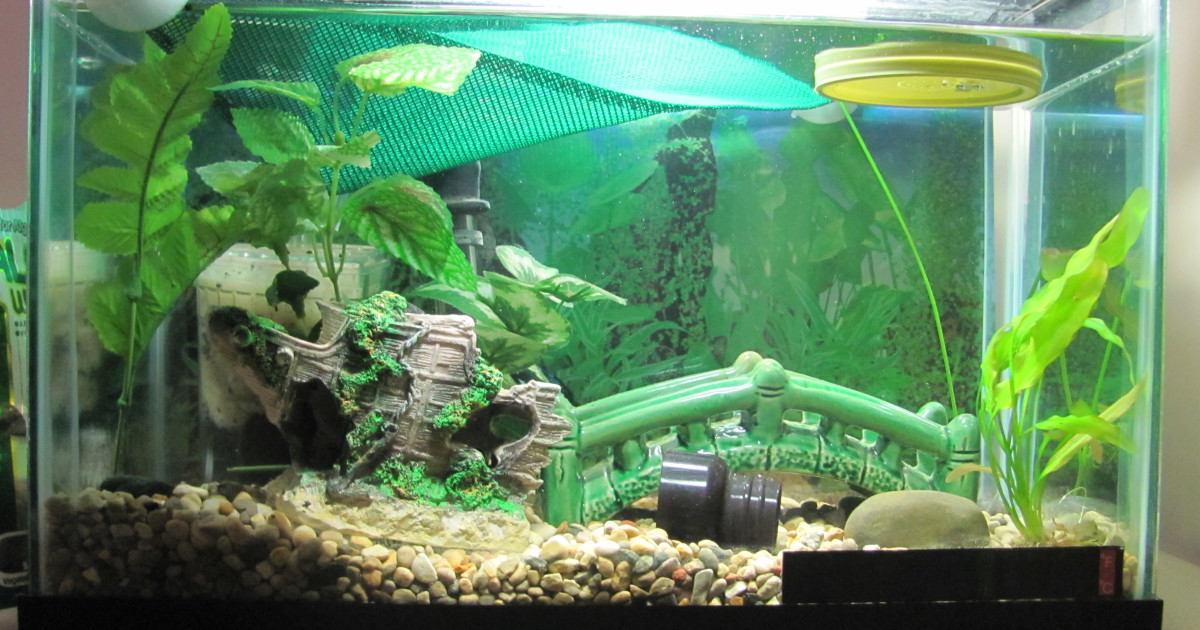
Common household items can help cool your tank. Ice packs, frozen water bottles, and fans work well. These items cost little and are easy to find.
Use fans to blow air over the water surface. This increases evaporation and cools the tank. Place frozen bottles or ice packs near the tank to lower temperature.
- Freeze water bottles and place beside the tank
- Use ice packs wrapped in cloth near the tank
- Set a fan to blow across tank water surface
- Change ice packs regularly for steady cooling
Credit: pethelpful.com
Maintaining Optimal Water Conditions
Keeping freshwater tanks cool helps fish stay healthy. Proper water temperature supports oxygen levels and fish growth.
DIY cooling methods can control temperature without costly equipment. These tips help you keep water conditions just right.
Monitoring Temperature Regularly
Check water temperature every day to catch changes early. Use a reliable thermometer for accurate readings.
Keep a log of temperature readings to track trends. This helps you spot problems before they harm the fish.
- Measure temperature at the same time daily
- Check different tank spots for consistency
- Record temperatures to notice rises or drops
Balancing Aeration And Cooling
Aeration adds oxygen and moves water, which also cools the tank. Use air stones or pumps to improve water flow.
Good water movement prevents hot spots. Balance cooling devices with aeration to keep water fresh and cool.
- Use air pumps to increase oxygen levels
- Place aerators near warm areas to mix water
- Adjust cooling based on aeration strength
Preventing Temperature Fluctuations
Sudden temperature changes stress fish and can cause illness. Keep the tank environment stable by avoiding rapid shifts.
Use shade or covers to block direct sunlight. Insulate the tank to reduce heat exchange with outside air.
- Place tank away from windows and heat sources
- Cover tank with light-blocking materials
- Use fans or evaporative cooling for gentle temperature drops
Tips For Long-term Cooling Success
Keeping freshwater tanks cool over time takes planning and care. Use simple methods to maintain safe water temperatures for your fish and plants.
Follow these tips to adjust your cooling system throughout the year. Focus on saving energy and using more than one cooling method.
Seasonal Adjustments
Change your cooling setup to match the season. Warmer months need stronger cooling. Cooler months may allow for less effort.
- In summer, increase water circulation and shading.
- Use fans or chillers more during hot days.
- In winter, reduce equipment use to save power.
- Check water temperature daily to catch changes fast.
Energy Efficiency Considerations
Lower your electricity use while keeping tanks cool. Efficient tools save money and help the environment.
| Cooling Method | Energy Use | Cost |
| Evaporative Cooling | Low | Low |
| Chillers | High | High |
| Fans | Medium | Low |
| Shading | None | Low |
Combining Multiple Cooling Techniques
Use more than one cooling method for better results. Combining ways can keep water cooler and protect fish health.
- Pair shading with fans to block heat and improve air flow.
- Use evaporative cooling with chillers to reduce chiller load.
- Adjust each method to suit current weather and tank size.
- Test water temperature after changes to find the best mix.

Credit: www.youtube.com
Frequently Asked Questions
How Can I Diy Cool My Freshwater Tank Cheaply?
Use a small fan to increase evaporation. Place ice packs near the tank. Ensure proper shading to reduce heat. These methods lower water temperature without expensive equipment.
What Materials Are Best For Diy Tank Cooling?
Use a small aquarium-safe fan or a USB fan. Ice packs or frozen water bottles also work well. Avoid chemicals or untested devices to protect your fish.
Can Diy Cooling Harm Freshwater Fish?
Improper cooling can stress or shock fish. Always cool water gradually and monitor temperature. Avoid sudden drops to keep fish healthy and safe.
How To Maintain Stable Temperature In Freshwater Tanks?
Use timers on fans or chillers. Keep the tank away from direct sunlight. Regularly check water temperature with a reliable thermometer. Consistency benefits fish health.
Conclusion
Keeping your freshwater tank cool helps fish stay healthy and active. Simple DIY methods can lower water temperature without extra cost. Small fans, frozen bottles, or ice packs work well. Regular checks ensure the tank stays safe and comfortable. Try these easy ideas to protect your aquatic pets.
Cooler water means happier fish and a better tank environment. Give your tank the care it needs with these simple tips.