
Looking to switch to LED lighting but not sure where to start? You’re in the right place.
Choosing the right LED lights can save you money, improve your space, and reduce energy use—all at the same time. But making the wrong choice can lead to headaches, wasted cash, and disappointing results. You’ll discover simple, practical tips that make LED lighting replacement easy and effective.
By the end, you’ll feel confident about upgrading your lights and enjoy the benefits immediately. Keep reading to find out how to get it right the first time.
Choosing The Right Led Bulbs
Replacing old bulbs with LED lights saves energy and money. Picking the right LED bulb ensures good light quality.
Learn how to select the right wattage, color, and size for your LED bulbs.
Matching Wattage And Brightness
Wattage shows how much power a bulb uses. Brightness tells how much light it gives. LEDs use less wattage but give bright light.
Check the brightness in lumens, not watts. Choose a bulb with lumens that match your old bulb’s brightness.
- Higher lumens mean brighter light
- Lower wattage means less energy use
- Compare lumens to find a good LED replacement
Selecting The Correct Color Temperature
Color temperature shows light color in Kelvins (K). It affects how warm or cool the light looks.
Use warmer light (2700K–3000K) for cozy rooms. Choose cooler light (4000K–5000K) for work areas and kitchens.
- 2700K–3000K: warm, yellowish light
- 3500K–4100K: neutral white light
- 5000K–6500K: cool, bluish light
Considering Bulb Shapes And Sizes
Bulbs come in many shapes and sizes. Choose one that fits your lamp or fixture.
Look at the base type and bulb shape to ensure it fits well and works properly.
- Check base size: E26, E12, GU10, etc.
- Common shapes: A19 (standard), BR30 (spotlight), G25 (globe)
- Use correct shape for fixture style and purpose
Preparing For The Upgrade
Replacing old lighting with LED lights can save energy and improve brightness. Preparing well helps the process go smoothly.
Before you start, gather the right tools, turn off the power safely, and remove the old fixtures carefully.
Gathering Necessary Tools
Having the right tools ready makes the LED replacement easier and safer. It saves time and avoids mistakes.
- Screwdriver set (flat and Phillips)
- Wire strippers
- Voltage tester
- Electrical tape
- Replacement LED bulbs or fixtures
- Ladder or step stool
- Work gloves for protection
Turning Off Power Safely
Always turn off the power before working on any lighting. This prevents electric shocks and injuries.
Find your home’s circuit breaker and switch off the correct breaker for the room you are working in. Use a voltage tester to confirm the power is off.
- Locate the circuit breaker panel
- Identify the correct breaker for your light
- Switch off the breaker
- Test the light switch or fixture with a voltage tester
Removing Old Fixtures
Carefully remove the old light fixtures before installing LEDs. Handle the parts gently to avoid damage.
Unscrew the fixture, disconnect the wires, and remove any mounting brackets. Keep screws and parts in a safe place in case you need them later.
- Remove light bulbs from the fixture
- Unscrew the fixture from the ceiling or wall
- Disconnect the wiring connections
- Take down the fixture and mounting hardware
Installing Led Lights
LED lights are energy-efficient and long-lasting. Installing them can save money on your electricity bill.
It’s important to follow the right steps to ensure safety and proper functionality. Below are some tips to help you.
Handling Led Bulbs Properly
When handling LED bulbs, it’s important to avoid touching the glass. Oils from your fingers can damage the bulb.
- Hold the bulb by its base
- Use a cloth or gloves if needed
- Store bulbs in a safe place
Wiring And Compatibility Tips
Ensure that your wiring is compatible with LED lights. Check the voltage and current ratings on your fixtures.
| Fixture Type | Compatibility |
| Standard Socket | Usually Compatible |
| Dimmable Fixture | Check LED Compatibility |
| Outdoor Fixture | Weatherproof LEDs Needed |
Securing Fixtures Correctly
Properly securing fixtures is crucial for safety and performance. Make sure they are fastened tightly to prevent accidents.

Credit: inventaa.in
Maximizing Led Performance
LED lights save energy and last a long time. To get the best from your LEDs, you need to use them right.
Simple care and the right setup help LEDs shine bright and last longer. Learn how to keep your LED lights working well.
Using Compatible Dimmers
Not all dimmers work well with LED bulbs. Using the wrong dimmer can cause flickering or reduce bulb life.
- Check if your dimmer supports LED lighting.
- Choose dimmers labeled for LED use.
- Avoid old dimmers made for incandescent bulbs.
- Test dimmers with a few LED bulbs before full installation.
Avoiding Overheating
Heat can damage LED bulbs and lower their lifespan. Keep LEDs cool to maintain good performance.
| Cause | Effect on LED |
| Poor ventilation | Bulbs get too hot |
| Enclosed fixtures | Heat builds up |
| High wattage | More heat produced |
| Overloading circuits | Electrical stress |
Place LEDs where air can flow freely. Avoid using high wattage bulbs in small, closed fixtures.
Regular Maintenance Tips
Clean and check LED fixtures often. This keeps them working well and stops early problems.
- Turn off power before cleaning.
- Use a soft cloth to remove dust and dirt.
- Check for loose wires or connections.
- Replace bulbs that flicker or dim quickly.
- Keep fixtures dry and free from moisture.
Cost-saving Strategies
Switching to LED lighting can lower your electricity bills. It also reduces the need for frequent bulb replacements. Using smart strategies can help you save even more money.
Here are some simple tips to get the most value from your LED lighting upgrade. These ideas focus on buying smart and using energy wisely.
Buying In Bulk
Purchasing LED bulbs in large quantities often lowers the price per unit. Many stores offer discounts for bulk orders. This is a good option for homes or businesses needing many lights.
- Compare prices from different suppliers
- Check for bulk discount offers online
- Buy the same type and size of bulbs together
- Store extra bulbs properly to avoid damage
Taking Advantage Of Rebates
Many utility companies and governments offer rebates for switching to LED lights. These rebates can cut down your initial costs significantly. Look for local programs before you buy.
| Rebate Source | Type | Value |
| Local Utility Company | Per bulb rebate | $2 to $5 |
| State Energy Program | Percentage of purchase | 10% to 30% |
| Federal Tax Credit | Tax deduction | Up to $100 |
Energy Efficiency Benefits
LED bulbs use much less energy than traditional bulbs. This means lower electricity bills every month. LEDs also last longer, which saves money on replacements.
- Use about 75% less energy than incandescent bulbs
- Last 15 times longer on average
- Produce less heat, saving on cooling costs
- Work well with dimmers and smart controls
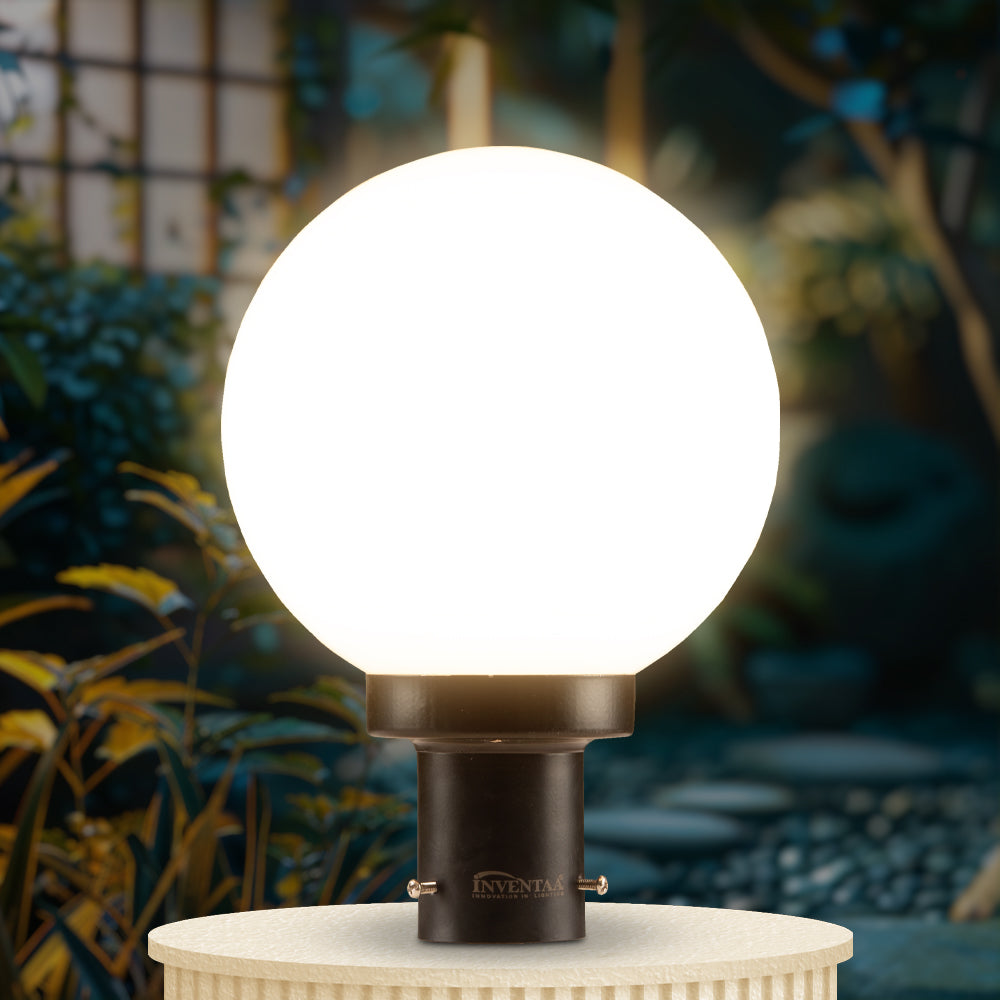
Credit: inventaa.in
Common Mistakes To Avoid
Replacing old lights with LED lights saves energy and money. Many people make simple mistakes that cause problems. Avoid these common errors for a smooth upgrade.
Understanding these mistakes helps you choose the right LED lights. It also keeps your home safe and bright.
Ignoring Compatibility Issues
Not all LED bulbs fit every fixture. Some may not work with dimmers or certain sockets. This causes flickering or no light at all.
Check your fixture’s compatibility before buying LEDs. Look for bulbs that match voltage and size needs.
- Use LED bulbs made for your fixture type
- Ensure dimmer switches support LED lights
- Match bulb base size with socket size
Skipping Safety Precautions
Turning off power is important before replacing lights. Ignoring this can cause electric shock or damage.
Wear gloves and use the right tools. Follow instructions carefully to avoid accidents.
- Turn off the power at the breaker
- Use insulated tools and gloves
- Handle bulbs gently to avoid breakage
Overlooking Quality Differences
Cheap LED bulbs may save money at first. They often last less and have poor light quality.
Choose LEDs with good reviews and certifications. Quality bulbs use less energy and last longer.
- Look for Energy Star or similar labels
- Read user reviews before buying
- Pick bulbs with a warranty

Credit: www.youtube.com
Frequently Asked Questions
What Are The Benefits Of Led Lighting Replacement?
LED lighting replacement saves energy, reduces electricity bills, and lasts longer. It provides better brightness and color quality while being eco-friendly and low maintenance.
How Do I Choose The Right Led Replacement Bulb?
Consider brightness (lumens), color temperature, size, and compatibility. Match the LED bulb to your fixture’s wattage and socket type for optimal performance.
Can Led Lights Fit Existing Fixtures Easily?
Most LED bulbs are designed to fit standard fixtures. However, check size and socket type before buying to ensure a proper fit and avoid compatibility issues.
How Much Energy Can Led Replacements Save?
LED bulbs use up to 75% less energy than incandescent bulbs. This significant reduction lowers your electricity bill and decreases your carbon footprint effectively.
Conclusion
Choosing the right LED lights saves energy and cuts costs. Check the size and type before buying replacements. Always turn off power to stay safe during installation. Good lighting improves your home’s look and feel. Small steps make a big difference in lighting quality.
Keep these tips in mind for a smooth replacement process. Bright, efficient lights can last many years. Start your LED upgrade today for better light tomorrow.