
Setting up a fish tank that looks stunning and feels natural starts with the right plants. If you want your aquarium to shine, foreground plants are the secret ingredient.
These small, vibrant plants create depth, add color, and make your tank a lively underwater world. Imagine your fish swimming through lush greenery that brings your tank to life. Ready to transform your aquarium and make it the centerpiece of your room?
Keep reading to discover how to choose, plant, and care for the best foreground plants in your fish tank setup. Your perfect underwater garden is just a few steps away!
Choosing Foreground Plants
Foreground plants make the front of your fish tank look neat and natural. They help create depth and a nice view.
Picking the right foreground plants needs care. You want plants that stay small and fit well with your fish.
Low-growing Plant Varieties
Low-growing plants stay short and cover the tank floor. They do not block the view of other plants or fish.
- Dwarf Hairgrass – thin green grass, grows in small clumps
- Java Moss – soft moss that spreads on rocks and wood
- Glossostigma – small bright green leaves, forms a carpet
- Baby Tears – tiny round leaves, grows close to the substrate
- Monte Carlo – small green leaves, easy to care for
Light And Co2 Requirements
Foreground plants need light to grow well. Some need bright light, others do fine in low light.
CO2 helps plants grow faster and stay healthy. Some plants need extra CO2 added to the tank.
| Plant | Light Level | CO2 Needed |
|---|---|---|
| Dwarf Hairgrass | Medium to high | Yes |
| Java Moss | Low to medium | No |
| Glossostigma | High | Yes |
| Baby Tears | Medium | Yes |
| Monte Carlo | Medium | Optional |
Plant Compatibility With Fish
Some fish like to eat or dig up plants. Choose plants that fit your fish type to avoid damage.
Hardy plants can survive fish nibbling and movement better than delicate ones.
- Goldfish may eat soft plants like Baby Tears
- Tetras and guppies usually leave plants alone
- Cichlids dig, so use tough plants or plant pots
- Shrimp and snails help keep plants clean
- Avoid plants with thin leaves if fish nibble a lot
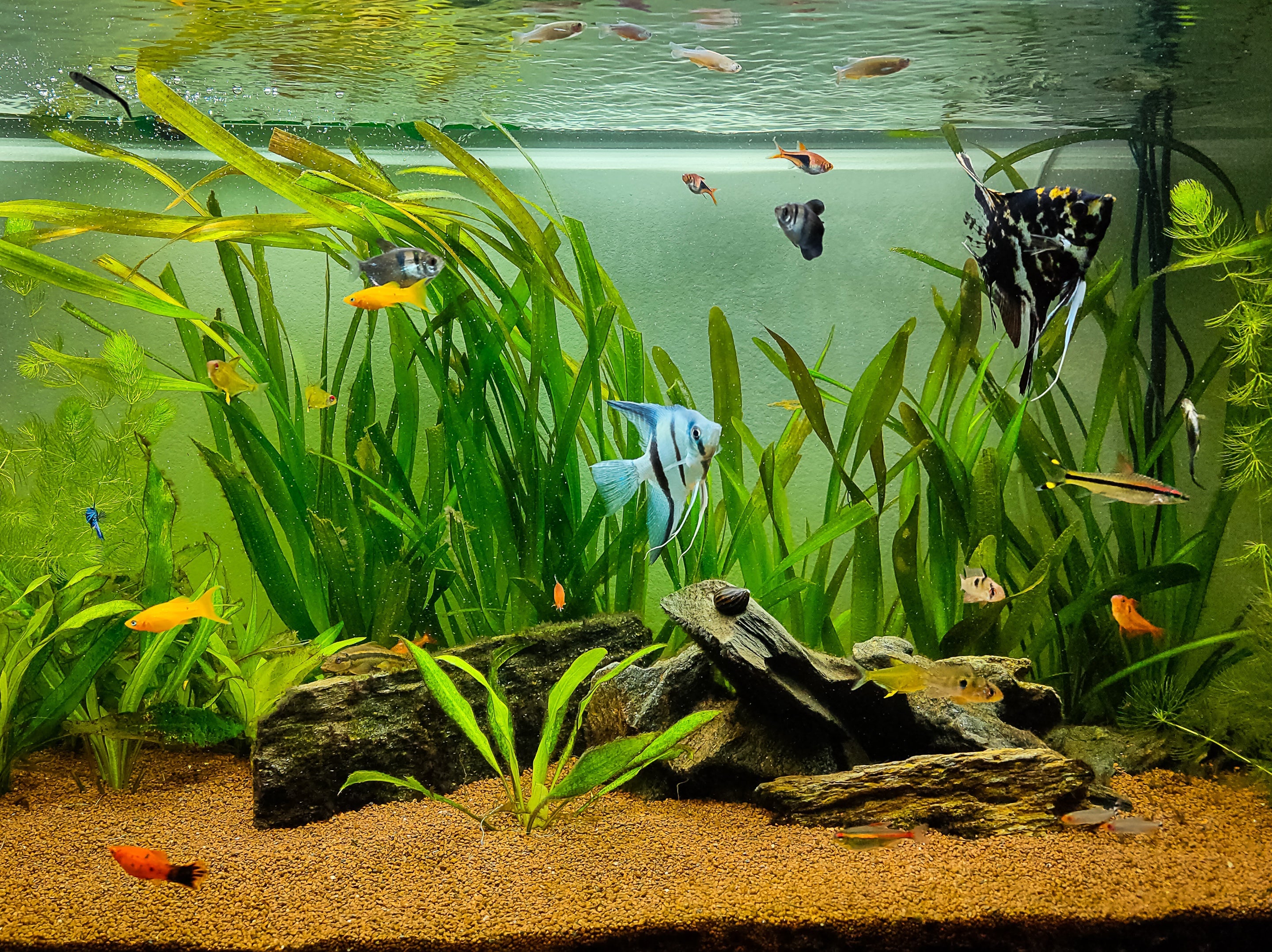
Credit: splashyfishstore.com
Preparing The Substrate
The substrate is the base layer in your fish tank. It supports plant roots and helps them grow strong.
Proper preparation of the substrate improves plant health and creates a stable environment for fish.
Selecting Nutrient-rich Substrate
Choose substrate with nutrients to feed foreground plants. These plants need minerals to grow well.
Look for options like laterite, aqua soil, or special planted tank substrates. They hold nutrients longer.
- Laterite provides iron for strong roots
- Aqua soil improves water quality and nutrients
- Planted tank substrates supply essential minerals
Layering Techniques For Root Growth
Use layers to help roots reach nutrients and stay healthy. Start with a nutrient-rich base layer.
Add a top layer of sand or fine gravel to keep the tank clean and prevent cloudiness.
- Base layer: nutrient-rich substrate 2-3 inches deep
- Top layer: sand or fine gravel about 1 inch thick
- Keep layers separate to avoid mixing
Maintaining Substrate Health
Keep the substrate clean by removing debris and uneaten food. This stops harmful bacteria from growing.
Use a gentle vacuum during water changes to avoid disturbing plant roots.
- Clean the substrate every 1-2 weeks
- Do not dig deep to protect roots
- Check for signs of mold or decay
Planting Techniques
Setting up a fish tank with foreground plants needs careful planting techniques. Good techniques help plants grow well and look nice.
Foreground plants create depth and beauty in a tank. Proper planting makes sure they stay healthy and vibrant.
Spacing And Arrangement Tips
Space plants so they do not crowd each other. Give each plant room to grow leaves and roots.
Arrange plants by size and shape. Place smaller plants in front and bigger ones behind to create layers.
- Leave 1-2 inches between small plants
- Group similar plants for natural look
- Keep open areas for fish to swim
Planting Tools And Accessories
Use tools like tweezers and scissors to plant carefully. These tools help avoid damaging delicate plants.
Accessories like substrate and plant weights help keep plants stable and supported underwater.
- Tweezers for planting small seedlings
- Scissors to trim dead leaves
- Plant weights to anchor plants
- Fine substrate for root growth
Encouraging Root Establishment
Press roots gently into the substrate to hold plants steady. Avoid burying stems too deep.
Provide steady light and nutrients. Healthy roots grow faster and keep plants strong.
- Use nutrient-rich substrate for roots
- Plant roots spread out for better grip
- Avoid moving plants after planting
- Keep water clean and stable

Credit: www.reddit.com
Lighting Setup
Lighting is a key part of setting up a fish tank with foreground plants. Good lighting helps plants grow well and keeps fish healthy. It also makes the tank look bright and lively.
The right light setup balances plant needs and fish comfort. Too much or too little light can cause problems. Below are important points to consider for your aquarium lighting.
Choosing The Right Aquarium Light
Pick lights designed for planted tanks. LED lights are popular because they save energy and last long. They also provide the right light colors plants need.
Look for lights that offer full spectrum or daylight colors. These help plants do photosynthesis. Avoid lights that are too weak or too strong for your tank size.
- Use LED or fluorescent lights made for aquariums
- Choose full-spectrum light for plant growth
- Match light size to tank dimensions
- Check light quality and energy use
Lighting Duration And Intensity
Keep the light on for about 8 to 10 hours a day. This time helps plants grow without causing algae to grow too much. Use a timer to keep lighting steady.
Light intensity should be moderate. Too bright light can stress fish and cause algae. Too dim light can stop plants from growing well.
- Light on for 8 to 10 hours daily
- Use a timer for consistent lighting
- Adjust intensity based on plant needs
- Watch for signs of algae or plant stress
Balancing Light For Plant And Fish Health
Plants need light for food and growth, but fish need comfort. Balance lighting to keep both healthy. Avoid strong lights that make fish hide or act stressed.
Use plants that grow well in your light setup. Some foreground plants need less light. Choose fish that do not require dim conditions if you have bright lighting.
- Provide enough light for plants without stressing fish
- Pick low-light plants if fish prefer dim areas
- Use floating plants to reduce light for shy fish
- Adjust lighting based on fish behavior and plant growth
Water Parameters
Setting up a fish tank with foreground plants needs good water parameters. Healthy water helps plants and fish grow strong.
Check water conditions often to keep the tank balanced and safe for all life inside.
Ideal Temperature And Ph Levels
Most foreground plants and tropical fish like water between 72°F and 78°F (22°C to 26°C). Keep the temperature steady to avoid stress.
The pH level should be slightly acidic to neutral, around 6.5 to 7.5. This range helps plants absorb nutrients well.
- Temperature: 72°F to 78°F (22°C to 26°C)
- pH level: 6.5 to 7.5
- Keep levels stable for best growth
Nutrient Management
Foreground plants need nutrients like nitrogen, phosphorus, and potassium. Use a good substrate or liquid fertilizer to add these.
Be careful not to add too much fertilizer. Excess nutrients can cause algae growth and harm fish.
- Use nutrient-rich substrate or liquid fertilizers
- Balance nutrients to avoid algae
- Monitor plant growth and adjust as needed
Filtration And Water Flow
Good filtration keeps water clean and clear. It removes waste that can harm plants and fish.
Water flow should be gentle. Strong currents can uproot small foreground plants or stress fish.
- Use a filter suitable for tank size
- Ensure gentle water flow
- Clean filter regularly to maintain quality
Maintenance And Care
Setting up a fish tank with foreground plants can be rewarding. Proper care and maintenance ensure a thriving aquatic environment.
This guide provides essential tips for keeping your tank clean and plants healthy.
Regular Trimming Techniques
Trimming plants regularly helps them grow better. It also prevents them from overcrowding the tank.
- Use sharp scissors for clean cuts.
- Trim only the top leaves to encourage spreading.
- Remove dead or yellowing leaves promptly.
Algae Control Strategies
Algae can be a problem in fish tanks. Keeping it under control is crucial for plant health.
Consider adding algae-eating fish like Otocinclusor Shrimpsto your tank.
Also, regulate the light exposure to prevent excessive algae growth.
Fertilization Schedules
Plants need nutrients to thrive. A proper fertilization schedule is key for healthy plant growth.
| Week | Fertilization |
| 1 | Liquid fertilizer |
| 2 | Root tabs |
| 3 | None |
| 4 | Liquid fertilizer |
Adjust the schedule based on plant response and nutrient levels.
Design Ideas
Setting up a fish tank with foreground plants can be fun. These plants make your tank look lively and natural. Use them to create interesting designs and layouts.
Foreground plants are small and grow at the front. They add texture and depth to your tank. Let’s explore some design ideas.
Creating Depth With Foreground Plants
Depth makes your tank look bigger. Use plants of different heights. Place taller plants at the back. Use small plants at the front.
- Choose plants like Java Moss for the front.
- Use taller plants like Amazon Sword at the back.
- Try placing rocks to enhance depth.
Combining Plants For Visual Appeal
Mix different plants for a beautiful tank. Use plants with varied colors and shapes. This makes the tank look vibrant and lively.
- Mix green plants with red plants.
- Use plants with different leaf shapes.
- Balance fast-growing and slow-growing plants.
Incorporating Hardscape Elements
Hardscape elements like rocks and wood add interest. They create hiding spots for fish. Place them carefully for a natural look.
- Use driftwood to create texture.
- Add rocks for natural barriers.
- Position hardscape elements before planting.
Troubleshooting Common Issues
Setting up a fish tank with foreground plants can be rewarding. Sometimes, you may face issues with plants or water quality.
Knowing how to fix common problems helps keep your tank healthy and beautiful. Here are some tips for common troubles.
Dealing With Plant Melting And Yellowing
Plant melting means leaves turn soft and die. Yellowing shows a lack of nutrients or light. Both affect plant health.
Check your tank’s lighting. Too little light causes yellow leaves. Too much light can also harm plants. Adjust light hours if needed.
- Remove dead or melting leaves to stop decay
- Test water for nutrient levels, especially iron and potassium
- Add liquid fertilizers if plants look weak
- Keep water temperature stable between 72°F and 78°F
Managing Algae Outbreaks
Algae can grow fast and cover plants or glass. It makes the tank look dirty and harms plants by blocking light.
Control algae by reducing excess light and nutrients. Avoid overfeeding fish as leftover food feeds algae.
- Clean glass and decorations regularly
- Use algae-eating fish or snails safely
- Limit light to 6-8 hours per day
- Do partial water changes weekly to lower nutrients
Addressing Nutrient Deficiencies
Plants need nutrients like nitrogen, phosphorus, potassium, and iron. Deficiency causes poor growth and color changes.
Test water and substrate to find missing nutrients. Use root tabs for substrate feeding and liquid fertilizers for water column feeding.
- Yellow or pale leaves may mean iron deficiency
- Slow growth can show nitrogen or phosphorus lack
- Brown spots might indicate potassium deficiency
- Use balanced fertilizers for healthy plants
Credit: www.aquaticplantcentral.com
Frequently Asked Questions
What Are The Best Foreground Plants For Fish Tanks?
Best foreground plants include Java moss, Dwarf hairgrass, and Anubias nana. They stay small, grow slowly, and create a lush carpet effect, enhancing your tank’s visual appeal and providing hiding spots for fish.
How Do I Plant Foreground Plants In A Fish Tank?
Gently bury roots in substrate without damaging them. Use tweezers for precise placement. Ensure plants receive proper light and nutrients for healthy growth. Regular trimming helps maintain shape and prevents overcrowding.
Can Foreground Plants Improve Fish Tank Water Quality?
Yes, foreground plants absorb nitrates and produce oxygen. They help reduce algae growth by competing for nutrients. This natural filtration supports a healthier and balanced aquarium environment for fish and beneficial bacteria.
How Much Light Do Foreground Plants Need In Aquariums?
Most foreground plants need moderate to high light levels. Using LED or fluorescent lights for 8-10 hours daily promotes healthy growth. Avoid excessive light to prevent algae blooms and stress on aquatic plants.
Conclusion
Setting up a fish tank with foreground plants brings life and beauty to any space. These plants help create a natural look and improve water quality. Small, easy-to-care plants work best at the front of the tank. They give your fish places to hide and explore.
Keep the light and nutrients balanced for healthy growth. Watch your tank become a peaceful, green underwater world. Enjoy the calm and color these plants add every day. Simple steps lead to a stunning fish tank display.