
Are you looking to create a vibrant and balanced environment in your community tank? Choosing the right lighting can make all the difference.
LED lighting for community tank harmony is not just about brightening the space—it’s about enhancing the health and happiness of your fish and plants. You’ll discover how the right LED setup can bring out the best colors, support natural behaviors, and create a peaceful underwater world.
Keep reading to learn how to transform your tank into a thriving, harmonious habitat with simple lighting choices you can easily control.
Benefits Of Led Lighting
LED lighting is an excellent choice for community tanks. It offers many advantages that help keep the tank healthy and vibrant.
Using LED lights can improve energy use, last a long time, and provide light that fits different needs.
Energy Efficiency
LED lights use much less energy than traditional bulbs. This lowers electricity bills and saves power.
They produce bright light with little heat. This makes them safe and cost-effective for tanks.
- Use 75% less energy than incandescent bulbs
- Reduce heat output to protect tank life
- Help lower monthly energy costs
Longevity And Durability
LED lights last much longer than other lights. This means fewer replacements and less waste.
They are strong and resist damage from water and impact. This makes them reliable in tank environments.
- Can last 25,000 to 50,000 hours or more
- Resist breaking from drops or moisture
- Lower maintenance needs over time
Customizable Light Spectrum
LED lighting allows you to choose the light colors and intensity. This helps plants and fish grow well.
Different light settings can create the right environment for different types of community tanks.
- Adjust colors to support plant photosynthesis
- Set light levels for fish comfort
- Create natural day and night cycles
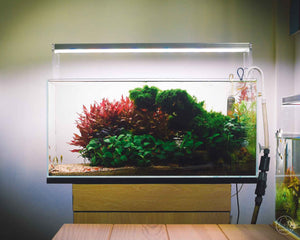
Credit: litiaquaria.com
Choosing The Right Led Lights
Good lighting helps your community tank look natural and healthy. LED lights save energy and last a long time. Picking the right LED lights makes a big difference in tank harmony.
This guide covers types of LED fixtures, light intensity and coverage, and color temperature options. These points will help you choose the best LED lights for your tank.
Types Of Led Fixtures
There are several LED fixtures for community tanks. Each fixture fits different tank sizes and styles. Some are full spectrum, while others focus on specific colors.
- Strip lights: Thin and long, good for small tanks.
- Panel lights: Flat and wide, cover large areas evenly.
- Spotlights: Focus light on plants or decorations.
- Clip-on lights: Easy to move and adjust on tank edges.
Light Intensity And Coverage
Light intensity means how bright the LED is. Coverage means how much area the light reaches. Both are important for plant growth and fish comfort.
| Light Intensity | Best For | Notes |
| Low (under 20 PAR) | Small tanks, low light plants | Energy efficient, less heat |
| Medium (20-50 PAR) | Most community tanks | Supports many plants and fish |
| High (over 50 PAR) | Large tanks, high light plants | Can cause algae if too strong |
Color Temperature Options
Color temperature shows the light color in Kelvins (K). It affects how your tank looks and how plants grow.
- 2700K to 3500K: Warm light, good for natural look.
- 4000K to 5000K: Neutral white, best for plant growth.
- 6500K to 7000K: Cool daylight, bright and clear view.
Setting Up For Community Tanks
Using LED lighting helps keep community tanks healthy and bright. It supports fish and plants well.
Good lighting makes the tank look natural and helps species live comfortably together.
Balancing Light For Different Species
Community tanks have many species with different light needs. Some fish like dim light. Others need bright light to thrive.
Adjust LED brightness and color to suit all tank inhabitants. Use adjustable LED lights for best results.
- Soft light for shy or nocturnal fish
- Bright light for active fish and plants
- Use blue or white LEDs for natural look
Avoiding Algae Overgrowth
Too much light causes algae to grow fast. Algae can hurt plants and fish health.
Control how long and how bright your LEDs shine. Keep light cycles consistent to limit algae growth.
- Set light duration between 8 to 10 hours daily
- Use timers to keep regular light schedules
- Lower brightness if algae starts to appear
Creating Natural Daylight Cycles
Fish and plants need day and night cycles for health. LED lighting can mimic natural daylight well.
Use LEDs that change color temperature during the day. This simulates sunrise and sunset effects.
- Start with soft warm light in the morning
- Bright cool light during the day
- Dim warm light at evening for rest

Credit: www.amazon.com
Enhancing Plant Growth
LED lighting can help plants grow better in community tanks. It provides the right light for plants to do photosynthesis. Good lighting makes plants healthy and green.
Choosing the right light and setting it correctly helps plants grow faster. It also keeps the tank balanced and beautiful.
Optimal Wavelengths For Photosynthesis
Plants use specific light colors to make food. Blue and red light are best for photosynthesis. Blue light helps leaves grow strong. Red light helps flowers and fruits develop.
- Blue light: 430-450 nanometers
- Red light: 640-660 nanometers
- Green light is less useful but can improve plant look
Adjusting Light Duration
Plants need light for a certain time each day. Most plants grow well with 8 to 12 hours of light daily. Too much light can stress plants and cause algae growth.
- Set a timer to keep light on for 8-12 hours
- Give plants dark time to rest
- Watch plants for signs of too much or too little light
Supplementing With Co2 And Nutrients
Good light helps plants, but they also need CO2 and nutrients. CO2 helps plants make food faster. Nutrients like nitrogen, phosphorus, and potassium support growth.
- Add CO2 with a diffuser or injection system
- Use plant fertilizers made for aquarium use
- Check water quality to keep nutrients balanced
Highlighting Fish Colors
Fish colors look brighter with the right lighting. LED lights help show off their natural beauty. Good lighting makes the tank more lively and enjoyable.
Choosing the right LED setup enhances the colors of your fish. This guide covers how to select and use lights for the best effect.
Selecting Lights To Enhance Vibrancy
Choose LED lights that bring out rich colors in fish. Look for lights with good color rendering and brightness. Warm light tones often make reds and yellows pop.
- Pick LED lights with high Color Rendering Index (CRI).
- Use adjustable brightness to avoid glare.
- Choose full spectrum lights for natural color.
- Avoid overly harsh or dim lights.
Using Blue And White Leds
Blue and white LEDs work well to show fish colors. Blue light enhances blues and greens. White light helps balance overall brightness.
| LED Color | Effect on Fish Colors |
| Blue | Enhances blue, green, and purple shades |
| White | Brightens the tank and shows true colors |
| Combination | Balances color and brightness for natural look |
Timing Light Changes For Natural Effect
Changing light times helps fish feel comfortable. Natural light cycles reduce stress and show colors better. Use timers to mimic sunrise and sunset.
- Set lights to turn on gradually in the morning.
- Keep lights on for 8-10 hours daily.
- Dim lights slowly before turning off at night.
- Avoid sudden light changes to reduce fish stress.

Credit: www.amazon.co.uk
Maintenance And Troubleshooting
LED lighting is popular for community tanks. It is energy-efficient and long-lasting. Proper care ensures these lights work well.
Regular maintenance and quick troubleshooting help keep your LED lights in top shape. This guide covers cleaning, replacing parts, and fixing common issues.
Cleaning And Inspecting Fixtures
Clean LED fixtures often to ensure bright light. Dust and dirt can block light and reduce efficiency.
Inspect fixtures for damage. Check for loose wires or broken parts. Fix problems quickly to avoid bigger issues.
- Use a soft cloth to wipe fixtures
- Check for water damage near fixtures
- Ensure all screws are tight
Replacing Leds And Drivers
Sometimes, LEDs or drivers may fail. Replacing them is easy and keeps your lights working well.
Turn off power before replacing parts. Follow safety guidelines to avoid accidents.
- Use the correct type of LED for your fixture
- Ensure the driver matches the LED’s power needs
- Test the light after replacing parts
Common Lighting Issues And Solutions
LED lights may flicker or dim. These issues often have simple fixes.
Check connections if lights flicker. Dim lights may need new LEDs or drivers.
| Issue | Solution |
| Flickering light | Check and tighten connections |
| Dim light | Replace LED or driver |
Smart Lighting Controls
Smart lighting controls can transform the way you manage your community tank. These systems offer convenience and help maintain a healthy environment for aquatic life.
By using smart controls, you can easily adjust the lighting conditions in your aquarium to suit the needs of your fish and plants.
Automated Timers And Dimmers
Automated timers and dimmers allow you to set precise lighting schedules. This helps mimic natural light cycles, which is crucial for fish and plant health.
- Set specific times for lights to turn on and off
- Adjust brightness levels throughout the day
- Reduce energy usage with efficient settings
Remote Control Options
Remote control options give you the flexibility to manage your aquarium lighting from anywhere. This is useful for making quick adjustments without having to be at home.
With a simple app on your smartphone, you can:
- Turn lights on or off remotely
- Change light colors to suit the tank’s needs
- Monitor the current lighting status
Integrating With Aquarium Systems
Integrating smart lighting with your aquarium systems enhances the overall management. You can connect it with other equipment for a seamless experience.
| System | Integration Benefit |
| Filtration | Sync lighting with filter cycles |
| Heating | Coordinate light and temperature changes |
| Feeding | Adjust light during feeding times |
Frequently Asked Questions
What Are The Benefits Of Led Lighting For Community Tanks?
LED lighting enhances fish colors, promotes plant growth, and saves energy. It creates a natural environment, improving tank harmony and reducing maintenance costs effectively.
How Does Led Lighting Affect Fish Behavior In Tanks?
LED lights mimic natural sunlight, reducing stress and promoting natural activity. Proper lighting helps fish display their true colors and supports their health and well-being.
Can Led Lighting Improve Plant Growth In Community Tanks?
Yes, LED lights provide the right spectrum for photosynthesis. They encourage healthy, vibrant plants, which in turn support a balanced ecosystem in community tanks.
What Is The Ideal Led Lighting Duration For Community Tanks?
Generally, 8 to 10 hours of LED lighting daily is ideal. This schedule supports fish and plant health while preventing algae overgrowth.
Conclusion
LED lighting brings balance and beauty to community tanks. It helps plants grow and fish stay healthy. You can control light intensity and color easily. This creates a natural and calm tank environment. Choosing the right LED lights saves energy and money too.
Small changes make a big difference in tank harmony. Enjoy a lively, peaceful aquarium with LED lighting. Simple, smart lighting keeps your community tank happy.