
Setting up a fish tank for livebearers can be both exciting and rewarding. If you want your livebearers to thrive, you need the right environment, water conditions, and care.
This guide will help you create the perfect home for your fish, so they stay healthy and lively. Keep reading, and you’ll discover simple steps that make a big difference in your fish tank setup. By the end, you’ll feel confident and ready to give your livebearers the best start possible.
Choosing The Right Tank
Setting up a fish tank for livebearers starts with picking the right tank. The tank size, material, and location all affect your fish’s health.
Livebearers need space to swim and hide. A good tank gives them a safe and comfortable home.
Tank Size Recommendations
Livebearers are small fish but they like groups. A larger tank helps keep water clean and fish happy.
Start with at least 20 gallons. Bigger tanks are easier to maintain and support more fish.
- 20 gallons: Good for a small group of livebearers
- 30 gallons: Ideal for more fish and plants
- 50 gallons or more: Best for large groups and breeding
Material Options
Fish tanks come in glass or acrylic. Each material has its strengths and limits.
Glass tanks are heavy but scratch-resistant. Acrylic tanks are lighter and clearer but scratch easily.
- Glass: Durable, heavier, less prone to scratches
- Acrylic: Lightweight, clearer, easier to shape
Location Tips
Pick a stable place for your tank. Avoid direct sunlight to stop algae growth and temperature swings.
Keep the tank away from heat sources and drafts. Use a flat, strong surface to hold the tank safely.

Credit: forum.aquariumcoop.com
Water Conditions
Livebearers need steady water conditions to stay healthy. Good water quality helps them grow and breed well.
Understanding temperature, pH, hardness, and filtration is key to a good fish tank setup.
Ideal Temperature Range
Livebearers thrive in warm water. Keep the tank between 74°F and 82°F (23°C to 28°C). Sudden changes can stress fish and cause illness.
Ph And Hardness Levels
| Water Parameter | Ideal Range for Livebearers | Notes |
|---|---|---|
| pH | 7.0 – 8.0 | Neutral to slightly alkaline water is best |
| General Hardness (GH) | 10 – 20 dGH | Moderately hard water supports healthy growth |
| Carbonate Hardness (KH) | 3 – 10 dKH | Helps stabilize pH levels |
Test water regularly to keep these levels steady. Use water conditioners if needed to adjust hardness or pH.
Filtration Essentials
Good filtration keeps water clean and clear. It removes waste and harmful chemicals that can harm fish.
- Choose a filter that fits your tank size
- Use mechanical, chemical, and biological filtration
- Clean the filter media regularly but avoid over-cleaning
- Keep water flow gentle to avoid stressing livebearers
Substrate And Decorations
Setting up a fish tank for livebearers needs careful choice of substrate and decorations. These choices help livebearers feel safe and healthy.
The right substrate and decorations also make the tank look natural and attractive. They support fish behavior and tank cleaning.
Best Substrate Types
Livebearers do well with smooth and fine substrates. Sharp or rough materials can hurt their delicate fins and bodies.
Substrates also affect plant growth and water quality. Choose types that keep the water clean and plants healthy.
- Fine sand: Soft and safe for livebearers to swim on
- Gravel (small, smooth): Good for plants and easy to clean
- Aquarium soil: Helps live plants grow better
- Mixed substrates: Combine sand and gravel for variety
Plant Selection
Plants give livebearers places to hide and explore. They also improve water quality by using nutrients and oxygen.
Choose plants that grow well in your tank size and lighting. Livebearers like dense plants with soft leaves.
- Java moss: Easy to grow and dense
- Anubias: Tough leaves and slow growing
- Hornwort: Fast growth and good cover
- Amazon sword: Large leaves for shade
- Water wisteria: Fills space and oxygenates water
Hiding Spots And Structures
Livebearers feel safer with places to hide. Decorations create safe zones and reduce stress.
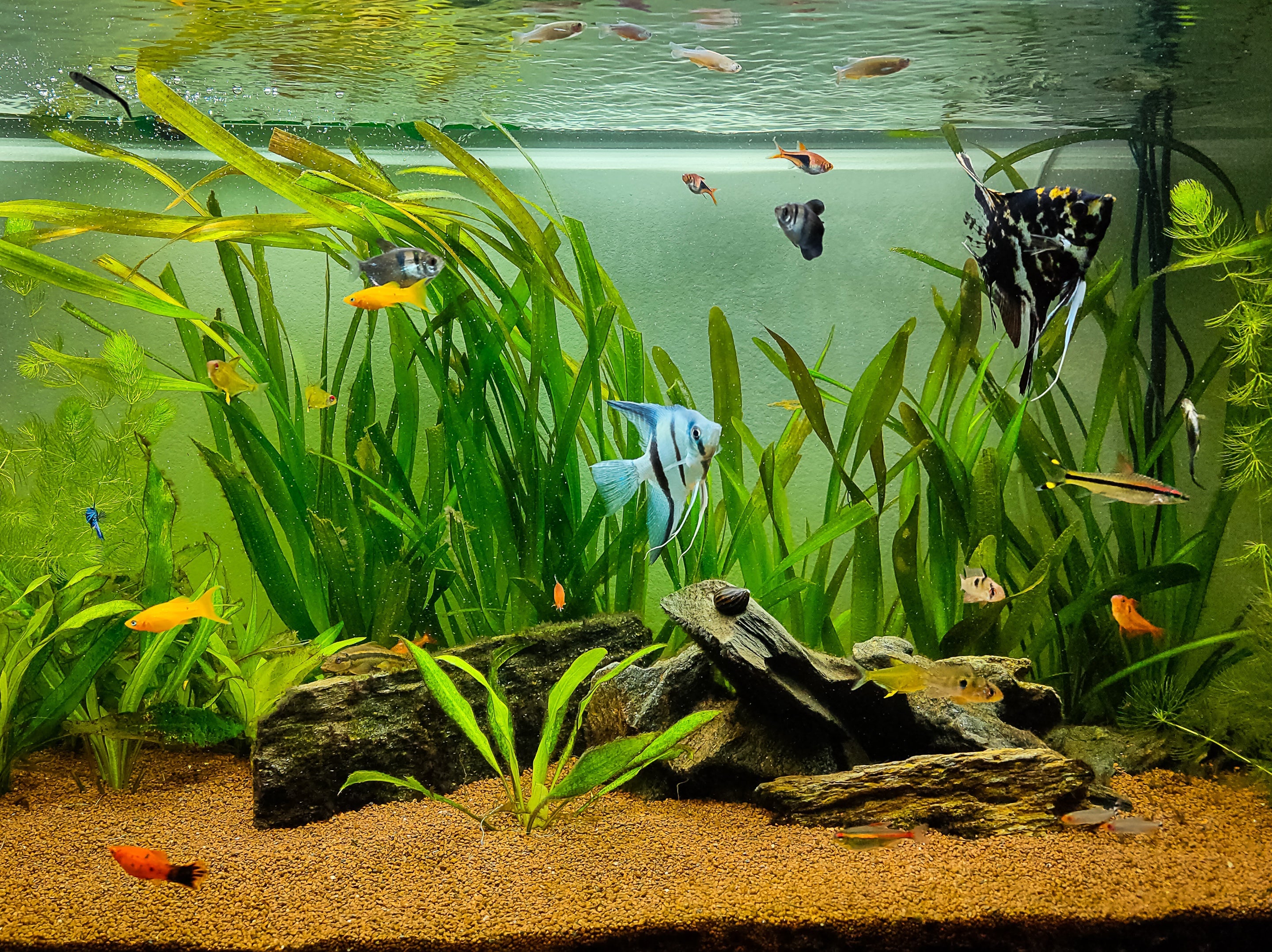
Use natural and smooth decorations. Avoid sharp edges that can injure fish. Add caves, rocks, and driftwood.
- Small caves or ceramic pots: Good for shelter
- Driftwood: Natural look and hiding spots
- Live plants: Dense areas for hiding
- Rock stacks: Create tunnels and caves
- Leaf litter: Soft ground cover and hiding places
Credit: splashyfishstore.com
Selecting Livebearer Species
Livebearers are popular fish for home aquariums. They give birth to free-swimming young. Choosing the right species helps you create a healthy tank.
Each livebearer species has unique needs and traits. Understanding these helps you pick fish that thrive together.
Popular Livebearer Types
Many livebearers are colorful and easy to care for. Here are some common types found in aquariums.
- Guppies – Small, vibrant, and active fish.
- Mollies – Hardy fish that like slightly salty water.
- Platies – Peaceful and come in many colors.
- Swordtails – Known for their sword-like tail fins.
Compatibility Factors
Not all livebearers get along well. Choose species with similar water needs and temperaments.
| Factor | Details |
|---|---|
| Water Temperature | Most livebearers prefer 72-78°F (22-26°C). |
| pH Level | Neutral to slightly alkaline (7.0-8.0) suits most species. |
| Tank Size | Some need larger tanks due to size or activity. |
| Behavior | Aggressive species may stress peaceful ones. |
Behavioral Traits
Livebearers show different behaviors. Knowing these traits helps avoid conflicts.
- Guppies are lively and social but not aggressive.
- Mollies may nip fins if crowded.
- Platies are calm and good for community tanks.
- Swordtails can be territorial, especially males.
Feeding Livebearers
Livebearers are popular fish for home aquariums. Feeding them properly ensures they stay healthy and vibrant.
Understanding their dietary needs can help you provide the best care. Let’s explore the essentials of their feeding habits.
Diet Basics
Livebearers thrive on a varied diet. They need a mix of proteins and plant-based foods.
- High-quality flake food
- Frozen or live brine shrimp
- Algae wafers
Feeding Frequency
Feeding frequency is crucial for livebearers’ health. Overfeeding can lead to health issues.
Supplemental Foods
Supplemental foods provide extra nutrients. They help enhance the fish’s color and vitality.
| Food Type | Benefits |
| Daphnia | Boosts digestion |
| Bloodworms | Rich in protein |
| Spirulina | Enhances color |

Credit: www.aqqapet.com
Breeding Tips
Setting up a fish tank for livebearers needs care and attention. Good breeding starts with a healthy environment.
These tips will help you spot pregnant fish, care for the fry, and separate breeders properly.
Recognizing Pregnant Fish
Livebearers carry their babies inside. Look for a swollen belly and a dark spot near the rear fin. This spot is called the gravid spot.
Pregnant fish may also eat less and hide more. Watch them closely to prepare for the fry.
- Swollen belly that grows over time
- Dark gravid spot near the anal fin
- Less active or hiding behavior
Fry Care
Fry need clean water and small food pieces to grow well. Use fine fry food or crushed flakes.
Keep the tank water clean by changing it regularly. Avoid strong water currents that can harm the fry.
- Feed fry small amounts 3-4 times a day
- Change 20% of water weekly to keep it clean
- Use gentle water flow to protect fry
Separating Breeders
Separate pregnant fish from others to keep fry safe. Other fish may eat the babies.
Use a breeding box or a separate tank for the pregnant fish. Move her before she gives birth.
- Place pregnant fish in a separate tank or breeding box
- Move her before the fry are born
- Return her after fry are free-swimming and safe
Maintenance And Care
Setting up a fish tank for livebearers requires proper maintenance and care. This ensures a healthy environment for your fish. Regular tasks help keep your tank in top condition.
Good care involves cleaning, water changes, and monitoring fish health. These practices are important for a thriving fish habitat.
Regular Cleaning
Cleaning the fish tank regularly is crucial for livebearers. It prevents the buildup of harmful substances. Clean the glass, decorations, and substrate.
- Use a clean sponge for the glass
- Rinse decorations with warm water
- Vacuum the substrate to remove waste
Water Changes
Changing the water keeps it fresh and free of toxins. Regular water changes help maintain the right chemical balance.
- Change 10-15% of the water weekly
- Use a water conditioner to remove chlorine
- Match the new water temperature to the tank
Monitoring Fish Health
Keep an eye on your fish’s health to spot any issues early. Healthy fish are active and have bright colors.
- Check for signs of illness like spots or clamped fins
- Ensure fish are eating regularly
- Observe any changes in behavior
Frequently Asked Questions
What Size Tank Is Best For Livebearers?
A 20-gallon tank is ideal for most livebearers. It provides enough space for swimming and breeding. Larger tanks reduce stress and improve water quality. Avoid overcrowding to keep fish healthy and active.
How Do I Maintain Water Quality For Livebearers?
Regular water changes, about 25% weekly, keep water clean. Use a good filter and monitor pH (7. 0-8. 0). Avoid sudden temperature changes and remove uneaten food to prevent harmful buildup.
What Plants Are Suitable For Livebearer Tanks?
Livebearers thrive with Java moss, Anubias, and hornwort. These plants provide hiding spots for fry and improve water quality. Avoid dense plants that restrict swimming space.
How Often Should I Feed Livebearers?
Feed livebearers small amounts 2-3 times daily. Use high-quality flakes, pellets, and occasional live or frozen food. Avoid overfeeding to prevent water pollution.
Conclusion
Setting up a fish tank for livebearers takes some care and attention. Choose the right tank size and keep the water clean. Provide plants and hiding spots for the fish to feel safe. Feed them a balanced diet and watch for signs of stress.
Regular maintenance keeps your tank healthy and bright. Enjoy the lively colors and active behavior of your livebearers. A happy tank means happy fish. Start simple, learn as you go, and have fun with your aquatic pets.