
Have you ever wanted to create a beautiful underwater world but worry your shy fish won’t feel safe? Aquascaping for shy species is the secret to building a peaceful, stunning habitat where your timid aquatic friends can thrive.
Imagine watching your shy fish explore their environment confidently, hiding when they need to, and showing their true colors. You’ll discover simple yet powerful aquascaping tips that make your tank a safe haven for even the most reserved species. Ready to transform your aquarium into a calm retreat your shy fish will love?
Let’s dive in.
Choosing The Right Shy Species
Aquascaping with shy species can create a peaceful and natural tank environment. Selecting the right species helps them feel safe and comfortable.
Knowing their needs and behaviors makes it easier to care for shy fish and invertebrates. This guide covers popular species, their traits, and tank compatibility.
Popular Shy Fish And Invertebrates
Shy species tend to hide and avoid bright light or active tankmates. Here are some common choices for aquascaping:
- Corydoras Catfish – peaceful bottom dwellers that like groups
- Otocinclus Catfish – small algae eaters, good for planted tanks
- Cherry Shrimp – colorful and shy, they hide among plants
- Neon Tetras – small, peaceful fish that prefer calm tanks
- Ghost Shrimp – transparent and quiet, they clean the tank
Behavioral Traits To Consider
Shy species have unique traits that affect their care and tank setup. Understanding these traits helps keep them stress-free.
- Hiding Habits – they need plants or decorations for shelter
- Feeding Patterns – some feed at night or need special food
- Activity Level – many move slowly and avoid open spaces
- Social Needs – some prefer groups, others are solitary
- Response to Light – low or dim lighting suits shy species better
Compatibility With Other Tank Inhabitants
Choose tankmates carefully to avoid stress or aggression. Shy species do best with peaceful companions.
| Species Type | Compatibility Notes |
| Corydoras Catfish | Good with other peaceful bottom dwellers |
| Otocinclus Catfish | Avoid large or aggressive fish |
| Cherry Shrimp | Keep away from predatory fish |
| Neon Tetras | Best in schools with small, calm fish |
| Ghost Shrimp | Safe with non-aggressive tankmates |
Credit: treecarezone.com
Creating Natural Hiding Spots
Shy fish need safe places to feel secure in an aquarium. Natural hiding spots help them reduce stress and stay healthy.
Building these spots with natural materials makes the tank look beautiful and keeps fish comfortable.
Using Plants For Shelter
Plants are great for hiding shy species. They offer cover and break up open spaces in the tank.
Choose plants with thick leaves and dense growth. They provide good shelter and hiding spots.
- Java fern
- Anubias
- Amazon sword
- Cryptocoryne
- Hornwort
Incorporating Driftwood And Rocks
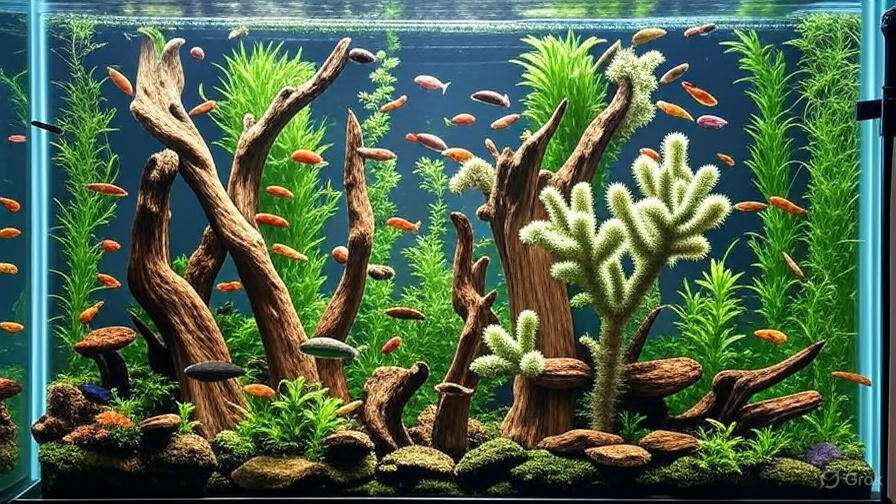
Driftwood and rocks create natural barriers and shaded areas. Fish use these as hiding places during the day.
Arrange driftwood and rocks to form small tunnels or shaded spaces. This makes shy fish feel safe.
- Use smooth driftwood to avoid injury
- Stack rocks carefully for stability
- Leave gaps for fish to swim through
- Combine with plants for extra cover
Designing Caves And Hideouts
Caves and hideouts give shy fish their own private space. They help reduce stress and create a natural feel.
Use aquarium-safe materials to build caves. You can use rocks, ceramic, or coconut shells for these hideouts.
- Place caves near plants or wood
- Make sure openings are big enough for fish
- Keep caves stable to avoid collapse
- Use different sizes for various fish
Tank Layout For Comfort
Aquascaping for shy species needs careful tank layout. The design should give these fish a safe and calm place to live.
Comfort in the tank helps shy fish feel less stressed and more at home. Creating zones and using plants and decorations wisely is key.
Zoning The Aquarium
Zoning divides the tank into different areas. Some zones are open for swimming. Others offer shelter and hiding spots.
- Quiet corners for resting
- Open swimming areas in the center
- Plant-dense zones for hiding
- Rock or wood structures for shelter
Balancing Open And Covered Areas
Shy species need a balance of open and covered spaces. Open areas give room to swim. Covered areas provide safety.
| Area Type | Purpose | Examples |
| Open | Swimming and exploring | Clear water zones, few plants |
| Covered | Hiding and resting | Dense plants, caves, driftwood |
Substrate Choices For Security
The tank bottom affects how safe shy fish feel. Soft and natural substrates help them hide and dig.
Good substrates include:
- Fine sand for burrowing
- Small smooth gravel
- Dark colors to reduce light reflection

Credit: www.aqqapet.com
Lighting And Environment Control
Creating a safe space for shy species means careful control of light and environment. Proper lighting and stable conditions help reduce their stress.
Shy fish feel more comfortable with soft lights and calm surroundings. Good management of water and environment is key to keeping them healthy.
Soft Lighting Techniques
Strong lights can scare shy fish. Use gentle lighting to mimic their natural habitat. Soft lights make them feel safe and less exposed.
- Use LED lights with dimmers to adjust brightness
- Place floating plants to diffuse light
- Choose warm color temperatures around 2700K to 3000K
- Limit light time to 6-8 hours daily
- Use shaded areas or caves for hiding spots
Maintaining Stable Water Conditions
Stable water keeps shy species healthy and calm. Sudden changes can stress them and cause illness. Keep pH, temperature, and hardness steady.
| Parameter | Ideal Range | Notes |
| pH Level | 6.5 – 7.5 | Neutral to slightly acidic |
| Temperature | 74°F – 78°F (23°C – 26°C) | Consistent, avoid sudden shifts |
| Water Hardness | Soft to moderate (3-10 dGH) | Depends on species needs |
| Ammonia/Nitrite | 0 ppm | Harmful at any level |
Reducing Stress Through Environment
Stress harms shy fish. Create calm spaces with plants and hiding spots. Keep noise low and avoid sudden movements near the tank.
Ways to reduce stress include:
- Adding live plants for cover
- Using gentle water flow and filtration
- Keeping the tank in a quiet, low-traffic area
- Feeding small amounts multiple times a day
- Providing caves or tunnels for hiding
Feeding Strategies For Shy Species
Feeding shy species in an aquascape needs patience and care. These species hide often and avoid bright areas.
Understanding their feeding habits helps keep them healthy and reduces stress in the tank.
Feeding Times And Frequency
Feed shy species during quiet times when the tank is calm. Early morning or late evening works best. Avoid feeding during busy hours.
- Feed small amounts two to three times daily.
- Remove leftover food after 30 minutes to keep water clean.
- Observe their behavior to adjust feeding times if needed.
Types Of Food Preferred
Shy species often prefer natural and soft foods that mimic their diet in the wild. Offer a mix of options to see what they like best.
| Food Type | Description | Examples |
|---|---|---|
| Live food | Stimulates natural hunting behavior | Daphnia, brine shrimp, bloodworms |
| Frozen food | Easy to store and safe | Frozen brine shrimp, mosquito larvae |
| Sinking pellets | Reaches bottom dwellers quickly | Special soft sinking pellets |
| Vegetable matter | Good for herbivores and omnivores | Blanched spinach, zucchini slices |
Encouraging Confident Feeding
Create a safe environment to help shy species eat more confidently. Use hiding spots and reduce sudden movements near the tank.
- Feed near plants or decorations where they feel secure.
- Use a feeding ring to keep food in one area.
- Lower the tank lights during feeding times.
- Keep noise and vibrations to a minimum.
- Introduce food slowly to avoid startling them.
Monitoring Behavior And Health
Aquascaping for shy species requires special attention. These fish can be sensitive to changes in their environment. Monitoring their behavior and health is crucial. It helps ensure they are comfortable in their aquatic home.
Understanding the signs of stress and maintaining regular health checks are key. Adjusting tank conditions when needed can make a big difference. This approach helps your shy species thrive.
Signs Of Stress In Shy Species
Shy species often show stress through their behavior. They might hide more than usual or refuse to eat. Changes in swimming patterns can also be a sign.
Look for signs like clamped fins or rapid breathing. These can indicate stress. It is important to act quickly to address these issues.
- Hiding more often
- Refusal to eat
- Clamped fins
- Rapid breathing
Regular Health Checks
Conduct regular health checks for your shy species. Observe their physical condition and behavior. Look for any changes that might indicate health problems.
Check for signs of disease like spots or unusual growths. A regular schedule can help catch issues early. This keeps your fish healthy and stress-free.
- Observe physical condition
- Look for spots or growths
- Monitor behavior changes
Adjusting Tank Conditions As Needed
Sometimes, tank conditions need adjusting. This can help reduce stress in shy species. Ensure the water quality is suitable for them.
Adjust the lighting and provide hiding spots. These changes can make shy species feel safer. They will be more likely to come out and interact.
- Ensure good water quality
- Adjust lighting levels
- Provide plenty of hiding spots
Maintaining A Peaceful Community
Aquascaping provides a safe home for shy species. Peaceful environments help these creatures thrive. Designing a tranquil tank involves careful planning.
Shy species need compatible tankmates to feel secure. Avoid aggressive species that stress them out. Create spaces that reduce territorial conflicts.
Choosing Compatible Tankmates
Pick fish that live peacefully together. Compatible species reduce stress. Shy species like tetras and guppies make good tankmates.
Small, calm fish create a relaxed atmosphere. Avoid fish that grow large. Keep similar-sized fish to prevent bullying.
- Neon Tetras
- Harlequin Rasboras
- Cherry Barbs
Avoiding Aggressive Species
Aggressive fish can harm shy species. They often chase or nip others. Choose peaceful fish to avoid conflicts.
Some fish like cichlids are known for aggression. Avoid these in community tanks. Check species behavior before adding them.
- Betta Fish
- Red-Tailed Sharks
- Oscars
Managing Territorial Behavior
Territorial fish can dominate the tank. This stresses shy species. Provide hiding spots to reduce tension.
Use plants, rocks, or caves to create safe zones. These areas allow shy fish to retreat. A well-planned tank layout helps maintain harmony.
| Feature | Benefit |
|---|---|
| Plants | Offer cover for shy species |
| Rocks | Break line of sight |
| Caves | Provide retreats |

Credit: www.sousleau.ca
Frequently Asked Questions
What Is Aquascaping For Shy Fish Species?
Aquascaping for shy species involves creating a natural, sheltered environment. It includes dense plants, hiding spots, and low light to reduce stress and encourage natural behavior.
How Do Plants Benefit Shy Aquarium Species?
Plants provide cover and security, mimicking natural habitats. They reduce stress by offering hiding spaces, improving fish comfort and promoting healthy activity.
Which Aquascaping Materials Suit Shy Fish Best?
Soft plants, caves, driftwood, and rocks create hiding spots. These materials offer shelter and reduce open swimming areas, helping shy species feel safe.
How To Maintain Low-stress Lighting For Shy Species?
Use dim or adjustable lighting to mimic natural shade. Avoid bright, direct light to prevent stress and encourage natural behavior in shy fish.
Conclusion
Creating a calm and safe space helps shy species feel at home. Use plants and hiding spots to reduce stress. Keep lighting soft and avoid sudden movements near the tank. Watch your shy fish slowly come out and explore. Patience and care make all the difference.
Enjoy the peaceful beauty of your aquascape and its gentle inhabitants. Simple steps bring big rewards in your aquarium journey.