
Setting up a guppy tank can feel overwhelming, especially if you’re new to fishkeeping. But what if there was a simple way to get everything you need in one package?
That’s where the Guppy Tank Setup Starter Kit comes in. It’s designed to make your life easier and your guppies happier. You’ll discover how this kit can save you time, money, and frustration while creating the perfect home for your colorful little friends.
Keep reading to find out how to get started right and enjoy a thriving guppy tank from day one.
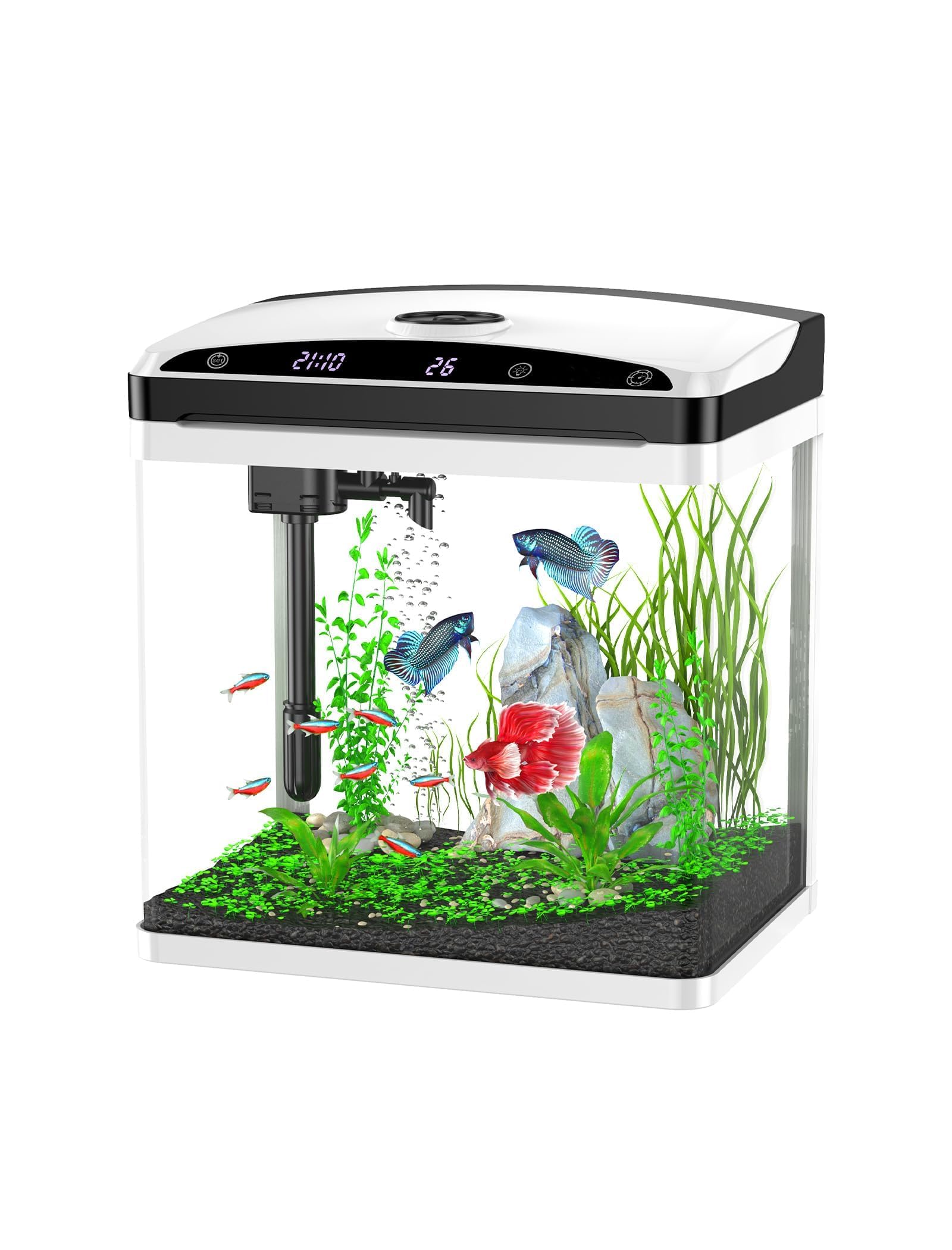
Credit: www.amazon.ca
Choosing The Right Tank
Setting up a guppy tank starts with picking the right tank. The tank must suit the fish and fit your space.
Choosing the right tank helps keep guppies healthy and happy. It also makes maintenance easier.
Ideal Tank Size
A tank that is too small can stress guppies. A larger tank gives them more room to swim.
For beginners, a 10-gallon tank is good. It holds enough water and is easy to clean.
- 10 gallons is good for 5-6 guppies
- More space reduces water pollution
- Larger tanks keep water temperature stable
Material Options
Fish tanks come in glass and acrylic. Both have good and bad sides.
Glass is heavy but scratch resistant. Acrylic is lighter and clearer but can scratch easier.
- Glass tanks are durable and easy to clean
- Acrylic tanks are light and often cheaper
- Choose based on your handling and budget
Tank Shape Benefits
Tanks come in many shapes like rectangle, cube, or bowl. Each shape has benefits for guppies.
Rectangle tanks offer more surface area for oxygen. Bowls look nice but limit space and oxygen.
- Rectangle tanks provide good swimming space
- Cubes fit small areas and look modern
- Bowls are small and harder to maintain
Essential Equipment
Setting up a guppy tank requires the right equipment. This helps keep your fish healthy and happy.
We cover key items you need for a good start. Filtration, heating, and lighting are important parts.
Filtration Systems
A filter cleans the water by removing dirt and waste. It keeps the tank water clear and safe.
- Choose a gentle filter to avoid strong currents.
- Use sponge or foam filters for good bacteria growth.
- Clean the filter parts regularly to keep it working well.
Heaters And Thermometers
Guppies need warm water to live well. A heater keeps the temperature steady.
| Equipment | Purpose |
| Heater | Keeps water temperature between 74°F and 82°F |
| Thermometer | Shows the current water temperature |
| Adjustable Heater | Allows setting exact temperature for guppies |
Lighting Choices
Proper lighting helps plants grow and shows your fish’s colors.
Choose lighting that:
- Is not too bright to stress the fish
- Runs for about 8-10 hours a day
- Supports live plants if you add them
Substrate And Decorations
Setting up a guppy tank needs the right substrate and decorations. These parts make the tank safe and comfy for guppies.
Good substrate and decorations help guppies hide and explore. They also support plant growth and keep water clean.
Best Substrate Types
Choosing the right substrate helps keep guppies healthy. It also affects how plants grow in the tank.
Fine gravel and sand are popular. They are gentle on guppies and easy to clean.
- Fine gravel: good for plant roots and looks natural
- Sand: soft and safe for guppies to swim near
- Aquarium soil: rich in nutrients for plants
Plants For Guppy Tanks
Plants give guppies hiding places and help clean the water. They make the tank look fresh and alive.
Choose plants that are easy to care for and do well with guppies.
- Java moss: grows fast and offers good cover
- Anubias: tough leaves, low light needs
- Hornwort: floats or roots, cleans water
- Amazon sword: big leaves for shade and hiding
Safe Decorations
Decorations should not hurt guppies or pollute the water. Avoid sharp or painted items.
Natural and smooth decorations are best. They help guppies feel safe and reduce stress.
- Smooth river stones without sharp edges
- Driftwood that is clean and untreated
- Ceramic or resin caves made for aquariums
- Plastic plants made for fish tanks

Credit: www.coastgemusa.com
Water Parameters
Setting up a guppy tank requires attention to water quality. Proper water parameters keep guppies healthy and active.
This guide covers the most important water factors to monitor in your guppy tank starter kit.
Temperature Range
Guppies live best in warm water. Keep the tank temperature steady for their comfort.
The ideal temperature range is between 72°F and 82°F. Avoid sudden changes to protect your fish.
- Minimum temperature: 72°F (22°C)
- Maximum temperature: 82°F (28°C)
- Use an aquarium heater for stable warmth
Ph Levels
The pH level shows how acidic or basic the water is. Guppies prefer slightly alkaline water.
Maintain the pH between 6.8 and 7.8 for a healthy environment. Test water regularly to keep it stable.
- Ideal pH range: 6.8 to 7.8
- Avoid strong acidity or alkalinity
- Use pH testing kits for accuracy
Water Hardness
Water hardness means the amount of minerals in the water. Guppies thrive in moderately hard water.
Keep the hardness between 8 and 12 dGH to support their health. Soft or very hard water can cause stress.
- Ideal hardness: 8 to 12 dGH
- Too soft water may harm guppies
- Too hard water can cause health issues
Cycling The Tank
Cycling your guppy tank is important before adding fish. It creates a safe environment by establishing helpful bacteria.
This process helps remove harmful waste and keeps your guppies healthy and happy.
Nitrogen Cycle Basics
The nitrogen cycle is a natural process that breaks down fish waste in the tank. Ammonia from waste is toxic to guppies.
- Bacteria first convert ammonia into nitrites, which are still harmful.
- Then another type of bacteria change nitrites into nitrates, which are less harmful.
- Plants and water changes help remove nitrates from the tank.
How To Cycle Properly
Start your tank with clean water and add a source of ammonia, like fish food or pure ammonia. Avoid adding fish during cycling.
- Check ammonia levels daily to see if bacteria are forming.
- Wait until ammonia and nitrites drop to zero.
- Test for nitrates to confirm the cycle is complete.
- Perform a partial water change before adding guppies.
Testing Water Quality
Testing water helps track the nitrogen cycle and keep your tank safe. Use test kits for ammonia, nitrites, and nitrates.
| Parameter | Safe Level for Guppies | Notes |
| Ammonia (NH3) | 0 ppm | Highly toxic, must be zero |
| Nitrites (NO2-) | 0 ppm | Very harmful, avoid presence |
| Nitrates (NO3-) | < 20 ppm | Less harmful, change water if high |
Credit: www.petsmart.com
Selecting Guppies
Choosing the right guppies for your tank is important. This will ensure they thrive and look beautiful.
Learn how to pick guppies that are perfect for your aquarium. We will discuss types, traits, and where to buy them.
Types Of Guppies
There are many kinds of guppies to choose from. Each type has unique colors and patterns.
- Fancy Guppies: Known for their bright colors and large fins.
- Endler’s Guppies: Smaller and often more vibrant.
- Wild Guppies: More natural in appearance, hardy and resilient.
Healthy Guppy Traits
Healthy guppies are active and have clear eyes. They should swim easily and have no visible signs of illness.
| Trait | Description |
| Clear Eyes | Eyes should be bright and clear. |
| Active Swimming | Guppies should swim around the tank actively. |
| Color | Colors should be vibrant without fading. |
Where To Buy
Guppies can be purchased from various places. Choose a reliable source to get healthy fish.
Consider these places for buying guppies:
- Local Pet Stores: Check for clean tanks and healthy fish.
- Online Retailers: Read reviews to ensure quality.
- Fish Breeders: They often offer a wider variety of species.
Feeding Guppies
Feeding guppies is an important part of keeping them healthy. This guide will help you understand what to feed them and how often.
Guppies are small, colorful fish that enjoy a balanced diet. Providing the right food ensures they grow well and stay active.
Types Of Food
Guppies eat a variety of foods to stay healthy. Their diet should include flakes, live food, and vegetables.
Flakes are the most common food. You can also give them brine shrimp and daphnia. Vegetables like peas are a good treat too.
- Flakes: Easy and convenient
- Live food: Brine shrimp, daphnia
- Vegetables: Blanched peas
Feeding Frequency
Feed guppies small amounts two to three times a day. This keeps them energetic and prevents food waste.
Morning and evening are good times to feed them. Young guppies may need more frequent feeding.
Avoiding Overfeeding
Overfeeding can make your tank dirty and harm fish health. Give only as much food as they can eat in a few minutes.
Remove any uneaten food after feeding. This keeps the tank clean and prevents water quality issues.
- Feed small amounts
- Remove leftover food
- Watch for changes in behavior
Maintenance Tips
Setting up a guppy tank starter kit is just the first step. Proper maintenance keeps your fish healthy and happy. Regular care helps prevent common problems in the tank.
Follow simple steps to keep the water clean and the fish safe. This guide covers cleaning, water changes, and watching your fish’s health closely.
Regular Cleaning
Clean the tank surfaces and decorations every week. Remove algae and dirt to keep the environment fresh. Avoid using soap or chemicals that can harm the fish.
Use a soft sponge or algae scraper to clean the glass. Gently vacuum the substrate to remove waste and uneaten food.
- Clean tank walls with a soft brush
- Remove uneaten food after feeding
- Vacuum gravel or sand weekly
- Avoid harsh cleaning agents
Water Changes
Change part of the water every week to keep it fresh. Replace 20-30% of the water with clean, treated water. This removes toxins and keeps the fish healthy.
Use a water conditioner to remove chlorine and harmful chemicals from tap water. Match the water temperature before adding it to the tank.
- Change 20-30% of water weekly
- Use water conditioner for tap water
- Match new water temperature with tank
- Avoid sudden large water changes
Monitoring Fish Health
Watch your guppies daily for signs of illness. Look for changes in behavior, color, or eating habits. Early detection helps treat problems fast.
Keep an eye on the water quality too. Test the water for ammonia, nitrite, and pH levels regularly. Healthy water keeps your fish lively.
- Observe fish behavior every day
- Check for spots, tears, or discoloration
- Test water quality weekly
- Act quickly if fish show illness signs
Common Problems
Setting up a guppy tank can be fun but comes with challenges. You must watch for common problems that affect fish health.
This guide covers disease prevention, algae control, and behavioral issues to help keep your guppies safe and happy.
Disease Prevention
Diseases can spread quickly in a guppy tank. Clean water and good care reduce risks.
- Change 25% of the water weekly to remove waste.
- Keep the tank temperature stable between 74-78°F (23-26°C).
- Quarantine new fish for two weeks before adding them to the main tank.
- Feed a balanced diet to boost fish immunity.
- Remove sick fish promptly to prevent spreading.
Dealing With Algae
Algae can grow fast and cloud the water. It harms plants and fish if not controlled.
| Cause | Control Method |
| Too much light | Reduce tank lighting to 8-10 hours daily |
| Excess nutrients | Do regular water changes and avoid overfeeding |
| Dirty tank surfaces | Clean decorations and glass weekly |
| Lack of algae eaters | Add snails or shrimp that eat algae |
Behavioral Issues
Guppies may show stress or aggression. Understanding their behavior helps you fix problems fast.
Common signs and solutions include:
- Fin nipping:Separate aggressive fish or add more hiding spots.
- Hiding often:Check water quality and reduce tank stress.
- Lethargy:Test water parameters and improve diet.
Frequently Asked Questions
What Essentials Are Included In A Guppy Tank Starter Kit?
A guppy tank starter kit typically includes a tank, filter, heater, lighting, and water conditioner. It may also have food and decorative items. This kit provides everything needed for a healthy guppy environment, making setup easy for beginners.
How Do I Set Up A Guppy Tank Starter Kit?
First, rinse the tank and equipment with water only. Add substrate, install the filter, heater, and decorations. Fill with conditioned water, set the temperature to 74-82°F, and cycle the tank before adding guppies. Monitor water parameters for optimal fish health.
What Size Tank Is Best For Guppy Starter Kits?
A 10 to 20-gallon tank is ideal for guppy starter kits. It provides enough space for 5-10 guppies to swim freely. This size supports stable water conditions and is easy to maintain, perfect for beginners.
How Often Should I Clean My Guppy Tank?
Clean your guppy tank weekly by changing 20-30% of the water. Remove debris and vacuum the substrate gently. Clean the filter monthly to maintain water quality. Regular maintenance prevents disease and keeps guppies healthy.
Conclusion
Setting up a guppy tank is simple and rewarding. A good starter kit includes all basics for happy, healthy fish. Clean water, proper filtration, and the right plants make a big difference. Regular care keeps guppies vibrant and active. Enjoy watching your colorful guppies swim and thrive.
Start small, learn as you go, and have fun with your new aquarium.