
If you want your color morph fish to show off their brightest, most stunning hues, understanding the light spectrum is key. The right lighting doesn’t just make your fish look better—it can improve their health and mood too.
Imagine seeing your fish glow with vibrant colors every time you glance at your tank. You’ll discover how different parts of the light spectrum affect your fish’s appearance and well-being. Keep reading to learn how to create the perfect lighting setup that brings out the best in your colorful aquatic friends.
Basics Of Light Spectrum
Light spectrum is the range of all colors of light visible to the human eye. It helps us see colors in the world around us.
Fish also see colors but their eyes work differently than ours. Understanding light helps us learn how fish change colors.
Visible Light And Color
Visible light is a part of the light spectrum that humans and fish can see. It has many colors, like red, blue, and green.
- Red light has the longest wavelength.
- Blue and violet light have the shortest wavelengths.
- Green light lies in the middle of the spectrum.
Wavelengths And Fish Perception
Fish see colors based on the wavelengths of light that reach their eyes. Different water depths affect which colors fish see best.
| Wavelength (nm) | Color | Visibility in Water |
| 620-750 | Red | Least visible deep underwater |
| 495-570 | Green | Moderately visible |
| 450-495 | Blue | Most visible in deep water |
Role Of Light In Fish Coloration
Light plays a key role in how fish show their colors. It affects the way pigments work inside their skin. Different types of light can change how bright or dull their colors look.
Understanding light’s role helps us see why fish have many color patterns. It also shows how their colors change in different environments with different light conditions.
How Light Affects Pigmentation
Fish color comes from pigments and cells that reflect light. Light affects these pigments by changing their brightness and shade. Some pigments need certain light to show well.
- Blue light can make blue pigments shine brighter.
- Red light can deepen red and orange colors.
- Too little light can cause colors to fade.
- UV light helps some fish develop strong colors.
Color Morph Variations And Light
Color morphs are fish that look different due to color changes. Light affects these variations by changing how each morph’s pigments reflect light.
| Color Morph | Light Type | Effect on Color |
| Albino | Low Light | Colors appear pale and soft |
| Metallic | Bright Light | Colors become shiny and reflective |
| Leucistic | Blue Light | Whites glow with blue tint |
| Normal | Full Spectrum | True colors show clearly |
Types Of Aquarium Lighting
Aquarium lighting is important for the health and color of Color Morph Fish. Different lights show fish colors in unique ways. Choosing the right light helps fish look their best.
There are several types of lighting used in fish tanks. Each type has benefits and works well with certain setups.
Led Lights
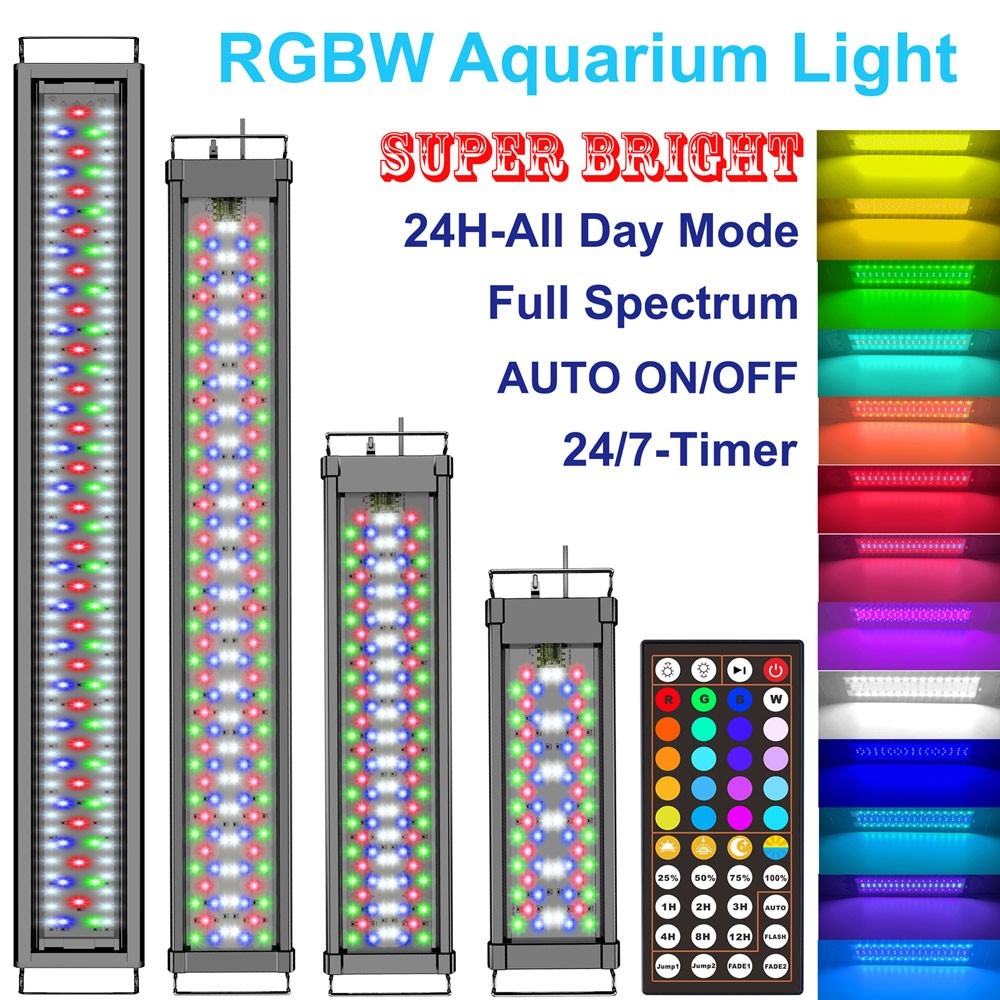
LED lights are very popular in aquariums. They use less power and last a long time. Many LED lights let you change colors and brightness.
LEDs produce a clear, bright light that shows fish colors well. They also create less heat, which is safer for fish.
- Energy efficient
- Customizable colors
- Low heat output
- Long lifespan
Fluorescent Lights
Fluorescent lights have been used in tanks for many years. They give off a soft, even light that helps plants grow. Fish colors look natural under these lights.
These lights are less expensive but use more electricity than LEDs. They need to be replaced more often to keep good light quality.
- Soft, natural light
- Good for plant growth
- Lower initial cost
- Shorter lifespan than LEDs
Natural Sunlight
Natural sunlight shows fish colors in the best way. It has a full spectrum of light that helps fish and plants stay healthy. Sunlight changes during the day, which is natural for fish.
Direct sunlight can cause algae to grow too fast. It also can heat the tank too much. Use sunlight carefully to avoid problems.
- Full spectrum light
- Supports natural fish behavior
- Can cause algae growth
- May overheat the tank
Credit: www.ebay.com.au
Optimizing Light For Vibrant Colors
Light plays a key role in showing off the bright colors of color morph fish. Using the right light helps these fish look their best.
Understanding how to choose the right light and set its strength and time can keep your fish healthy and colorful.
Choosing The Right Spectrum
Different light colors affect fish colors in different ways. Blue and white lights work well to make colors pop. Avoid light that is too yellow or green because it can dull the fish’s colors.
- Use full spectrum lights for natural appearance
- Blue light highlights blue and purple shades
- White light balances colors evenly
- Red light can enhance reds but should be used carefully
Light Intensity And Duration
Strong light is needed to bring out colors but too much can stress fish. Setting the right amount of light helps fish stay bright and healthy.
| Light Intensity | Duration (Hours) | Effect |
| Low | 8-10 | Colors may fade |
| Medium | 10-12 | Good color display |
| High | 12-14 | Bright colors but risk stress |
Balancing Light With Tank Environment
Light works best when it fits the tank setup. Plants, decorations, and water clarity all change how light shines on fish.
Tips for balancing light with your tank:
- Keep plants trimmed to avoid too much shade
- Use clean water to keep light clear
- Place decorations to reflect light softly
- Adjust light position for even coverage
Common Mistakes And How To Avoid Them
Color morph fish need the right light spectrum to show their best colors. Many people make mistakes with lighting. These errors can harm fish health and hide their colors.
Learning the common mistakes helps you give your fish the best environment. It also keeps them happy and colorful.
Overexposure To Light
Too much light can stress your color morph fish. It causes fading of colors and can harm their health. Fish need a balance between light and dark periods.
Keep lights on for about 8 to 10 hours a day. Avoid very bright lights that shine directly on the fish all day.
- Use timers to control light duration
- Choose dimmable or adjustable lights
- Provide shaded areas in the tank
Inadequate Spectrum Coverage
Not all light helps fish show their true colors. Using the wrong light spectrum hides their bright hues. Fish need a full spectrum that includes blue and red light.
Use lights designed for aquarium fish. These lights improve color and support fish health.
- Check if the light covers 400-700 nm spectrum
- Include both blue and red wavelengths
- Avoid only white or yellow lights
Ignoring Fish Behavior
Fish behavior shows if the light is right for them. If fish hide a lot or stay still, the light might be too strong or wrong in spectrum.
Watch your fish to see when they are most active. Adjust lighting based on their comfort and natural habits.
- Observe fish during day and night
- Reduce light if fish seem stressed
- Provide places to hide and rest
Credit: www.signliteled.com
Enhancing Colors With Supplements And Diet
Color morph fish show their best colors when they get the right nutrients. Feeding them a good diet helps their colors shine bright.
Supplements add extra vitamins and minerals. These help fish keep strong colors and stay healthy.
Role Of Nutrition
Nutrition gives fish the building blocks for their colors. Carotenoids and vitamins are key to bright scales.
- Carotenoids enhance red, orange, and yellow tones.
- Vitamin A supports skin and scale health.
- Omega-3 fatty acids improve color depth and shine.
- Protein supports overall growth and color development.
Synergy Between Light And Diet
Light affects how fish show their colors. A good diet works with light to make colors more vivid.
| Factor | Effect on Color Morph Fish | How Diet Helps |
| Light Spectrum | Activates pigments and color display | Carotenoids support pigment formation |
| Intensity | Boosts color brightness | Vitamins keep skin healthy under strong light |
| Duration | Maintains color consistency | Fatty acids protect cells during light cycles |
Monitoring And Adjusting Light Settings
Light settings are crucial for color morph fish. Proper lighting helps them thrive and show vibrant colors.
Adjusting light can enhance their environment. It can also impact their mood and behavior.
Using Timers And Sensors
Timers and sensors automate light adjustments. They ensure consistent light cycles for your fish.
- Set timers for sunrise and sunset effects
- Use sensors to adjust light based on room light
- Ensure lights are on for about 10-12 hours daily
Observing Color Changes
Watch for color changes in your fish. These changes can indicate health or stress levels.
Monitor color intensity over time. If colors fade, it may be time to adjust lighting or check water quality.
| Light Setting | Effect on Fish |
| Bright | Enhances vivid colors |
| Dim | Calms and reduces stress |
| Fluctuating | Can stress fish |
Credit: www.cichlid-forum.com
Frequently Asked Questions
What Light Spectrum Enhances Color Morph Fish Colors?
Full-spectrum LED lights with blue and red wavelengths best enhance Color Morph fish colors. These lights mimic natural sunlight, promoting vibrant and vivid coloration in the fish.
How Does Light Affect Color Morph Fish Behavior?
Proper lighting regulates Color Morph fish activity and feeding patterns. Bright, consistent light encourages healthy behavior and reduces stress, supporting overall well-being.
Can Incorrect Lighting Harm Color Morph Fish?
Yes, improper lighting can cause stress and fading colors in Color Morph fish. Avoid overly intense or dim lighting to maintain their health and vibrant appearance.
What Is The Ideal Lighting Duration For Color Morph Fish?
Color Morph fish thrive with 8 to 10 hours of daily light. This schedule mimics natural day cycles, supporting their biological rhythms and coloration.
Conclusion
Choosing the right light spectrum helps color morph fish show their best colors. Blue and white lights often bring out bright hues. Avoid harsh or too dim lighting to keep fish healthy and happy. Good lighting supports fish behavior and growth too.
Remember, simple care with proper light makes a big difference. Try different light setups to find what suits your fish best. Keep learning and enjoy the beauty of your colorful fish tank.