
Are you looking to make your aquascape truly stand out? The secret lies in the right lighting.
LED lighting can transform your underwater world, making colors pop and bringing every detail to life. Imagine vibrant greens, striking reds, and shimmering blues glowing with a natural brilliance that captivates anyone who sees it. You’ll discover how to use LED lighting to enhance your aquascape’s colors, creating a breathtaking display that keeps you and your guests mesmerized.
Ready to unlock the full potential of your aquatic masterpiece? Keep reading to find out how.
Benefits Of Led Lighting
LED lighting is a popular choice for aquascapes. It helps bring out bright, vivid colors in plants and fish. This lighting is also practical and cost-effective for long-term use.
Many aquascape enthusiasts prefer LED lights because they offer several key advantages. These advantages improve both the look and health of underwater environments.
Energy Efficiency
LED lights use less electricity than traditional lighting. This saves energy and lowers power bills. They give off less heat, which helps keep the water cool and safe for aquatic life.
- Consumes up to 80% less power
- Reduces heat output
- Works well with timers and sensors
Long Lifespan
LED lights last much longer than other bulbs. This means fewer replacements and less waste. Their durability makes them ideal for aquascapes that run lighting for many hours daily.
| Lighting Type | Average Lifespan |
| Incandescent Bulb | 1,000 hours |
| Fluorescent Tube | 10,000 hours |
| LED Light | 50,000 hours |
Customizable Spectrum
LED lighting can be adjusted to different colors and intensities. This helps highlight specific plants and fish. You can set the light spectrum to improve growth and color vibrancy.
Common LED spectrum settings include:
- Blue light for deeper water and coral growth
- Red light to boost plant photosynthesis
- Full spectrum for natural daylight effect
Choosing The Right Led Colors
LED lighting can improve the look of your aquascape. Picking the right colors helps plants and fish look their best.
Different colors affect the water, plants, and fish in unique ways. Understanding these effects helps you create a lively underwater scene.
Red And Blue Spectrum Effects
Red and blue LED lights are common in aquascaping. They influence how colors and shapes appear in the tank.
- Red light adds warmth and depth to the scene.
- Blue light brings a cool tone and enhances water clarity.
- Combining both creates balance and natural appearance.
- Too much red or blue may cause colors to look unnatural.
Enhancing Plant Growth
Plants need specific light colors to grow well. Red and blue lights are important for photosynthesis.
| Light Color | Effect on Plants | Best Use |
| Red | Stimulates flowering and leaf growth | Use during growth phases |
| Blue | Supports strong stems and healthy leaves | Use for young plants and leaf development |
| Full Spectrum | Combines red, blue, and other colors | Best for overall plant health |
Highlighting Fish Colors
LED colors can make fish colors look brighter. Different species respond to different light colors.
- Warm white light shows natural fish colors well.
- Blue light enhances blues and greens on fish.
- Red light makes reds and oranges stand out.
- Use adjustable LED lights to find the best color mix.
Optimizing Light Intensity
Proper light intensity helps plants and fish in your aquascape look their best. It makes colors bright without hurting the environment inside the tank.
Using LED lights, you can control how strong the light is. This control helps keep the tank healthy and beautiful.
Balancing Brightness And Shadow
Too much light can wash out colors, while too little makes plants look dull. Balance light so the tank has bright areas and soft shadows.
Shadows add depth and make colors stand out more. Adjust LED angles and brightness to create this effect.
- Place LEDs at different positions for even light spread
- Use dimmers to reduce harsh brightness
- Check plants and fish for signs of stress
Avoiding Algae Growth
Too much light causes algae to grow fast. Algae cover plants and block their colors.
Keep light levels moderate and set timers to limit daily light. This slows algae and keeps the tank clean.
- Use LED lights with adjustable intensity
- Limit lighting to 6-8 hours per day
- Keep water clean and change it regularly
Adjusting For Tank Size
Large tanks need more light than small tanks. Adjust LED power and placement based on tank size.
Use stronger lights or more LED units for bigger tanks. For small tanks, lower intensity works well.
| Tank Size | Recommended LED Intensity | Notes |
|---|---|---|
| Small (under 10 gallons) | Low to medium | Use fewer LEDs, avoid high brightness |
| Medium (10-30 gallons) | Medium | Balance brightness, use adjustable LEDs |
| Large (over 30 gallons) | Medium to high | Use multiple LEDs for full coverage |

Credit: greenaqua.hu
Led Placement Techniques
LED lights can change how your aquascape looks. Good placement makes colors pop and plants shine.
Choosing where to put your LEDs helps show off shapes and colors in the aquarium.
Top Lighting Vs. Side Lighting
Top lighting shines down from above. It lights up the whole tank evenly.
Side lighting comes from the sides. It adds shadows and highlights details.
- Top lighting helps plants grow well
- Side lighting brings out textures and colors
- Mixing both gives a natural look
Creating Depth And Contrast
Place lights to make some areas bright and others dark. This adds depth to your aquascape.
Contrast helps colors stand out. Bright colors look better against darker backgrounds.
- Use stronger lights on main plants
- Keep background dim to add depth
- Shadows create 3D effects
Using Multiple Light Sources
Multiple LEDs let you light the tank from different angles. This shows off all parts of the aquascape.
Use different colors or brightness levels to highlight certain plants or features.
- Place some lights on top, others on sides
- Use cool and warm LEDs for color balance
- Adjust brightness for natural look
Popular Led Brands For Aquascaping
LED lighting is important for aquascapes. It helps plants grow and shows bright colors.
Choosing the right LED brand can improve your aquascape’s look and health.
High-quality Options
High-quality LED brands offer strong light and long lifespan. They help plants grow well.
These brands use good materials and give bright, natural colors for fish and plants.
- Fluval
- Current USA
- Chihiros
- NICREW
Budget-friendly Alternatives
Budget LED brands offer good light without high cost. They work well for small tanks.
These brands are easy to find and can help beginners start aquascaping affordably.
- Beamswork
- VIVOSUN
- NICREW (entry models)
- Finnex (basic series)
Smart Lighting Features
Some LED brands offer smart features. These include timers and color controls.
Smart LEDs help mimic natural light cycles and create great color effects easily.
- Chihiros WiFi series
- Fluval Smart LED
- Current USA Orbit Marine
- AI Prime Freshwater

Credit: aquascapeshop.com
Maintenance Tips For Led Systems
LED lighting is crucial for a vibrant aquascape. Regular maintenance ensures optimal color and longevity.
Learn essential tips for cleaning, monitoring, and replacing LED components to keep your aquascape thriving.
Cleaning And Upkeep
Clean your LED lights regularly to remove dust and algae. This keeps the light clear and bright.
- Use a soft cloth for dusting the lights.
- Gently scrub algae with a non-abrasive pad.
- Ensure all fixtures are dry before reattaching.
Monitoring Light Performance
Regular checks on light performance help maintain the right conditions for your aquascape.
| Aspect | Check Frequency |
| Brightness | Weekly |
| Color Temperature | Monthly |
| Fixture Condition | Quarterly |
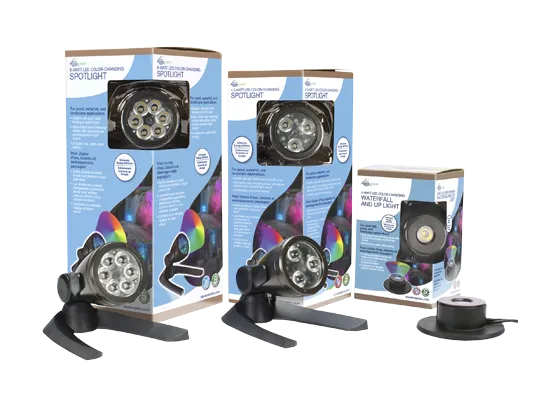
Replacing Components
Replace worn-out components to ensure efficient lighting. This helps maintain a healthy aquascape environment.
Credit: www.aquascapeinc.com
Frequently Asked Questions
What Are The Benefits Of Led Lighting For Aquascapes?
LED lighting enhances plant growth, improves fish colors, and saves energy. It offers customizable light spectrums suited for different aquascape needs. LEDs also have a longer lifespan than traditional bulbs, making them cost-effective and eco-friendly.
How Does Led Lighting Improve Aquascape Color Vibrancy?
LEDs emit specific light wavelengths that boost plant pigments and fish colors. This targeted lighting enhances reds, greens, and blues, making the aquascape visually striking. Proper LED use brings out natural beauty without harming aquatic life.
Can Led Lights Support Aquatic Plant Growth Effectively?
Yes, LED lights provide the right spectrum for photosynthesis. They promote healthy, lush plant growth and reduce algae issues. Adjustable intensity allows precise control, catering to various aquatic plants’ needs, ensuring a thriving aquascape environment.
What Is The Ideal Led Spectrum For Aquascaping?
A balanced spectrum with blue and red wavelengths is best. Blue supports plant growth, while red enhances color vibrancy. Combining these with full-spectrum white LEDs mimics natural sunlight, optimizing both plant health and visual appeal.
Conclusion
LED lighting brings out the true colors in your aquascape. It helps plants grow and makes fish look bright. You can choose different colors and brightness levels. This lets you create a beautiful underwater scene. Proper lighting keeps your aquascape healthy and lively.
Small changes make a big difference in appearance. Try LED lights to see your aquarium shine. Enjoy a vibrant, colorful aquatic world every day.