
When you’re moving goods from one place to another, keeping the right temperature isn’t just important—it’s crucial. Imagine your products arriving spoiled, damaged, or unsafe because the temperature wasn’t controlled properly during transport.
That’s a risk no one wants to take. You’ll discover simple yet powerful ways to ensure your shipments stay fresh, safe, and intact. Whether you’re handling food, medicine, or sensitive materials, mastering temperature control during transport can save you money, protect your reputation, and keep your customers happy.
Ready to learn how? Let’s dive in.

Credit: www.zepto.net
Importance Of Temperature Control
Temperature control during transport keeps products safe and fresh. It stops damage caused by heat or cold.
Many goods need a set temperature range to stay good. Controlling temperature helps avoid waste and loss.
Impact On Product Quality
Temperature changes can harm the quality of products. For example, food can spoil or medicines can lose strength.
Keeping the right temperature keeps products fresh and safe for use or eating.
- Prevents spoilage in food and drinks
- Maintains effectiveness of medicines and vaccines
- Protects the texture and flavor of perishable goods
- Stops chemical changes that reduce product value
Regulatory Requirements
Many countries have rules about temperature control during transport. These rules protect consumers and ensure safety.
Companies must follow these laws to avoid fines and product recalls. Proper temperature records are often required.
- Set temperature ranges for different products
- Regular monitoring and logging of temperatures
- Use of certified equipment for transport
- Training for staff on temperature handling
Common Temperature-sensitive Goods
Many goods need the right temperature during transport. This keeps them safe and effective.
Temperature control stops damage and loss. Some goods spoil or break if not kept cool or warm.
Pharmaceuticals And Vaccines
Medicines and vaccines need strict temperature control. They lose strength if too hot or cold.
- Vaccines usually require 2°C to 8°C.
- Some drugs need freezing temperatures.
- Transport containers often have temperature monitors.
Perishable Food Items
Food like fruits, vegetables, dairy, and meat spoil fast without cold transport.
| Food Type | Recommended Temperature |
| Fresh Meat | 0°C to 4°C |
| Dairy Products | 1°C to 5°C |
| Fruits & Vegetables | 4°C to 8°C |
| Frozen Foods | -18°C or lower |
Chemicals And Electronics
Chemicals and electronics can fail if exposed to wrong temperatures.
Chemicals may react or degrade when too warm or cold.
Electronics can suffer from condensation or overheating.
Use insulated packaging and temperature sensors during transport.
Choosing The Right Packaging
Keeping the right temperature during transport is key for many products. Choosing good packaging helps keep things fresh and safe.
Different packaging types work best for different needs. This guide looks at three common options.
Insulated Containers
Insulated containers keep temperature steady by blocking outside heat or cold. They are often made with foam or thick walls.
These containers work well for long trips. They protect goods from temperature changes and physical damage.
Gel Packs And Dry Ice
Gel packs and dry ice are cooling agents used inside packages. They help keep items cold without electricity.
- Gel packs are reusable and safe for many products.
- Dry ice is very cold and good for frozen items.
- Use dry ice with care due to its strong cold and gas release.
- Both must be packed to avoid direct contact with products.
Vacuum-sealed Packaging
Vacuum sealing removes air from the package. This slows spoilage and helps keep temperature stable.
| Benefit | Details |
| Reduced Air Exposure | Less oxygen lowers risk of spoilage |
| Compact Packaging | Smaller size saves space |
| Extended Freshness | Food lasts longer without preservatives |
Temperature Monitoring Technologies
Keeping the right temperature during transport is very important. It helps protect goods like food and medicine.
Temperature monitoring technologies help track and control the temperature. They keep the products safe and fresh.
Data Loggers
Data loggers are small devices that record temperature over time. They store data inside and can be checked later.
These devices are easy to use and do not need constant power. They are good for long trips without internet.
- Record temperature at set intervals
- Store data for later review
- Some models show temperature inside the device
- Help verify if temperature stayed safe during transport
Real-time Tracking Systems
Real-time tracking systems send temperature data instantly. They use wireless technology like GPS or cellular networks.
These systems let users watch temperature on a screen. They show where the shipment is and if the temperature is right.
- Provide live temperature updates
- Track shipment location at the same time
- Help catch problems quickly
- Use GPS, Wi-Fi, or cellular signals
Alerts And Notifications
Alerts notify users if the temperature goes out of range. They help prevent damage by allowing quick action.
Notifications can come by email, text, or app messages. This keeps everyone informed during the transport process.
- Send immediate alerts for temperature issues
- Allow fast response to fix problems
- Improve safety of sensitive goods
- Support various communication methods
Best Practices For Transport
Keeping the right temperature during transport is very important. It helps protect goods and keeps them fresh.
Following good practices ensures products arrive safely and meet quality standards.
Route Planning And Timing
Plan routes to avoid delays and long stops. Shorter trips help keep products at the right temperature.
Choose the best time of day to avoid heavy traffic and extreme weather changes.
- Use the fastest and safest routes
- Schedule transport during cooler parts of the day
- Avoid areas with known traffic or road work
- Plan for rest stops with temperature control
Vehicle Temperature Control
Check vehicle cooling or heating systems before each trip. Proper equipment keeps the right temperature inside.
Use temperature monitors to track conditions during transport. This helps spot problems early.
- Inspect refrigeration units regularly
- Set temperature controls based on product needs
- Use data loggers for real-time temperature tracking
- Seal doors well to avoid air leaks
Handling And Loading Procedures
Load products carefully to keep air flow steady. Avoid blocking vents or cooling areas.
Handle goods gently to prevent damage and temperature changes. Use proper equipment and trained staff.
- Pre-cool vehicles before loading
- Load items quickly to reduce temperature changes
- Keep cold and frozen goods separate
- Use insulated containers for sensitive items
- Train staff on temperature control rules
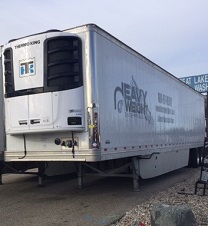
Credit: thermokingmichigan.com
Dealing With Temperature Excursions
Temperature excursions can affect the quality of transported goods. It is vital to handle these situations properly.
Understanding how to identify, correct, and report excursions helps maintain product integrity.
Identifying Excursions
To identify temperature excursions, monitor the data from your transport equipment.
- Check temperature logs regularly
- Use sensors for real-time alerts
- Inspect goods upon arrival
Corrective Actions
When a temperature excursion is detected, take immediate action to protect your goods.
| Action | Description |
| Adjust temperature | Modify settings to reach optimal range |
| Move goods | Relocate to a controlled environment |
| Contact support | Get expert help for severe cases |
Documentation And Reporting
Documenting and reporting excursions is essential for accountability and improvement.
- Note the date and time of excursion
- Describe the corrective actions taken
- Submit a report to the relevant department
Training And Compliance
Temperature control during transport is key for safety and quality. Training and compliance help ensure this. Staff must be well-informed and adhere to strict guidelines.
This ensures goods remain safe and effective. Regular audits and preparation are also vital. They guarantee that standards are met consistently.
Staff Education
Proper training helps staff understand temperature control. It covers the basics of monitoring and adjusting conditions. This knowledge is crucial for maintaining product quality.
- Understanding temperature requirements for different goods
- Learning how to use temperature monitoring tools
- Recognizing signs of temperature abuse
Adhering To Standards
Compliance with standards is mandatory. It ensures safety and legal adherence. Staff must follow protocols to keep products safe during transport.
- ISO 9001 for quality management
- HACCP for food safety
- Good Distribution Practices (GDP)
Audit Preparation
Regular audits check compliance with regulations. Preparing for audits helps maintain high standards. It involves documentation and review of processes.
| Audit Task | Frequency |
| Review temperature logs | Monthly |
| Inspect equipment | Quarterly |
| Update training records | Bi-Annually |

Credit: lot.dhl.com
Frequently Asked Questions
What Is Temperature Control During Transport?
Temperature control during transport ensures goods stay within required temperature ranges. It protects product quality and safety, especially for perishables and pharmaceuticals. Proper equipment and monitoring help maintain consistent conditions throughout the journey.
Why Is Temperature Control Important In Shipping?
Temperature control prevents spoilage, contamination, and loss of product efficacy. It safeguards sensitive items like food, medicines, and chemicals. Maintaining correct temperatures reduces waste, enhances customer satisfaction, and complies with regulatory standards.
How Is Temperature Monitored During Transport?
Temperature is monitored using data loggers, sensors, and remote tracking devices. These tools provide real-time data and alerts if temperatures deviate. Consistent monitoring helps take immediate corrective actions to protect the cargo.
What Equipment Is Used For Temperature-controlled Transport?
Refrigerated trucks, insulated containers, and temperature-controlled pallets are common equipment. Advanced systems include active cooling or heating units. Choosing the right equipment depends on the product’s specific temperature requirements.
Conclusion
Controlling temperature during transport protects product quality and safety. It helps prevent spoilage and keeps items fresh. Proper temperature means happier customers and fewer losses. Choose reliable equipment and monitor conditions often. Train staff to handle goods with care. Small steps make a big difference in transport success.
Stay consistent and watch your deliveries improve. Quality control starts before products reach their destination. Temperature matters every mile of the journey.