
Are you looking for a smart way to keep your fish healthy and thriving? LED lighting for fish health monitoring might be the key you’ve been missing.
This simple yet powerful tool helps you see changes in your fish’s behavior and environment before problems start. Imagine catching signs of stress or illness early, so you can act fast and keep your aquatic friends happy. You’ll discover how LED lighting can transform the way you care for your fish, making your aquarium not just beautiful, but a safer place for your underwater pets.
Keep reading to learn how to make your fish tank a healthier home.
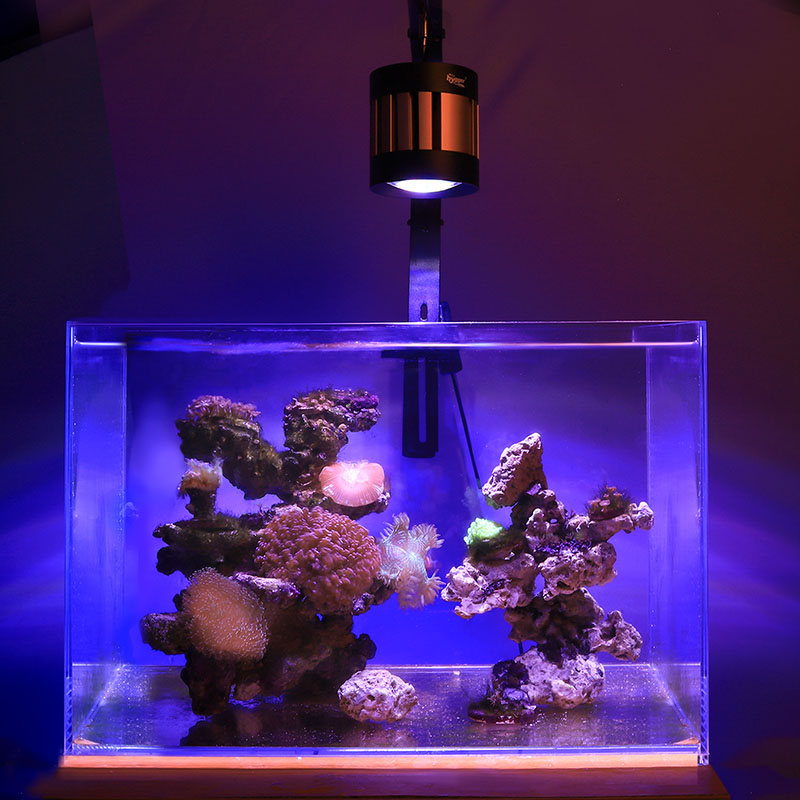
Credit: www.hygger-online.com
Benefits Of Led Lighting In Aquariums
LED lighting helps fish health monitoring in aquariums. It offers many benefits that support fish and plants.
Using LED lights can improve the aquarium environment while saving energy and reducing heat problems.
Energy Efficiency And Longevity
LED lights use less electricity than traditional bulbs. This saves money on energy bills.
They also last much longer. You do not need to replace them often, which reduces waste.
- Lower power consumption
- Long lifespan, often over 25,000 hours
- Less frequent bulb replacement
Customizable Light Spectrums
LED lights can change colors and brightness. This helps match the natural light fish need.
Different fish and plants grow better with specific light spectrums. You can adjust LED lights to meet these needs.
- Adjustable colors and intensity
- Supports fish health and plant growth
- Simulates natural daylight cycles
Reduced Heat Emission
LED lights produce less heat than other bulbs. This keeps the water temperature stable.
Stable water temperature is important for fish health. It lowers the risk of stress and disease.
- Less heat helps keep aquarium cool
- Prevents sudden temperature changes
- Reduces need for extra cooling devices
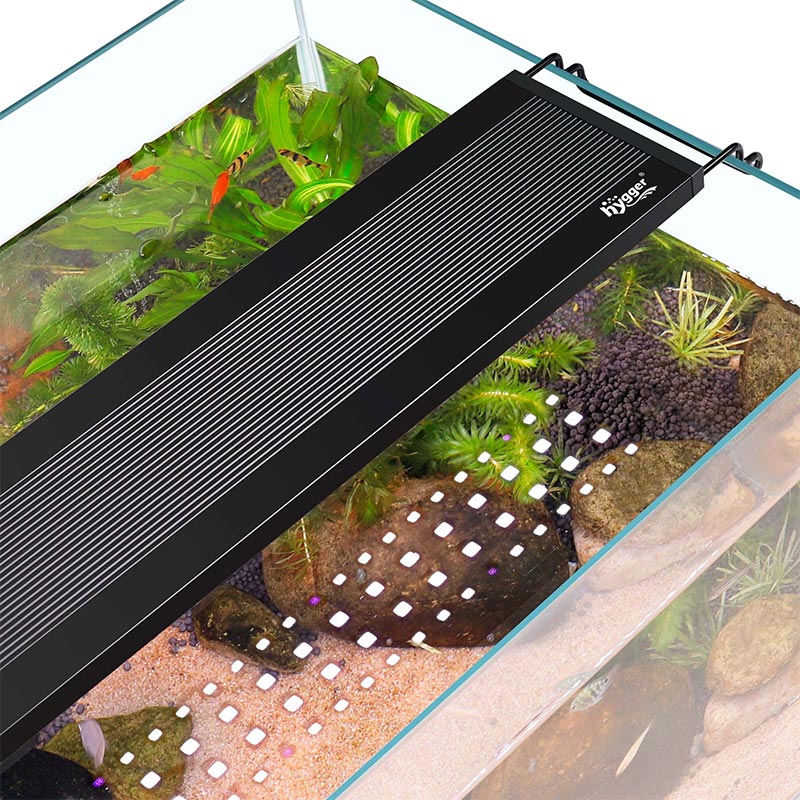
Credit: www.hygger-online.com
Impact Of Light On Fish Behavior
Light plays a key role in how fish behave and stay healthy. It affects their daily activities and overall well-being.
Using LED lighting helps monitor fish health by controlling light conditions. This can improve fish behavior in different ways.
Regulating Circadian Rhythms
Fish have natural body clocks called circadian rhythms. These rhythms help fish know when to eat, rest, and swim.
Proper light cycles with LED lighting keep these rhythms steady. This supports healthy fish behavior and growth.
Enhancing Natural Colors
Light affects how fish show their colors. Bright and balanced LED light helps fish display their natural colors well.
- Improves fish appearance for better health checks
- Makes it easier to spot diseases or stress
- Supports breeding by showing vibrant colors
Stress Reduction
Too much or poor light can stress fish. Stress lowers their immune system and causes poor behavior.
| Light Condition | Effect on Fish |
| Too Bright | Increases stress and hiding |
| Too Dim | Reduces activity and feeding |
| Balanced LED | Calms fish and improves health |
Led Lighting And Fish Health
LED lighting is important for fish health in aquariums and farms. It helps create a good environment for fish to live and grow.
Using the right light can improve fish well-being and support their natural behavior. It also helps monitor their health over time.
Boosting Immune Responses
LED lighting can strengthen fish immune systems. Proper light helps fish fight off infections and stay healthy.
Light affects how fish produce important proteins that protect them from germs and stress.
- Increases immune cell activity
- Reduces stress by simulating natural light
- Helps maintain healthy skin and scales
Supporting Growth And Development
LED light encourages fish to grow well and develop normally. It helps control their body functions and metabolism.
Good lighting cycles mimic day and night, which supports feeding and activity times for fish.
- Improves feeding behavior
- Regulates hormone production
- Supports healthy bone and muscle growth
Preventing Diseases
Using LED lighting helps reduce disease risks in fish populations. It creates a balanced environment that limits harmful microbes.
Stable light conditions lower stress and stop illness caused by poor water quality or sudden changes.
- Controls algae growth that can harm fish
- Reduces stress-related diseases
- Supports water quality by encouraging healthy bacteria
Monitoring Fish Wellness With Led Systems
LED lighting helps keep fish healthy in aquariums. It works with sensors and cameras to watch fish behavior.
These systems give aquarium owners real-time data. This data supports better care for fish health and wellbeing.
Integrating Sensors And Cameras
Sensors and cameras connect with LED lights to track fish activity. They detect changes in movement and color.
- Water temperature sensors ensure safe conditions
- Cameras record fish behavior and alert on stress signs
- LED lights adjust to improve visibility for monitoring
Real-time Health Tracking
LED systems provide instant feedback on fish health. Owners see changes and can act quickly to prevent illness.
| Feature | Benefit |
| Continuous light cycles | Supports natural fish rhythms |
| Motion sensors | Detect unusual swimming patterns |
| Color sensors | Identify color fading or spots |
Data-driven Aquarium Management
Data from LED systems helps adjust aquarium settings. This keeps water quality and lighting ideal for fish health.
Key data points used in management:
- Water pH levels
- Light intensity and duration
- Fish activity logs
- Temperature trends
Choosing The Right Led Setup
LED lighting plays a key role in fish health monitoring. The right setup helps keep fish active and stress-free.
Choosing the right LED lights depends on your aquarium’s size, fish species, and lighting needs.
Assessing Aquarium Size And Species
Start by measuring your aquarium’s size. Large tanks need brighter lights to reach all areas.
Consider the types of fish you keep. Some species prefer dim light, while others need bright light.
- Small tanks (up to 20 gallons) usually require low to medium light.
- Medium tanks (20 to 50 gallons) need medium light with wider coverage.
- Large tanks (over 50 gallons) benefit from high-intensity LED setups.
- Shy or nocturnal fish thrive under softer, dimmer light.
- Active or colorful fish need brighter light for better health.
Selecting Light Intensity And Spectrum
Light intensity affects how well fish show their colors and stay healthy. Choose LEDs with adjustable brightness.
| Light Feature | Benefit |
| Low Intensity (1000-2000 lumens) | Good for small tanks and low-light species |
| Medium Intensity (2000-4000 lumens) | Supports most freshwater fish and plants |
| High Intensity (4000+ lumens) | Needed for large tanks and bright species |
| Full Spectrum (4000K-7000K) | Mimics natural daylight for fish health |
| Blue Spectrum (450-495 nm) | Enhances fish colors and supports coral |
Installation And Maintenance Tips
Proper installation helps your LED setup last longer and work well for fish health.
- Place lights above the tank, avoiding direct contact with water.
- Use timers to mimic natural day-night cycles.
- Clean LED covers weekly to prevent dust and algae buildup.
- Check wiring and connections monthly for safety.
- Replace bulbs or units as recommended by the manufacturer.
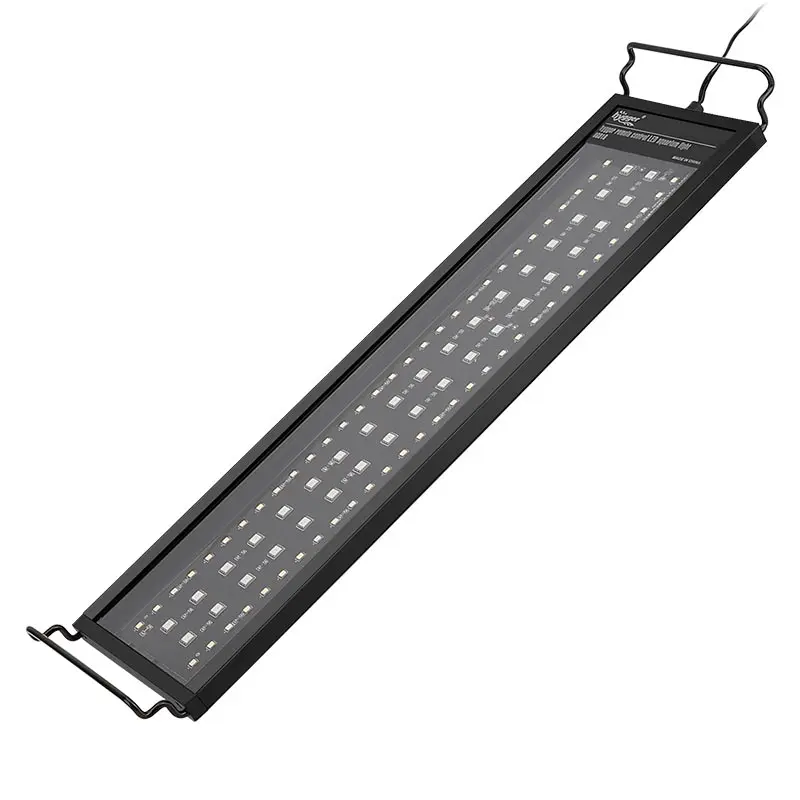
Credit: www.hygger-online.com
Future Trends In Led Aquatic Monitoring
LED lighting is changing how we monitor fish health. It offers new ways to see and understand aquatic life.
These changes help keep fish healthy and aquariums sustainable. Let’s explore the future trends in this field.
Smart Lighting Technologies
Smart lighting uses sensors to adjust the light in aquariums. This technology mimics natural light cycles for fish.
- Monitors water temperature
- Adjusts light based on fish activity
- Reduces energy use by dimming lights
Ai And Machine Learning Integration
AI helps track fish behavior and health. Machine learning can predict fish needs before they arise.
Custom algorithms analyze fish movements and water conditions. This aids in early disease detection.
Sustainable Aquarium Practices
Sustainable practices are key to future aquariums. LED lights reduce energy use and improve fish well-being.
| Practice | Benefit |
| LED Lighting | Energy Efficient |
| Natural Cycles | Healthy Fish |
| Smart Sensors | Better Monitoring |
Frequently Asked Questions
How Does Led Lighting Improve Fish Health Monitoring?
LED lighting provides consistent, adjustable light that highlights fish behavior and color changes. This helps detect illnesses early and monitor overall health efficiently.
What Are The Benefits Of Led Lighting In Aquariums?
LED lights save energy, produce less heat, and offer customizable lighting. They enhance fish visibility and support natural behaviors, improving health monitoring accuracy.
Can Led Lighting Simulate Natural Fish Environments?
Yes, LED lights can mimic natural daylight cycles. This promotes fish well-being and reduces stress, making health assessments more reliable and accurate.
How Does Led Lighting Affect Fish Stress Levels?
LED lighting with adjustable intensity reduces stress by avoiding sudden brightness changes. Calm fish exhibit clearer health signs, aiding better monitoring and care.
Conclusion
LED lighting helps monitor fish health clearly and safely. It shows changes in fish color and behavior quickly. This makes spotting problems easier before they get worse. LED lights use less energy and last longer than other lights. They create a calm environment that helps fish stay healthy.
Using LED lighting can improve your fish care routine. Simple, smart lighting supports better fish health every day. Try LED lighting for clearer, faster fish health checks.