
Are you struggling to create the perfect environment for breeding success? Lighting plays a bigger role than you might think.
The right light can boost fertility, improve health, and increase the chances of healthy offspring. You’ll discover simple, effective lighting tips that can make a real difference. Keep reading to learn how to use lighting to unlock your breeding potential and achieve the results you want.
Role Of Lighting In Breeding
Lighting plays a key role in successful animal breeding. It affects how animals behave and reproduce.
Proper light conditions help animals stay healthy and improve their chances of breeding well.
Impact On Animal Behavior
Animals react to light changes in their environment. Light can make them more active or calm.
Bright light during the day helps animals stay alert. Dim light at night helps them rest.
- Light signals when to eat and sleep
- It influences social interactions
- Animals use light to find mates
Influence On Reproductive Cycles
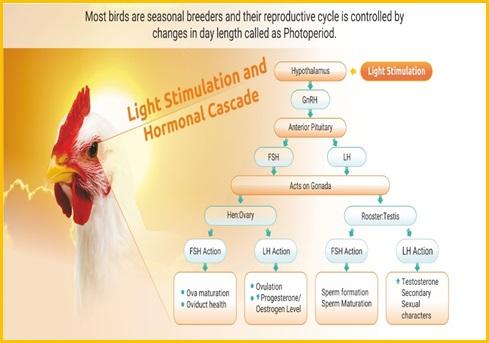
Light controls the hormones that start reproduction. Changing light length can trigger breeding seasons.
Longer daylight hours often increase reproductive activity. Shorter days may slow down breeding.
- Light affects hormone release in animals
- It helps set the timing for breeding
- Managing light can improve fertility rates
Credit: en.engormix.com
Choosing The Right Light Spectrum
Light plays a key role in breeding success for many plants and animals. The right light spectrum helps improve growth and fertility. Understanding different light spectrums guides you to better results.
This article explains common types of light spectrums and their effects. It helps you choose the best light for breeding purposes.
Types Of Light Spectrums
Light spectrums vary by color and wavelength. Each type affects organisms differently. Here are the main types used in breeding:
- Blue Light (400-500 nm):Supports vegetative growth and leaf development.
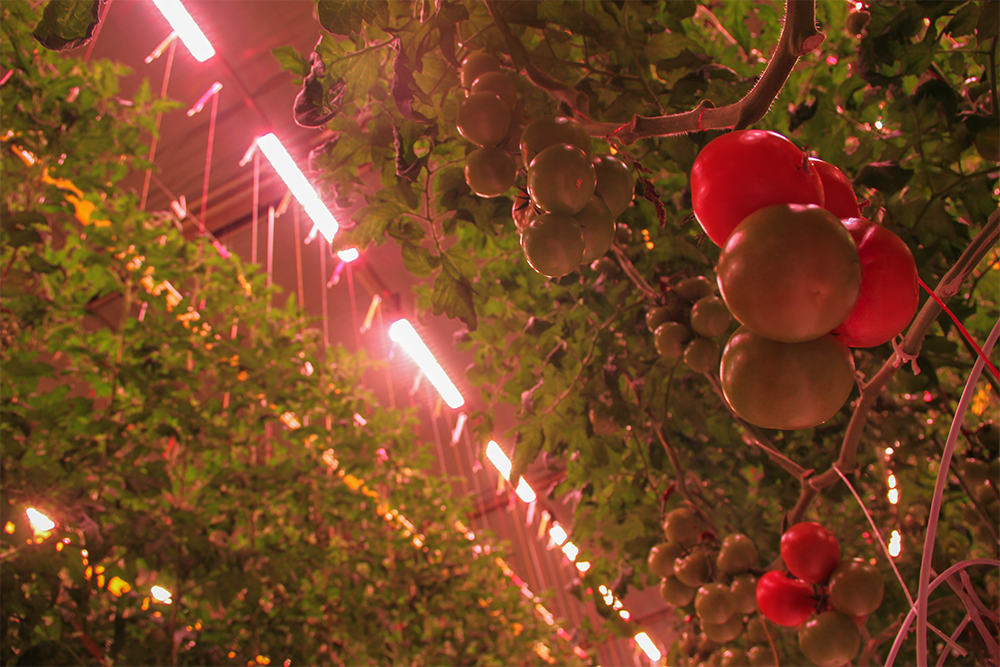
- Red Light (600-700 nm):Encourages flowering and fruit production.
- Far-Red Light (700-800 nm):Influences seed germination and flowering timing.
- Full Spectrum:Mimics natural sunlight with a balance of colors.
Effects On Fertility And Growth
Different spectrums affect fertility and growth in specific ways. Knowing these effects helps improve breeding success.
| Light Spectrum | Effect on Fertility | Effect on Growth |
| Blue Light | Supports healthy pollen development | Enhances strong stems and leaves |
| Red Light | Boosts flowering and seed production | Stimulates bud formation |
| Far-Red Light | Triggers flowering cycles | Promotes elongation of stems |
| Full Spectrum | Balances reproductive health | Supports overall plant vigor |
Optimal Light Intensity And Duration
Lighting plays a key role in breeding success. The right amount of light helps animals develop and reproduce well.
Both light intensity and the length of light exposure affect breeding cycles. It is important to manage these carefully.
Recommended Light Hours
Different species need different hours of light to breed successfully. Too little or too much light can cause stress.
- Most fish require 10 to 14 hours of light daily.
- Birds often need 12 to 16 hours of light.
- Reptiles may need 10 to 12 hours depending on species.
- Insects vary widely but usually need 12 hours of light.
Adjusting Intensity For Different Species
Light intensity affects how well animals respond to light duration. Different species need different light strengths.
| Species | Recommended Light Intensity (lux) | Notes |
| Freshwater Fish | 500-1000 | Moderate light to mimic natural habitats |
| Birds | 1000-2000 | Brighter light helps stimulate breeding |
| Reptiles | 200-800 | Lower intensity to avoid stress |
| Insects | Variable | Depends on species and lifecycle stage |
Lighting Setup And Placement
Proper lighting helps improve breeding success in plants and animals. It affects growth, health, and reproduction rates.
Setting up and placing lights correctly is key. It ensures even light distribution without causing harm.
Best Practices For Light Positioning
Place lights so they cover the entire breeding area evenly. Avoid dark spots or overly bright zones.
- Keep lights at a height that allows full coverage without shadows.
- Use adjustable mounts to change light angles as needed.
- Position lights away from water sources to prevent hazards.
- Use reflectors to increase light efficiency and spread.
- Choose the right light type for your breeding species.
Avoiding Stress And Overheating
Too much heat or bright light can stress animals or plants. This reduces breeding success.
| Risk Factor | Prevention Method |
| Overheating | Use fans or ventilation near lights |
| Stress from Brightness | Lower light intensity or use dimmers |
| Uneven Light Exposure | Adjust light placement regularly |
| Light Flicker | Use stable power sources and quality bulbs |
Seasonal Lighting Adjustments
Lighting plays a big role in breeding success. Changing light helps animals follow natural rhythms.
Seasonal lighting changes simulate the outdoors. This helps animals breed at the right times.
Mimicking Natural Light Cycles
Natural light changes with seasons. Days get longer in spring and shorter in fall.
Breeders use lights to copy these changes. This helps animals prepare for breeding seasons.
- Increase light hours in spring to trigger breeding
- Decrease light hours in fall to signal rest
- Keep light intensity steady for consistent signals
- Use timers to control light changes daily
Adapting To Environmental Changes
Weather and location can affect natural light. Indoor breeding needs adjusted lighting.
Adjust light based on local season changes. This keeps animals in sync with nature.
- Monitor outdoor light length and quality
- Change indoor lighting to match outside
- Use full-spectrum lights to mimic sunlight
- Adjust light timing for cloudy or short days
Common Lighting Mistakes To Avoid
Lighting is crucial for successful breeding in animals. Mistakes can lead to stress and poor health. Let’s explore some common errors and how to avoid them.
Overexposure Risks
Overexposing animals to light can disrupt their natural cycles. It may cause stress and reduce breeding success.
- Prolonged exposure to light can lead to sleep disturbances.
- Excessive light may cause hormonal imbalances.
- Animals may become more aggressive due to overexposure.
Inconsistent Lighting Schedules
Animals need a consistent lighting schedule to thrive. Inconsistencies can confuse their biological clocks.
Setting up a steady lighting schedule encourages better breeding conditions. Avoid frequent changes to the light duration.
| Lighting Schedule | Impact |
| Consistent | Stable hormone levels |
| Inconsistent | Stress and confusion |
Monitoring And Fine-tuning Lighting
Proper lighting is crucial for breeding success. It affects animal health and productivity. Monitoring lighting helps in achieving optimal conditions.
Fine-tuning lighting ensures the environment is neither too bright nor too dim. Adjustments can prevent stress and improve outcomes.
Signs Of Lighting Stress
Animals under stress show various signs. Recognizing these signs is important for timely action.
- Unusual behavior or restlessness
- Reduced feeding or drinking
- Changes in sleep patterns
- Visible discomfort or agitation
Using Technology For Precision Control
Technology aids in controlling light levels precisely. It helps in maintaining the right environment for breeding.
| Device | Function |
| Light Sensors | Detect light intensity |
| Smart Switches | Adjust light automatically |
| Timers | Control light duration |
Credit: heliospectra.com

Credit: msutoday.msu.edu
Frequently Asked Questions
What Type Of Lighting Promotes Breeding Success?
Full-spectrum, natural-like lighting best supports breeding. It mimics sunlight and enhances reproductive behavior in animals and plants. Proper light intensity and duration are crucial for optimal results.
How Many Hours Of Light Are Ideal For Breeding?
Generally, 12 to 16 hours of light daily promotes breeding. This range simulates natural daylight cycles and triggers reproductive hormones. Consistency in lighting schedule is key for successful breeding.
Can Lighting Affect Breeding Cycles In Animals?
Yes, lighting directly influences animal breeding cycles. It regulates hormones linked to reproduction. Adjusting light duration can stimulate or delay breeding, helping manage breeding timing effectively.
Why Is Light Intensity Important For Breeding?
Light intensity affects reproductive health and behavior. Too dim or too bright light can stress animals or plants. Optimal intensity ensures healthy development and higher breeding success rates.
Conclusion
Good lighting helps animals breed better and stay healthy. It sets the right mood and keeps their cycles on track. Choosing the right light type and duration matters a lot. Brightness and color also affect breeding success. Paying attention to lighting can improve results in breeding setups.
Small changes make a big difference over time. Keep lighting consistent to support natural behaviors. This simple step supports stronger, healthier animals. Give your breeding efforts the best chance to grow. Lighting is a key piece in the breeding puzzle.