
Are you ready to transform your space into a peaceful underwater paradise? An aquarium kit with live plants included is exactly what you need.
Imagine watching vibrant fish swim among lush, green plants that breathe life into your tank. This isn’t just about decoration—it’s about creating a healthy, balanced environment for your aquatic friends. You’ll discover why choosing a kit with live plants makes all the difference, how easy it is to set up, and tips to keep everything thriving.
Keep reading to find out how you can bring natural beauty and calmness right into your home or office.
Choosing The Right Aquarium Kit
Picking the right aquarium kit helps you enjoy fish keeping. It makes setup easier and keeps fish healthy.
Consider tank size, equipment, and plants before buying. These factors affect your aquarium’s success.
Tank Sizes And Shapes
Aquarium tanks come in many sizes and shapes. Choose one that fits your space and fish needs.
- Small tanks suit small spaces but need frequent cleaning.
- Medium tanks offer a balance of size and care.
- Large tanks give fish more room and stable water conditions.
- Rectangular tanks are common and fit well on shelves.
- Bow-front tanks add a wide view but take more space.
- Cylindrical tanks look unique but may limit fish types.
Essential Equipment Included
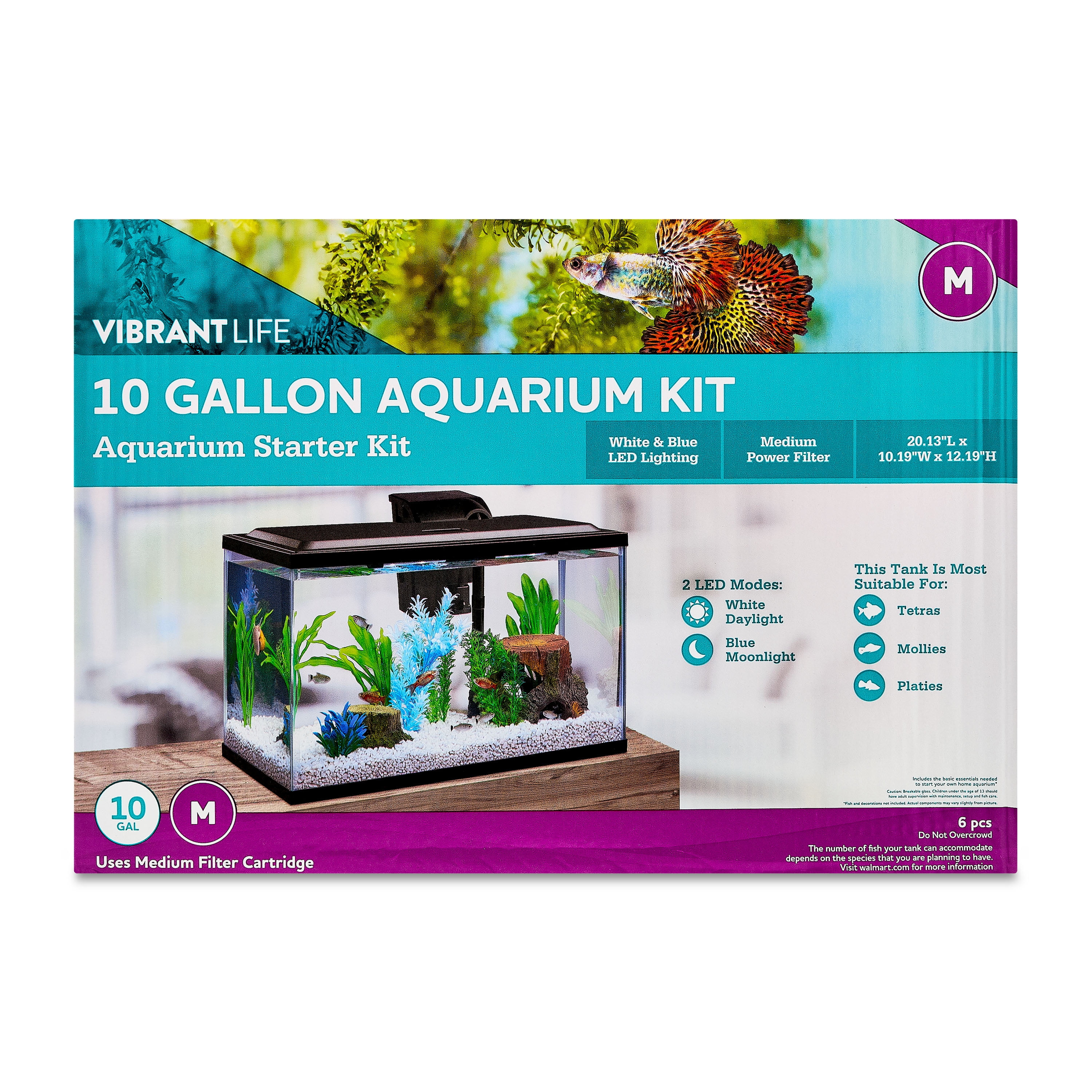
Good kits come with all needed equipment for easy setup. Check what is included before buying.
| Equipment | Purpose |
| Filter | Keeps water clean |
| Heater | Maintains water temperature |
| Light | Supports plant growth and fish health |
| Air pump | Adds oxygen to water |
| Thermometer | Monitors water temperature |
Benefits Of Kits With Live Plants
Live plants improve water quality and create a natural look. They help fish feel safe and reduce algae growth.
- Plants add oxygen to water
- They absorb harmful toxins
- Provide hiding spots for fish
- Enhance tank beauty naturally
- Reduce the need for chemicals

Credit: buceplant.com
Selecting Live Plants For Freshwater Tanks
Adding live plants to a freshwater aquarium creates a natural and healthy environment. Plants help clean the water and provide oxygen for fish.
Choosing the right plants depends on your tank size, light, and the care you can give. Pick plants that fit your tank and skill level.
Easy Plants For Beginners
Some plants grow well with little care. These are good for beginners and help make your tank look green and lively.
- Anubias: Slow growing and tough, it needs low light.
- Java Fern: Can grow in low light and sticks to rocks or wood.
- Amazon Sword: A bigger plant that grows well in many tanks.
- Java Moss: Great for covering surfaces and easy to grow.
- Cryptocoryne: Comes in many types and tolerates low light.
Plant Care Requirements
Live plants need light, nutrients, and proper water conditions to grow. Each plant type may have different needs.
Most freshwater plants need moderate light and a nutrient-rich substrate. Regular water changes help keep plants healthy.
- Light: Use aquarium lights for 8-10 hours daily.
- Substrate: Use soil or gravel that supports root growth.
- Fertilizer: Add plant fertilizers to provide nutrients.
- CO2: Some plants grow better with added carbon dioxide.
- Water: Keep pH between 6.5 and 7.5 for most plants.
Aquascaping Basics
Aquascaping means arranging plants and decorations to create a beautiful tank. Planning helps make a balanced and natural look.
Use different plant sizes and shapes to add depth. Place taller plants at the back and shorter ones in front.
- Start with a clean tank and good substrate.
- Place large plants or wood at the back or sides.
- Use small plants or moss near the front.
- Leave open space for fish to swim.
- Arrange plants so they do not block light.
Setting Up Your Aquarium
Setting up your aquarium correctly helps fish and plants live well. This guide shows simple steps to prepare your tank.
Following these steps makes sure your aquarium looks great and stays healthy for a long time.
Preparing The Substrate
Start by cleaning the substrate to remove dust and debris. Use aquarium-safe gravel or soil that supports plant growth.
Spread the substrate evenly at the bottom of the tank. A depth of 2 to 3 inches works well for most live plants.
- Rinse the substrate with water before adding it
- Use nutrient-rich soil if plants need more nutrition
- Keep the substrate level to avoid uneven plant roots
Planting Techniques
Handle live plants gently to avoid damaging leaves or roots. Make small holes in the substrate before planting.
Place the plants’ roots in the holes and cover them lightly with substrate. Space plants apart to give them room to grow.
- Trim dead leaves before planting
- Use tweezers for small plants
- Group plants by size and light needs
Filling And Cycling The Tank
Fill the tank slowly with water to avoid disturbing the substrate and plants. Use dechlorinated water for safety.
Cycle the tank before adding fish. This process builds good bacteria that clean the water and keep fish healthy.
- Use a water conditioner to remove chlorine
- Run the filter and heater during cycling
- Test water regularly for ammonia and nitrites
- Wait 4 to 6 weeks before adding fish
Maintaining A Healthy Aquarium
Keeping an aquarium healthy takes regular care and attention. Proper maintenance helps fish and plants thrive. Live plants in your aquarium add beauty and improve water quality.
This guide covers key areas to focus on. Water quality, lighting, and pruning are vital. Follow these tips to keep your aquarium balanced and clean.
Water Quality And Testing
Good water quality is the foundation of a healthy aquarium. Test water regularly for harmful chemicals and balance. Maintaining clean water keeps fish safe and plants strong.
- Test pH levels weekly to keep water balanced.
- Check ammonia and nitrite levels to prevent fish stress.
- Perform partial water changes to remove toxins.
- Use a reliable water conditioner before adding new water.
Lighting And Fertilization
Plants need enough light to grow well. Use aquarium lights that match plant needs. Fertilizers supply nutrients that plants use to stay healthy and green.
| Lighting Type | Recommended Hours | Notes |
| LED Full Spectrum | 8-10 hours | Supports most live plants |
| Fluorescent | 8 hours | Good for low-light plants |
| Incandescent | Not recommended | Generates heat, less efficient |
Pruning And Plant Health
Pruning helps plants stay healthy and prevents overcrowding. Remove dead leaves and trim overgrown parts often. This keeps light and nutrients reaching all plants.
- Cut yellow or decayed leaves promptly.
- Trim plants to control size and shape.
- Check plants for pests or algae regularly.
- Use clean tools to avoid spreading disease.
Choosing Compatible Fish And Invertebrates
Picking the right fish and invertebrates is key for a healthy aquarium. You need to think about how they live and grow with your plants.
Good choices help your tank stay balanced and beautiful. Avoid mixing species that might fight or harm the plants.
Beginner-friendly Species
Some fish and invertebrates are easier to care for. They get along well with live plants and other tank mates.
- Neon Tetras – small, peaceful, and colorful
- Guppies – hardy and active swimmers
- Corydoras Catfish – bottom dwellers that clean the tank
- Cherry Shrimp – tiny, peaceful algae eaters
- Snails (Nerite or Mystery) – help control algae without harming plants
Balancing Fish And Plant Needs
Fish and plants need different conditions. Make sure your choices fit the same water type and temperature.
| Factor | Fish Needs | Plant Needs |
| Temperature | 72-78°F (22-26°C) | 68-82°F (20-28°C) |
| pH Level | 6.5-7.5 | 6.0-7.5 |
| Light | Low to medium | Medium to high |
| Water Flow | Moderate | Low to moderate |
Avoiding Common Mistakes
Some errors can hurt your aquarium’s health. Watch for signs of trouble and act fast.
- Don’t mix aggressive fish with peaceful ones.
- Avoid fish that eat plants, like goldfish or cichlids.
- Do not overcrowd the tank; fish need space to swim.
- Check water conditions regularly to keep them stable.
- Introduce new species slowly to watch for problems.
Credit: www.walmart.com
Troubleshooting Common Issues
Setting up an aquarium kit with live plants can be rewarding. But, sometimes issues arise. This guide will help you troubleshoot common problems.
Proper care and understanding can make your aquarium thrive. Let’s address some common challenges you might face.
Algae Control
Algae growth is a frequent issue in aquariums. It can cloud water and harm plants. Understanding how to manage it is crucial.
- Limit the amount of light exposure. Use a timer to control light duration.
- Maintain a regular water change schedule. This helps keep nutrients balanced.
- Add algae-eating fish or snails to your tank. They can naturally reduce algae.
Plant Melting And Decay
Sometimes live plants melt or decay after planting. This can be a sign of stress or poor conditions.
Ensure your plants are suitable for your water conditions. Temperature and pH levels must be optimal. Trim any dead leaves regularly to promote growth.
Equipment Problems
Equipment issues can affect your aquarium’s health. It’s important to ensure everything functions properly.
Check the following equipment regularly:
- Filter: Clean or replace filter media monthly.
- Heater: Ensure it maintains the correct temperature.
- Lights: Replace bulbs annually for optimal plant growth.
Credit: www.walmart.com
Frequently Asked Questions
What Is Included In An Aquarium Kit With Live Plants?
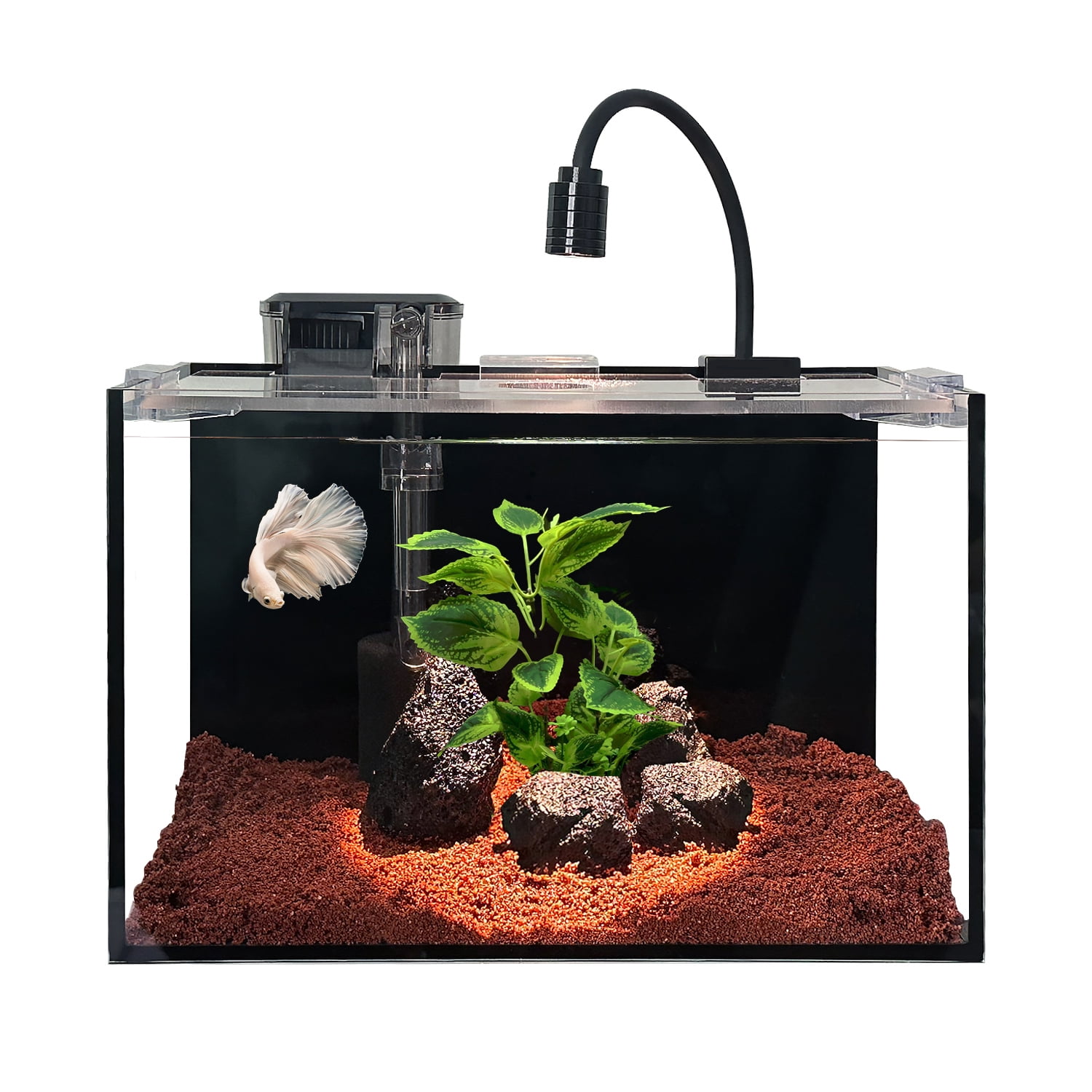
An aquarium kit with live plants includes a tank, filter, lighting, substrate, and healthy live plants. It may also contain fish food and water conditioner. This kit helps create a natural, balanced environment for fish and plants.
How Do Live Plants Benefit Aquarium Health?
Live plants improve water quality by absorbing nitrates and producing oxygen. They provide shelter and reduce stress for fish. Plants also enhance the aquarium’s natural beauty and help maintain a stable ecosystem.
Can Beginners Use Aquarium Kits With Live Plants?
Yes, aquarium kits with live plants are beginner-friendly. They come with all essentials and easy-to-follow instructions. These kits simplify setup and maintenance, making it easier for new hobbyists to start and enjoy aquarium keeping.
How Often Should Live Plants Be Maintained In An Aquarium?
Live plants need regular trimming to remove dead leaves and promote growth. Check plant health weekly and clean algae gently. Maintenance frequency depends on plant species and aquarium conditions but generally occurs every 1-2 weeks.
Conclusion
An aquarium kit with live plants brings nature right to your home. It creates a healthy space for fish and adds beauty. Live plants help keep the water clean and oxygen-rich. Setting up such a kit is easy and fun for beginners.
Watching plants grow alongside your fish feels rewarding every day. This simple addition makes your aquarium more lively and natural. Enjoy the calming effect of a green underwater world. Choose a kit with live plants for a fresh, balanced aquarium.