
Are you struggling to keep your slow-growing plants healthy and thriving? One of the biggest challenges is giving them the right lighting.
Too much or too little light can stunt their growth or even cause them to wither. But don’t worry—you can change that. Understanding how to provide the perfect light can transform your plants’ growth and boost their vitality. Keep reading, and you’ll discover simple, effective lighting tips that will help your slow-growing plants flourish like never before.
Your green space is about to get a lot greener.

Credit: www.reddit.com
Choosing The Right Light Spectrum
Lighting plays a big role in helping slow-growing plants thrive. Different light colors affect plant growth in unique ways.
Choosing the right light spectrum can boost your plants’ health and speed up their growth cycle.
Blue Light Benefits
Blue light helps plants grow strong leaves and stems. It is vital for photosynthesis and keeps plants compact.
- Promotes leaf growth
- Supports chlorophyll production
- Helps plants stay short and sturdy
Red Light Effects
Red light encourages flowering and fruit production. It affects how plants use energy and grow taller.
| Effect | Benefit |
| Flowering | Boosts bloom size and quality |
| Stem Growth | Increases height and elongation |
| Energy Use | Improves photosynthesis efficiency |
Combining Spectrums
Using both blue and red lights together gives plants balanced growth. This mix supports leaves, stems, and flowers.
Here is a simple guide on light spectrum use:
- Use mostly blue light during early growth
- Add red light when plants start to flower
- Adjust light ratio based on plant type and stage
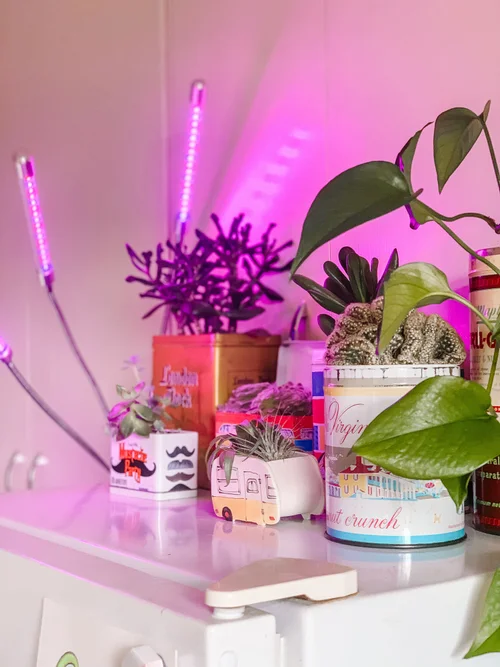
Credit: thegreenmadhouse.com
Optimal Light Intensity
Slow-growing plants need the right amount of light to thrive. Too little light slows growth. Too much can harm leaves.
Finding the optimal light intensity helps plants stay healthy and grow steadily. This guide explains how to measure and adjust light.
Measuring Light Levels
Use a light meter to check how much light your plants get. Light is measured in lux or foot-candles. Each plant species needs different levels.
- Hold the meter at the plant’s leaf level.
- Take readings at different times of the day.
- Record the average light intensity.
- Compare with recommended levels for your plant.
Adjusting Distance And Duration
Change the distance between the light source and plants to control intensity. Closer means stronger light. Farther means weaker light.
| Distance from Light | Effect on Light Intensity |
| 6 inches | High intensity, risk of burning |
| 12 inches | Moderate intensity, safe for most plants |
| 18 inches | Lower intensity, may slow growth |
| 24 inches or more | Low intensity, not enough light |
Also adjust how long lights stay on. Most slow-growing plants need 12 to 16 hours of light daily. Use a timer to keep a steady schedule.
Types Of Grow Lights
Lighting is very important for slow-growing plants. The right light helps them grow healthy and strong.
There are different types of grow lights. Each type has its own benefits and uses.
Led Grow Lights
LED grow lights use light-emitting diodes to provide light. They use less energy than other lights.
These lights give off less heat. This helps keep plants safe from burning.
- Long-lasting and energy efficient
- Can be made to emit specific light colors
- Stay cool during operation
Fluorescent Lights
Fluorescent lights are common for indoor plants. They give a soft light that plants like.
These lights work well for seedlings and small plants. They do not use much electricity.
- Good for small or young plants
- Low heat output
- Affordable and easy to find
High-intensity Discharge Lights
High-intensity discharge (HID) lights are very bright. They help plants grow faster by giving strong light.
HID lights create more heat and use more power. They need special fixtures and good ventilation.
- Very bright light for fast growth
- Needs cooling to avoid heat damage
- Often used for larger plants
Light Schedules For Slow Growth
Slow-growing plants need special light schedules to help them develop properly. The right timing of light and dark periods affects their health and growth speed.
Setting the correct light cycle helps plants use energy efficiently. It also supports their natural rhythms and keeps them strong over time.
Photoperiod Settings
Photoperiod means the length of light and dark in a day. Slow-growing plants often do best with longer dark periods than fast growers.
- Use 12 hours of light and 12 hours of darkness for balanced growth.
- Try 10 hours of light and 14 hours of darkness to encourage slower growth.
- Adjust light intensity to avoid stressing the plants.
- Keep light sources consistent and avoid sudden changes.
Nighttime Considerations
Nighttime is when plants rest and carry out important processes. Maintaining a dark, quiet environment helps them recover and grow steadily.
| Nighttime Factor | Recommended Setting |
| Light Leakage | Zero or minimal to prevent disruption |
| Temperature | Cooler than daytime, around 60-70°F (15-21°C) |
| Humidity | Moderate to support respiration |
| Noise Level | Quiet to avoid plant stress |
Positioning And Reflectors
Lighting is very important for slow-growing plants. Proper light helps them grow healthy and strong.
How you position the light and use reflectors affects how much light your plants get.
Maximizing Light Exposure
Place lights close to the plants but not too close to avoid burning leaves. Keep lights about 6 to 12 inches away.
Use adjustable fixtures to move lights as plants grow. This keeps light levels consistent over time.
- Position lights directly above plants for even coverage
- Use timers to keep lights on for 12 to 16 hours daily
- Keep plants spaced so light reaches all leaves
Using Reflective Materials
Reflectors help bounce light onto plants. They increase the light plants receive without extra energy use.
Use materials like white paint, Mylar, or reflective films around plants to reflect light back to leaves.
- Line walls and grow boxes with reflective material
- Shape reflectors to direct light toward plant tops
- Keep reflective surfaces clean for best results

Credit: thegreenmadhouse.com
Common Lighting Mistakes
Lighting is crucial for slow-growing plants. Many plant owners make mistakes with lighting. Understanding these errors helps plants thrive.
Learn about common lighting issues. Avoid overexposure and underlighting for healthy plants.
Overexposure Risks
Too much light can harm slow-growing plants. Leaves may turn brown or crispy. This often happens with direct sunlight.
Use sheer curtains to filter sunlight. This protects plants from harsh rays. Monitor plant health regularly.
- Check leaf color for signs of stress
- Adjust light exposure as needed
- Place plants away from intense sunlight
Underlighting Issues
Too little light makes plants weak. Leaves may become pale or fall off. This is common in darker rooms.
Use artificial lights to supplement natural light. LED grow lights are efficient. They provide the right spectrum for growth.
| Light Source | Benefits |
| LED Grow Lights | Energy-efficient and long-lasting |
| Fluorescent Lights | Good for low-light plants |
Monitoring Plant Response
Plants need the right amount of light to grow well. Slow-growing plants are sensitive to lighting conditions. Proper monitoring can help improve their health and growth.
Understanding how plants respond to light is important. This helps in adjusting lighting to suit their needs. Learn to spot signs of light stress and adjust lighting accordingly.
Signs Of Light Stress
Plants show signs when they get too much or too little light. Knowing these signs can help you adjust lighting before problems worsen.
- Leaves turning yellow or brown
- Stunted growth
- Leaves curling or wilting
- Discoloration of leaves
- Plants leaning towards the light source
Adjusting Lighting Based On Growth
Adjust lighting to meet the needs of slow-growing plants. This helps them grow strong and healthy. Consider the following methods to ensure they get the right amount of light.
Use adjustable grow lights to change light intensity. Move the light closer or farther to find the optimal distance.
| Plant Type | Light Duration (hours) |
| Succulents | 6-8 |
| Ferns | 4-6 |
| Orchids | 5-7 |
Frequently Asked Questions
What Type Of Light Is Best For Slow-growing Plants?
Slow-growing plants thrive under low to moderate light. Natural indirect sunlight or LED grow lights with a balanced spectrum work well. Avoid intense direct sunlight, which can stress the plants and hinder growth.
How Many Hours Of Light Do Slow-growing Plants Need?
Most slow-growing plants require 8 to 12 hours of light daily. Consistent light exposure supports healthy development without causing leaf burn or stress. Using timers for grow lights helps maintain a stable light schedule.
Can Artificial Light Replace Natural Sunlight For Slow Growers?
Yes, artificial light like LED grow lights can effectively replace natural sunlight. They provide controlled light intensity and spectrum, promoting steady growth. Ensure the light source mimics natural daylight for best results.
Should I Adjust Light For Different Slow-growing Plants?
Yes, light needs vary among slow-growing species. Research specific plant requirements for light intensity and duration. Adjust lighting accordingly to optimize photosynthesis and support healthy growth.
Conclusion
Choosing the right light helps slow-growing plants thrive. They need gentle, steady light to grow well. Avoid harsh or too bright lights that can harm them. Keep the light on for the right hours each day. Check your plants often to see how they respond.
Good lighting supports healthy leaves and roots. Small changes make a big difference in plant growth. Patience and care bring the best results. Keep learning and adjusting your setup as needed. Your plants will thank you with steady, strong growth.