
Are you looking to transform your aquarium into a stunning underwater landscape? Driftwood for aquascaping might be exactly what you need.
It adds natural beauty, creates hiding spots for your fish, and helps balance the water environment. But choosing the right piece and using it correctly can be tricky. You’ll discover how driftwood can elevate your aquascape and learn simple tips to make your tank look amazing.
Keep reading to unlock the secrets that will make your aquarium stand out.
Choosing Driftwood Types
Driftwood adds a natural touch to aquascapes. Picking the right type is important for your aquarium.
Different woods vary in shape, size, and safety. These factors affect the look and health of your tank.
Common Driftwood Varieties
Some driftwood types are popular for aquascaping. They have good shapes and stay safe in water.
- Mopani Wood: Dense, two-tone color, good for caves and shelves.
- Manzanita Wood: Twisted branches, light color, great for tall aquascapes.
- Spider Wood: Thin, branched pieces, perfect for creating intricate designs.
- Cholla Wood: Hollow, cactus wood, adds texture and hides fish.
Wood Size And Shape
Choose driftwood size based on your aquarium size. Large tanks fit bigger pieces well.
Shape affects how wood fits with plants and fish. Curved wood suits natural layouts.
- Small wood works well in nano tanks.
- Flat pieces can create shelves for plants.
- Twisted shapes add visual interest.
- Long branches help divide large tanks.
Safe Wood For Aquariums
Not all driftwood is safe for fish tanks. Some woods release harmful substances or rot quickly.
Choose woods that are untreated and free from chemicals. Clean and soak wood before use.
- Use hardwoods like Mopani or Manzanita.
- Avoid softwoods like pine or cedar.
- Do not use driftwood with paint or glue.
- Boil or soak wood to remove tannins and pests.

Credit: aquascapeshop.com
Preparing Driftwood
Driftwood adds a natural look to aquascapes. Proper preparation keeps your aquarium safe.
Untreated driftwood can carry dirt, bacteria, and tannins. Cleaning and treating it helps prevent problems.
Cleaning Techniques
Start by scrubbing the driftwood with a stiff brush. Use warm water to remove dirt and debris.
Avoid soap or chemicals that can harm fish. Rinse the driftwood thoroughly after scrubbing.
Soaking And Water Release
Soak the driftwood in water for several days. This helps release tannins that color the water.
Change the soaking water every day to speed up the process. Soaking also makes the wood sink faster.
- Use a large container for soaking
- Keep the container in a cool, shaded place
- Replace water daily for clear results
Boiling For Sterilization
Boiling driftwood kills bacteria, parasites, and fungi. It also helps release more tannins.
Boil driftwood for 1 to 2 hours if size allows. Let it cool before placing it in the aquarium.
Designing With Driftwood
Driftwood adds a unique touch to aquascapes. It creates natural shapes and textures that fish enjoy.
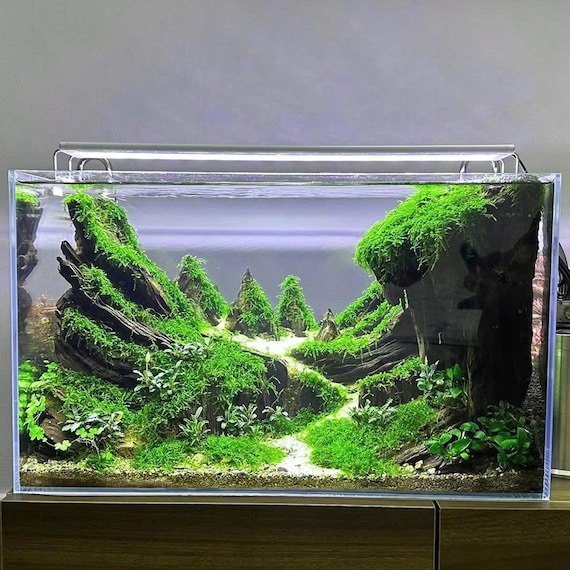
Using driftwood well can make your aquarium look like a small underwater forest. It also helps balance the environment.
Creating Natural Layouts
Start by placing larger driftwood pieces in the back or sides of your tank. This creates depth and a natural feel.
- Use different sizes of driftwood to add variety.
- Arrange pieces to look like roots or branches.
- Leave open space for fish to swim freely.
- Avoid overcrowding the tank with too much wood.
Combining Wood With Plants
Plants and driftwood work well together. The wood offers places for plants to attach and grow.
| Plant Type | Best Attachment Spot |
| Anubias | On Driftwood Branches |
| Moss | Along Flat Surfaces |
| Java Fern | Near Wood Roots |
Balancing Hardscape Elements
Balance driftwood with rocks and substrate for a pleasing look. Avoid too much of one material.
- Place rocks near driftwood to create natural scenes.
- Use sand or gravel to fill gaps and add contrast.
- Keep sizes balanced to avoid overpowering the tank.

Credit: aquascapeshop.com
Driftwood And Aquarium Life
Driftwood is a popular natural element in aquascaping. It adds a natural look and creates a comfortable space for fish and invertebrates.
Besides its beauty, driftwood helps improve the aquarium environment. It supports the health and well-being of aquatic life.
Benefits For Fish And Invertebrates
Driftwood gives fish and invertebrates places to hide and explore. This reduces stress and makes them feel safe.
Some fish like to nibble on driftwood, which helps their digestion. Invertebrates also use it for shelter and breeding.
- Provides hiding spots
- Supports natural behavior
- Offers surfaces for biofilm growth
- Aids digestion for some species
Impact On Water Chemistry
Driftwood releases tannins that lower water pH. This creates softer, more acidic water conditions.
These changes mimic natural habitats for many tropical fish. It helps keep them healthy and active.
- Releases tannins slowly
- Lowers pH and water hardness
- Creates natural water color
- Supports fish from soft water environments
Preventing Algae Growth
Driftwood can help control algae by releasing natural acids. These acids reduce algae growth on surfaces.
It also provides shaded areas that limit light. Less light means less algae growth in the aquarium.
- Releases acids that inhibit algae
- Creates shaded spots to reduce light
- Supports balanced aquarium ecosystem
Maintaining Driftwood
Driftwood adds beauty and natural feel to your aquascape. Keeping it clean and healthy helps your aquarium stay attractive. Proper care stops problems like mold and decay.
Regular checks and maintenance make your driftwood last longer. Learn simple ways to clean and protect your wood.
Cleaning Tips
Rinse your driftwood with warm water often. Use a soft brush to remove dirt and algae. Avoid soaps or chemicals that can harm fish.
Boiling driftwood can kill bacteria and bugs. Let it cool before placing it back in your tank.
- Rinse with warm water weekly
- Use a soft brush for scrubbing
- Boil wood for 1-2 hours if needed
- Never use soap or detergents
Dealing With Mold And Decay
Mold may appear as white or green fuzzy spots on driftwood. It is common on new wood and usually not harmful to fish. Remove mold by gently scrubbing and rinsing the wood.
Decay happens when wood starts to soften or break down. Remove any soft or crumbly parts to stop spread. Replace the wood if decay is severe.
- Scrub off mold with a soft brush
- Rinse well after cleaning
- Watch for soft or breaking wood
- Replace wood if decay spreads
Replacing Or Rotating Wood
Rotate driftwood to keep it looking fresh and avoid wear in one spot. Moving wood helps prevent decay and algae build-up.
Replace driftwood every few years or if it shows heavy damage. Fresh wood keeps your aquascape healthy and natural.
- Move driftwood every few months
- Check for damage when rotating
- Replace wood if soft or rotten
- Choose safe wood for aquarium use
Credit: www.etsy.com
Frequently Asked Questions
What Types Of Driftwood Are Best For Aquascaping?
Hardwoods like Malaysian, Mopani, and Manzanita driftwood are popular. They are durable, sink easily, and add natural beauty to aquariums.
How To Prepare Driftwood Before Adding To Aquarium?
Boil or soak driftwood for 24-48 hours. This removes toxins, tannins, and helps it sink faster, ensuring a safe environment for fish.
Can Driftwood Affect Aquarium Water Chemistry?
Yes, driftwood may lower pH and soften water by releasing tannins. Regular water changes help maintain balanced water conditions for aquatic life.
How Does Driftwood Benefit Aquarium Plants And Fish?
Driftwood provides hiding spots, reduces stress, and promotes beneficial bacteria growth. It also creates a natural habitat that supports plant attachment and fish health.
Conclusion
Driftwood brings a natural look to any aquarium setup. It creates hiding spots and adds texture for fish and plants. Choosing the right piece can change the tank’s feel. Cleaning and preparing driftwood keeps your tank safe and healthy. Small or large, driftwood fits many aquascaping styles.
Try different shapes to find what suits your design best. Enjoy the calm, natural vibe driftwood adds to your underwater world.