
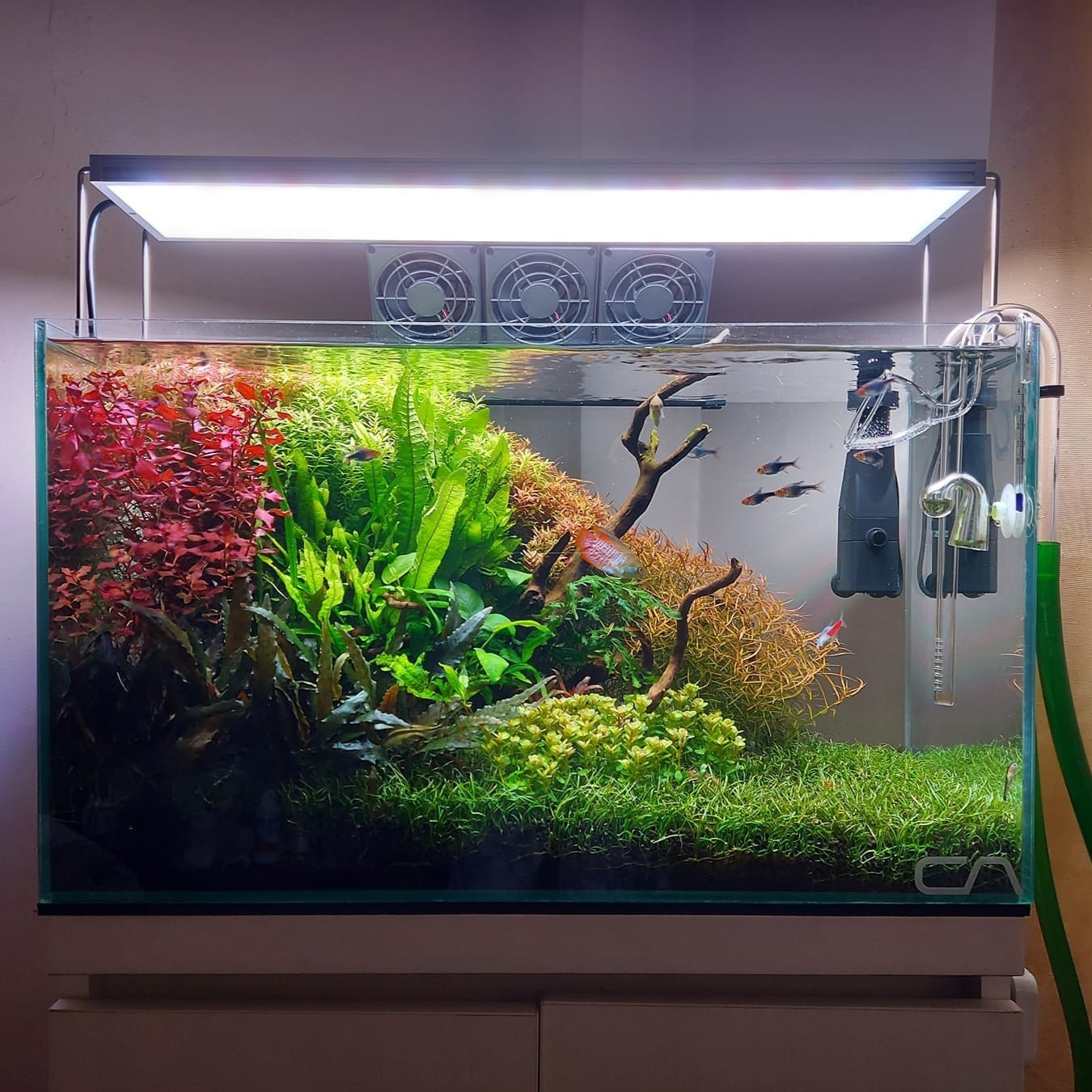
Are you looking to transform your ornamental aquascape into a vibrant underwater masterpiece? The right lighting can make all the difference in bringing out the true colors and details of your aquatic plants and decorations.
LED lighting offers a powerful, energy-efficient way to highlight every curve, color, and texture in your aquascape. Imagine your tank glowing with brilliant hues that captivate anyone who sees it. You’ll discover why LED lighting is the best choice for your aquascape and how to use it to create an eye-catching display that keeps your aquatic life thriving.
Keep reading to unlock the secrets to perfect lighting for your underwater world.
Credit: aquascapeshop.com
Benefits Of Led Lighting
LED lighting offers many advantages for ornamental aquascapes. It improves the look and health of aquatic plants and fish.
Choosing the right light helps create a vibrant underwater scene. LED lights are a smart choice for this purpose.
Energy Efficiency
LED lights use less power than traditional bulbs. They convert most of the electricity into light, not heat.
- Lower electricity bills
- Less heat means safer for aquatic life
- Reduces the need for extra cooling systems
Longevity And Durability
LEDs last much longer than other lighting options. They can work well for years without needing replacement.
| Lighting Type | Average Lifespan |
| Incandescent | 1,000 hours |
| Fluorescent | 8,000 hours |
| LED | 50,000 hours |
Customizable Light Spectrum
LEDs allow you to adjust colors to fit the needs of plants and fish. This helps them grow strong and look natural.
Benefits of adjusting light spectrum:
- Supports photosynthesis in aquatic plants
- Enhances colors of fish and plants
- Creates different moods and styles for aquascapes
Choosing The Right Led Lights
LED lighting is important for ornamental aquascapes. It helps plants grow and shows fish colors well.
Choosing the right LED lights means looking at color, brightness, and safety features.
Color Temperature Options
Color temperature affects how your aquascape looks. It also helps plants and animals stay healthy.
Cool light (5000K-7000K) gives a blueish tone. Warm light (3000K-4000K) looks yellowish and soft.
- 5000K to 7000K: Best for plant growth and natural look
- 3000K to 4000K: Creates warm and calm environment
- Mixed temperatures: Showcases colors of fish and plants
Light Intensity And Coverage
Light intensity is how bright the LED lights are. Coverage means how well light spreads across the tank.
Choose lights that cover your whole tank evenly. Too much light can harm plants and fish.
- Measure tank size to pick correct light length
- Use adjustable brightness for different plants
- Even light spread avoids dark spots
Waterproof And Safety Features
LED lights near water must be waterproof. This keeps your tank and equipment safe.
Look for lights with good waterproof ratings and safety certifications to avoid accidents.
- IP65 or higher rating is good for aquarium use
- Check for overheat protection in LED lights
- Use proper power adapters and cords for safety
Enhancing Plant Growth
LED lighting plays a key role in helping plants grow in ornamental aquascapes. Proper light supports healthy leaves, stems, and roots. Understanding how light affects plants can improve your aquascape’s beauty and health.
Choosing the right lighting setup ensures plants get enough energy for growth. It also helps keep algae under control and balances the aquatic environment.
Photosynthesis And Light Spectrum
Plants use light for photosynthesis, turning it into energy. Different colors of light affect plants in unique ways. Blue and red light waves are most important for growth.
- Blue light helps leaf growth and strong stems
- Red light supports flowering and root development
- Green light passes through leaves, aiding lower plants
Balancing Light And Dark Periods
Plants need both light and dark times each day. Too much light can stress plants. Too little light slows growth. A good balance helps plants stay healthy.
| Light Hours | Dark Hours | Plant Response |
| 8 | 16 | Slow growth |
| 10-12 | 12-14 | Optimal growth |
| 14+ | 10 or less | Stress and poor health |
Avoiding Algae Overgrowth
Algae can grow fast with too much light or nutrients. It competes with plants for resources. Controlling light helps keep algae in check.
Tips to prevent algae:
- Limit lighting to 8-12 hours daily
- Use LED lights with adjustable intensity
- Keep nutrient levels balanced in water
- Regularly clean aquarium surfaces

Credit: aquascapeshop.com
Creating Visual Depth And Contrast
LED lighting transforms ornamental aquascapes into stunning visual displays. It creates depth and contrast in the water environment.
Understanding light angles and colors helps in enhancing your aquascape’s beauty. Let’s explore the ways to achieve this.
Layering Light Angles
Positioning lights at different angles creates depth. This makes the aquascape look more three-dimensional.
Use multiple light sources to achieve layered effects. This highlights different areas in the tank.
- Top lighting emphasizes plant height
- Side lighting enhances textures
- Under lighting creates a glow effect
Using Shadows To Highlight Features
Shadows add contrast to your aquascape. They help in defining features and spaces within the tank.
Control the light direction to cast shadows strategically. This will accentuate rocks and plants.
- Direct light for bold shadows
- Diffuse light for soft shadows
- Adjust light height for shadow length
Combining Colors For Dynamic Effects
Mix different LED colors to create vibrant effects. Colors can change the mood of the aquascape.
Choose colors that complement your aquatic plants and fish. This enhances the overall visual appeal.
- Blue lights for calm effects
- Red lights for warmth
- Green lights for freshness
Designing Mood With Led Lighting
LED lighting helps set the mood in ornamental aquascapes. It can change how plants and fish look.
Choosing the right light color and timing makes your aquascape feel more natural and calm.
Cool Vs Warm Lighting Effects
Cool light looks blue or white and gives a fresh, clean feeling. It highlights details and makes water look clear.
Warm light is yellow or orange and creates a soft, cozy mood. It makes plants and fish appear richer in color.
- Cool light brightens the aquascape and shows sharp contrasts
- Warm light adds warmth and makes colors look deeper
- Mixing both lights can balance the mood and highlight features
Simulating Natural Daylight Cycles
Changing light from soft to bright and back mimics nature’s day and night. It helps plants and fish stay healthy.
This cycle reduces stress for fish and supports plant growth by giving rest times in low light.
- Start with soft light in the morning
- Brighten the light at midday for photosynthesis
- Dim the light slowly in the evening
- Turn off light at night for rest
Using Timers And Dimmers
Timers turn lights on and off automatically. This keeps the cycle steady without you watching.
Dimmers control light brightness. You can make the light soft or strong depending on the time of day.
- Set timers to match natural daylight hours
- Use dimmers to adjust light during morning and evening
- Combine both for easy and smart lighting control
Credit: www.aquascapeinc.com
Installation Tips And Maintenance
LED lighting makes ornamental aquascapes look beautiful. Proper installation and care keep lights working well.
Good lighting helps plants grow and shows fish colors clearly. Follow easy tips to set up and maintain your lights.
Positioning For Optimal Impact
Place LED lights to cover the whole aquascape evenly. Avoid bright spots and dark areas.
Keep lights at the right height above the water. This helps spread light well and prevents heat damage.
- Center lights for full tank coverage
- Use adjustable mounts to change angle
- Keep lights 6 to 12 inches above water
- Check shadows and adjust placement
Cleaning And Upkeep
Clean LED lights regularly to keep brightness high. Dust and water spots reduce light output.
Use a soft cloth and mild cleaner. Avoid harsh chemicals that can damage the light cover.
- Turn off lights before cleaning
- Wipe covers gently with a damp cloth
- Check for water leaks near lights
- Replace damaged parts quickly
Troubleshooting Common Issues
LED lights may flicker or stop working. Check power connections first to find the problem.
Look for loose wires, broken bulbs, or faulty switches. Replace parts that do not work well.
- Check if the power source is on
- Inspect cables for damage
- Test lights with a different outlet
- Replace blown LEDs promptly
Innovative Led Features
LED lighting has transformed ornamental aquascapes. These lights offer features that enhance the beauty of underwater worlds.
From smart controls to dynamic color changes, LED lights make aquascapes more vibrant and easier to manage.
Smart Controls And Automation
Smart controls let you manage LED lights with ease. Use your phone or tablet to adjust settings. This makes it simple to change light intensity or switch colors.
Automation ensures your aquascape gets the right light at the right time. Set schedules so lights turn on and off automatically.
- Control lights remotely with apps
- Set daily or weekly light schedules
- Adjust settings with voice commands
Dynamic Color Changing Leds
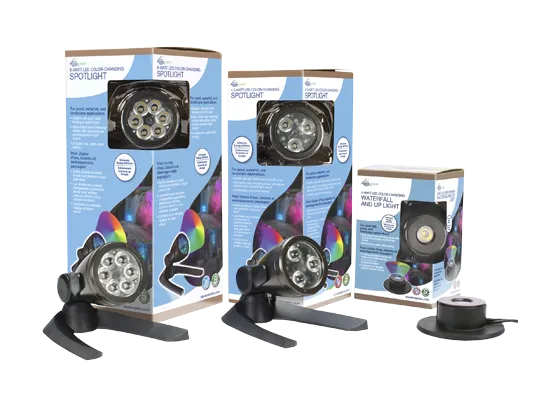
Dynamic color changing LEDs add life to aquascapes. These lights can shift through a range of colors. This creates stunning visual effects in your tank.
Experiment with different color patterns. Find what makes your aquascape look its best.
| Feature | Benefit |
| Color cycling | Enhances visual appeal |
| Customizable hues | Match tank themes |
Integration With Aquascape Equipment
LED lights can integrate with other aquascape equipment. This makes managing your tank simpler. Synchronize lights with filters and heaters for a balanced environment.
Such integration ensures that your aquascape is healthy and thriving. It also enhances the overall aesthetic of your tank.
- Sync with water filters
- Coordinate with heaters
- Combine with air pumps
Frequently Asked Questions
What Are The Benefits Of Led Lighting For Aquascapes?
LED lighting offers energy efficiency, long lifespan, and customizable light spectrums. It enhances plant growth and highlights ornamental features in aquascapes effectively. LEDs also produce less heat, reducing algae growth and maintaining water stability.
How Does Led Lighting Affect Aquatic Plant Growth?
LEDs provide specific light wavelengths essential for photosynthesis. This promotes healthy plant growth and vibrant colors in aquascapes. Adjustable intensity and spectrum help tailor light to different plant species’ needs.
Can Led Lighting Improve The Appearance Of Ornamental Aquascapes?
Yes, LED lighting enhances color contrast and depth, making aquascapes visually stunning. It highlights textures and shapes, creating a natural and vibrant underwater scene. Adjustable settings allow personalized aesthetics.
What Is The Ideal Led Light Spectrum For Aquascapes?
A balanced spectrum including blue and red wavelengths supports plant photosynthesis and growth. Full-spectrum LEDs mimic natural sunlight, promoting healthy plants and vibrant fish colors. Adjustable spectrums optimize results.
Conclusion
LED lighting brightens ornamental aquascapes with clear, vibrant colors. It helps plants grow healthy and strong. You save energy and reduce heat in your tank. Different LED styles suit many aquarium sizes and designs. Easy to install and control, LEDs offer great flexibility.
Choosing the right light makes your aquascape look natural and beautiful. Small changes in lighting can create big visual effects. A well-lit aquascape brings calm and joy to any space. LED lights truly enhance the art of underwater gardening.