
If you’re looking to add a touch of natural beauty to your aquarium, Microsorum Pteropus is a perfect choice. This unique aquatic plant not only enhances the look of your tank but also creates a healthier environment for your fish.
Imagine lush green leaves gently swaying underwater, bringing life and vibrancy to your setup. You’ll discover why Microsorum Pteropus is a favorite among aquarists and how to care for it so your tank thrives like never before. Keep reading to unlock the secrets to a stunning, thriving aquarium with this amazing plant.
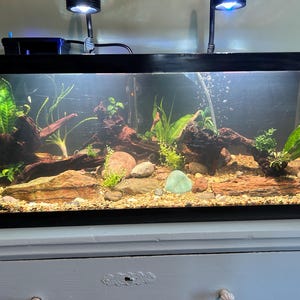
Credit: www.etsy.com
Microsorum Pteropus Basics
Microsorum Pteropus is a popular aquatic plant in freshwater tanks. It is easy to care for and adds green beauty to aquariums.
This plant grows slowly and can attach to rocks or driftwood. It helps improve water quality and provides shelter for fish.
Plant Characteristics
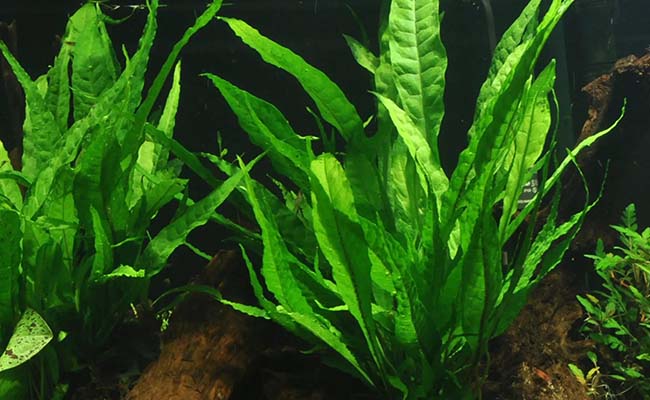
Microsorum Pteropus has thick, dark green leaves. The leaves have a leathery texture and can grow up to 13 inches long.
- Leaf shape varies from narrow to broad
- Rhizome grows horizontally and attaches to surfaces
- Roots develop from the rhizome, not from the base
- It does not require substrate planting
- Can survive in low to moderate light
Natural Habitat
This plant grows naturally in tropical Asia and Australia. It thrives on rocks and tree roots in shaded areas of streams and rivers.
| Region | Habitat Type | Water Conditions |
|---|---|---|
| Asia | Shaded streams with slow currents | Soft, slightly acidic to neutral water |
| Australia | Riverbanks with submerged roots | Clear, clean freshwater |
Choosing The Right Tank
Microsorum Pteropus, also called Java fern, is a popular plant for aquariums. Picking the right tank helps this plant grow well.
The tank must provide enough space and good water conditions for healthy growth.
Tank Size And Setup
Choose a tank that is at least 10 gallons to give Microsorum Pteropus enough room. This size helps the plant spread its leaves.
Use a tank setup with low to medium light. Java fern does well without strong light. Attach the plant to driftwood or rocks. Avoid planting it in the substrate.
- Minimum tank size: 10 gallons
- Light: low to medium intensity
- Attach to wood or rocks, not soil
- Good water flow helps keep leaves clean
Water Parameters
Microsorum Pteropus prefers stable water conditions. Keep the temperature between 68°F and 82°F (20°C to 28°C).
Maintain pH levels from 6.0 to 7.5. Soft to medium hardness water works best. Regular water changes keep the plant healthy.
- Temperature: 68°F–82°F (20°C–28°C)
- pH range: 6.0 to 7.5
- Water hardness: soft to medium
- Regular water changes recommended
Planting Techniques
Microsorum Pteropus is a popular plant for aquariums. It adds green color and helps keep water clean.
Planting this fern correctly helps it grow well and look healthy. Use the right techniques for best results.
Attaching To Driftwood And Rocks
Microsorum Pteropus grows best when attached to driftwood or rocks. It does not need to be buried in substrate.
Use fishing line or thread to tie the plant gently to the surface. The roots will hold on as it grows.
- Place rhizome on wood or rock surface
- Secure with fishing line or cotton thread
- Do not cover the rhizome with substrate
- Remove ties after roots attach, about 2-3 weeks
Substrate Tips
Microsorum Pteropus does not need a special substrate. It prefers to attach to hard surfaces instead of being buried.
If you plant it in substrate, avoid covering the rhizome. Covering can cause it to rot and harm the plant.
- Use gravel or sand substrate if needed
- Do not bury the rhizome in substrate
- Plant roots can go slightly into substrate
- Keep substrate clean to avoid decay
Credit: www.hygger-online.com
Lighting And Temperature
Microsorum Pteropus is a popular aquarium plant. Its care depends on the right lighting and temperature.
Good lighting and stable temperature help this plant grow healthy in tanks.
Optimal Light Levels
Microsorum Pteropus prefers low to medium light. Too much light can harm it.
It grows well in shaded or indirect light areas inside the tank.
- Low light: 1 to 2 watts per gallon
- Medium light: 2 to 3 watts per gallon
- Avoid direct sunlight to prevent algae growth
Temperature Range
This plant thrives in warm water. Keep the tank temperature stable for best results.
The ideal temperature range helps Microsorum Pteropus grow slowly but strongly.
- Minimum temperature: 68°F (20°C)
- Maximum temperature: 82°F (28°C)
- Stable temperature avoids stress to the plant
Maintenance And Care
Microsorum pteropus, also called Java fern, is a popular plant for tanks. It grows well in water and needs little care.
Taking care of this plant helps keep your tank healthy and beautiful. Proper care includes trimming, propagation, and algae control.
Trimming And Propagation
Trim old or damaged leaves to keep the plant healthy. Use clean scissors to cut leaves near the base.
Propagation is easy by dividing the rhizome. Cut a healthy rhizome piece with roots and attach it to a new spot.
- Remove brown or torn leaves regularly
- Cut rhizome into pieces with at least 3 leaves
- Tie new rhizome pieces to rocks or wood
- Avoid burying the rhizome in substrate
Preventing Algae Growth
Algae can harm Microsorum pteropus by covering its leaves. Keep algae under control to help the plant grow.
Limit light to 8-10 hours daily and avoid excess nutrients. Clean the tank regularly and use algae-eating fish if possible.
- Control tank lighting time
- Do regular water changes
- Remove algae from leaves gently
- Use algae eaters like shrimp or snails
Compatibility With Tank Inhabitants
Microsorum Pteropus is a versatile aquatic plant that can thrive in various tank environments. When choosing tank inhabitants to coexist with Microsorum Pteropus, it’s essential to consider their compatibility to ensure a harmonious ecosystem.
Fish And Invertebrates
Fish and invertebrates can peacefully coexist with Microsorum Pteropus in a well-planned tank. However, some species may require specific conditions or precautions to prevent competition for resources or damage to the plant.
- Peaceful community fish such as Neon Tetras and Harlequin Rasboras are suitable tankmates for Microsorum Pteropus.
- Some invertebrates like Snails and Amano Shrimp can help maintain algae control and coexist with the plant.
- However, aggressive fish like Cichlids and some species of Catfish may not be compatible with Microsorum Pteropus, as they may damage the plant or compete for resources.
Coexisting Plants
Microsorum Pteropus can be planted alongside other aquatic plants to create a diverse and thriving ecosystem. However, some plants may require specific lighting or nutrient conditions that may not be compatible with Microsorum Pteropus.
| Plant | Lighting Requirements |
|---|---|
| Java Moss | Low to moderate lighting |
| Dwarf Hairgrass | Moderate to high lighting |
| Anubias Nana | Low to moderate lighting |
When choosing coexisting plants, research their specific lighting and nutrient requirements to ensure a harmonious and thriving ecosystem with Microsorum Pteropus.
Common Issues
Microsorum Pteropus, a popular aquatic plant, can face several common issues when grown in tanks. Understanding these problems will help you maintain a healthy and thriving plant.
Yellowing Leaves
Yellowing leaves on Microsorum Pteropus can be a sign of overfertilization, inadequate lighting, or root bound conditions. If you notice this issue, consider reducing fertilizers, adjusting lighting, or repotting the plant.
- Overfertilization can cause leaf discoloration
- Inadequate lighting may lead to weak growth
- Root bound conditions can cause yellowing leaves
Root Rot
Root rot is a common issue in Microsorum Pteropus, often caused by overwatering, poor water circulation, or root bound conditions. To prevent root rot, ensure proper water circulation, avoid overwatering, and repot the plant when necessary.
| Causes of Root Rot | Prevention |
|---|---|
| Overwatering | Check water levels regularly |
| Poor water circulation | Ensure proper water flow |
| Root bound conditions | Repot the plant when necessary |
Pests And Diseases
Pests and diseases can affect Microsorum Pteropus, causing damage to the plant. Regularly inspect your plants for signs of pests or diseases and take action promptly to prevent their spread.
Common pests include snails, slugs, and aphids, while common diseases include bacterial leaf spot and root rot. To control these issues, use appropriate pesticides or fungicides and ensure good tank hygiene.

Credit: www.petzonesd.com
Enhancing Aquascape Design
Microsorum Pteropus, also known as Java fern, is a popular plant for aquariums. It adds a natural look to fish tanks.
This plant is easy to care for and helps create beautiful underwater scenes. It works well with many aquascape styles.
Combining With Other Plants
Java fern pairs well with many aquatic plants. Its dark green leaves contrast nicely with lighter plants. This contrast makes the tank more interesting.
- Anubias species for broad leaves
- Cryptocoryne for varied shapes
- Vallisneria for tall background plants
- Java moss for soft textures
- Amazon sword for large, bold leaves
Creating Depth And Texture
Java fern helps create depth in the tank. Place it in the middle or back to add layers. Its unique leaf shape adds texture.
| Plant | Placement | Texture |
| Microsorum Pteropus | Middle or back | Broad, leathery leaves |
| Java moss | Foreground or driftwood | Soft, fuzzy |
| Vallisneria | Background | Tall, thin leaves |
| Anubias | Midground | Thick, smooth leaves |
Frequently Asked Questions
What Is Microsorum Pteropus In Tanks?
Microsorum Pteropus, commonly known as Java Fern, is a hardy aquatic plant. It thrives in freshwater tanks and adds natural beauty. It requires low light and minimal care, making it ideal for beginners and aquascaping enthusiasts.
How To Plant Microsorum Pteropus In Aquariums?
Attach Microsorum Pteropus to driftwood or rocks using fishing line or glue. Avoid burying its rhizome in substrate to prevent rot. This method promotes healthy growth and natural appearance in tanks.
What Are Ideal Conditions For Microsorum Pteropus Growth?
Microsorum Pteropus grows best in low to moderate light and temperatures between 68-82°F (20-28°C). It tolerates a wide pH range (6. 0-7. 5) and benefits from gentle water flow. Regular water changes encourage healthy development.
Can Microsorum Pteropus Improve Aquarium Water Quality?
Yes, Microsorum Pteropus helps absorb excess nutrients and reduces algae growth. Its leaves provide oxygen and shelter for fish. This plant enhances overall tank health and stability when maintained properly.
Conclusion
Microsorum Pteropus adds beauty and life to any tank. It grows well in low light and needs little care. This plant offers shelter for fish and helps clean water. Attach it to rocks or driftwood for best results. Its unique leaves bring a natural look to your aquarium.
Keep the tank stable, and your Microsorum will thrive. A great choice for beginners and experts alike. Try it to create a peaceful underwater scene. Simple, attractive, and healthy for your aquatic pets.