
When the temperature in your large aquarium suddenly drops, your fish and plants can quickly become stressed or even face serious harm. You need a reliable emergency heater solution that kicks in fast to protect your aquatic life.
Finding the right heater isn’t just about keeping water warm—it’s about keeping your entire underwater world safe and healthy. You’ll discover effective emergency heater options designed specifically for large aquariums, so you can act quickly and confidently when every degree matters.
Don’t let a cold snap catch you off guard—read on to learn how to safeguard your aquarium today.
Credit: www.walmart.ca
Causes Of Heater Failures
Heaters are vital for large aquariums to keep fish safe and healthy. Failure of these heaters can cause serious problems.
Understanding what causes heater failures helps prevent damage and keeps the aquarium stable.
Common Heater Issues
Heaters can fail due to many common problems. These include damage to the heating element, broken thermostats, and loose wiring.
- Heating element wear or breakage
- Thermostat malfunctions causing wrong temperature
- Electrical wiring faults or loose connections
- Glass tube cracks from impact or stress
- Mineral buildup reducing heater efficiency
Environmental Factors
Environmental conditions also affect heater performance. Water quality and placement play key roles in heater life.
| Factor | Effect on Heater |
| Hard water | Causes mineral buildup on heater surface |
| Low water level | Leads to overheating and damage |
| Strong water currents | Can cause uneven heating or damage |
| Improper placement | Reduces heater efficiency and lifespan |
| Sudden temperature changes | Stress heater components and cause failure |
Signs Of Heater Problems
Large aquariums need steady heat to keep fish safe. A broken heater can hurt the tank’s life.
Watch for signs that show the heater is not working well. Catching problems early helps protect your fish.
Temperature Fluctuations
One sign of heater trouble is sudden changes in water temperature. The heater may turn on and off too often.
Temperature swings can stress fish and damage plants. Use a reliable thermometer to check the tank often.
- Temperature drops below the set level
- Water gets too hot quickly
- Heater stops running for long periods
- Uneven heat in different tank areas
Fish Behavior Changes
Fish act differently if the heater is failing. They may hide or swim near the surface more than usual.
Look for slow movement or loss of appetite. These signs could mean the water is too cold or too warm.
- Fish gasping for air at the surface
- Fish hiding more than normal
- Unusual swimming patterns
- Reduced feeding or activity
Immediate Fixes
Large aquariums need steady heat to keep fish safe. Sudden heater failure can cause stress or illness. Quick action helps protect your aquatic life.
This guide covers fast ways to warm your aquarium using temporary solutions. These methods help until your main heater is fixed or replaced.
Temporary Heating Methods
Use safe, short-term heat sources to raise water temperature. Avoid overheating or sudden temperature changes that can harm fish.
- Place warm water bottles around the tank exterior.
- Use aquarium-safe heating pads under the tank.
- Bring the room temperature up temporarily with a space heater.
- Cover the aquarium with a thermal blanket to keep heat in.
- Use multiple smaller heaters if you have them on hand.
Using Backup Equipment
Backup equipment helps keep your aquarium warm during heater failure. Keep extras ready for emergencies.
| Backup Equipment | Purpose | Notes |
| Secondary Aquarium Heater | Provides immediate heat | Set to a safe temperature |
| Air Pump with Heater Attachment | Heats and circulates water | Good for large tanks |
| Battery-Powered Heater | Temporary heat during power outage | Use only as short-term fix |
| Infrared Heat Lamp | Warms room and tank surface | Keep at safe distance |
Choosing Emergency Heaters
Emergency heaters keep large aquariums warm during power outages or heater failures. Choosing the right one helps protect your fish and plants.
Look for heaters that work well with your tank size and offer quick, safe heat. Consider how easy they are to move and power.
Portable Heater Options
Portable heaters are useful for emergencies because you can move them easily. They fit different tank sizes and provide fast heat.
Choose heaters made from durable materials that resist water damage. Some models have built-in thermostats to keep water at the right temperature.
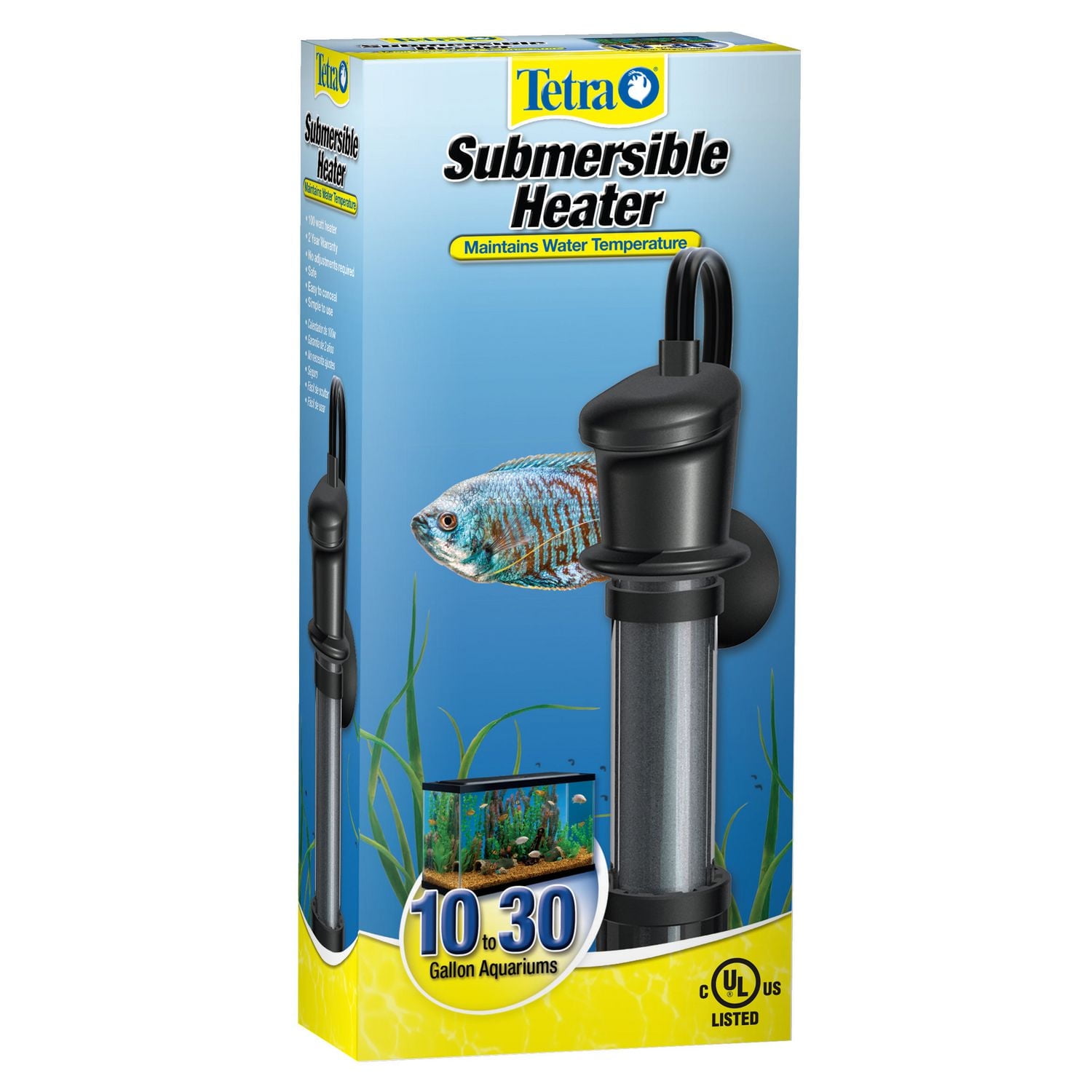
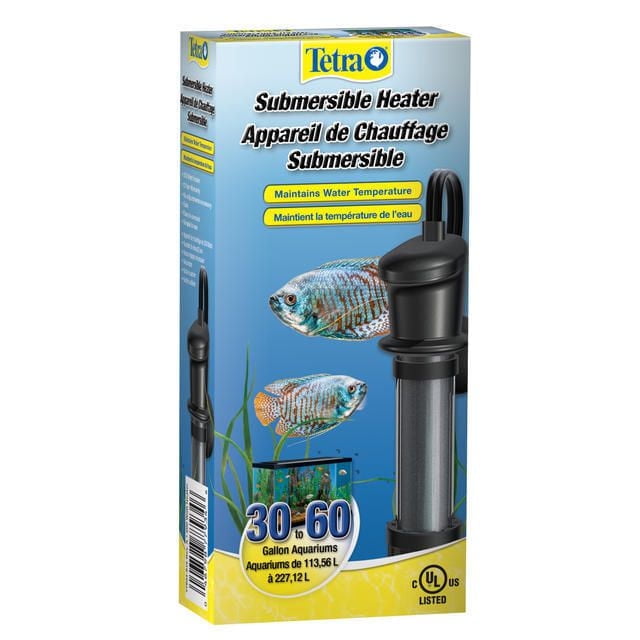
- Submersible heaters for full water contact
- External heaters that attach outside the tank
- Battery-powered heaters for short-term use
Power Source Considerations
Emergency heaters need a reliable power source. Consider how long your heater can run without electricity from the grid.
Some heaters use batteries or can connect to portable generators. Check the power rating to ensure it matches your tank’s needs.
- Electric heaters require stable power supply
- Battery-operated heaters work during outages
- Generators provide longer heating time
- Solar-powered options depend on sunlight availability
Diy Heating Solutions
Large aquariums need steady heat to keep fish safe. Emergency heater solutions help if your main heater stops working.
DIY heating solutions can be quick and simple. They use items you might already have at home.
Safe Homemade Heaters
You can make heaters that are safe for fish using common materials. These heaters keep water warm without electric parts.
One option is to use warm water bottles or sealed jars filled with hot water. Place them near the aquarium to raise the temperature.
- Use clean bottles or jars with tight lids
- Wrap them in towels to keep heat longer
- Check water temperature often
- Replace warm water as it cools
Using Heat Packs
Heat packs are easy to use and can warm the aquarium water. Choose packs that release heat slowly and safely.
Place heat packs under the tank or inside a waterproof container next to the aquarium. Avoid direct contact with water to protect your fish.
- Use heat packs with low, steady heat output
- Keep packs wrapped in towels or cloth
- Monitor water temperature regularly
- Replace heat packs before they cool down
Preventing Future Failures
Large aquariums rely on emergency heater solutions to maintain optimal water temperatures. Regular maintenance and monitoring are crucial to prevent system failures and ensure the health of aquatic life.
Regular Maintenance Tips
Regular maintenance is essential to prevent emergency heater failures. Schedule regular checks and replacements of filters, pumps, and other critical components.
- Replace filters every 3-6 months
- Check and replace worn-out O-rings and gaskets
- Clean the heat exchanger annually
Monitoring Systems
Monitoring systems help identify potential issues before they become major problems. Implement a system to track water temperature, flow rates, and other critical parameters.
| Parameter | Recommended Range | Threshold for Alert |
| Water Temperature | 78-82°F (25-28°C) | ± 2°F (± 1°C) |
| Flow Rate | 10-20 gallons per minute | ± 5 gallons per minute |
Safety Precautions
Large aquariums require specialized equipment to maintain optimal water conditions. Emergency heater solutions are crucial for preventing temperature fluctuations, but they also come with unique safety risks.
Avoiding Electrical Hazards
Electrical hazards are a significant concern when using emergency heaters in large aquariums. Improper installation, malfunctioning equipment, or inadequate maintenance can lead to electrical shocks, fires, or other accidents.
- Ensure all electrical connections are secure and waterproof.
- Use GFCI-protected outlets to prevent electrical shocks.
- Regularly inspect and maintain emergency heaters to prevent malfunctions.
Protecting Aquarium Inhabitants
Aquarium inhabitants can be harmed by sudden temperature changes or electrical shocks. It’s essential to take precautions to protect them when using emergency heaters.
- Monitor water temperature closely to prevent sudden changes.
- Use a temperature controller to maintain a stable temperature range.
- Avoid placing emergency heaters near sensitive equipment or habitats.
Credit: www.walmart.ca

Credit: www.recifart.com
Frequently Asked Questions
What Is An Emergency Heater For Large Aquariums?
An emergency heater is a backup device that maintains aquarium temperature during main heater failure. It prevents temperature drops that can harm aquatic life. These heaters activate automatically and ensure stable warmth, crucial for large tanks with sensitive species.
How To Choose The Right Emergency Heater Size?
Select an emergency heater based on your aquarium’s volume and species needs. It should cover at least 50% of the tank’s heating requirements. Oversized heaters can cause overheating, while undersized ones won’t maintain stable temperatures.
Can Emergency Heaters Prevent Fish Stress?
Yes, emergency heaters prevent sudden temperature drops that stress fish. Stable water temperature maintains fish health and behavior. Using a backup heater during power outages or heater malfunctions reduces the risk of disease and mortality.
Are Emergency Heaters Energy Efficient?
Most emergency heaters are designed to be energy efficient and activate only when needed. They consume less power than main heaters by operating intermittently. This efficiency helps save energy while protecting your aquarium’s environment.
Conclusion
Emergency heater solutions keep large aquariums safe and healthy. Quick action stops temperature drops from harming fish. Choose reliable heaters designed for big tanks. Always monitor water temperature closely to avoid surprises. Backup power options help during outages. Simple steps protect your aquatic life effectively.
Stay prepared, and your aquarium will thrive.