
Are you tired of juggling multiple aquarium accessories that clutter your space and make maintenance a hassle? Imagine having an aquarium stand that not only holds your tank securely but also stores filtered water neatly and efficiently.
This smart setup can save you time, keep your water clean, and make your aquarium look stunning. If you want to simplify your fish-keeping routine and create a healthier environment for your aquatic friends, keep reading. You’re about to discover how an aquarium stand with filtered water storage can transform your hobby for the better.
Choosing The Right Aquarium Stand
An aquarium stand supports your tank and stores filtered water. Choosing the right stand keeps your aquarium safe and neat.
Consider materials, weight capacity, and design to find the best stand for your space.
Material Options And Durability
Aquarium stands come in wood, metal, and plastic. Each material lasts different lengths of time and holds weight differently.
Wood stands look nice but may warp if wet. Metal stands are strong but can rust without a finish. Plastic stands resist water but may not hold very heavy tanks.
- Wood: classic look, moderate durability
- Metal: strong, may need rust protection
- Plastic: water-resistant, lighter weight
Weight Capacity Considerations
Your stand must hold the aquarium’s full weight. Water and decorations add a lot of weight.
Check the stand’s weight limit before buying. Choose a stand with a higher capacity than your tank’s total weight.
- Calculate tank weight: water, glass, decorations
- Pick stand with at least 20% more capacity
- Ensure even weight distribution on stand
Design Styles And Space Planning
Stands come in many styles to match your room. Some have shelves or cabinets for storing fish supplies.
Measure your space before choosing a stand. Make sure it fits well and leaves room for maintenance.
- Match stand style to room décor
- Choose stands with storage for filters and supplies
- Allow space around tank for cleaning and access

Credit: www.amazon.com
Integrating Filtered Water Storage
An aquarium stand with filtered water storage helps keep fish healthy. It holds clean water ready for use in the tank.
This setup reduces water changes and keeps the aquarium water fresh. It also makes maintenance easier and faster.
Types Of Filtered Water Systems
There are different filtered water systems for aquarium stands. Each type offers unique benefits for water quality.
- Carbon filtration removes chemicals and odors
- Reverse osmosis filters out minerals and impurities
- UV sterilizers kill harmful bacteria and algae
- Mechanical filters trap debris and particles
Placement And Accessibility
Place the filtered water storage near the aquarium for easy water changes. It should fit well inside or under the stand.
Make sure the storage is easy to reach. This helps with quick refills and system checks without moving the aquarium.
- Keep storage away from direct sunlight
- Allow space for filter connections and hoses
- Ensure access for adding or removing water
- Use sturdy stands to support the weight
Maintenance And Cleaning Tips
Regular cleaning keeps filtered water storage safe and clean. This prevents algae growth and blockages in filters.
Check filters often and replace parts as needed. Clean the storage tank every few weeks to avoid dirt buildup.
- Use non-toxic cleaners for the storage tank
- Rinse filters with aquarium water, not tap water
- Inspect hoses and connections for leaks
- Keep a cleaning schedule to avoid issues
Setting Up Plumbing And Filtration
Setting up plumbing and filtration for an aquarium stand with filtered water storage needs careful planning. Proper setup keeps water clean and safe for fish.
Good plumbing and filtration improve water quality and reduce maintenance time. Follow clear steps for a reliable system.
Connecting Water Lines Safely
Use strong, flexible tubing to connect water lines. Check that all fittings fit tightly to stop leaks. Avoid sharp bends that block water flow.
- Use clamps to secure tubing connections
- Label each line to avoid confusion
- Test water flow before finalizing setup
- Keep tubing away from heat sources
- Use non-toxic materials safe for fish
Selecting Efficient Filters
Choose filters that match the tank size and fish load. Look for energy-saving models that clean water well. Mechanical, biological, and chemical filters all play roles.
| Filter Type | Purpose | Example |
| Mechanical | Removes debris and particles | Foam pads |
| Biological | Breaks down waste with bacteria | Ceramic rings |
| Chemical | Removes toxins and odors | Activated carbon |
Preventing Leaks And Overflows
Check all connections before turning on the water. Install a drip tray or overflow tank to catch spills. Regularly inspect seals and valves for wear.
- Use silicone sealant on joints
- Install shut-off valves for emergencies
- Place water sensors near the stand
- Keep a maintenance schedule
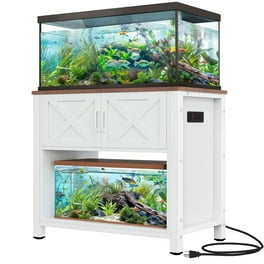
Credit: www.walmart.com
Optimizing Water Quality
Keeping water clean is key for a healthy aquarium. Good water helps fish stay active and plants grow well.
An aquarium stand with filtered water storage helps keep the water pure. This setup improves water quality by reducing harmful substances.
Regular Testing And Monitoring
Test your aquarium water often. Check for ammonia, nitrite, and nitrate levels. Keep an eye on water clarity and smell.
- Use test kits weekly
- Record test results
- Look for sudden changes
- Clean filters when needed
Managing Ph And Hardness Levels
| Parameter | Ideal Range | Effect on Fish |
| pH | 6.5 – 7.5 | Stable pH keeps fish healthy |
| Hardness (GH) | 4 – 12 dGH | Proper hardness supports growth |
| Carbonate Hardness (KH) | 3 – 8 dKH | Keeps pH steady |
Adjust pH and hardness carefully. Sudden changes can stress fish. Use water from filtered storage to keep levels steady.
Using Additives And Conditioners
Additives help keep water safe. Conditioners remove chlorine and harmful metals. Use them as per instructions.
- Choose conditioners suitable for your fish
- Follow dosage guidelines
- Do not overuse additives
- Test water after adding chemicals
Enhancing Aquarium Aesthetics
An aquarium stand with filtered water storage helps keep your tank clean. It also hides equipment and stores water out of sight.
Using a well-designed stand can improve the look of your aquarium area. It creates a neat and organized space.
Concealing Equipment And Tubing
A good aquarium stand hides pumps, filters, and tubing. This keeps the focus on the fish and plants.
Filtered water storage inside the stand reduces clutter around the tank. You can organize wires and tubes inside compartments.
- Use cabinets to store filters and pumps
- Hide tubing behind panels or inside stands
- Keep power cords organized with clips or ties
Lighting And Decoration Ideas
Lighting enhances the beauty of your aquarium and stand. Choose soft lights to create a calm atmosphere.
Decorate the stand with plants, stones, or themed items. Match the decoration style with your aquarium’s look.
- Install LED lights under the stand for a glowing effect
- Add small plants or decorative stones on the stand top
- Use colors that complement your aquarium setup
Maximizing Viewing Experience
A stand with filtered water storage keeps water clear for better viewing. Clean water shows fish and plants in detail.
Position the aquarium at eye level. This improves comfort and enjoyment when watching your tank.
- Choose stands that raise the tank to a good height
- Keep the glass clean and free of smudges
- Arrange lighting to reduce glare on the glass
Troubleshooting Common Issues
Aquarium stands with filtered water storage can face several issues. Regular checks and maintenance help keep your aquarium in top shape.
Here are some common problems and how you can address them efficiently.
Addressing Water Contamination
Contaminated water affects fish health and water clarity. Regular cleaning and filter replacement are key.
- Check the filter for clogs and replace if needed.
- Remove uneaten food to prevent decay.
- Test water quality weekly with a water test kit.
Dealing With Mechanical Failures
Mechanical failures can disrupt water flow and filtration. Identifying the problem quickly helps restore normal function.
Inspect the pump and tubing for blockages. Ensure all connections are secure. Listen for unusual noises, which can indicate a problem.
Preventing Algae Growth
Algae growth makes tanks look dirty and can harm aquatic life. Control light exposure and nutrients to prevent algae.
| Action | Frequency |
| Limit light to 8 hours a day | Daily |
| Clean tank glass | Weekly |
| Use algae eaters | As needed |
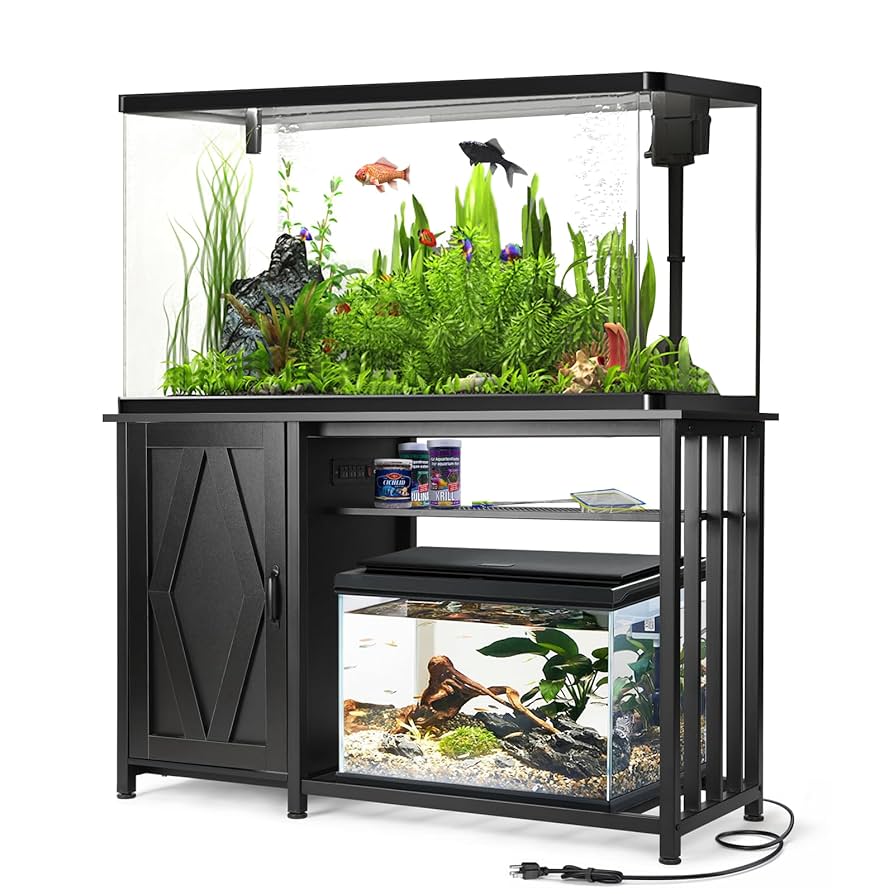
Credit: www.amazon.com
Frequently Asked Questions
What Is An Aquarium Stand With Filtered Water Storage?
An aquarium stand with filtered water storage combines support and water filtration. It holds the tank and stores clean water, ensuring easy maintenance and healthier aquatic life.
How Does Filtered Water Storage Benefit Aquarium Health?
Filtered water storage removes impurities and toxins, providing cleaner water. This promotes fish health, reduces diseases, and improves overall water quality, creating a stable environment.
Can Aquarium Stands With Water Storage Save Space?
Yes, these stands integrate storage beneath the tank, efficiently using vertical space. This design reduces clutter and provides convenient access to filtered water for regular use.
What Materials Are Best For Aquarium Stands With Filters?
Stands made from sturdy wood, metal, or waterproof composite materials work best. They support heavy tanks and resist water damage, ensuring durability and long-term use.
Conclusion
An aquarium stand with filtered water storage keeps fish healthy and tanks clean. It saves time by making water changes easy and quick. Clean water helps fish live longer and stay active. This stand design also keeps your space neat and organized.
Choosing the right stand improves your aquarium’s look and function. Simple steps lead to better fish care every day. A good stand with filtered storage is a smart choice for any fish lover.