
If you want your tropical fish to thrive and show their best colors, understanding the light spectrum is key. The right light can boost their health, enhance their natural beauty, and even influence their behavior.
But with so many lighting options out there, how do you know what’s best for your underwater friends? Keep reading, and you’ll discover exactly which light colors and intensities create the perfect environment for your tropical fish to flourish. Your aquarium will never look the same again!
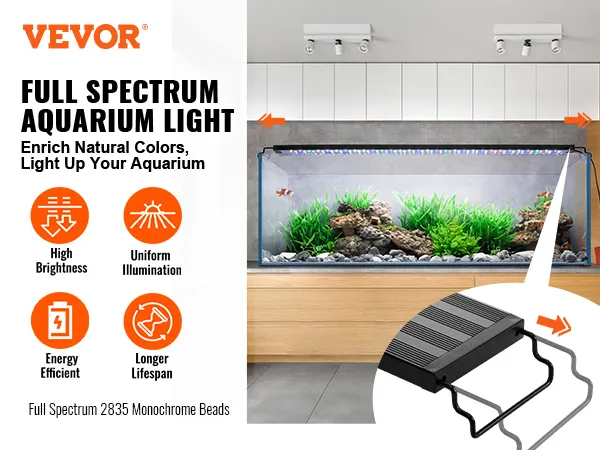
Credit: www.vevor.ca
Light Spectrum Basics
Light is important for tropical fish tanks. It helps fish see and plants grow. The light spectrum means all the colors light can have.
Different colors in the spectrum have different effects in the aquarium. Understanding light helps create a healthy tank.
Visible Light And Wavelengths
Visible light is the part of the spectrum people can see. It has many colors from red to violet. Each color has its own wavelength.
Wavelengths are the distances between light waves. Red light has the longest wavelength. Violet light has the shortest wavelength.
- Red light: 620-750 nanometers
- Orange light: 590-620 nanometers
- Yellow light: 570-590 nanometers
- Green light: 495-570 nanometers
- Blue light: 450-495 nanometers
- Violet light: 380-450 nanometers
Types Of Aquarium Lighting
Aquarium lights come in many types. Each type gives different colors and brightness. Choosing the right light helps fish and plants stay healthy.
Common types include LED, fluorescent, and incandescent lights. LED lights use less energy and last longer. Fluorescent lights give bright, even light.
- LED lights: energy-saving and bright
- Fluorescent lights: good color range
- Incandescent lights: simple but less common
- Metal halide lights: strong light for deep tanks
How Light Affects Fish And Plants
Light affects fish behavior and plant growth. Fish need light to see food and avoid danger. Plants use light to make food through photosynthesis.
Too much light can stress fish. Too little light stops plants from growing. The right balance helps the tank stay healthy and beautiful.
- Fish use light to find food and mates
- Plants need light for photosynthesis
- Proper light prevents algae growth
- Light cycles affect fish sleep and activity
Choosing The Right Spectrum
Light spectrum affects tropical fish health and tank appearance. Picking the right light helps fish grow and show their colors.
Different colors in the light spectrum serve different purposes for fish and plants. It is important to balance them well.
Blue And White Light Benefits
Blue and white lights are common in tropical fish tanks. They mimic natural daylight and moonlight, helping fish feel safe.
White light shows fish colors clearly. Blue light helps fish see better and calms their behavior at night.
- White light enhances color visibility
- Blue light supports fish vision in dim light
- Both lights help plants with photosynthesis
Role Of Red And Green Light
Red and green lights add depth to the tank’s look. They also affect fish mood and plant growth differently.
Red light can boost plant growth and bring out warm tones in fish. Green light makes fish colors look natural and soothing.
- Red light supports strong plant growth
- Green light balances tank colors
- Both lights influence fish activity levels
Customizing Spectrum For Fish Species
Different fish species need different light spectrums. Some fish prefer more blue light, while others need more red or green.
Adjust light settings based on fish type and tank plants. This keeps fish healthy and enhances their natural colors.
- Tropical fish with bright colors may need more white and red light
- Fish from deep water tanks benefit from more blue light
- Plants in the tank affect the choice of light spectrum
Enhancing Fish Colors
The light spectrum plays a big role in how tropical fish show their colors. Proper lighting can make fish look brighter and more vivid. It helps bring out their natural beauty in an aquarium.
Different types of light affect fish colors in many ways. Understanding light intensity, UV effects, and how to avoid fading keeps fish healthy and colorful.
Light Intensity And Color Vibrancy
Light intensity influences how bright fish colors appear. Too little light makes colors dull. Too much light can stress fish and fade colors.
Choosing the right light strength helps fish show their best colors. Moderate light levels boost color vibrancy and keep fish calm.
- Low light reduces color brightness
- High light may cause stress and fading
- Moderate light enhances natural color tones
- Adjust light duration to avoid overexposure
Effects Of Uv Light
UV light affects fish colors by enhancing some pigments. It can make blues and reds more vivid. But too much UV can harm fish skin and eyes.
Use UV light carefully to improve color without hurting fish health. Specialized aquarium lights balance UV levels for safe color enhancement.
- UV light boosts certain color pigments
- Excessive UV damages fish skin and eyes
- Proper UV levels keep fish healthy and bright
- Choose aquarium lights with balanced UV output
Avoiding Color Fading
Color fading happens when fish lose their bright hues. It may result from poor lighting, stress, or bad water quality. Good lighting and care prevent fading.
Regular light cycles and clean tanks keep fish colors strong. Avoid direct sunlight and sudden light changes to protect colors.
- Keep stable light schedules daily
- Use aquarium lights designed for fish
- Maintain clean, healthy water conditions
- Avoid sudden bright or natural sunlight
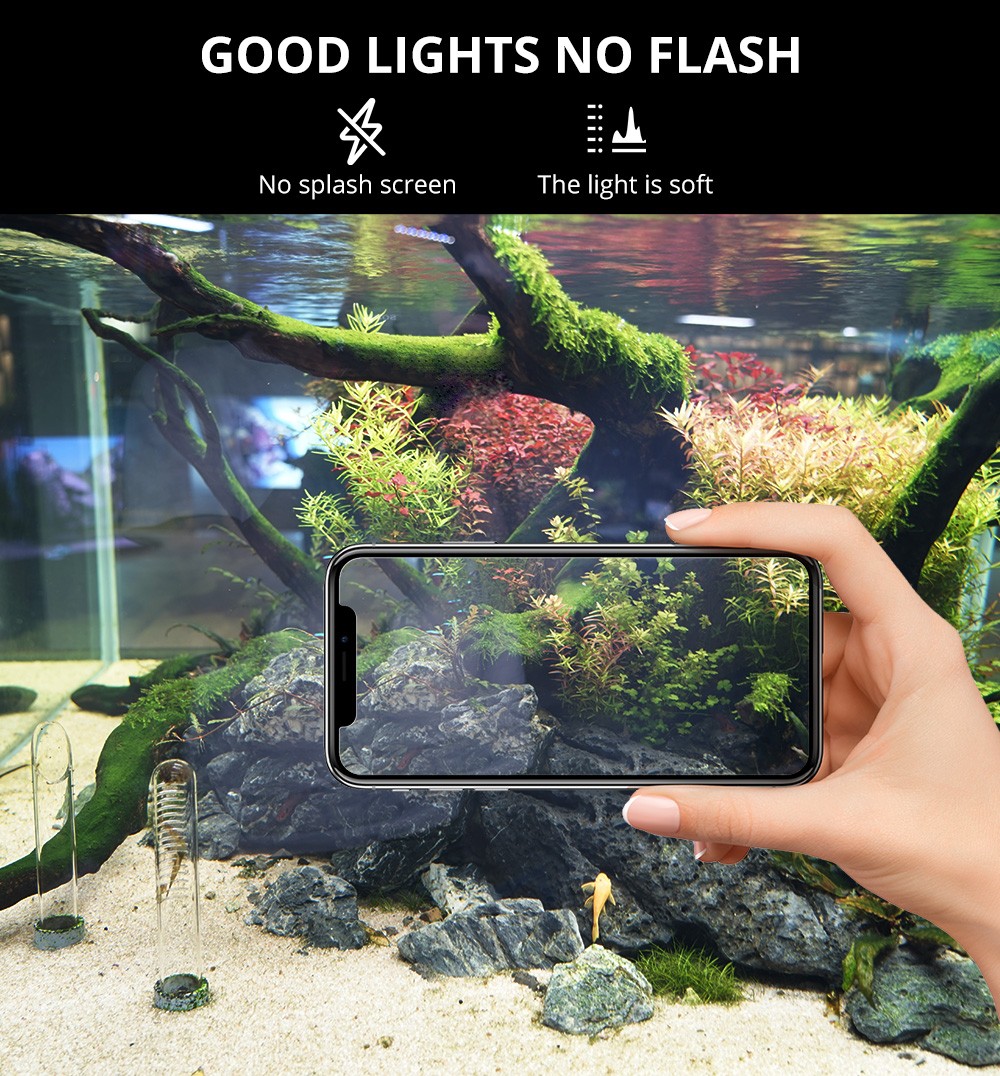
Credit: www.spectra-aquarium.com
Lighting Duration And Cycles
Lighting duration and cycles play a key role in the health of tropical fish. Proper light timing helps fish maintain natural behaviors. It also supports plant growth and aquarium balance.
Setting the right lighting schedule mimics the fish’s natural environment. This keeps them active and reduces stress. Let’s explore how to manage lighting for tropical fish tanks.
Optimal Photoperiods For Tropical Fish
Tropical fish need a balanced light period to stay healthy. Too much or too little light can harm their well-being. Most tropical fish do best with a daily light cycle between 8 and 12 hours.
- 8 to 10 hours of light for low-light species
- 10 to 12 hours for active or brightly colored fish
- Consistent timing each day supports natural rhythms
- Use a timer to keep light cycles steady
Simulating Natural Daylight
Natural daylight changes throughout the day and seasons. Simulating these changes helps fish adapt and behave normally. Gradual light changes in the morning and evening reduce stress.
| Time of Day | Lighting Effect |
|---|---|
| Morning | Light slowly brightens over 30 minutes |
| Daytime | Full brightness for 8-10 hours |
| Evening | Light dims gradually over 30 minutes |
| Night | Complete darkness for rest |
Preventing Algae Growth
Too much light causes algae to grow quickly. Controlling light duration helps limit algae problems. Keeping light cycles consistent and not too long is key.
- Limit lighting to 8-10 hours daily
- Avoid direct sunlight on the tank
- Use a timer to prevent extra light exposure
- Clean the tank regularly to remove algae spots
Led Vs Fluorescent Lighting
Choosing the right lighting for tropical fish is important. LED and fluorescent lights are popular options.
Each type of lighting has its own benefits. Understanding them helps in making the right choice.
Energy Efficiency And Lifespan
LED lights are more energy-efficient than fluorescent lights. They last longer too, which means fewer replacements.
| Type | Energy Use | Lifespan (hours) |
| LED | Lower | 50,000 |
| Fluorescent | Higher | 15,000 |
Spectrum Control And Customization
LED lights offer better control over the light spectrum. This helps in creating the perfect environment for fish.
- Adjustable color settings
- Customizable light intensity
- Programmable light cycles
Cost And Maintenance
Initial costs for LED lights can be higher, but they save money over time. Fluorescent lights may need frequent replacements.
Setting Up Your Aquarium Lights
Proper lighting helps your tropical fish and plants thrive. It also shows off their bright colors. Setting up your aquarium lights takes some planning.
You need to think about light placement, types of bulbs, and timing. This guide covers key steps to set up your aquarium lighting well.
Positioning For Even Coverage
Place lights so the whole tank gets equal brightness. Avoid dark spots where plants or fish may not get enough light.
Use these tips for even light coverage:
- Center lights over the aquarium for balance.
- Use reflectors to spread light wider.
- Adjust the height of the lights to cover the entire tank.
- Check for shadows and move lights if needed.
Combining Multiple Light Sources
Use more than one type of light to meet fish and plant needs. Different bulbs offer various colors and intensities.
| Light Type | Purpose | Best Use |
| LED | Energy efficient, long-lasting | General lighting and color enhancement |
| Fluorescent | Good for plant growth | Freshwater planted tanks |
| Incandescent | Cheap but less efficient | Short-term or low light needs |
Using Timers And Automation
Automate your aquarium lights with timers. This keeps a steady day and night cycle for your fish.
- Set lights to turn on in the morning and off at night.
- Use a timer that fits your fish species’ natural light needs.
- Adjust the timing as seasons change to mimic natural light.
- Check timers regularly to make sure they work correctly.
Common Lighting Mistakes
Lighting plays a big role in keeping tropical fish healthy. Many people make simple mistakes with light. These errors can harm fish and plants.
Understanding common lighting mistakes helps you create a better tank. Avoid these errors to keep your aquarium balanced and bright.
Overexposure And Stress
Too much light can cause stress in tropical fish. It makes them hide or become restless. Overexposure also encourages algae growth.
Fish need a day and night cycle. Constant bright light disrupts their natural rhythm. This stress can lead to illness and poor color.
- Use a timer to limit light hours to 8-10 per day
- Choose light intensity that fits your fish species
- Reduce direct sunlight on the tank
Inconsistent Lighting Patterns
Turning lights on and off at random times confuses fish. They rely on consistent light schedules for behavior and feeding.
Inconsistent lighting can cause stress and irregular activity. Plants may also suffer without a stable light cycle.
- Set a timer for daily light periods
- Keep lighting hours the same every day
- Avoid sudden changes in brightness
Ignoring Plant And Fish Needs
Each fish and plant has specific light needs. Using the wrong light can harm growth and health. Some plants need more light than fish.
Ignoring these needs can lead to poor plant growth or stressed fish. Balance the light spectrum for both plants and animals.
| Light Feature | Fish Needs | Plant Needs |
|---|---|---|
| Spectrum | Moderate blue and red | Strong red and blue |
| Intensity | Low to medium | Medium to high |
| Duration | 8-10 hours | 10-12 hours |
Advanced Lighting Techniques
Lighting is important for tropical fish and their environment. It affects their growth and behavior. Understanding advanced lighting helps create a better aquarium.
Different lighting types serve different purposes. Each type has unique benefits for corals, plants, and fish.
Actinic Lighting For Coral And Plants
Actinic lighting has blue wavelengths. It supports coral and plant photosynthesis. This light mimics deep ocean conditions.
These lights enhance the colors of your aquarium. They make corals and plants look vivid and healthy.
- Promotes coral growth
- Enhances plant photosynthesis
- Improves color vibrancy
Moonlight Effects For Nocturnal Behavior
Moonlight effects mimic natural night lighting. They help fish maintain normal nocturnal behaviors. This gentle lighting helps fish feel secure.
These effects also allow you to observe nighttime activities. Fish often exhibit different behaviors under moonlight.
- Supports nocturnal activities
- Creates natural night setting
- Reduces fish stress at night
Dynamic Lighting Systems
Dynamic lighting systems change intensity and color throughout the day. They simulate natural sunlight patterns. These systems enhance fish well-being.
They provide a realistic environment for fish and plants. Dynamic systems adjust automatically to mimic sunrise and sunset.
| Feature | Benefit |
| Automatic adjustment | Simulates natural daylight |
| Color variation | Enhances aquarium aesthetics |
| Intensity change | Matches natural light cycles |
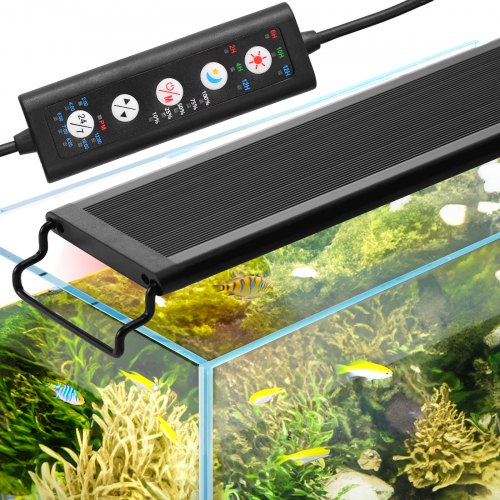
Credit: www.vevor.ca
Frequently Asked Questions
What Is The Ideal Light Spectrum For Tropical Fish?
The ideal light spectrum for tropical fish includes full-spectrum light with balanced blue and white wavelengths. This mimics natural sunlight and enhances fish colors. Proper light supports fish health and plant growth in aquariums.
How Does Light Spectrum Affect Tropical Fish Colors?
Light spectrum affects tropical fish colors by enhancing their natural pigmentation. Blue and white light highlight vibrant hues, making fish appear more colorful and lively. Proper lighting prevents dullness and stress in fish.
Can Wrong Light Spectrum Harm Tropical Fish?
Yes, the wrong light spectrum can stress tropical fish and disrupt their natural behavior. It may cause color fading and weaken the immune system. Using suitable full-spectrum lighting ensures a healthy and vibrant aquarium environment.
Why Is Blue Light Important For Tropical Fish?
Blue light penetrates water well and simulates natural underwater conditions. It enhances fish colors and promotes calm behavior. Blue wavelengths are essential for creating a balanced and natural aquarium environment.
Conclusion
Choosing the right light spectrum helps tropical fish stay healthy and bright. Fish need light that mimics their natural habitat. This light supports their colors and behavior. Proper lighting also aids plant growth in the aquarium. Bright, balanced light keeps the tank lively and attractive.
Remember to adjust light duration and intensity for best results. Light affects fish mood and activity. A well-lit tank makes watching fish more fun. Keep lighting simple and natural for happy tropical fish. Your fish will thank you with vibrant colors and energy.