
If you want your ornamental fish to thrive and show their true colors, the way you position light in their tank matters more than you might think. Proper light placement can boost their health, enhance their natural beauty, and even reduce stress.
But how do you find the perfect spot for your aquarium lighting? You’ll discover simple, effective tips to set up your light just right—making your fish look stunning and your tank a captivating centerpiece. Keep reading to transform your aquarium into a vibrant underwater world.
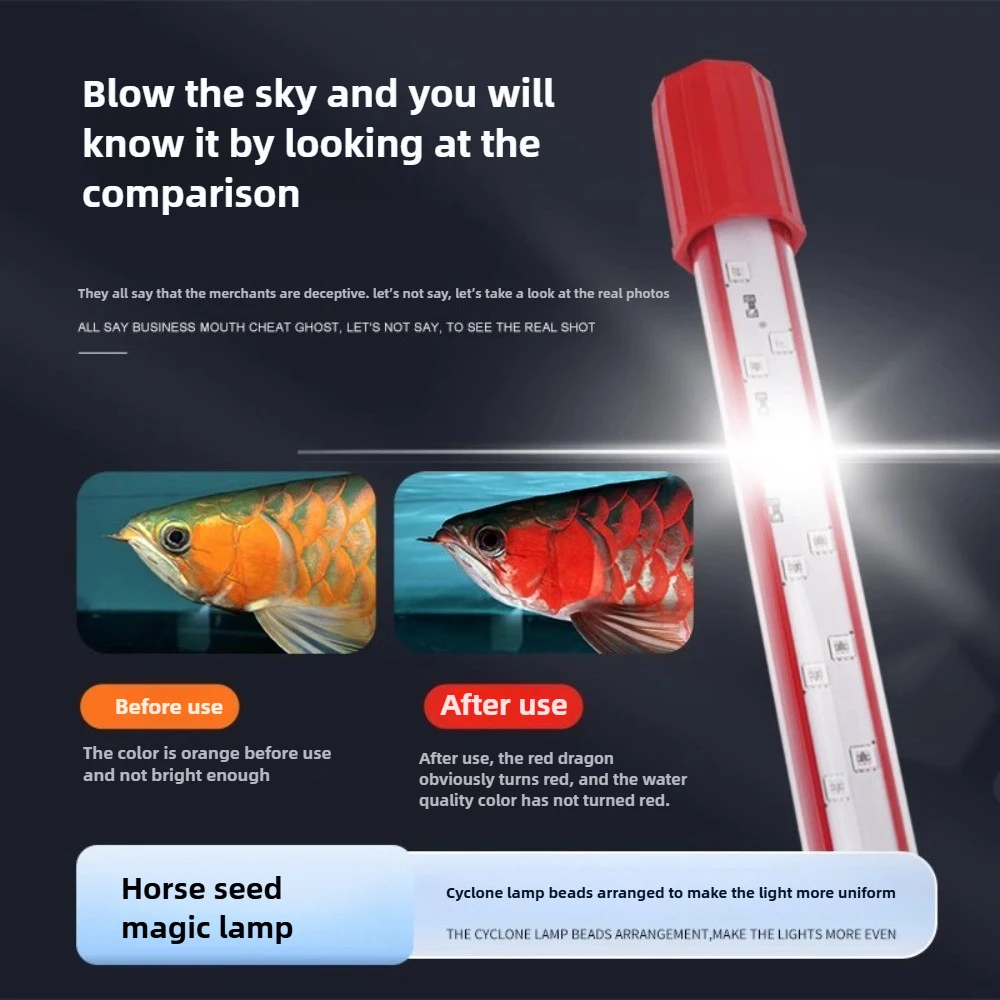
Credit: www.aliexpress.com
Choosing The Right Light
Lighting is important for ornamental fish tanks. It helps fish look healthy and shows their true colors.
Picking the right light means thinking about the type, color, and brightness of the light.
Types Of Aquarium Lights
Aquarium lights come in different types. The main ones are LED, fluorescent, and incandescent.
LED lights use less energy and last longer. Fluorescent lights are bright but use more power. Incandescent lights are less common now.
- LED lights: energy-efficient and long-lasting
- Fluorescent lights: bright but consume more power
- Incandescent lights: rarely used today
Light Spectrum And Fish Colors
Fish colors look best under specific light spectrums. Different lights show colors differently.
Blue and white light helps bring out bright colors. Red light can make fish colors look dull.
- Blue light enhances bright colors
- White light shows natural colors
- Red light may dull fish colors
Led Vs Fluorescent Options
LED and fluorescent lights are popular for fish tanks. Each has good and bad points.
LED lights save energy and last longer. Fluorescent lights cost less at first but use more power.
| Feature | LED Lights | Fluorescent Lights |
|---|---|---|
| Energy Use | Low | High |
| Life Span | Long | Shorter |
| Cost | Higher initial cost | Lower initial cost |
| Light Quality | Bright and adjustable | Good but less flexible |

Credit: www.reddit.com
Optimal Light Placement
Good light placement helps ornamental fish look their best. It also keeps the tank healthy and clear.
Choosing where to place lights affects fish color and plant growth. It also controls tank shadows and glare.
Top Lighting Techniques
Top lighting is the most common light position. It shines directly down on the aquarium.
This lighting helps plants grow and shows fish colors well. It also mimics natural sunlight.
- Use LED or fluorescent lights above the tank
- Keep lights evenly spaced for full coverage
- Adjust brightness to avoid stressing fish
Side And Bottom Lighting Effects
Side lighting adds depth and highlights fish shapes. It creates soft shadows inside the tank.
Bottom lighting is rare but can brighten plants from below. It gives a unique look but may stress some fish.
- Side lights can be placed on tank edges
- Use bottom lights carefully to avoid fish stress
- Mix side and top lighting for a natural feel
Avoiding Shadows And Glare
Shadows and glare make it hard to see fish clearly. They can also frighten fish and plants.
Place lights at angles to reduce harsh shadows. Use diffusers or covers to soften bright spots.
- Angle lights to spread light evenly
- Use frosted covers or diffusers on lights
- Keep tank glass clean to reduce glare
Light Intensity And Duration
Proper lighting is important for ornamental fish health. Both light intensity and duration affect their behavior and well-being.
Too little or too much light can stress fish. Understanding how to position light helps create a healthy environment.
Balancing Brightness For Fish Health
Fish need light that is bright enough to see but not too strong. Bright light helps fish stay active and healthy.
Too much brightness can cause stress and hide fish. Dim or moderate light levels work best for most ornamental fish.
- Use adjustable lights to control brightness
- Place lights at a distance to reduce intensity
- Observe fish behavior to find the right level
Setting Timers For Consistent Cycles
Fish need a regular light schedule to keep their natural rhythms. Timers help provide consistent light and dark periods.
Set lights for about 8 to 12 hours a day. This mimics natural daylight and supports fish health and plant growth.
- Use timers to turn lights on and off automatically
- Keep the same schedule every day
- Adjust timing based on fish species needs
Impact Of Overlighting
Overlighting can harm fish by causing stress and weak immunity. It may also promote algae growth in the tank.
Too much light can make fish hide or become inactive. Reducing light duration or intensity helps prevent these problems.
- Limit light to 8-12 hours daily
- Use dimmers or shade to lower brightness
- Watch for signs of stress in fish behavior
Enhancing Plant Growth
Lighting plays a big role in growing healthy aquatic plants. Proper light helps plants make food and grow strong.
Choosing the right light position supports plant health and keeps your aquarium balanced.
Light Needs For Aquatic Plants
Aquatic plants need light to perform photosynthesis. Light intensity and duration affect their growth.
Most aquarium plants require moderate to high light levels. Some plants do well with low light.
- Low light plants need 6-8 hours of light daily
- Medium light plants need 8-10 hours of light daily
- High light plants need 10-12 hours of light daily
Positioning Lights For Plants
Place lights directly above the plants for best results. This allows even light coverage.
Keep the light close but not too near to avoid heat damage. Adjust height as plants grow.
- Use adjustable light fixtures for flexibility
- Angle lights to cover all plant areas
- Avoid shadows by spacing plants evenly
Combining Plant And Fish Lighting
Fish and plants have different light needs. Find a balance that works for both.
Use timers to mimic natural day and night cycles. This keeps fish calm and plants healthy.
- Choose full spectrum lights to support plants and show fish colors
- Limit bright light periods to avoid stressing fish
- Use dimmer lights or shaded areas for fish hiding spots
Creating Natural Ambiance
Light plays a key role in making an ornamental fish tank look natural. Correct light positioning helps fish feel safe and calm.
Setting the right ambiance can show off your tank and make it a relaxing spot in your home.
Simulating Day And Night
Fish need a day and night cycle to stay healthy. Light timers can help create this natural rhythm. Bright light during the day and dim light at night work best.
- Set bright light for about 10 to 12 hours a day
- Use dim or no light for 12 to 14 hours at night
- Use a timer to keep the cycle consistent
Using Colored Lights For Effect
Colored lights can enhance the look of your tank and highlight your fish’s colors. Blue lights create a calm mood, while red lights add warmth.
Tip:Use LED lights with adjustable colors for easy changes.
Highlighting Tank Decor
Good lighting can show off decorations like rocks and plants. Position lights to create shadows and depth, making the tank look bigger and more natural.
| Decor Type | Best Lighting Angle | Effect |
|---|---|---|
| Plants | Top light | Bright, healthy look |
| Rocks | Side light | Strong shadows and texture |
| Backgrounds | Back light | Depth and contrast |
Troubleshooting Lighting Issues
Proper lighting is crucial for ornamental fish health. Poor lighting can lead to stress and disease. Learn how to fix common lighting problems in your fish tank.
Identifying and solving lighting issues ensures a healthy environment. Fish need stable light to thrive. Let’s explore how to manage and correct lighting troubles.
Identifying Light Stress In Fish
Light stress affects fish health and behavior. Watch for signs like erratic swimming or hiding. Fish may lose color or stop eating if stressed by light.
Too much or too little light can harm fish. Check light settings regularly. Ensure the duration and intensity are suitable for your fish species.
- Erratic swimming patterns
- Hiding for long periods
- Loss of color
- Reduced appetite
Fixing Uneven Illumination
Uneven light can lead to algae growth and stressed fish. Ensure your tank has even light distribution. Use reflectors or adjust the light position.
Adjust light fixtures to cover the whole tank. Test different placements to find the best setup. Balance light across the tank to support plant and fish health.
- Use reflectors for even spread
- Reposition lights for uniformity
- Test light intensity and position
Maintaining Equipment
Regular maintenance keeps your lighting system effective. Check bulbs and fixtures for damage. Replace faulty parts to maintain optimal performance.
Clean lighting equipment to prevent dirt buildup. Schedule routine checks to ensure everything works correctly. Proper care extends the life of your lighting system.
- Check and replace bulbs
- Clean reflectors and fixtures
- Perform routine equipment checks
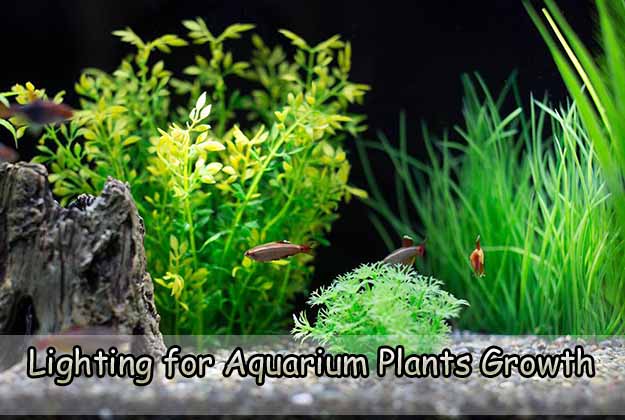
Credit: www.hygger-online.com
Frequently Asked Questions
How Does Light Position Affect Ornamental Fish Behavior?
Light position influences fish activity and stress levels. Proper lighting mimics natural habitats, encouraging natural behavior. Incorrect placement can cause stress or hiding. Position lights to avoid glare and harsh shadows for healthier fish.
What Is The Best Light Angle For Ornamental Fish Tanks?
A 45-degree angle is ideal for light placement. It reduces glare and evenly distributes light. This angle supports plant growth and enhances fish colors. Avoid direct overhead lights that can cause overheating or stress.
Can Improper Light Positioning Harm Ornamental Fish Health?
Yes, improper lighting can cause stress and illness. Too much light leads to algae growth and eye damage. Too little light affects fish mood and plant health. Proper positioning balances light intensity and duration.
How Far Should Lights Be From Ornamental Fish Tanks?
Lights should be 12 to 18 inches above the tank. This distance prevents overheating and ensures even light spread. Adjust height based on light intensity and tank size for optimal results.
Conclusion
Proper light positioning helps your ornamental fish stay healthy and bright. It supports their natural colors and behavior. Avoid placing lights too close or too far from the tank. Use timers to keep a consistent day and night cycle. This balance reduces fish stress and keeps plants growing well.
Small changes can make a big difference in your aquarium’s look. Remember, clear water and good light create a happy home for your fish. Keep experimenting to find the best light setup for your tank.