
Summer is here, and with it comes the challenge of keeping your home cool without skyrocketing your energy bills. You might be feeling the heat more than usual, or maybe your cooling system isn’t working as efficiently as it should.
What if small, smart changes could make a big difference in your comfort and savings? You’ll discover simple summer cooling adjustments that anyone can make. These tips are designed to help you beat the heat, stay comfortable, and keep your wallet happy.
Ready to transform your home into a cool retreat? Let’s dive in!
Credit: www.reliablecomfort.com
Optimize Air Conditioning
Summer heat can make your home uncomfortable. Using your air conditioner smartly saves energy and keeps you cool.
Small changes in how you use your AC help lower bills and extend its life.
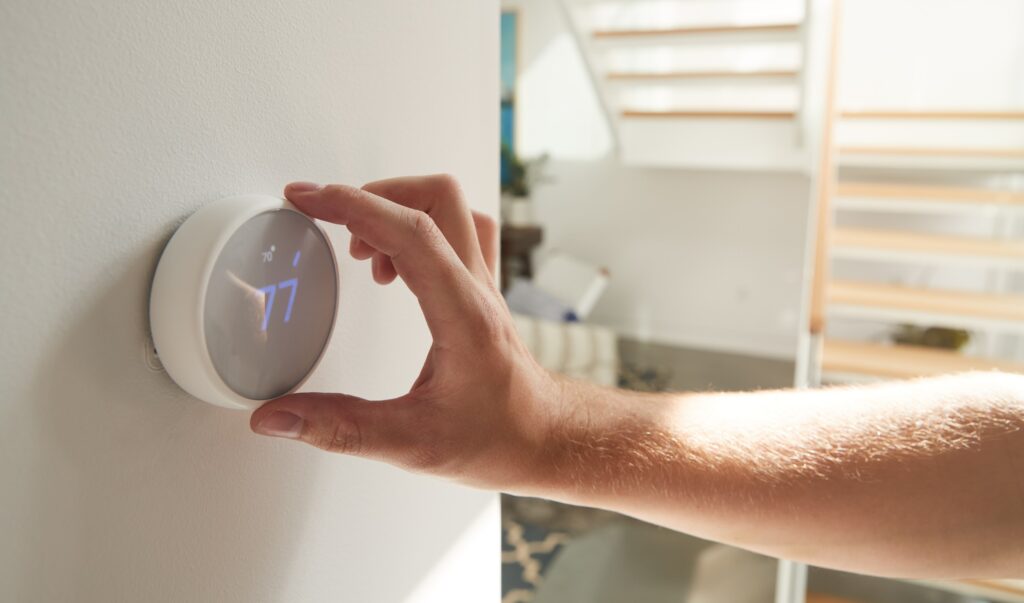
Set Efficient Thermostat Levels
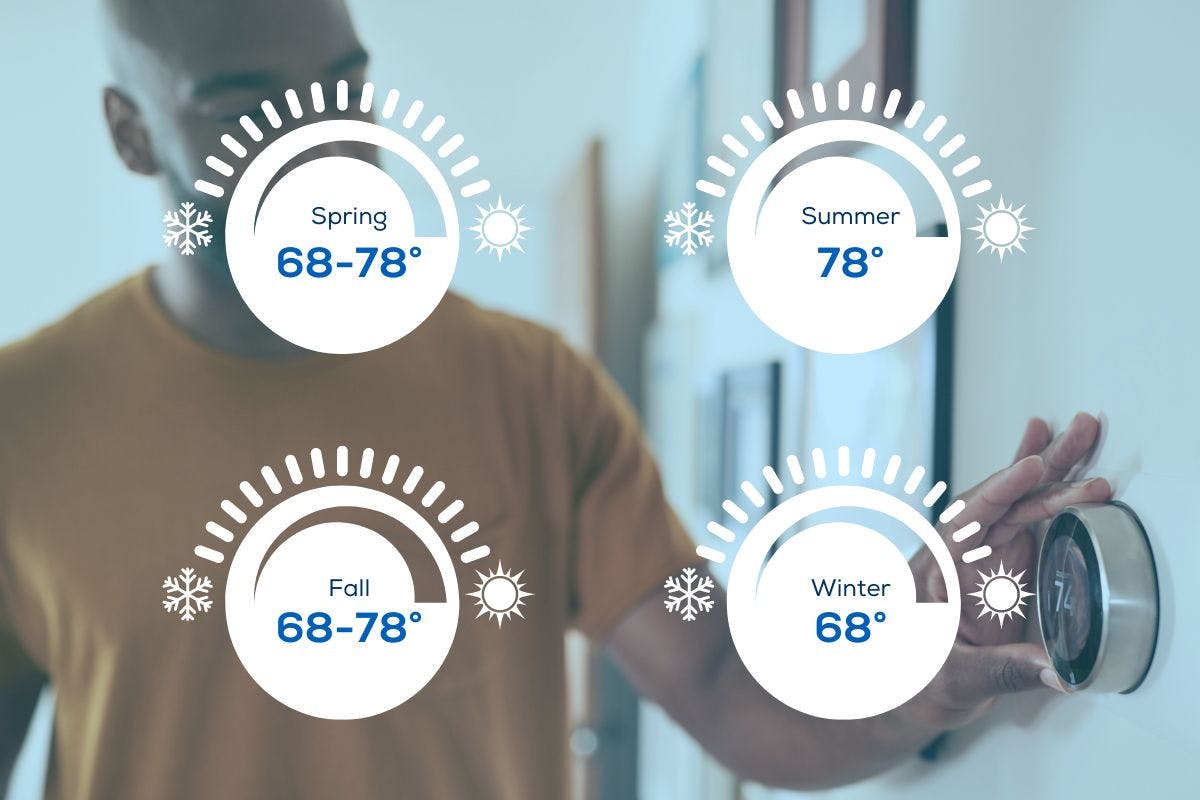
Set your thermostat to a temperature that balances comfort and energy use. Too cold wastes power.
- Keep thermostat at 78°F (26°C) when home and active
- Raise temperature 5-8 degrees when away
- Use a programmable thermostat to adjust automatically
- Avoid frequent changes to prevent extra work for the AC
Maintain Your Ac Unit
Regular care helps your AC run smoothly and last longer. Clean and check it often.
| Maintenance Task | How Often | Why It Helps |
| Clean or replace air filters | Every 1-3 months | Improves airflow and air quality |
| Clear debris around unit | Monthly | Prevents blockages and damage |
| Check coolant levels | Yearly | Keeps cooling efficiency high |
| Schedule professional tune-up | Annually | Detects issues early and saves energy |
Use Fans To Circulate Air
Fans help spread cool air inside your home. They use less energy than AC units.
Try these tips:
- Use ceiling fans to push cool air down
- Place portable fans near windows at night to bring in cool air
- Turn fans off when rooms are empty

Credit: www.phgmag.com
Smart Window Management
Managing windows smartly helps keep your home cool in summer. It lowers indoor heat and saves energy on air conditioning.
Simple actions like closing blinds and using window films can reduce heat gain. Proper ventilation also plays a key role.
Close Blinds During Peak Heat
Close blinds or curtains in the afternoon when the sun is strongest. This blocks direct sunlight and heat from entering rooms.
- Use blackout blinds for better heat blocking.
- Close blinds on south and west-facing windows.
- Keep blinds closed until the sun moves away.
Use Reflective Window Films
Reflective window films reduce heat by reflecting sunlight. They also protect furniture from fading.
| Benefit | Description |
| Heat Reduction | Blocks up to 70% of solar heat |
| UV Protection | Filters harmful ultraviolet rays |
| Energy Savings | Reduces air conditioner use |
Ventilate During Cooler Hours
Open windows early morning and late evening to cool your home. This helps remove hot air that builds up inside.
Follow this simple ventilation routine:
- Open windows before sunrise.
- Close windows when outside temperature rises.
- Use fans to improve air flow if needed.
Adjust Your Lighting
Lighting plays a big role in keeping your home cool during summer. Proper lighting can reduce heat inside your rooms.
Making simple changes to your lighting can lower energy use and keep your space comfortable.
Switch To Led Bulbs
LED bulbs use less energy than traditional bulbs. They also produce less heat, which helps cool your home.
LEDs last longer and save money on electricity bills.
Turn Off Unnecessary Lights
Lights add heat to your rooms. Turn off lights when you do not need them. This keeps rooms cooler.
Use timers or motion sensors to control lights automatically. This saves energy and reduces heat build-up.
Use Natural Light Strategically
Natural light brightens rooms without heat from bulbs. Open curtains during the day to use sunlight.
Close blinds or curtains in the afternoon to block direct sun and keep rooms cool.
- Use light-colored curtains to reflect heat
- Place mirrors to spread natural light
- Avoid dark window treatments that trap heat
Modify Your Daily Routine
Summer heat can make daily activities hard. Changing your routine helps you stay cool and healthy.
Simple habits can reduce heat stress and keep your energy up during hot days.
Stay Hydrated And Wear Light Clothing
Drink plenty of water to replace fluids lost from sweating. Wear clothes that let your skin breathe.
- Carry a water bottle with you all day
- Choose loose, light-colored clothes
- Wear hats and sunglasses for sun protection
- Avoid heavy fabrics like wool or polyester
Limit Physical Activity In Heat
Heat makes your body work harder. Cut back on exercise and chores during hot hours.
| Time of Day | Activity Advice |
| Before 10 AM | Good time for outdoor tasks |
| 10 AM – 4 PM | Rest indoors or do light work |
| After 4 PM | Safe for walking or light exercise |
Take Cool Showers
Cool showers lower your body temperature quickly. They refresh your skin and help you feel better.
Try these tips for cool showers:
- Use lukewarm or cool water, not cold
- Shower in the morning or evening
- Pat your skin dry, don’t rub
- Drink water after your shower
Enhance Home Insulation
Keeping your home cool in summer saves energy and money. Good insulation helps keep hot air out and cool air in.
Simple changes around your home can improve insulation and lower your cooling needs.
Seal Air Leaks
Check for gaps around windows, doors, and vents. These leaks let warm air enter your home.
- Use caulk or foam sealant to close small cracks.
- Install door sweeps to block air under doors.
- Seal gaps around pipes and electrical outlets.
Add Weather Stripping
Weather stripping stops air from escaping through doors and windows. It is easy to install and cost-effective.
| Type | Best Use | Material |
| V-strip | Window sashes | Plastic or metal |
| Foam tape | Door gaps | Spongy foam |
| Rubber gasket | Windows and doors | Rubber |
Use Insulated Curtains
Insulated curtains reduce heat gain from sunlight. They keep rooms cooler and lower energy bills.
Tips for using insulated curtains:
- Close curtains during the hottest part of the day.
- Choose curtains with thermal lining for better insulation.
- Ensure curtains cover windows completely without gaps.
Create Outdoor Shade
Summer heat can be intense. Creating shade outdoors helps cool your surroundings.
Shade reduces sun exposure and keeps areas cooler naturally.
Install Awnings Or Pergolas
Awnings and pergolas provide excellent shade. They are structures that block direct sunlight.
- Choose retractable awnings for flexibility
- Consider pergolas with climbing plants
- Select durable materials for long-lasting use
Plant Trees Strategically
Trees are natural shade providers. They also add beauty and improve air quality.
| Tree Type | Ideal Planting Spot |
| Oak | Near patios |
| Maple | Along driveways |
| Willow | By water features |
Use Outdoor Fans
Fans circulate air, making outdoor spaces feel cooler. They can be used in shaded areas for extra comfort.
Utilize Cooling Devices
Summer heat can make daily life uncomfortable. Using the right cooling devices helps keep you cool.
These devices lower the temperature around you. They make hot days easier to handle.
Try Evaporative Coolers
Evaporative coolers use water to cool the air. They work best in dry climates with low humidity.
These coolers pull warm air through wet pads. The air cools as water evaporates and flows into the room.
- Use in open or well-ventilated spaces
- Energy efficient and eco-friendly
- Keep water pads clean for best cooling
Use Portable Air Conditioners
Portable air conditioners cool small areas quickly. You can move them from room to room.
They remove heat and humidity from the air. Portable units need a window or vent for hot air to escape.
- Easy to set up and use
- Good for rooms without central AC
- Regularly clean filters for efficiency
Apply Cooling Towels
Cooling towels help lower your body temperature. They are lightweight and easy to carry.
Wet the towel with cold water and snap it to activate cooling. Place it on your neck or forehead to feel cooler.
- Reusable and portable
- Works well during outdoor activities
- Stay cool without electricity
Credit: palmetto.com
Frequently Asked Questions
How Can I Optimize My Ac For Summer Cooling?
Clean or replace AC filters monthly to improve airflow. Set your thermostat to 78°F for efficient cooling. Use ceiling fans to circulate air and reduce AC workload.
What Are Effective Ways To Reduce Indoor Heat?
Close blinds during peak sunlight hours to block heat. Use energy-efficient window films or shades. Seal gaps around doors and windows to prevent hot air entry.
When Should I Schedule Professional Ac Maintenance?
Schedule AC maintenance in early spring or before summer starts. Regular check-ups ensure efficient performance and prevent costly breakdowns during peak heat.
How Do Ceiling Fans Enhance Summer Cooling?
Ceiling fans create a wind-chill effect, making you feel cooler. They use less energy than AC units and help distribute cooled air evenly.
Conclusion
Summer cooling adjustments help keep your home comfortable and energy efficient. Small changes can lower your electricity bills and reduce wear on your AC. Set your thermostat wisely and use fans to spread cool air. Close curtains during the hottest hours to block sunlight.
Remember to clean or replace filters regularly for better airflow. These simple steps make your summer cooler and your home fresher. Stay cool without spending too much or wasting energy. A few easy habits make a big difference in summer comfort.