
If you want your tiny fry to grow into healthy fish, you need the right setup from the start. An aquarium cabinet designed for fry survival can make all the difference.
You might already know that fry are fragile and need extra care, but did you realize how much a well-built cabinet can protect them? You’ll discover simple yet powerful ways to boost your fry’s chances of survival. Keep reading to learn how the right aquarium cabinet can become your secret weapon for raising strong, thriving fish.
Choosing The Right Aquarium Cabinet
Choosing the right cabinet for your fry tank helps keep baby fish safe. A good cabinet supports the tank’s weight and fits your space well.
It also makes it easier to care for the fry. Think about materials, size, and design when picking your cabinet.
Material Options And Durability
Cabinets come in many materials. Wood and metal are common choices. Each has strong and weak points.
Wood cabinets look nice but may get damaged by water. Metal cabinets last long and resist water well but can rust if not treated.
- Wood: Attractive, can absorb moisture, may warp
- Metal: Strong, water-resistant, can rust without coating
- Plastic: Light, water-proof, less sturdy for heavy tanks
- MDF: Affordable, smooth finish, not water-resistant
Size Considerations For Fry Tanks
Your cabinet should match the size of your fry tank. It must hold the tank’s weight safely. A small cabinet may tip over easily.
Also, think about future needs. A cabinet that fits a bigger tank can be useful if you upgrade later.
- Measure tank width, depth, and height
- Check weight capacity of the cabinet
- Leave space for equipment and water changes
- Pick a cabinet that fits your room size
Design Features For Accessibility
Good cabinet design helps you care for your fry easily. Cabinets with open shelves or doors give quick access to the tank.
Look for features like adjustable shelves, ventilation, and space for storing fry food or tools.
- Doors or panels that open wide
- Ventilation to prevent moisture build-up
- Storage space for fry care tools
- Sturdy surface for tank stability
Credit: www.dhgate.com
Setting Up The Cabinet For Fry Safety
Protecting fry is important for their growth and survival. Setting up the aquarium cabinet right can help keep them safe.
This guide covers how to place the cabinet, secure it, and organize supplies for fry safety.
Optimal Placement In The Room
Place the cabinet away from direct sunlight to avoid temperature swings. Choose a quiet spot to reduce stress for the fry.
Keep the cabinet on a flat, stable surface. Avoid areas near windows, heaters, or air conditioners.
Securing The Cabinet Against Hazards
Make sure the cabinet is steady and cannot tip over easily. Lock or secure doors and lids to keep fry safe from pets or children.
- Check that the cabinet legs are stable and level.
- Use wall anchors if the cabinet is tall or heavy.
- Keep electrical cords out of reach to avoid accidents.
- Ensure lids fit tightly to prevent fry from jumping out.
- Place barriers if other pets roam near the cabinet.
Organizing Equipment And Supplies
Keep all necessary tools and supplies close to the cabinet. Organizing helps with quick care and reduces risks.
| Item | Purpose | Storage Tip |
| Net | Move fry safely | Hang on side hooks |
| Water Test Kits | Check water quality | Store in labeled box |
| Feeding Tools | Feed fry precisely | Keep in small containers |
| Cleaning Supplies | Maintain tank hygiene | Store under cabinet |
| Heating Equipment | Maintain temperature | Secure cables neatly |
Essential Equipment For Fry Growth
Raising fry in an aquarium cabinet needs the right tools. Good equipment helps fry survive and grow strong.
This guide covers key gear to keep your fry healthy. Focus on filtration, lighting, and heating for best results.
Filtration Systems Suitable For Fry
Fry need clean water without strong currents. Use gentle filters that remove waste safely. Sponge filters are a great choice. They provide good water flow and protect tiny fry from harm.
- Sponge filters: soft and safe for fry
- Hang-on-back filters with adjustable flow
- Internal filters with gentle water movement
- Regular cleaning to avoid waste build-up
Lighting To Support Healthy Development
Proper lighting helps fry see food and stay active. Use lights that mimic natural daylight. Avoid bright or flashing lights that stress the fry.
| Light Type | Recommended Duration | Notes |
| LED daylight bulbs | 8 to 10 hours daily | Energy efficient and cool |
| Fluorescent tubes | 8 to 10 hours daily | Even light spread |
| Incandescent bulbs | Not recommended | Can cause overheating |
Heating And Temperature Control
Keep water temperature steady for fry health. Most fry need 75°F to 80°F. Use a reliable heater with a thermostat. Avoid sudden temperature changes that cause stress.
- Choose heaters sized for your tank
- Use a thermometer to monitor water
- Place heater where water flows evenly
- Set thermostat to keep stable temperature

Credit: www.pond-planet.co.uk
Maintaining Water Quality
Good water quality is key for fry survival in an aquarium cabinet. Clean water helps young fish grow strong and healthy.
Keeping water stable prevents stress and disease in fry. Use simple habits to maintain a safe environment.
Regular Water Changes And Monitoring
Change water regularly to remove waste and toxins. Test water often to catch any problems early.
- Replace 10-20% of water weekly
- Use a water testing kit to check pH and hardness
- Observe fry behavior for signs of stress
- Clean filter media carefully without removing all bacteria
Managing Ammonia And Nitrate Levels
Ammonia and nitrate can harm fry. Keep these levels low to avoid poisoning.
| Substance | Safe Level |
| Ammonia | 0 ppm |
| Nitrite | 0 ppm |
| Nitrate | Less than 20 ppm |
Use biological filtration to convert ammonia to less harmful substances. Remove uneaten food and waste quickly.
Using Safe Water Treatments
Treat tap water before adding it to the tank. This protects fry from chlorine and other chemicals.
- Use water conditioners to remove chlorine and chloramine
- Avoid treatments with copper or harmful chemicals
- Check instructions for safe doses
- Let treated water reach tank temperature before adding
Feeding Strategies For Fry
Feeding fry correctly helps them grow strong and healthy. Proper food and feeding times are key to their survival.
This guide covers the best foods, feeding schedules, and tips to avoid common feeding problems.
Types Of Food For Different Growth Stages
Fry need different foods as they grow. Young fry eat tiny particles, while older fry can eat larger foods.
- Newly hatched fry: Infusoria or liquid fry food
- 1 to 2 weeks old: Baby brine shrimp or crushed flakes
- 3 weeks and older: Small pellets or finely chopped foods
Feeding Frequency And Portions
Feed fry small amounts often. Too little food slows growth, but too much can pollute water.
| Age of Fry | Feeding Times per Day | Portion Size |
| 0-1 week | 4 to 6 | Very small, enough for 5 minutes |
| 1-3 weeks | 3 to 4 | Small, enough for 5-10 minutes |
| 3+ weeks | 2 to 3 | Moderate, enough for 10 minutes |
Avoiding Overfeeding And Waste
Overfeeding causes waste and harms fry health. Remove uneaten food quickly to keep water clean.
Tips to avoid overfeeding:
- Feed small amounts that fry can eat in 5-10 minutes.
- Watch fry to see if they finish their food each time.
- Use a siphon to clean leftover food and debris regularly.
- Adjust feeding if water becomes cloudy or smells bad.

Credit: www.pond-planet.co.uk
Preventing Predation And Stress
Keeping fry safe and calm is key to their survival. Predation and stress cause many losses in young fish. Using the right aquarium cabinet setup helps protect fry from harm.
This guide covers ways to stop adult fish from eating fry. It also shows how to create hiding spaces and reduce disturbances in the tank.
Separating Fry From Adult Fish
Adult fish often see fry as food. Separating them lowers the risk of predation and stress. Use physical barriers or separate tanks to keep them apart.
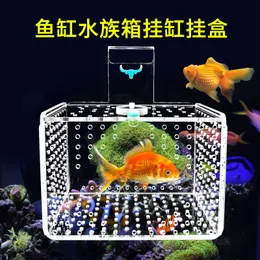
- Use breeding boxes or nets inside the main tank
- Place fry in a separate nursery tank
- Keep adults in their own tank to avoid accidental harm
- Ensure water conditions match in both areas to keep fry healthy
Creating Hiding Spaces
Fry need places to hide from predators and feel safe. Plants, decorations, and shelters reduce stress and protect them.
| Hiding Spot | Benefits |
| Live Plants | Offer cover and improve water quality |
| Small Caves | Provide dark safe areas to retreat |
| Floating Moss | Creates shade and hiding spots near the surface |
| Leaf Litter | Mimics natural environment and offers shelter |
Minimizing Disturbances
Stress harms fry growth and survival. Keep the environment calm by limiting noise and sudden movements near the tank.
- Place the aquarium in a quiet room away from heavy traffic
- Avoid tapping on the glass or sudden light changes
- Feed fry gently and on a regular schedule
- Keep water clean and stable to prevent stress
Monitoring Fry Development
Keeping track of your fish fry is crucial for their survival. Understanding their development helps in providing the right care.
Proper monitoring ensures that you can spot growth patterns and address health issues early.
Tracking Growth Milestones
Fry go through several growth stages. Observing these stages helps in ensuring they grow well.
Record their size and behavior weekly. This helps in tracking their progress.
- Week 1: Check for active swimming
- Week 2: Measure size increase
- Week 3: Look for color changes
Recognizing Signs Of Illness
Fry are vulnerable to diseases. Early detection of illness is key to their survival.
Watch for unusual behavior or physical changes. This can indicate health problems.
- Listlessness or sluggishness
- Loss of appetite
- Visible spots or discoloration
Adjusting Care As Fry Mature
As fry grow, their needs change. Adjusting their care ensures they develop properly.
Increase their food quantity and variety. Ensure their tank environment supports their growth.
- Gradually increase tank size
- Introduce more diverse food
- Ensure proper water quality
Frequently Asked Questions
What Is An Aquarium Cabinet For Fry Survival?
An aquarium cabinet is specialized furniture designed to hold tanks securely. It provides stability, hides equipment, and creates an ideal environment for fry survival.
How Does An Aquarium Cabinet Improve Fry Survival Rates?
It stabilizes temperature and reduces stress by minimizing vibrations and light exposure. This creates a safer, more stable environment for fry to grow.
What Features To Look For In A Fry Survival Cabinet?
Look for sturdy construction, waterproof materials, proper ventilation, and space for filters and heaters. These features ensure a healthy environment for fry.
Can Aquarium Cabinets Help With Fry Breeding Success?
Yes, they offer controlled conditions, reduce disturbances, and organize equipment efficiently, enhancing the chances of successful fry breeding and growth.
Conclusion
An aquarium cabinet helps keep fry safe and healthy. It provides a stable space for young fish to grow. Good water quality and proper hiding spots improve survival rates. Organizing your tank well makes feeding and cleaning easier. Choosing the right cabinet supports your fry’s early life stages.
Small steps like these make a big difference. Protecting fry means stronger, happier fish later. Keep learning and adjusting to give them the best care. Your efforts will pay off in a thriving aquarium. Fry survival starts with smart choices and simple tools.