
If you use fry tanks regularly, you know how important it is to keep your equipment running smoothly. One key part that often gets overlooked is heater protection.
Without proper care, your heaters can wear out faster, causing costly downtime and repairs. You’ll discover simple and effective ways to protect your fry tank heaters. By learning these tips, you can save money, extend the life of your equipment, and keep your kitchen running without interruptions.
Keep reading to find out how to shield your heaters from damage and get the most out of your fry tanks.
Common Heater Issues
Heaters in fry tanks face many problems over time. These issues reduce heater life and tank safety.
Understanding common heater problems helps in taking proper care and avoiding failures.
Overheating Risks
Overheating happens when heaters run without enough oil or the thermostat breaks. It can cause damage or fire.
To prevent overheating, check the oil level and clean the thermostat often.
Corrosion Effects
Corrosion eats away at heater parts when exposed to moisture and chemicals. This weakens the heater and causes leaks.
- Use rust-resistant heaters or coatings.
- Keep the fry tank clean and dry when not in use.
- Inspect heaters regularly for signs of corrosion.
Scaling Problems
Scaling forms when minerals build up on heater surfaces. This lowers heat transfer and raises energy use.
| Scaling Type | Cause | Effect |
| Calcium Deposits | Hard water | Blocks heat flow |
| Carbon Build-up | Oil residue | Reduces heater efficiency |
| Oxide Layer | High temperatures | Damages heater surface |

Credit: www.amazon.com
Choosing The Right Heater
Selecting the proper heater for your fry tank is important. It ensures safe operation and long equipment life.
Consider material, power, and compatibility before buying. These factors affect performance and safety.
Material Options
Heaters come in different materials. Choose one that resists corrosion and heat well for fry tanks.
- Stainless steel: Durable and corrosion-resistant
- Incoloy: Handles high temperatures and oily environments
- Copper: Good heat conductor but less durable in fry tanks
Power Ratings
The power rating shows how much heat a heater produces. It must match the fry tank size and oil volume.
| Power Rating (Watts) | Tank Size (Gallons) | Typical Use |
| 1000 | 5–10 | Small fry tanks |
| 2000 | 10–20 | Medium fry tanks |
| 3000+ | 20+ | Large fry tanks |
Compatibility Factors
Check heater compatibility with your fryer’s electrical system and oil type. This prevents damage and failure.
Key compatibility points include:
- Voltage and current rating must fit the fryer’s power supply
- Heater size must fit the fry tank mounting and shape
- Materials should resist the specific cooking oil used
- Temperature controls must work with the heater type
Proper Installation Steps
Installing heater protection for fry tanks is important for safety and efficiency. Follow the right steps to ensure the heater works well.
This guide explains how to position, wire, and seal the heater protection correctly.
Positioning Tips
Place the heater protection where it can cover the heating element fully. It should not block the oil flow or cause hotspots.
Keep the protection at a safe distance from the tank walls to allow good heat distribution.
- Center the protection over the heater element
- Maintain space for oil to circulate freely
- Avoid contact with tank walls or other parts
- Check for easy access during cleaning
Wiring Guidelines
Use wires that can handle the heater’s power load. Choose heat-resistant wiring to avoid damage.
Connect wires tightly to prevent sparks or loose contacts. Follow the heater’s wiring diagram exactly.
- Turn off power before starting wiring
- Use insulated connectors and terminals
- Secure wires away from moving parts
- Test wiring for proper connection before use
Sealing Techniques
Seal all openings where wires enter the tank. Use heat-proof sealant to prevent oil leaks and moisture entry.
Check seals regularly and replace any that show cracks or wear.
- Apply sealant evenly around wire entries
- Use gaskets designed for high temperatures
- Allow sealant to dry fully before powering the heater
- Inspect seals during regular maintenance

Credit: www.pond-planet.co.uk
Routine Maintenance Practices
Proper maintenance of heater protection in fry tanks helps ensure safety and efficiency. Regular care extends the life of the equipment and prevents costly repairs.
Routine checks and cleaning keep the heater elements working well. Follow clear steps to keep your fry tanks in good condition.
Cleaning Procedures
Cleaning the heater protection and fry tanks removes grease and food particles. This prevents buildup that can cause overheating and damage.
- Turn off the fryer and unplug it before cleaning.
- Drain the oil and let the tank cool completely.
- Use a soft brush to clean heater elements gently.
- Wipe the tank with a mild detergent and warm water.
- Rinse all parts thoroughly and dry before reassembling.
Inspection Schedules
Regular inspections catch problems early and keep the heater protection safe. Check all parts for wear or damage on a set schedule.
| Inspection Task | Frequency | Notes |
| Check heater element condition | Weekly | Look for cracks or corrosion |
| Inspect wiring and connections | Monthly | Ensure no loose or frayed wires |
| Test temperature controls | Monthly | Verify accuracy and response |
| Examine tank for leaks | Weekly | Check seals and joints |
Replacing Components
Replace damaged or worn parts promptly to avoid failures. Use parts that match the original specifications for safety.
- Replace heater elements if they show cracks or burn marks.
- Change faulty thermostats to maintain correct temperature.
- Swap out damaged wiring to prevent electrical hazards.
- Use manufacturer-approved seals and gaskets for tank repairs.
Water Quality Management
Ensuring good water quality in fry tanks is essential. It keeps the heaters safe and efficient.
Proper management prevents damage to heating elements. It also extends the lifespan of fry tanks.
Filtration Importance
Filtration removes impurities from the water. Clean water protects the heating system from clogs.
- Reduces sediment build-up
- Prevents heater malfunctions
- Improves overall water quality
Chemical Treatments
Using chemicals helps control water quality. It stops harmful bacteria from growing in fry tanks.
Regular monitoring ensures balanced chemical levels. This prevents corrosion and extends heater life.
Hardness Control
Water hardness affects heater efficiency. Keeping it in check avoids scale formation.
| Water Hardness | Effect on Heater |
| Soft | Efficient heating |
| Moderate | Regular maintenance needed |
| Hard | High risk of scale build-up |
Safety Measures
Heater protection for fry tanks is important to keep the kitchen safe. Proper safety steps stop fires and injuries.
Using the right tools and controls helps maintain safe temperatures and quick responses to problems.
Temperature Controls
Temperature controls keep the oil at safe levels. They prevent the oil from getting too hot and causing fires.
These controls automatically turn off the heater if the temperature is too high. This stops damage to the fryer and risk to workers.
- Set maximum temperature limits
- Use thermostats for accurate readings
- Check controls regularly for faults
Emergency Shutoffs
Emergency shutoffs allow workers to stop the heater quickly. This helps avoid accidents if something goes wrong.
Shutoff switches should be easy to find and use. They cut power to the heater immediately to prevent fires or burns.
- Install shutoff buttons near the fryer
- Train staff on how to use them
- Test shutoffs regularly for safety
Protective Gear
Workers must wear protective gear to stay safe near fry tanks. This gear reduces the risk of burns and injuries.
Common protective items include gloves, aprons, and face shields. These help protect skin from hot oil splashes.
- Heat-resistant gloves to protect hands
- Aprons to shield clothing and body
- Face shields to guard the face and eyes
Troubleshooting Tips
Heater protection is important for fry tanks to keep them working well. Sometimes heaters stop working or cause problems. Knowing how to find and fix these issues can save time and money.
This guide helps you spot heater problems and fix simple issues. It also tells you when it is best to ask a professional for help.
Identifying Faults
Check your fry tank heater for signs of trouble. Look for uneven heating or no heat at all. Listen for strange noises or check if the heater trips the circuit breaker.
- Heater does not warm the oil
- Oil heats unevenly
- Heater makes buzzing or clicking sounds
- Circuit breaker trips when heater is on
- Visible damage or corrosion on heater parts
Quick Fixes
Some heater problems can be fixed quickly. Make sure the heater is properly plugged in and the power switch is on. Clean any dirt or grease from the heater parts.
Reset the circuit breaker if it has tripped. Tighten loose wires or connections. Replace blown fuses if needed. These steps often solve common issues.
- Check power supply and switch
- Clean heater and tank area
- Reset circuit breaker
- Tighten loose wiring
- Replace blown fuses
When To Call Professionals
If the heater still does not work after simple fixes, call a technician. Avoid trying to fix electrical parts if you are not trained. This can be dangerous and cause damage.
Also call a professional if you see damaged wires, burnt smells, or water leaks near the heater. A trained expert can safely find and fix the problem.
- Heater still fails after basic checks
- Damaged or frayed wiring
- Burning smell near the heater
- Water leaking close to electrical parts
- Unusual noises or sparks
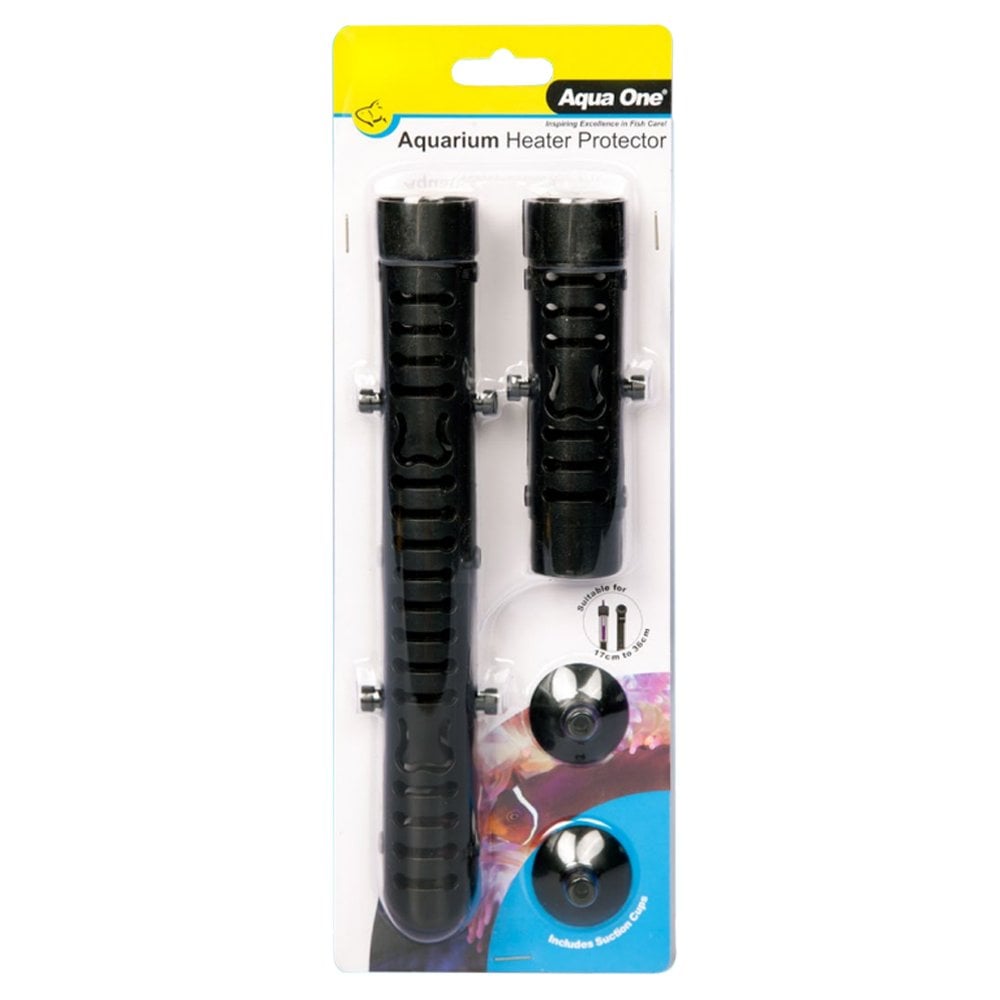
Credit: www.pond-planet.co.uk
Frequently Asked Questions
What Is Heater Protection For Fry Tanks?
Heater protection prevents damage to fry tank heaters. It avoids overheating, electrical faults, and extends heater lifespan. Proper protection ensures safety and efficient frying operations.
Why Is Heater Protection Important For Fry Tanks?
Heater protection avoids costly repairs and downtime. It maintains consistent oil temperature and improves food quality. Protection reduces fire risks and enhances equipment reliability.
How Does Heater Protection Work In Fry Tanks?
Heater protection uses sensors and thermostats to monitor temperature. It shuts off power if overheating occurs. This prevents heater burnout and maintains safe operation.
What Are Common Heater Protection Methods For Fry Tanks?
Common methods include thermal cutoffs, fuses, and temperature sensors. They detect abnormal heat and disconnect power. These methods ensure heaters work safely and efficiently.
Conclusion
Protecting fry tank heaters helps keep your equipment working well. It stops damage and saves repair costs. Regular checks prevent breakdowns and extend heater life. Clean heaters heat oil evenly and cook food better. Simple steps make a big difference in safety and performance.
Take care of heaters to avoid downtime and extra expenses. Small efforts today bring smooth frying tomorrow.