
Setting up a 10-gallon aquarium can be exciting, but it can also feel overwhelming if you don’t know where to start. You want your fish to thrive and your tank to look amazing, but the choices—equipment, decorations, water care—can be confusing.
What if you had a simple, step-by-step guide that takes the guesswork out of the process? You’ll discover exactly how to set up your 10-gallon aquarium the right way, ensuring a healthy environment for your aquatic friends and a beautiful display for your space.
Keep reading, and you’ll have your perfect tank ready in no time.
Choosing The Right Tank
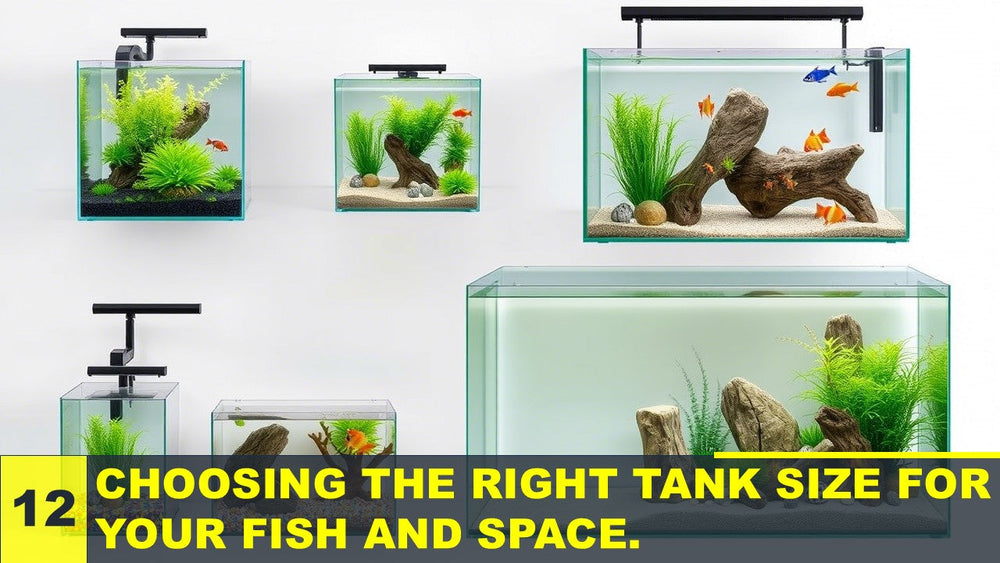
Selecting the right tank is key for a healthy 10-gallon aquarium. The tank size and type affect fish comfort and maintenance.
This guide covers materials and placement tips to help you pick the best tank for your needs.
Material Options
Common materials for 10-gallon tanks include glass and acrylic. Each has pros and cons to consider.
| Material | Advantages | Disadvantages |
| Glass | Scratch resistant, clear view | Heavier, can break |
| Acrylic | Lightweight, impact resistant | Scratches easily, may yellow |
Placement Tips
Proper tank placement helps maintain water quality and keeps fish safe.
- Place tank on a sturdy, level surface
- Avoid direct sunlight to reduce algae growth
- Keep away from vents or heaters to prevent temperature swings
- Ensure easy access to power outlets for equipment
Essential Equipment
Setting up a 10-gallon aquarium needs the right tools. These tools keep fish safe and healthy.
Good equipment helps maintain water quality and creates a happy home for your fish.
Filters And Pumps
Filters clean the water by removing waste and dirt. Pumps move water through the filter.
Choose a filter that fits a 10-gallon tank. It should clean the water 4 to 5 times per hour.
- Hang-on-back (HOB) filters are easy to use and clean.
- Internal filters fit inside the tank and save space.
- Canister filters offer strong filtration but are larger.
Lighting Choices
Lighting helps plants grow and shows fish colors well. It also sets a day and night cycle.
Use LED lights for energy saving and less heat. Avoid lights that are too bright for small tanks.
- Full-spectrum LEDs support plant growth.
- Blue lights create a calm nighttime look.
- Timers keep light on a regular schedule.
Heaters And Thermometers
Heaters keep water temperature steady. Most tropical fish need 74 to 78 degrees Fahrenheit.
Thermometers help you check temperature every day to avoid sudden changes.
- Choose a heater rated for 10 gallons or slightly more.
- Submersible heaters heat water evenly.
- Stick-on thermometers are easy to read from outside.
Substrate And Decoration
Setting up a 10-gallon aquarium starts with choosing the right substrate and decorations. These elements create a natural environment for your fish and plants. They also affect water quality and tank maintenance.
Careful selection helps fish feel safe and encourages healthy growth. This guide covers substrate types, safe decorations, and aquascaping ideas.
Types Of Substrate
Substrate is the material at the bottom of the tank. It influences plant roots, fish behavior, and tank cleanliness. Here are common types for a 10-gallon tank.
- Gravel:Easy to clean and comes in many colors. Good for fish that like to dig.
- Sand:Soft and smooth for bottom-dwelling fish. Can compact, so regular stirring is needed.
- Plant Soil:Rich in nutrients for live plants. Usually covered with gravel or sand on top.
- Crushed Coral:Raises pH and hardness. Best for fish that need alkaline water.
Safe Decorations
Decorations add hiding spots and interest in the tank. Use only aquarium-safe items to avoid harming fish or affecting water quality.
| Decoration | Safety Notes |
| Driftwood | Pre-soak to remove tannins and prevent water darkening |
| Rocks | Use smooth, non-toxic stones; avoid sharp edges |
| Plastic Plants | Choose soft, flexible ones to avoid fish injury |
| Ceramic Ornaments | Ensure they are unpainted or painted with aquarium-safe paint |
Aquascaping Ideas
Aquascaping means arranging substrate and decorations to create a natural look. It also makes the tank enjoyable to watch.
- Place taller plants or decorations at the back to add depth.
- Use a mix of gravel and sand for texture contrast.
- Create caves or hiding spots with rocks or driftwood.
- Keep open swimming space in the center for active fish.
- Add small foreground plants to soften edges.

Credit: bubble-magus.net
Water Preparation
Preparing water for a 10-gallon aquarium is important for fish health. Clean water helps fish live longer and stay active.
Good water preparation includes filling, conditioning, testing, and adjusting water properties. These steps keep the aquarium safe and balanced.
Filling And Conditioning
Start by filling the tank with clean, room-temperature water. Avoid using hot or cold water to protect fish from shock.
Use a water conditioner to remove chlorine and chloramine. These chemicals harm fish and must be neutralized before adding water.
- Fill tank slowly to avoid disturbing the substrate
- Add water conditioner as per instructions
- Let water sit for 24 hours before adding fish
- Check for leaks or spills during filling
Water Testing Basics
Test water to check if it is safe for fish. Key tests include ammonia, nitrite, nitrate, and chlorine levels.
| Test | Safe Level | Purpose |
| Ammonia | 0 ppm | Detects fish waste and decay |
| Nitrite | 0 ppm | Shows toxic compounds from bacteria |
| Nitrate | Below 20 ppm | Indicates tank cleanliness |
| Chlorine | 0 ppm | Removes harmful chemicals |
Managing Ph And Hardness
pH shows how acidic or basic water is. Hardness tells how many minerals are in the water.
Most fish prefer pH between 6.5 and 7.5. Hardness should match the fish’s natural habitat.
- Test pH with a kit weekly
- Use pH adjusters if needed
- Check water hardness to avoid stress on fish
- Perform water changes to keep levels stable
Selecting Fish And Plants
A 10-gallon aquarium is perfect for beginners. It’s important to choose the right fish and plants to create a balanced ecosystem.
Proper selection ensures a healthy environment for your aquatic life. Let’s explore the best options for your tank.
Best Fish For 10-gallon Tanks
Small and peaceful fish thrive in a 10-gallon tank. They require less space and are easier to care for.
- Betta Fish: Known for their vibrant colors and easy care.
- Neon Tetras: Social and peaceful, best kept in groups.
- Zebra Danios: Hardy and energetic swimmers.
- Guppies: Colorful and breed easily.
- Pygmy Corydoras: Gentle bottom dwellers.
Compatible Plants
Live plants enhance water quality and provide shelter for fish. They also add natural beauty to your aquarium.
| Plant | Benefit |
| Anubias | Low light requirement, hardy |
| Java Fern | Easy to maintain, slow growing |
| Hornwort | Fast-growing, absorbs nitrates |
| Cryptocoryne | Various shapes, low maintenance |
| Marimo Moss Ball | Unique appearance, aids in filtration |
Avoiding Overcrowding
Overcrowding stresses fish and affects water quality. Follow guidelines to ensure a balanced habitat.

Credit: www.reddit.com
Cycling The Aquarium
Cycling a 10-gallon aquarium is a key step before adding fish. This process builds helpful bacteria that keep water safe. It removes harmful toxins from fish waste and uneaten food.
Understanding and completing the cycle helps create a healthy home for your aquatic pets. Let’s look at what cycling means and how to do it.
Nitrogen Cycle Explained
The nitrogen cycle is the process that turns fish waste into less harmful substances. Ammonia from waste is toxic to fish. Special bacteria change ammonia into nitrites, which are also harmful. Another group of bacteria then turns nitrites into nitrates, which are safer in small amounts.
- Ammonia enters water from fish waste and food decay.
- Nitrosomonas bacteria convert ammonia to nitrite.
- Nitrobacter bacteria convert nitrite to nitrate.
- Regular water changes keep nitrate levels safe.
Methods To Cycle
There are several ways to cycle your aquarium. Each method helps build the bacteria colony needed for the nitrogen cycle.
- Fishless Cycling:Add pure ammonia to start bacteria growth without fish.
- Fish-In Cycling:Add a few hardy fish and monitor water carefully.
- Using Filter Media:Transfer media from an established tank to seed bacteria.
Monitoring Progress
Testing water is important to know if the cycle is complete. Use test kits to check ammonia, nitrite, and nitrate levels. The cycle finishes when ammonia and nitrite reach zero, and nitrate rises.
| Parameter | Safe Level | Notes |
|---|---|---|
| Ammonia | 0 ppm | Should drop to zero before adding fish |
| Nitrite | 0 ppm | Also toxic; must drop to zero |
| Nitrate | Below 20 ppm | Less harmful; remove by water changes |
Feeding And Maintenance
Keeping a 10-gallon aquarium healthy needs regular care. Feeding your fish and cleaning the tank are key parts.
Good habits help your fish stay happy and your water stay clear. Read on for tips on feeding and maintenance.
Proper Feeding Habits
Feed your fish small amounts twice a day. Overfeeding can pollute the water quickly.
- Give only what fish can eat in 2-3 minutes
- Use quality fish food for balanced nutrition
- Remove uneaten food after feeding time
- Vary food types like flakes, pellets, and frozen treats
Regular Cleaning Schedule
Clean your aquarium weekly to keep it safe for fish. Cleaning stops algae and waste build-up.
| Task | Frequency |
| Glass cleaning | Weekly |
| Gravel vacuuming | Weekly |
| Filter check and rinse | Every 2-3 weeks |
| Remove algae | Weekly |
Water Changes
Change about 20% of water weekly. This keeps the water fresh and lowers toxins.
Follow these tips for water changes:
- Turn off equipment before starting.
- Use a siphon to remove water and debris.
- Replace with dechlorinated water at the same temperature.
- Turn equipment back on after filling.
Troubleshooting Common Issues
Setting up a 10-gallon aquarium can be exciting. Yet, challenges may arise. Knowing how to tackle these issues is key.
This guide helps you address common problems. Let’s ensure your aquarium thrives.
Algae Control
Algae can quickly take over your tank. It is important to manage it effectively. Here are some tips to keep algae in check:
- Limit light exposure to 8 hours a day.
- Avoid overfeeding your fish.
- Regularly clean the tank and remove algae manually.
- Consider adding algae-eating fish or snails.
Fish Health Problems
Fish health is crucial for a vibrant aquarium. Be aware of common health issues and how to address them:
| Problem | Solution |
| White spots | Check for Ich; treat with medication. |
| Gasping at surface | Ensure proper oxygen levels. |
| Fin rot | Improve water quality; use antibacterial treatment. |
Equipment Failures
Equipment failures can disrupt your aquarium’s ecosystem. Regular checks and maintenance help prevent issues:
- Check filters weekly to ensure they are not clogged.
- Test heaters for consistent temperature settings.
- Inspect air pumps to confirm they work properly.
Upgrading And Expanding
Upgrading a 10-gallon aquarium brings new life and challenges. Expanding your tank lets you enjoy more fish and plants.
Careful planning helps keep your aquatic environment healthy and balanced.
Adding New Species
Introduce new fish or plants slowly to avoid stress. Research species that fit well together.
- Choose species with similar water needs
- Keep the total fish size within tank limits
- Quarantine new arrivals to prevent diseases
- Watch behavior carefully after adding
Tank Expansion Tips
Expanding your aquarium can mean more space or better equipment. Plan for extra water volume and filtration.
| Upgrade Option | Benefits | Considerations |
| Larger Tank | More swimming room and species | Needs more space and support |
| Better Filter | Improves water quality | Check power and size compatibility |
| Additional Lighting | Enhances plant growth | Avoid overheating the tank |
Enhancing Aquarium Features
Adding decorations and technology improves your aquarium’s look and health.
Feature Ideas
- Install a heater for stable temperature
- Add live plants for oxygen and beauty
- Use a background to hide cords
- Include caves and hiding spots for fish
- Set up an automatic feeder for consistency
Credit: bubble-magus.net
Frequently Asked Questions
What Equipment Is Essential For A 10-gallon Aquarium Setup?
A filter, heater, lighting, and substrate are essential for a 10-gallon aquarium. These maintain water quality, temperature, and provide a healthy habitat for fish and plants.
How Often Should I Change Water In A 10-gallon Tank?
Change 10-20% of the water weekly to keep the tank clean. Regular water changes prevent toxin buildup and promote fish health.
What Fish Species Are Best For A 10-gallon Aquarium?
Small fish like bettas, neon tetras, and guppies thrive in a 10-gallon tank. Choose species with low space and bioload requirements.
How Do I Cycle A 10-gallon Aquarium Before Adding Fish?
Cycling establishes beneficial bacteria to process fish waste. Use ammonia sources and test water parameters until ammonia and nitrites reach zero.
Conclusion
Setting up a 10-gallon aquarium can be simple and fun. Choose the right tank, filter, and decorations carefully. Keep water clean and check temperature often. Add fish slowly to avoid stress. Feed fish in small amounts daily. Watch your aquarium regularly for any problems.
A healthy tank means happy fish. Enjoy the peaceful beauty of your small underwater world. Start small, learn, and grow your aquarium hobby with confidence.