
Setting up a 100-gallon aquarium can feel overwhelming, but it doesn’t have to be. Imagine creating a stunning underwater world right in your home—vibrant fish, lush plants, and crystal-clear water.
You want your tank to thrive, but where do you start? This guide will walk you through every step, making sure your 100-gallon aquarium becomes the beautiful, healthy centerpiece you’ve always wanted. Keep reading, and you’ll discover simple tips that save you time, money, and frustration while turning your vision into reality.

Credit: www.reddit.com
Choosing The Right Location
Setting up a 100-gallon aquarium needs careful planning. The location affects fish health and tank stability.
Pick a spot that keeps your tank safe and easy to maintain. Think about sunlight, surface, and power access.
Avoiding Direct Sunlight
Direct sunlight can warm the water and cause algae growth. This harms your fish and plants.
Place the tank away from windows or use curtains to block strong light. This keeps the water cooler.
Ensuring Stable Surface
A 100-gallon tank is very heavy when full. It needs a strong, level surface to avoid accidents.
Use a sturdy stand designed for large tanks. Check the floor can hold the weight safely.
- Measure floor strength before setup
- Use a level to check the surface
- Choose furniture made for aquariums
Access To Power Sources
Your aquarium needs power for filters, heaters, and lights. Make sure outlets are nearby.
Keep cords organized and dry. Avoid stretching cables across walkways to prevent hazards.
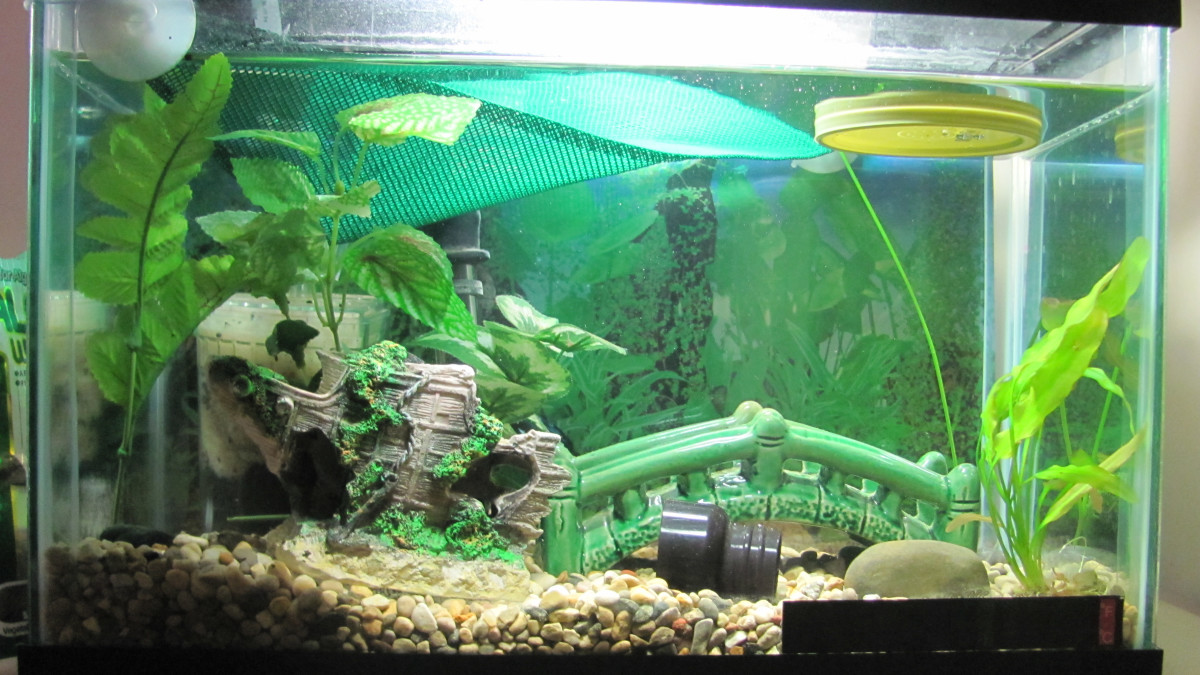
Credit: pethelpful.com
Selecting Suitable Equipment
Setting up a 100-gallon aquarium requires the right equipment. Good gear keeps your tank clean and healthy.
Choosing the right filter, heater, and lighting helps fish and plants thrive in a large tank.
Picking A Reliable Filter
A filter cleans the water by removing waste and toxins. For a 100-gallon tank, select a strong filter that can handle large volumes.
Look for filters with mechanical, chemical, and biological filtration stages. This ensures clear and safe water.
- Canister filters are powerful and quiet
- Hang-on-back filters are easy to maintain
- Sponge filters help with biological filtration
- Choose a filter rated for at least 100 gallons
Choosing The Heater And Thermometer
A heater keeps the water at a steady temperature. Fish need a warm and stable environment.
Pick a heater with the right wattage for 100 gallons. A reliable thermometer helps monitor the tank’s temperature.
- Use a heater rated 5 watts per gallon
- Submersible heaters work well in large tanks
- Digital thermometers give accurate readings
- Place the thermometer opposite the heater
Lighting Options For Aquariums
Lighting helps fish show their colors and supports plant growth. Choose lights suitable for a 100-gallon tank.
LED lights are energy efficient and last long. Some lights can mimic natural daylight for a balanced environment.
- Full-spectrum LED lights support plants and fish
- Adjustable brightness helps control tank conditions
- Use timers to keep a regular light schedule
- Avoid lights that cause excess algae growth
Preparing The Tank
Setting up a 100-gallon aquarium needs careful preparation. The right start helps fish stay healthy and happy.
Cleaning and arranging the tank before adding fish is very important. This guide covers cleaning, adding substrate, and placing plants.
Cleaning And Inspecting The Tank
Before setting up, clean the tank thoroughly. Check for cracks or leaks to avoid problems later.
- Rinse the tank with warm water only.
- Do not use soap or detergents.
- Inspect all seals and corners for damage.
- Check the tank stand for stability.
- Make sure the tank is level to prevent stress.
Adding Substrate And Decorations
Choose the right substrate to support plants and fish. Decorations add hiding spots and make the tank look natural.
| Substrate Type | Best For |
| Gravel | General use, easy to clean |
| Sand | Bottom-dwelling fish, planted tanks |
| Aquarium Soil | Live plants, nutrient-rich |
Arrange decorations so fish can swim freely and hide when needed. Avoid overcrowding the tank.
Setting Up Plants And Hiding Spots
Plants improve water quality and provide shelter. Use a mix of tall and short plants to create layers.
- Place tall plants near the back.
- Use medium plants in the center.
- Add small plants or moss in the front.
- Include caves or tunnels for fish hiding spots.
- Leave open swimming space.
Credit: www.cichlid-forum.com
Water Setup And Cycling
Setting up water correctly is key for a healthy 100-gallon aquarium. Cycling the tank prepares it for fish and plants.
This process ensures the water stays clean and safe for your aquatic life over time.
Filling And Treating The Water
Start by filling your tank with fresh water from a clean source. Use a water conditioner to remove chlorine and chloramines.
- Fill the tank slowly to avoid disturbing the substrate.
- Add a water conditioner as per the instructions on the bottle.
- Check that the water temperature matches the needs of your fish.
- Use a dechlorinator to neutralize harmful chemicals.
Establishing The Nitrogen Cycle
The nitrogen cycle helps break down fish waste into less harmful substances. This keeps the tank environment healthy.
Beneficial bacteria convert ammonia to nitrites and then to nitrates. This cycle takes several weeks to complete.
- Add a source of ammonia, like fish food or pure ammonia.
- Test water daily for ammonia, nitrites, and nitrates.
- Wait until ammonia and nitrites drop to zero.
- Perform partial water changes to keep nitrate levels low.
Monitoring Water Parameters
Regular testing of water helps keep conditions safe for fish. Use a test kit to check key parameters.
| Parameter | Safe Range |
| pH | 6.5 – 7.5 |
| Ammonia (NH3) | 0 ppm |
| Nitrites (NO2) | 0 ppm |
| Nitrates (NO3) | Below 40 ppm |
| Temperature | 75°F – 80°F (24°C – 27°C) |
Selecting Fish And Inhabitants
Setting up a 100-gallon aquarium lets you keep many fish and other creatures. Choosing the right fish and inhabitants is key for a healthy tank.
You must think about how fish live together and how much space they need. This helps keep your aquarium balanced and peaceful.
Choosing Compatible Species
Pick fish that get along well. Avoid mixing aggressive fish with peaceful ones. Some species like to live alone, while others like groups.
Research each species’ behavior and needs. This stops fights and stress in your tank.
- Cichlids can be aggressive and should be kept carefully.
- Tetras and barbs are peaceful schooling fish.
- Bottom dwellers like catfish keep the tank clean.
- Snails and shrimp add variety and help with algae.
Considering Fish Size And Quantity
Think about the size fish will grow to. Large fish need more room and space to swim freely.
Do not overcrowd your tank. Too many fish cause poor water quality and stress.
- Use the one inch of fish per gallon rule as a guide.
- Remember some fish need more space than others.
- Leave room for plants and decorations.
- Plan for future growth of your fish.
Introducing Fish Gradually
Add new fish to the tank slowly. This helps the tank adjust to new waste and reduces stress on all fish.
Watch fish closely after adding them. Remove any that show signs of illness or aggression.
- Start with a few fish to establish the tank.
- Wait two weeks before adding more fish.
- Quarantine new fish before adding them to the tank.
- Keep the tank water clean and stable during changes.
Maintaining Your Aquarium
A 100-gallon aquarium needs regular care to keep it healthy. Proper maintenance ensures your fish thrive.
Here are essential tasks for maintaining your aquarium. Follow these guidelines for a vibrant tank.
Regular Water Changes
Changing the water keeps the tank clean and fish healthy. It removes toxins and replenishes essential minerals.
- Prepare new water by dechlorinating it.
- Use a siphon to remove 10-15% of the tank water weekly.
- Slowly add the prepared water back into the tank.
Cleaning The Tank And Equipment
Keeping the tank and equipment clean prevents algae growth. It also ensures filters work efficiently.
Clean the glass with a scrubber to remove algae. Rinse filters and other equipment in old tank water.
Monitoring Fish Health
Observe your fish daily for signs of stress or disease. Early detection helps prevent problems.
| Sign | Possible Issue |
| Clamped fins | Stress |
| White spots | Ich |
| Labored breathing | Poor water quality |
Ensure your fish have a balanced diet and stable environment. This promotes their overall health.
Troubleshooting Common Issues
Setting up a 100-gallon aquarium is exciting but can bring some problems. Knowing how to fix common issues helps keep your tank healthy.
This guide covers three main problems: algae growth, fish diseases, and equipment failures. Each section gives simple tips to solve these troubles.
Handling Algae Growth
Algae can make your tank look dirty and harm fish health. It grows fast when light or nutrients are too high.
Control algae by reducing light and cleaning the tank regularly. Adding algae-eating fish or snails can help too.
- Limit tank light to 8-10 hours daily
- Remove algae manually with a scraper
- Do weekly water changes to lower nutrients
- Add algae eaters like plecos or snails
- Check for excess fish food and remove it
Dealing With Fish Diseases
Fish diseases can spread fast in a large tank. Watch for signs like spots, strange swimming, or loss of appetite.
Isolate sick fish quickly. Keep the water clean and use medicine if needed. Good tank care helps prevent illness.
- Look for white spots or red marks on fish
- Quarantine new or sick fish separately
- Maintain good water quality with regular tests
- Use appropriate treatments as instructed
- Do not overfeed fish to avoid stress
Fixing Equipment Failures
Equipment like filters, heaters, and lights can stop working. This can harm your fish and plants quickly.
Check equipment often and replace or fix broken parts fast. Keep spare parts on hand for emergencies.
- Test filters and clean them monthly
- Use a thermometer to check heater accuracy
- Inspect lights and replace bulbs as needed
- Keep backup air pumps and heaters ready
- Unplug and reset devices to troubleshoot
Frequently Asked Questions
What Equipment Is Essential For A 100-gallon Tank?
A 100-gallon tank needs a strong filter, heater, lighting, and substrate. A quality filter ensures clean water. The heater maintains stable temperature. Proper lighting supports plant growth and fish health. Substrate type depends on the fish and plants you choose.
How Do I Cycle A 100-gallon Aquarium Properly?
Cycling involves establishing beneficial bacteria to break down waste. Use a water test kit to monitor ammonia, nitrites, and nitrates. Add fish food or ammonia to start bacteria growth. Cycling usually takes 4-6 weeks. Patience ensures a safe environment for your fish.
What Fish Species Suit A 100-gallon Tank?
Large community fish like angelfish, gouramis, or cichlids work well. Schooling species such as tetras or barbs also thrive. Choose fish with compatible temperaments to avoid aggression. Research individual species’ needs for water parameters and space.
How Often Should I Perform Maintenance On A 100-gallon Tank?
Weekly partial water changes of 10-20% maintain water quality. Clean the filter monthly but avoid washing all media to preserve bacteria. Remove debris and check equipment regularly. Consistent maintenance keeps fish healthy and the tank balanced.
Conclusion
Setting up a 100-gallon aquarium takes careful planning and patience. Choose the right equipment and decorations for a healthy tank. Keep water clean and check parameters often to protect your fish. Add plants and fish slowly to avoid stress. Enjoy watching your vibrant underwater world grow each day.
Simple steps lead to a beautiful, thriving aquarium you can be proud of.