
Setting up a fish tank can be a rewarding experience, but feeding your fish on time every day can sometimes be a challenge. What if there was a simple way to make sure your fish are fed properly, even when you’re busy or away?
That’s where a manual feeder comes in. You’ll discover how to set up your fish tank with a manual feeder that keeps your underwater friends happy and healthy. Ready to make fish care easier and stress-free? Keep reading to find out how!

Credit: www.amazon.ca
Choosing The Right Fish Tank
Setting up a fish tank with a manual feeder starts with choosing the right tank. A good tank fits your space and fish needs. This guide helps you pick the best tank size, shape, material, and place.
Think about your fish type and how much room they need. Also, consider where the tank will sit in your home. These choices affect how easy it is to care for your fish and feeder.
Tank Sizes And Shapes
Fish tanks come in many sizes and shapes. Size matters for your fish’s health and the feeder’s use. Bigger tanks are easier to maintain stable water conditions.
- Small tanks (5-10 gallons) fit on desks or shelves but need frequent feeding.
- Medium tanks (20-40 gallons) suit most community fish and manual feeders well.
- Large tanks (50+ gallons) offer stable environments and room for many fish.
- Shapes include rectangular, cube, bow-front, and hexagonal.
- Rectangular tanks give more surface area for oxygen and space for feeders.
Material Options
| Material | Pros | Cons |
|---|---|---|
| Glass | Clear, scratch-resistant, durable | Heavy, can break if dropped |
| Acrylic | Lightweight, impact-resistant, flexible shapes | Scratches easily, may yellow over time |
| Plastic | Cheap, light, easy to move | Less clear, can warp or crack |
Choose material based on budget, tank size, and look. Glass tanks last long but weigh more. Acrylic is good for odd shapes and bigger tanks.
Placement Considerations
Pick a safe, stable place for your fish tank and manual feeder. Avoid direct sunlight to stop algae growth. Keep it away from heaters or air conditioners to prevent temperature swings.
- Place the tank on a level, sturdy surface that can hold its weight.
- Keep the tank near a power outlet for the feeder and filters.
- Ensure easy access for feeding, cleaning, and maintenance.
- Avoid high-traffic areas to reduce stress on fish.
- Check that the spot has good room for tank accessories.
Selecting A Manual Feeder
Setting up a fish tank with a manual feeder makes feeding easy and consistent. Choosing the right manual feeder helps keep your fish healthy.
Learn about different types, capacity, and how to pick one that fits your fish tank.
Types Of Manual Feeders
Manual feeders come in various styles. Each type works differently to release food to your fish.
- Flip-top feeders:Open the lid to add food. You control feeding times.
- Rotating drum feeders:Turn the drum to release food portions.
- Slide feeders:Slide open a compartment to feed your fish.
Feeder Capacity And Durability
Feeder capacity shows how much food it can hold. Pick a size that fits your feeding schedule.
Durability is important for long use. Look for feeders made with strong, water-resistant materials.
- Small feeders hold up to 50 grams of food
- Medium feeders hold 50-150 grams
- Large feeders hold more than 150 grams
- Plastic feeders resist water and are easy to clean
- Metal feeders last longer but may rust if not coated
Compatibility With Fish Types
Choose a feeder that suits your fish type. Some fish eat flakes, others prefer pellets or frozen food.
Make sure the feeder can handle the size and type of food your fish need.
- Flake feeders work well for small fish like tetras
- Pellet feeders suit medium and large fish like goldfish
- Frozen or live food feeders are less common but useful for special diets
- Check if the feeder releases food slowly to avoid overfeeding
Preparing The Tank Environment
Setting up a fish tank with a manual feeder starts with creating a healthy environment. A well-prepared tank helps fish live longer and stay active.
Focus on the right materials and equipment. This ensures your fish have clean water and a comfortable space.
Adding Substrate And Decorations
Choose a substrate that suits your fish type. Gravel and sand are popular choices. They help keep the tank clean and provide a natural look.
Decorations offer hiding spots and reduce stress for fish. Use safe plants, rocks, or ornaments designed for aquariums.
- Rinse substrate before adding it to the tank
- Place decorations to create hiding places
- Avoid sharp objects that can harm fish
- Use live or artificial plants for natural feel
Installing Filters And Heaters
Filters clean the water by removing waste and toxins. Choose a filter suitable for your tank size. Install it so water flows well.
Heaters keep the water at a steady temperature. Most tropical fish need 74-80°F. Place the heater near the filter for even heat.
- Check filter flow rate matches tank volume
- Use a heater with adjustable thermostat
- Secure cords to avoid accidents
- Test water temperature daily after setup
Setting Up Lighting
Lighting helps fish see and supports plant growth. Choose LED lights made for aquariums. Avoid strong lights that stress fish.
Set a timer to mimic day and night cycles. This helps fish stay healthy and active.
- Use lights with proper color temperature (6500K is common)
- Limit lighting to 8-10 hours daily
- Place lights so they cover the whole tank
- Check for heat from lights to avoid overheating
Setting Up The Manual Feeder
Using a manual feeder helps keep your fish fed on a schedule. It is easy to set up and saves time. Proper setup ensures your fish get the right amount of food at the right time.
This guide covers how to attach the feeder, adjust food amounts, and set feeding times.
Attaching The Feeder To The Tank
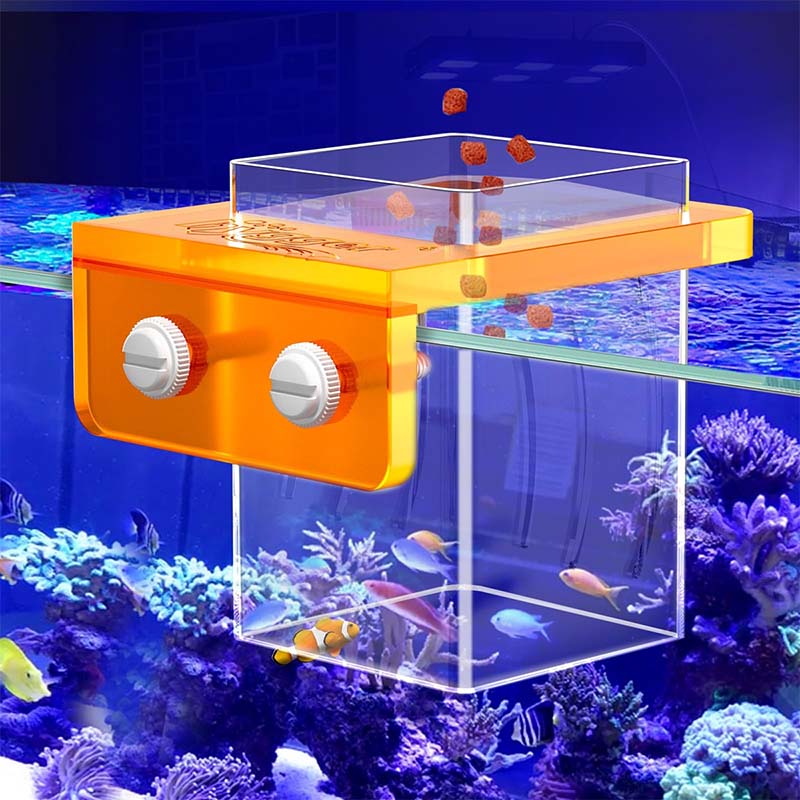
First, find a stable spot on the tank rim to attach the feeder. Most feeders come with clips or suction cups for easy mounting. Make sure it is secure and will not fall into the water.
Place the feeder so the food drops directly into the tank without spilling. Check the feeder’s manual for any special mounting instructions.
Calibrating Feed Amounts
Calibrating the feeder lets you control how much food your fish get. Start by testing small amounts and increase as needed. This avoids overfeeding and keeps the water clean.
- Fill the feeder with food.
- Turn the dial or set the feeding amount according to the feeder’s scale.
- Release one feeding cycle and measure the food dispensed.
- Adjust the dial to increase or decrease food quantity.
- Repeat until the desired amount is dispensed.
Scheduling Feeding Times
Set the feeder’s timer to feed your fish at regular intervals. Feeding times depend on the fish type and tank size. Most feeders allow multiple feedings per day.
| Time of Day | Recommended Feeding |
| Morning | Small portion |
| Afternoon | Small portion |
| Evening | Medium portion |
Maintaining Water Quality
Keeping water quality high is essential for a healthy fish tank. It ensures fish are happy and reduces disease risks.
Using a manual feeder helps maintain a regular feeding schedule. It complements efforts to keep water clean and balanced.
Regular Water Testing
Testing water regularly helps track pH levels, ammonia, and nitrates. It prevents harmful conditions for fish.
- Test water weekly using a reliable kit
- Record results to spot trends
- Adjust water parameters as needed
Performing Water Changes
Regular water changes remove waste and replenish minerals. This keeps the environment fresh for fish.
| Tank Size | Water Change Frequency |
| Small (up to 20 gallons) | Weekly |
| Medium (20-50 gallons) | Bi-weekly |
| Large (50+ gallons) | Monthly |
Managing Algae Growth
Algae can quickly overtake a tank if not managed. Controlling light and nutrients helps prevent excess growth.
Use algae-eating fish or snails as natural cleaners. They help keep the tank clear of algae.

Credit: www.amazon.com
Feeding Tips For Healthy Fish
Feeding your fish properly helps keep them healthy and active. Using a manual feeder can make feeding easier and more consistent. This guide shares tips on feeding your fish the right way.
Good feeding habits avoid problems like overfeeding and stress. Watch your fish and adjust feeding to their needs for best results.
Choosing The Right Fish Food
Select fish food that matches your fish species and their diet needs. Look for food that is fresh and high in nutrients. Different fish may need flakes, pellets, or frozen food.
- Use food designed for your fish type
- Check expiration dates before buying
- Mix food types for balanced nutrition
- Avoid foods with fillers or artificial colors
- Store food in a cool, dry place
Avoiding Overfeeding
Overfeeding can pollute the tank and harm fish health. Feed small amounts that fish can eat within minutes. Remove any leftover food after feeding time.
| Feeding Frequency | Amount per Feeding |
| Once a day | Small pinch or 2-3 pellets |
| Twice a day | Half pinch or 1-2 pellets each time |
| Juvenile fish | Feed 3-4 times daily, very small amounts |
Observing Fish Behavior
Watch your fish during feeding to see if they eat well. Healthy fish eat eagerly and swim actively. If fish avoid food or act tired, check water and feeding habits.
Signs to watch for:
- Slow eating or ignoring food
- Floating near the surface or hiding
- Swollen belly or weight loss
- Changes in color or fin movement
Troubleshooting Common Issues
Setting up a fish tank with a manual feeder can be easy. Sometimes, problems happen that need fixing. Knowing how to solve these helps keep your fish happy.
This guide covers common problems with feeders, fish health, and water quality. Follow the tips to keep your tank safe and clean.
Feeder Malfunctions
Manual feeders can jam or stop working. Food may not drop or it may release too much at once. This can cause fish to miss meals or get too much food.
Check if the feeder is clean and not stuck. Make sure the food fits well and is dry. Adjust the feeder settings if it has any. Test the feeder before leaving your fish alone.
- Clean feeder parts regularly to avoid jams
- Use food that fits the feeder’s size
- Keep food dry to prevent clumping
- Test feeder to ensure proper operation
Fish Health Concerns
Fish may show signs of stress or illness due to feeding problems or tank conditions. Watch for unusual behavior, spots, or loss of appetite. Early detection helps stop disease.
Feed fish the right amount and avoid overfeeding. Remove uneaten food quickly. Keep the tank clean and check fish regularly for signs of sickness.
- Look for changes in swimming or color
- Feed small amounts to prevent waste
- Remove leftover food to stop decay
- Isolate sick fish to stop spreading disease
Water Quality Problems
Dirty water harms fish health and can cause tank issues. Test water often for ammonia, nitrites, and pH levels. Clean water means healthy fish and plants.
Change part of the water regularly. Use a water conditioner to remove chlorine. Avoid overfeeding to keep water clear and balanced.
- Test water weekly for harmful chemicals
- Do partial water changes of 20% every week
- Use water conditioner to remove chlorine
- Keep tank clean by removing waste and debris
Credit: www.hygger-online.com
Frequently Asked Questions
What Is A Manual Feeder For Fish Tanks?
A manual feeder allows you to control fish food portions by hand. It helps prevent overfeeding and maintains water quality. Manual feeders are simple tools perfect for small or beginner aquariums.
How Do I Set Up A Manual Feeder For My Tank?
Attach the feeder near the tank’s opening for easy access. Fill it with appropriate fish food and operate it by turning or shaking. Regularly clean the feeder to avoid clogs and contamination.
Can Manual Feeders Prevent Overfeeding Fish?
Yes, manual feeders help you measure exact food amounts. They reduce the risk of overfeeding, which can harm fish and water quality. Controlled feeding promotes healthier fish and a cleaner tank environment.
How Often Should I Feed Fish Using A Manual Feeder?
Feed your fish once or twice daily using the manual feeder. Adjust the amount based on fish species and tank size. Consistent feeding schedules keep fish healthy and active.
Conclusion
Setting up a fish tank with a manual feeder keeps feeding simple and regular. It helps maintain clean water and healthy fish. You control how much and when fish eat every day. This setup suits beginners and busy fish owners alike.
Try it out to enjoy a balanced and happy aquarium. Small steps lead to a great fish tank experience.