
If you’re serious about breeding fish, you know how important the right setup is. An aquarium cabinet for breeding tanks isn’t just a piece of furniture—it’s the foundation for success.
Imagine having a sturdy, well-designed cabinet that keeps your tanks safe, organized, and easy to manage. Wouldn’t that make your breeding process smoother and more enjoyable? You’ll discover how the perfect aquarium cabinet can transform your breeding space and help you achieve better results with less hassle.
Keep reading to find out what features to look for and how to choose the best cabinet for your needs.

Credit: www.amazon.com
Choosing The Right Cabinet
Choosing the right cabinet for your breeding tanks is key to a safe and organized aquarium setup. A good cabinet supports the tank well and fits your space.
Consider material, size, and weight capacity to find the best option. Each factor affects durability and functionality.
Material Options
Cabinets come in different materials. Each type has benefits and drawbacks to think about before buying.
- Wood:Strong and looks nice but may be damaged by water.
- Metal:Very sturdy but can rust if not treated well.
- MDF or Particleboard:Affordable and smooth but less durable with moisture.
- Plastic:Water-resistant but may not support very heavy tanks.
Size And Dimensions
Measure your breeding tank carefully. The cabinet must match or exceed these dimensions for safety.
| Tank Size (Gallons) | Recommended Cabinet Width (inches) | Recommended Cabinet Depth (inches) |
| 10 | 24 | 12 |
| 20 | 30 | 15 |
| 40 | 36 | 18 |
| 55 | 48 | 18 |
Weight Capacity
Check the cabinet’s weight limit before use. Breeding tanks can be heavy when filled with water and equipment.
Follow this weight capacity guide:
- Calculate the full tank weight: water + tank + decorations.
- Choose a cabinet with a capacity 20% higher than the total weight.
- Ensure the cabinet base is level and stable to avoid accidents.
Design Features For Breeding Tanks
Aquarium cabinets for breeding tanks need smart design. They must support the health and growth of fish fry. Good design helps keep water clean and safe.
This guide looks at key design features. These features include ventilation, waterproofing, and easy access for maintenance. Each one plays a role in successful breeding.
Ventilation And Airflow
Proper ventilation is crucial for breeding tanks. It keeps air fresh and prevents mold and mildew. Good airflow helps maintain stable temperature and oxygen levels.
- Open vents allow air to circulate without drying the tank
- Fans or small openings can boost airflow in enclosed cabinets
- Placement of vents should avoid direct drafts on the tank
- Use breathable materials around tank openings for steady air
Waterproofing And Durability
Water spills and humidity are common near breeding tanks. Cabinets must resist water damage and last long. Strong, waterproof materials prevent warping and mold.
| Material | Water Resistance | Durability |
| Marine-grade plywood | High | Very good |
| Plastic laminate | Excellent | Good |
| Powder-coated metal | High | Excellent |
| Regular wood | Low | Poor |
Accessibility And Maintenance
Easy access to breeding tanks is important. It allows quick cleaning and care. Cabinets should offer simple ways to reach tanks without heavy lifting.
- Sliding or hinged doors for quick tank access
- Removable panels for easy cleaning of cabinet interior
- Raised platforms to reduce bending and strain
- Space for storing tools and supplies nearby
Storage Solutions And Organization
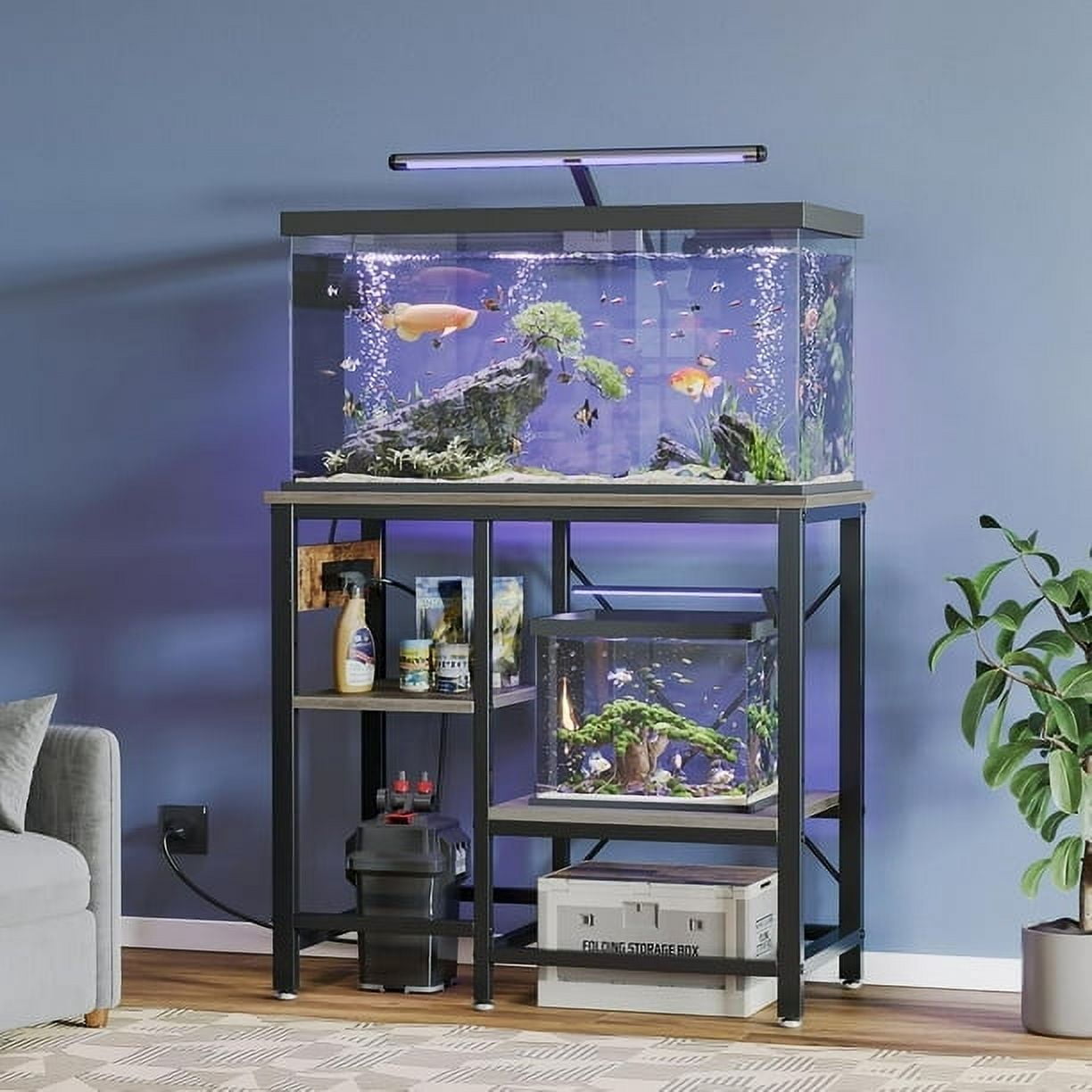
Keeping a breeding tank organized helps maintain a healthy environment. Proper storage solutions reduce clutter and save time during maintenance.
Choosing the right cabinet design improves access to all supplies and equipment. It also protects items from moisture and damage.
Shelves And Compartments
Adjustable shelves allow you to fit tanks of different sizes. Compartments help separate items to avoid mixing and confusion.
- Use deep shelves for large tanks
- Add small compartments for accessories
- Label compartments for easy identification
- Keep fragile items on higher shelves
Tool And Equipment Storage
Tools like nets, scissors, and siphons need quick access. Organize equipment in holders or hooks inside the cabinet.
Hang nets and scissors here.
Store small tools and spare parts.
Keep electrical equipment safe and dry.
Space For Food And Chemicals
Food and chemicals must be stored separately and securely. Proper placement prevents contamination and spills.
| Item | Storage Tip | Location |
| Fish Food | Keep in airtight containers | Upper cabinet shelves |
| Water Conditioner | Store upright to avoid leaks | Lower shelves away from heat |
| Medication | Label and date all bottles | Locked compartment |
Credit: www.walmart.ca
Custom Vs. Pre-made Cabinets
Choosing the right aquarium cabinet is important for breeding tanks. You can opt for custom or pre-made cabinets.
Both options have their pros and cons. Understanding them will help you make the best decision for your aquarium setup.
Benefits Of Custom Cabinets
Custom cabinets offer flexibility in design and functionality. They can be tailored to fit your specific needs.
- Perfect fit for unique spaces
- Choose materials that match your décor
- Include special features like hidden storage
Popular Pre-made Models
Pre-made cabinets are convenient and often more affordable. They come in various styles and sizes.
| Model | Size | Material |
| Classic Stand | 50 gallons | Wood |
| Modern Steel | 75 gallons | Metal |
| Compact Glass | 30 gallons | Glass |
Cost Considerations
Cost is a major factor in choosing between custom and pre-made cabinets. Custom cabinets are usually more expensive.
Installation Tips
Installing an aquarium cabinet for breeding tanks takes care and planning. A good setup helps keep your fish safe and healthy.
Follow these tips to install your cabinet correctly and make the most of your breeding space.
Securing The Cabinet
Make sure your cabinet is stable and strong enough to hold the tank’s weight. Secure it to the wall if possible.
Use brackets or straps to stop the cabinet from tipping over. Check all screws and bolts are tight before placing the tank.
- Use heavy-duty wall anchors for extra support
- Check cabinet level to avoid water imbalance
- Tighten all fasteners regularly
Positioning For Optimal Use
Place the cabinet in a spot with easy access for feeding and cleaning. Avoid direct sunlight to stop algae growth.
Keep the cabinet away from heaters or air conditioners. Stable room temperature helps fish stay healthy.
- Choose a flat, sturdy floor area
- Leave space around the cabinet for ventilation
- Ensure power outlets are close for equipment
Safety Precautions
Handle the cabinet and tank carefully to avoid injury or damage. Use gloves when lifting heavy parts.
Keep cords and plugs away from water. Make sure the area is dry and clean to prevent accidents.
- Do not overload the cabinet beyond its limit
- Use a drip loop on all electrical cords
- Keep children and pets away from the setup
Maintaining Your Cabinet
Keeping your aquarium cabinet clean and dry helps it last longer. Good care protects your breeding tanks and fish.
Follow simple steps to keep your cabinet safe from damage and mold. Regular checks catch problems early.
Cleaning Techniques
Use a soft cloth and mild soap to clean surfaces. Avoid harsh chemicals that can damage wood or finish.
- Remove fish tanks before cleaning
- Wipe spills immediately
- Dry the cabinet after cleaning
- Clean shelves and corners thoroughly
Handling Moisture And Mold
Moisture can cause mold and wood damage. Keep the cabinet dry and well-ventilated to stop mold growth.
| Issue | Prevention | Action |
| Excess moisture | Use dehumidifier or fan | Dry wet areas quickly |
| Mold spots | Keep cabinet clean and dry | Clean mold with vinegar solution |
| Wood warping | Avoid water spills | Repair damaged wood promptly |
Regular Inspections
Check your cabinet every week for damage or moisture. Early fixes prevent bigger problems.
- Look for water stains or mold
- Test cabinet stability and joints
- Check for loose screws or handles
- Inspect shelves for cracks or sagging

Credit: roxyaquarium.com.au
Frequently Asked Questions
What Size Aquarium Cabinet Suits Breeding Tanks Best?
A cabinet matching your breeding tank size ensures proper support and stability. Measure your tank and choose a sturdy cabinet designed for that weight and dimensions.
How To Maintain Humidity In A Breeding Tank Cabinet?
Keep the cabinet well-ventilated and use moisture-absorbing materials. Regularly check for condensation to prevent mold and maintain ideal breeding humidity levels.
Can Aquarium Cabinets Store Breeding Supplies Safely?
Yes, many cabinets have storage compartments for food, medications, and equipment. Organizing supplies close to the breeding tank improves convenience and care efficiency.
What Materials Are Best For Breeding Tank Cabinets?
Water-resistant materials like treated wood or metal prevent damage from spills. Durable finishes also help protect the cabinet from humidity and wear.
Conclusion
Choosing the right aquarium cabinet helps keep breeding tanks safe and stable. It supports the tank’s weight and hides equipment neatly. A good cabinet also makes maintenance easier and protects your fish. Investing in a sturdy cabinet means your breeding setup stays organized.
This creates a better environment for fish to grow healthy. Simple care, strong support, and neat storage—these make a big difference. Your breeding tanks will thank you for it.