
Setting up a fish tank can be exciting, but adding the right foreground decor makes all the difference. Imagine looking into your tank and seeing a vibrant, natural scene that grabs your attention instantly.
You want your aquarium to feel alive and inviting—not empty or dull. This guide will show you how to choose and arrange foreground decor that highlights your fish and plants perfectly. By the end, you’ll have the skills to create a stunning underwater display that keeps you coming back to watch and enjoy every day.
Ready to transform your tank into a beautiful, lively space? Let’s dive in!
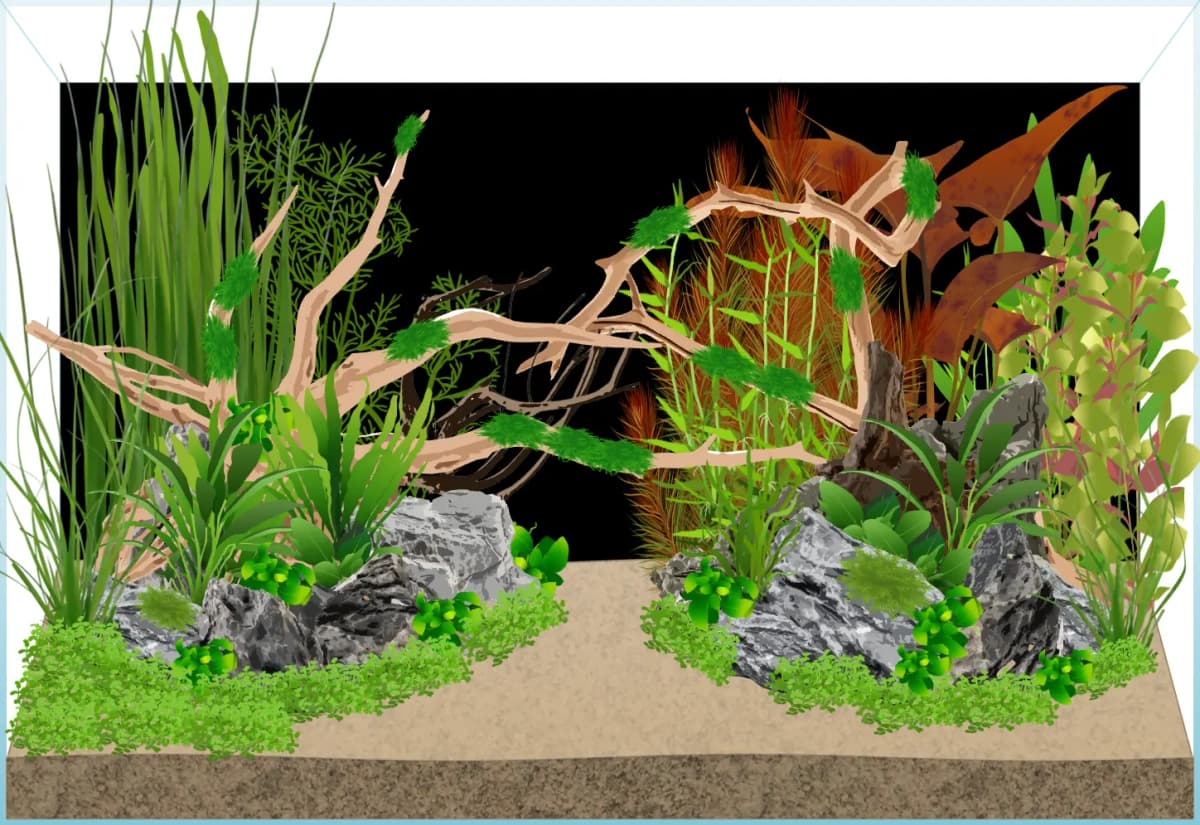
Credit: myaquariumbuilder.com
Choosing The Right Tank
Setting up a fish tank needs careful planning. Choosing the right tank helps fish stay healthy and happy.
This guide covers tank sizes and shapes, material options, and placement tips to make your setup easy.
Tank Sizes And Shapes
Select a tank size that fits your space and fish needs. Bigger tanks give fish more room to swim and keep water stable.
- Small tanks (5-10 gallons) are good for beginners and small fish.
- Medium tanks (20-40 gallons) suit community fish and some plants.
- Large tanks (50+ gallons) allow for more fish and complex setups.
- Rectangle shapes offer more swimming space than tall or round tanks.
- Bow-front tanks add a nice view but can cost more.
Material Options
Most tanks are made from glass or acrylic. Both have pros and cons to consider.
| Material | Advantages | Disadvantages |
| Glass | Scratch-resistant, clear view | Heavier, can break |
| Acrylic | Lighter, impact-resistant | Scratches easily, can yellow |
Placement Considerations
Where you put the tank affects fish health and your room’s look. Choose a stable, quiet spot.
- Avoid direct sunlight to stop algae growth and temperature swings.
- Keep the tank away from heaters or air conditioners.
- Place it on a strong, level surface that can hold the tank’s weight.
- Leave space around the tank for cleaning and decoration.
Selecting Foreground Decor
Choosing the right foreground decor helps create a natural look in your fish tank. It makes the tank more interesting and comfortable for fish.
Foreground decor usually includes small plants, rocks, and ornaments. These items add depth and color near the front of the tank.
Popular Plant Choices
Small plants work well in the foreground because they do not block the view. They also help keep the water clean and oxygenated.
Some plants grow low and spread out, creating a carpet effect. Others stay short and bushy, adding texture near the glass.
- Dwarf Hairgrass: A grass-like plant that forms a green carpet.
- Java Moss: A soft moss that attaches to rocks and wood.
- Anubias Nana Petite: A small, slow-growing plant with broad leaves.
- Cryptocoryne Parva: A tiny plant with thin leaves, perfect for small tanks.
Rocks And Substrate
Rocks provide natural hiding spots and add structure to the tank’s foreground. Choose smooth rocks to avoid hurting fish.
The substrate is the material on the tank bottom. It supports plant roots and affects the tank’s look and water quality.
- Sand: Gives a smooth, natural look and is safe for bottom fish.
- Gravel: Comes in many colors and sizes, good for plant roots.
- Aquarium Soil: Rich in nutrients, helps plants grow healthy.
- River Stones: Rounded rocks that look natural and safe for fish.
Ornaments And Accents
Ornaments add personality and interest to the fish tank. Choose items that match your tank’s theme and fish size.
Small accents placed in the foreground create focal points. Avoid sharp edges and toxic materials to keep fish safe.
- Small Ceramic Pots: Can serve as hiding spots or decoration.
- Miniature Driftwood Pieces: Add a natural touch and surface for plants.
- Shells: Good for tanks with fish that like to explore.
- Artificial Decorations: Use non-toxic, aquarium-safe materials only.
Substrate Preparation
Setting up a fish tank needs careful substrate preparation. This base layer supports plants and fish health.
Choosing the right substrate and layering it correctly helps create a stable environment. Nutrients in the substrate feed plants and keep water clean.
Types Of Substrates
Substrates come in different types. Each type serves a purpose for your tank’s ecosystem.
- Gravel: Good for anchoring plants and easy cleaning.
- Sand: Provides a natural look and supports bottom dwellers.
- Clay-based: Holds nutrients well for plant growth.
- Aquarium soil: Rich in nutrients, best for planted tanks.
Layering Techniques
Proper layering helps keep substrates healthy and plants strong. It also prevents mixing and cloudiness in water.
| Layer | Description | Purpose |
| Bottom Layer | Nutrient-rich base | Feeds plant roots |
| Middle Layer | Mineral substrates | Supports root structure |
| Top Layer | Decorative gravel or sand | Keeps layers separate and looks natural |
Nutrient-rich Bases
Nutrient-rich bases supply minerals and elements plants need. They improve plant health and growth.
- Look for bases with iron, potassium, and magnesium.
- These nutrients help plants develop strong leaves and roots.
- Replace nutrient bases every few years to keep the tank balanced.

Credit: dennerle.com
Aquascaping Techniques
A well-planned fish tank setup brings beauty and life to your space. Aquascaping uses plants, rocks, and decorations to create a natural look.
Using foreground decor can enhance the tank’s depth and draw attention to key areas. Let’s explore some helpful techniques.
Creating Depth And Perspective
Depth makes a tank look larger and more natural. Placing small plants and decorations in the front and bigger ones in the back helps create this effect.
- Use short plants and small rocks in the foreground
- Place medium-sized plants and decorations in the middle
- Put tall plants or driftwood at the back
- Arrange items to guide the eye from front to back
Balancing Elements
Balance in a tank keeps it looking calm and pleasing. You can balance colors, shapes, and sizes of the decor to avoid clutter.
| Element | Example | Tip |
| Color | Green plants, red stones | Mix bright and dull colors |
| Shape | Round stones, tall plants | Combine different shapes |
| Size | Small pebbles, large wood | Use varied sizes for interest |
Focal Points In Foreground
The foreground is best for focal points. These catch attention first. Use bright colors or unique shapes here.
- Small colorful plants like dwarf hairgrass
- Decorative stones or miniature statues
- Low-growing moss on rocks
Water Quality And Filtration
Good water quality is key for a healthy fish tank. Clean water helps fish live longer and stay active.
Filtration removes waste and keeps the water clear. It also supports useful bacteria that break down toxins.
Choosing Filters
Select filters based on tank size and fish type. Filters must handle the water volume efficiently.
- Mechanical filters trap particles and debris.
- Biological filters support bacteria that break down waste.
- Chemical filters remove toxins and odors.
- Combination filters offer all three types of filtration.
Maintaining Water Parameters
Keep water conditions steady. Fish feel safe in stable environments with balanced parameters.
| Parameter | Ideal Range | Importance |
| pH | 6.5 – 7.5 | Keeps fish comfortable and healthy |
| Temperature | 74°F – 78°F (23°C – 26°C) | Supports metabolism and activity |
| Ammonia | 0 ppm | Toxic waste from fish |
| Nitrite | 0 ppm | Harmful byproduct of ammonia breakdown |
| Nitrate | < 20 ppm | Less harmful but needs control |
Regular Cleaning Routines
Cleaning helps keep water clear and healthy. It removes uneaten food and fish waste.
- Test water parameters weekly to monitor changes.
- Change 10-20% of water weekly to reduce toxins.
- Clean filter media gently to keep bacteria alive.
- Remove algae and debris from tank walls and decorations.
- Vacuum the substrate to remove trapped waste.

Credit: www.reddit.com
Lighting For Growth And Aesthetics
Proper lighting is crucial for a thriving fish tank. It enhances plant growth and showcases your aquatic decor. This guide will help you choose the right lighting for your fish tank setup.
Understanding different light types and how they affect your tank is key. You will also learn about scheduling to maintain balance in the ecosystem.
Light Types And Intensity
There are various types of lights suitable for fish tanks. Each type offers different benefits and intensities.
- LED Lights: Energy-efficient and customizable.
- Fluorescent Lights: Affordable and good for plant growth.
- Incandescent Lights: Less common, provide warm tones.
- Metal Halide Lights: Ideal for deeper tanks.
Duration And Scheduling
The duration and timing of your lights impact plant health and fish behavior. Consistent lighting helps mimic natural cycles.
| Light Type | Recommended Duration |
| LED | 8-10 hours |
| Fluorescent | 10-12 hours |
| Metal Halide | 8-10 hours |
Highlighting Foreground Features
Lighting can accentuate decorative elements in the foreground. This enhances the visual appeal of the tank.
Use spotlights or directional lighting to focus on specific areas. This draws attention to plants and decor.
Position lights to prevent shadows on key features. This ensures a balanced and attractive display.
Fish And Invertebrate Selection
Setting up a fish tank with foreground decor can be exciting. Choosing the right fish and invertebrates is important for a vibrant tank.
Foreground decor highlights the beauty of your aquatic life. Select species that complement and enhance this setup.
Species Suitable For Foreground Focus
Certain species thrive in the foreground of a tank. They add beauty and movement to the lower parts of the aquarium.
- Neon Tetras: Small and colorful, perfect for small spaces.
- Cherry Shrimp: Active and vibrant, great for plant-filled tanks.
- Otocinclus Catfish: Keep algae at bay and are peaceful.
- Pygmy Corydoras: Small and social, ideal for community tanks.
Compatibility And Behavior
Compatibility is key for a harmonious tank environment. Choose species that get along well with each other.
Watch their behavior to ensure they are not stressed. Peaceful species make the foreground area a lively space.
- Neon Tetras and Otocinclus Catfish: Both are peaceful and complement each other.
- Cherry Shrimp and Pygmy Corydoras: Both enjoy plant-rich environments.
- Avoid aggressive species to prevent stress and injuries.
Stocking Density Tips
Stocking density affects the health of your fish. A well-balanced tank prevents overcrowding and stress.
Ensure enough space for each fish and invertebrate to thrive. Consider the adult size and activity level of the species.
- Neon Tetras: 1 gallon per fish is a good rule.
- Cherry Shrimp: Can be kept in small groups, 5-10 in a 10-gallon tank.
- Otocinclus Catfish: Keep in groups of at least three.
- Pygmy Corydoras: Small groups of 6 or more in a 20-gallon tank.
Maintenance Tips
Keeping your fish tank clean helps fish stay healthy and happy. Regular care stops problems before they start.
Foreground decor and plants need attention to look good and support tank life. Here are some tips for upkeep.
Pruning And Trimming Plants
Cutting plants stops them from overgrowing and blocks light. Trim dead leaves to keep plants fresh.
- Use sharp scissors made for aquariums.
- Trim plants every two weeks to keep size in check.
- Remove brown or damaged leaves promptly.
- Thin plants to improve water flow and light reach.
Cleaning Foreground Decor
Clean decor pieces regularly to stop algae and dirt buildup. This keeps the tank looking clear and healthy.
| Type of Decor | Cleaning Method | Frequency |
| Rocks | Scrub gently with aquarium brush | Monthly |
| Driftwood | Rinse with warm water, no soap | Every 2 months |
| Artificial Plants | Soak in water and scrub lightly | Monthly |
| Natural Plants | Prune dead parts only, no washing | Biweekly |
Monitoring Tank Health
Watch water quality and fish behavior to catch problems early. Clean tanks help fish grow strong.
- Test water pH, ammonia, and nitrate levels weekly.
- Look for signs of stress or illness in fish daily.
- Change 10-15% of the water every week to keep it fresh.
- Check filter function and clean or replace parts as needed.
- Keep temperature steady within the recommended range.
Troubleshooting Common Issues
Setting up a fish tank with foreground decor can be fun but sometimes problems appear. Knowing how to fix common issues helps keep your tank healthy and beautiful.
Below are some common problems with algae, plants, and fish. Follow these tips to solve them quickly and keep your tank balanced.
Algae Control
Algae can grow fast and cover your foreground decor. It harms the look and health of your tank. Control algae by checking light and nutrients.
- Reduce lighting to 6-8 hours daily
- Do regular water changes to remove excess nutrients
- Add algae-eating fish or snails
- Clean decorations gently using an algae scrubber
- Avoid overfeeding fish to reduce waste
Plant Health Problems
Plants in the foreground need good care. Yellowing or holes in leaves show issues. Check water quality and light levels to help plants grow.
| Problem | Cause | Solution |
| Yellow Leaves | Lack of nutrients | Add liquid fertilizer |
| Holes in Leaves | Fish nibbling or pests | Use pest control or change fish |
| Slow Growth | Low light | Increase light duration or intensity |
| Leaves Melting | Sudden water changes | Keep stable water parameters |
Fish Stress And Diseases
Fish stress can cause diseases. Watch for signs like hiding, loss of appetite, or strange swimming. Keep water clean and stable to avoid stress.
- Maintain proper water temperature and pH
- Use a good filter and clean the tank regularly
- Do not overcrowd the tank
- Feed a balanced diet and avoid overfeeding
- Quarantine new fish before adding them
Frequently Asked Questions
What Are The Best Foreground Decor Options For Fish Tanks?
Popular foreground decor includes small plants, gravel, sand, and miniature rocks. These create depth and enhance the tank’s visual appeal while providing hiding spots for fish.
How To Choose Foreground Decor For A Small Fish Tank?
Opt for low-growing plants and small, smooth stones. Avoid large or tall decorations that crowd the space and stress the fish. Keep it simple and natural.
Can Foreground Decor Affect Fish Health?
Yes, natural decor like live plants improves water quality and oxygen. Avoid sharp or toxic decorations that can harm fish. Proper decor supports a healthy environment.
How To Arrange Foreground Decor In A Fish Tank?
Place smaller items at the front and gradually larger ones behind. This layering creates depth and natural aesthetics. Ensure enough open space for fish to swim freely.
Conclusion
A well-set fish tank with foreground decor brings life to any space. Small plants and stones create a natural look. Choose decor that fits your fish’s needs. Keep your tank clean and check water often. Watch your fish swim happily around their new home.
Enjoy the calm and beauty your tank provides. Simple steps make a big difference in tank setup. Your fish will thrive in a cozy, decorated environment.