
Are you curious about how well your Plecostomus can handle chilly water? Understanding your Plecostomus’s cold-water tolerance is key to keeping it healthy and happy.
If the water gets too cold, your fish might struggle more than you realize. But don’t worry—this article will guide you through everything you need to know. You’ll learn how to spot signs of stress, what temperature ranges are safe, and simple steps to protect your Plecostomus when the water cools down.
Keep reading to make sure your underwater friend thrives no matter the season.

Credit: www.aquariumsource.com
Plecostomus Habitat Needs
Plecostomus fish need specific conditions to stay healthy. Their habitat must match their natural environment. This helps them grow and live longer.
Understanding temperature, water quality, and tank setup is key. Proper care prevents stress and illness in plecostomus fish.
Ideal Temperature Range
Plecostomus thrive in water that is not too cold or too warm. They prefer temperatures between 72°F and 78°F (22°C to 26°C). Staying within this range supports their immune system and activity level.
Water Quality Factors
Clean water is essential for plecostomus health. They need stable pH and low ammonia levels. Frequent water tests help keep these factors balanced.
- pH level: 6.5 to 7.5
- Ammonia: 0 ppm (parts per million)
- Nitrite: 0 ppm
- Nitrate: below 20 ppm
- Regular water changes (20% weekly)
Tank Setup Essentials
| Feature | Details |
|---|---|
| Tank Size | Minimum 30 gallons for adult plecostomus |
| Substrate | Soft sand or smooth gravel |
| Hiding Spots | Driftwood, caves, plants |
| Filtration | Strong filter with good water flow |
| Lighting | Low to moderate, avoid strong direct light |
Effects Of Cold Water On Plecostomus
Plecostomus fish usually live in warm water. Cold water can change how they act and grow. It also affects their health in many ways.
Understanding how cold water affects plecostomus helps keep them safe. This guide explains the main effects cold water has on these fish.
Behavioral Changes
Plecostomus become less active in cold water. They move slowly and hide more often. Their feeding habits change too.
These fish may eat less or stop eating for a while. Cold water makes them rest more to save energy.
- Reduced swimming speed
- Increased hiding behavior
- Decreased feeding activity
- More resting time
Health Risks
Cold water weakens plecostomus immune systems. They become more prone to diseases and infections. Stress from cold can cause serious health problems.
Fungal and bacterial infections are common. Cold water can also lead to skin damage and slow healing.
- Lower immune response
- Higher chance of infections
- Increased stress levels
- Slow recovery from injuries
Growth And Metabolism Impact
Cold water slows down plecostomus metabolism. They use less energy and grow slower. Poor metabolism affects their overall health.
Growth rates drop because cold water slows digestion and nutrient absorption. This can stunt their size if cold lasts too long.
- Slower metabolic rate
- Reduced growth speed
- Lower digestion efficiency
- Possible stunted development
Maintaining Optimal Temperature
Plecostomus fish can live in cold water, but they still need a steady temperature. Keeping their tank at the right warmth helps them stay healthy.
Too cold or quick changes in temperature can stress the fish. You must watch the temperature closely to keep it just right.
Heating Options
Heaters help keep the tank warm during cold seasons. You can use different types of heaters depending on your tank size.
- Submersible heaters are placed inside the tank for even heat.
- External heaters warm water outside the tank to avoid damage.
- Thermostat heaters automatically adjust to keep steady warmth.
Temperature Monitoring Tools
Tools help check the tank temperature every day. This stops big changes that harm your Plecostomus.
- Digital thermometers give exact temperature readings.
- Floating thermometers show temperature inside the tank.
- Thermostats control heaters and keep steady warmth.
Avoiding Temperature Fluctuations
Keep the tank in a place with stable room temperature. Avoid windows or doors where cold air can enter suddenly.
Turn heaters on before cold weather starts. Check temperature twice a day to catch changes early.
- Use a tank cover to keep heat inside.
- Do not place the tank near vents or drafts.
- Make small water changes to avoid sudden temperature shifts.
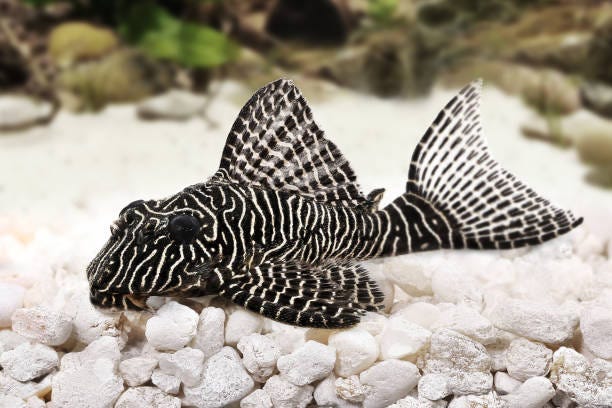
Credit: medium.com
Feeding In Cooler Conditions
Plecostomus fish are usually tropical, but some can tolerate cooler water. Their feeding habits change as the water temperature drops.
Cold water slows their metabolism. They eat less and need different care to stay healthy.
Diet Adjustments
In cooler water, plecostomus need softer and easier-to-digest foods. Hard foods can be tough for them to eat and digest.
Focus on fresh vegetables and algae wafers that break down quickly. Avoid overfeeding hard pellets or dry foods.
- Cooked zucchini or cucumber slices
- Blanched spinach or lettuce
- Algae wafers designed for plecos
Feeding Frequency
Feed plecostomus less often in cold water. Their digestion slows, so they need more time between meals.
Offer food every two to three days instead of daily. Watch their behavior and adjust if needed.
- Feed smaller portions at a time
- Remove uneaten food after a few hours
- Observe fish activity before feeding
Supplements For Cold Stress
Cold water can cause stress in plecostomus. Supplements help support their immune system during these times.
Use vitamin-enriched foods or liquid supplements to boost health. They help fight illness and keep fish active.
- Vitamin C supplements for immune support
- Liquid multivitamins mixed with food
- Probiotics to aid digestion
Signs Of Cold Stress
Plecostomus fish are known for their resilience. But cold water can cause stress.
Understanding the signs of cold stress can help you protect your fish.
Physical Symptoms
Cold water affects the plecostomus physically. Look for these signs.
- Faded colors on the body
- Clamped fins
- Visible mucus on the skin
Behavioral Indicators
Behavior changes can indicate stress in your plecostomus.
Watch how your fish interacts with its environment.
| Behavior | What It Means |
| Hiding more often | Seeks warmth and safety |
| Reduced movement | Lack of energy due to cold |
| Decreased feeding | Loss of appetite from stress |
When To Take Action
Recognizing when to help your fish is crucial. Quick action can save them.
Use a reliable aquarium heater to stabilize the environment.
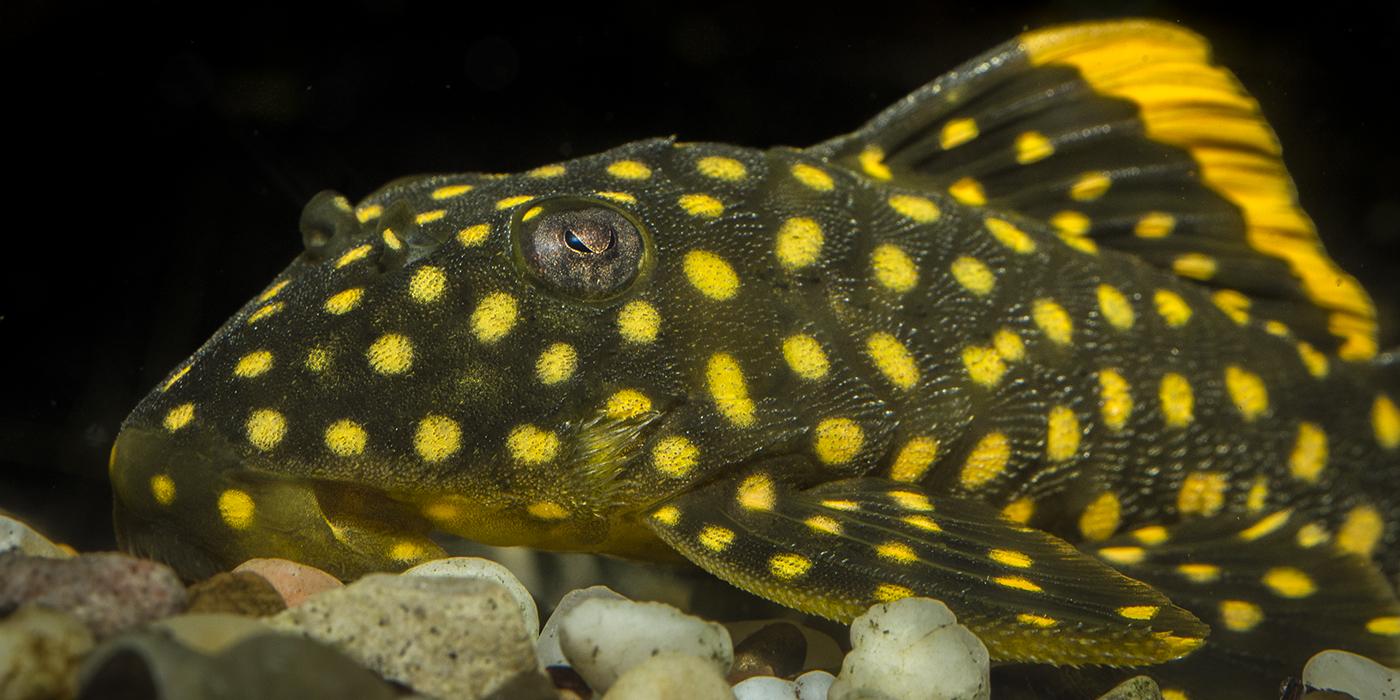
Credit: nationalzoo.si.edu
Emergency Measures For Cold Exposure
Plecostomus fish are tropical and do not handle cold well. Sudden cold can stress or harm them. Quick action is needed to protect your fish.
Use careful steps to raise temperature and improve tank conditions. This helps your Plecostomus recover safely.
Gradual Temperature Correction
Do not raise the tank temperature too fast. Sudden heat changes can shock the fish more.
Increase the water temperature by about 1 to 2 degrees Fahrenheit every hour. Watch your fish for signs of stress.
- Check temperature with a reliable aquarium thermometer
- Adjust heater settings slowly
- Avoid sudden temperature jumps over 3 degrees
- Stop if fish show signs of distress
Water Quality Improvement
Cold water can lower oxygen levels and increase toxins. Clean water supports your fish’s health during cold stress.
Perform a partial water change with water at the new, warmer temperature. This helps remove waste and improves oxygen.
- Remove 25-30% of tank water carefully
- Use dechlorinated water at correct temperature
- Test water for ammonia, nitrites, and nitrates
- Keep filters clean and running well
Using Aquarium Heaters Safely
Aquarium heaters help keep water warm but need careful use. Avoid overheating or electrical risks.
Use a heater with a built-in thermostat. Set it to the target temperature for your Plecostomus, usually around 75-80°F.
- Place heater where water flows around it
- Do not leave heater on if temperature is stable
- Check heater regularly for damage
- Use a safety guard to protect fish from heater contact
Frequently Asked Questions
What Temperature Range Can Plecostomus Tolerate?
Plecostomus can tolerate water temperatures from 72°F to 82°F. They prefer warmer water but can survive short dips to 68°F. Prolonged cold stress can harm their health and immune system.
How Does Cold Water Affect Plecostomus Behavior?
Cold water slows Plecostomus metabolism and activity. They become less active and eat less. Prolonged exposure to cold can cause stress and increase disease risk.
Can Plecostomus Survive In Cold-water Tanks?
Plecostomus are tropical fish and do not thrive in cold-water tanks. They need stable, warm temperatures for optimal health and growth. Cold tanks can lead to illness or death.
What Signs Show Plecostomus Is Stressed By Cold?
Signs include lethargy, reduced appetite, clamped fins, and erratic swimming. Stress from cold weakens their immune system, making them vulnerable to infections.
Conclusion
Plecostomus fish can handle cooler water but not very cold temperatures. They feel best in water that stays warm and stable. Sudden drops in temperature can make them sick. Keeping their tank warm helps them stay healthy and active. Watch the water temperature closely, especially in winter.
Proper care means a happy, long-living plecostomus. Understanding their cold-water tolerance helps you create the right home for them. Simple steps make a big difference in their well-being.